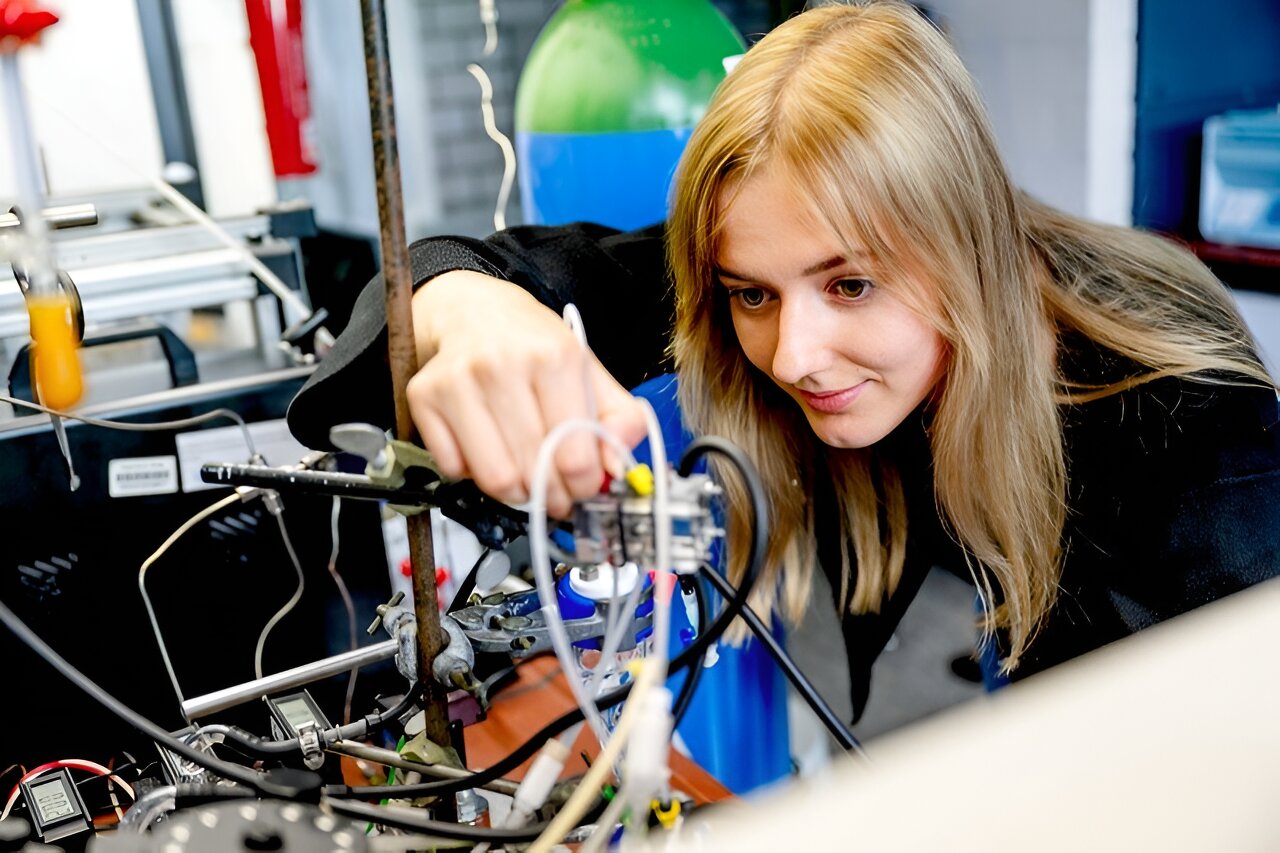
Researchers from the University Alliance Ruhr in Germany have developed a catalyst that allows the simultaneous production of hydrogen and fertilizer precursor nitrite from ammonia, combining two previously separate chemical processes. This innovative approach, which uses gas diffusion electrodes and overcomes significant thermodynamic challenges, could potentially double hydrogen yield and make ammonia a more efficient energy carrier for transport. However, the method is still in the experimental stage and far from industrial application.

Florida Senator Rick Scott has called for an investigation into garlic imported from China, claiming that it poses a national security risk and is a severe public health concern. Scott alleges that Chinese garlic is fertilized with human feces and grown in sewage, and sometimes bleached to appear more appealing. However, a McGill University report states that there is no hard evidence supporting the use of sewage as fertilizer in China. Additionally, Swiss researchers have found that fertilizers made from human waste are safe and effective.
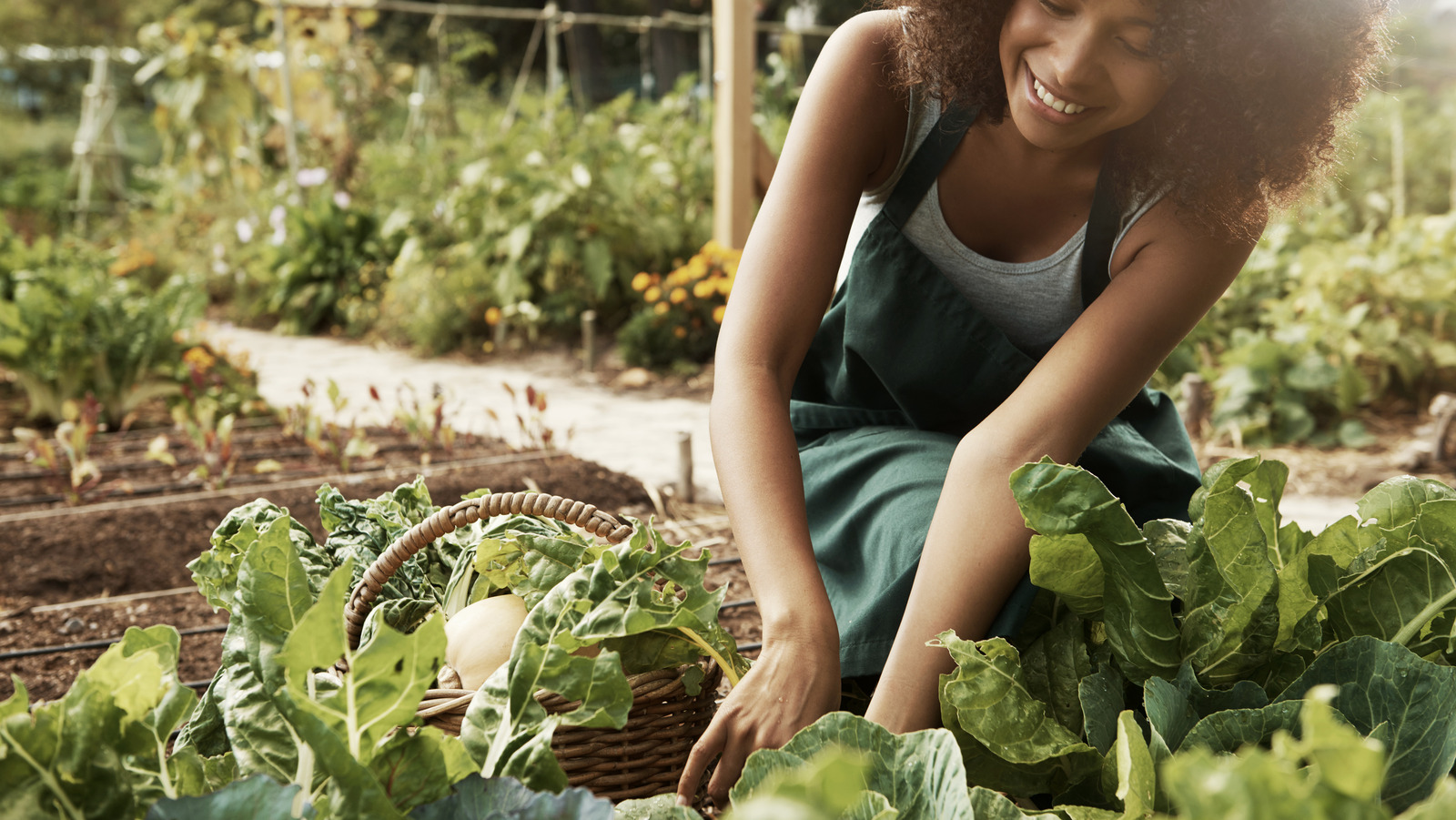
Ginger, known for its antimicrobial properties, can be used in gardening to combat root rot, fight pests, and act as a natural fertilizer. To incorporate ginger into your garden, make ginger water by boiling grated ginger root and mixing it with water. Use this ginger water to water your plants, directing it around the roots. The leftover ginger peels can be added to your compost pile in moderation.
Researchers from Northwestern University and the University of Toronto have developed a hybrid catalyst made of zinc and copper that can produce the fertilizer urea through electrified synthesis. This process not only enables low-carbon-intensity urea production but also denitrifies wastewater, reducing the carbon footprint of water treatment facilities. The researchers conducted a thorough life-cycle analysis and found that renewable energy sources can further decrease energy emissions. Although there are still challenges to overcome before commercialization, this innovative approach has the potential to contribute to decarbonization efforts in the agriculture industry.
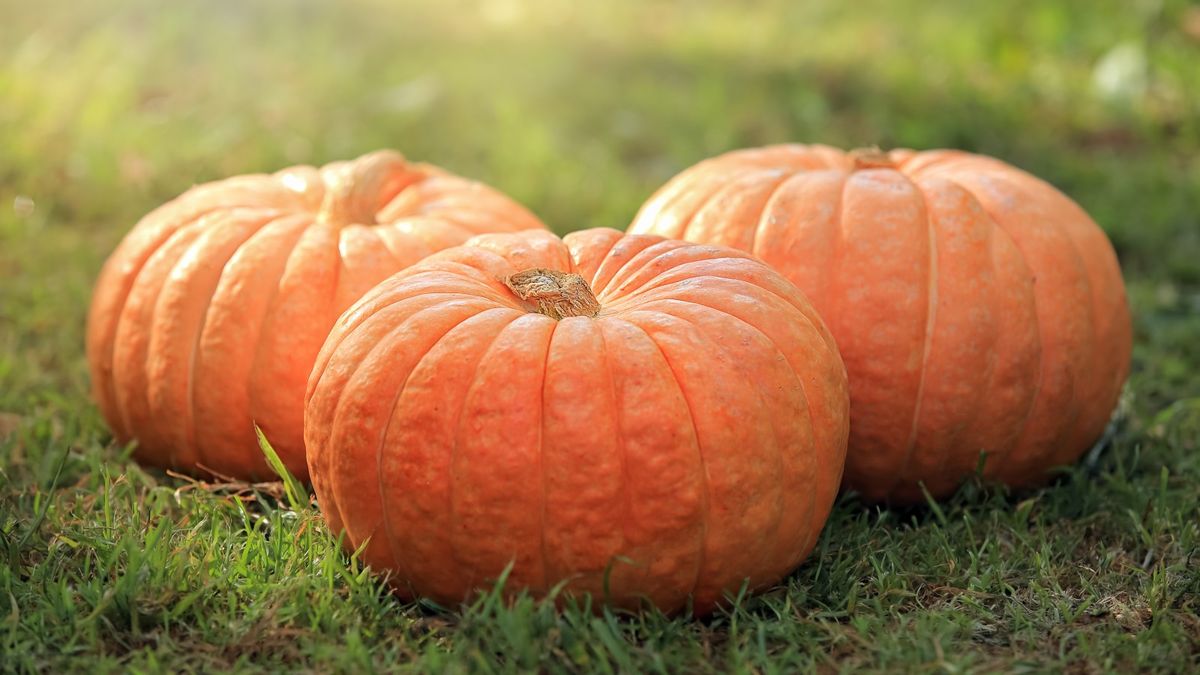
Pumpkins are heavy-feeding plants that require regular fertilization throughout their growing season. Nitrogen promotes vine and leaf growth, phosphorus encourages flowering and fruiting, and potassium ensures healthy fruit development. It is important to fertilize pumpkins at the right time, starting with compost or balanced fertilizer before planting, then switching to nitrogen-heavy fertilizer during rapid vine growth, phosphorus-heavy fertilizer during flowering, and high-potassium fertilizer when fruits start to form. Conducting a soil test and following recommended rates from the manufacturer are crucial. Coffee grounds can be used as a supplemental feed, and leftover pumpkins can be used as compost or buried to release nutrients into the soil.
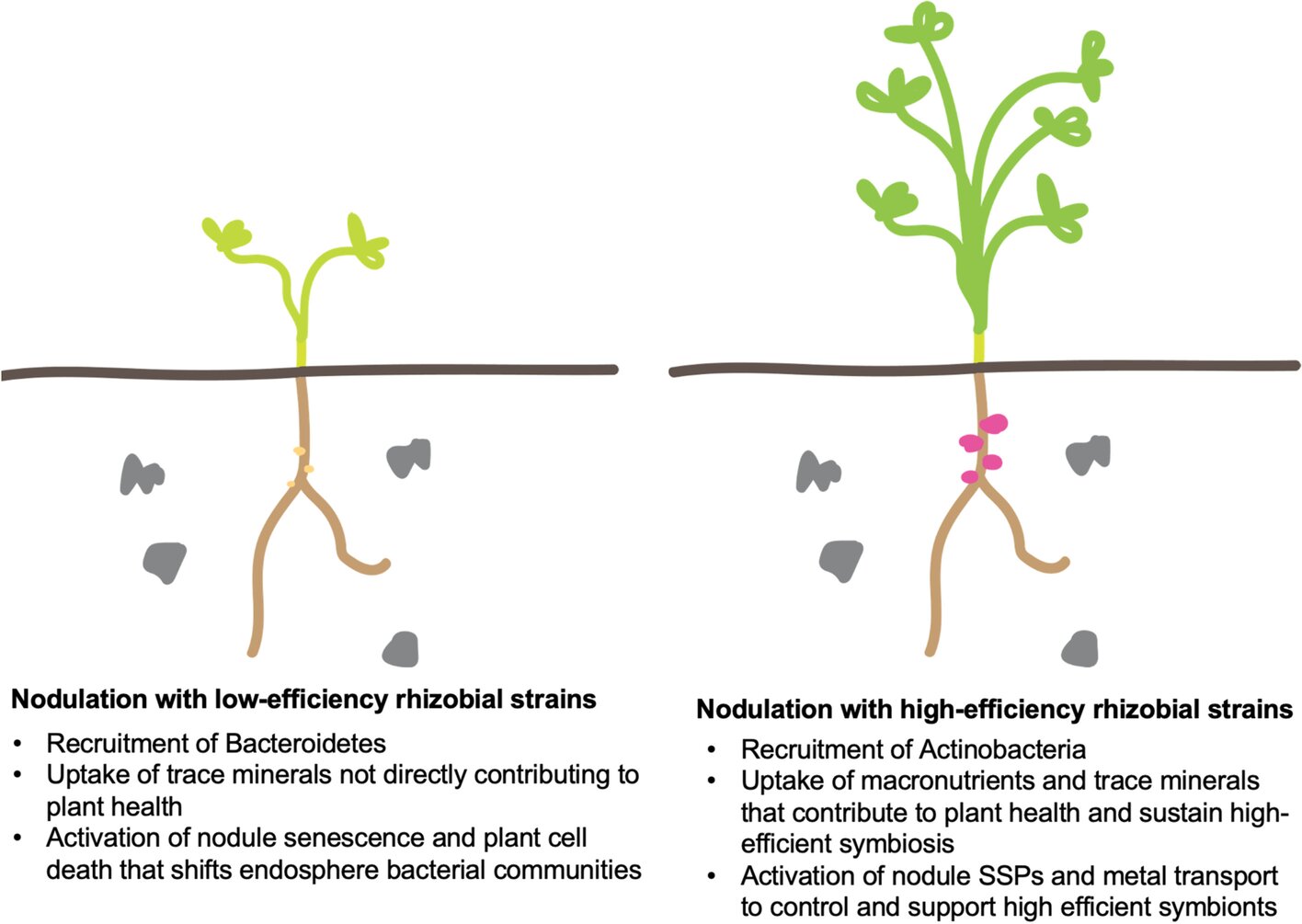
A study conducted by researchers from the Universities of Warwick and Justus Liebig has found that promoting the natural relationship between plants and bacteria can reduce the need for environmentally damaging fertilizers. The study focused on the efficiency of plant-bacteria symbiosis and its impact on other soil microbes. Legumes, such as peas and beans, interact with nitrogen-fixing bacteria that provide nutrients to the plant, reducing the reliance on chemical fertilizers. The research highlights the potential of using biofertilizers derived from symbiotic relationships to enhance plant and soil health, offering a sustainable approach to food production.
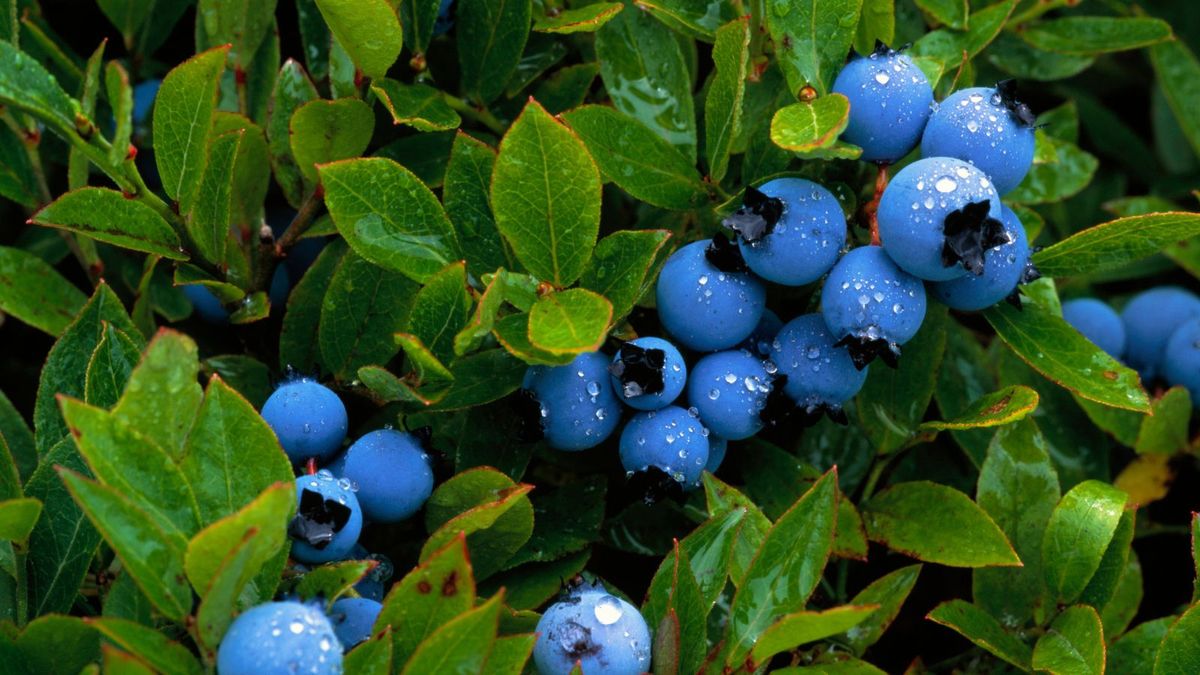
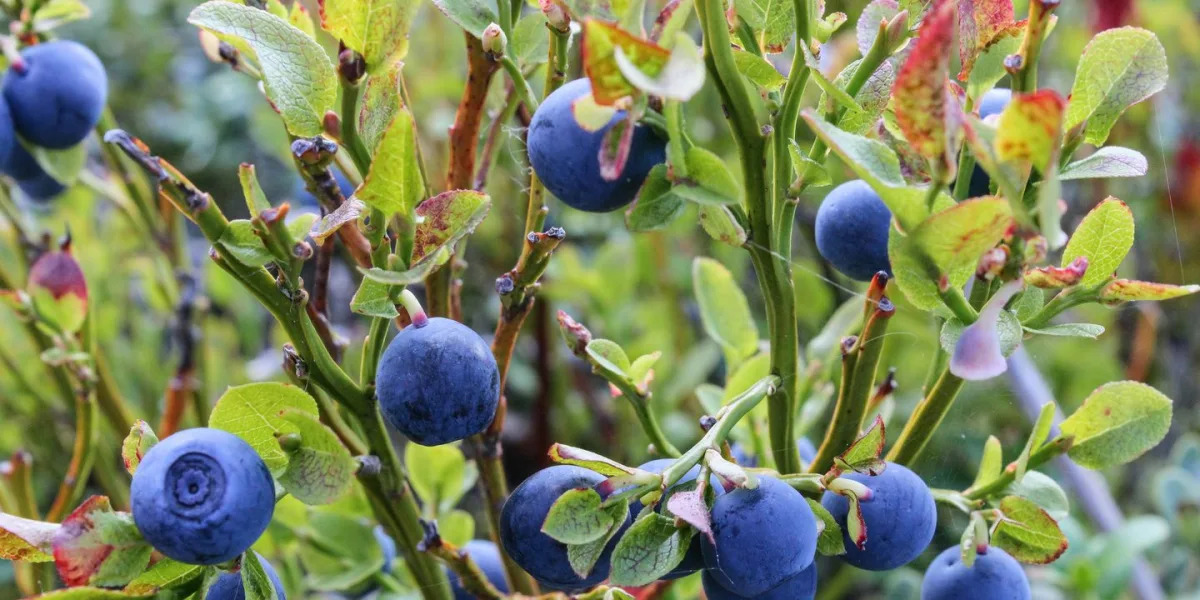
To achieve thriving blueberries and bountiful harvests, it is crucial to fertilize them at the right time. The best time to fertilize blueberries is early spring, before new growth emerges. Apply fertilizer again around six weeks later, in early to mid-summer, and then again after you have harvested the blueberries. Blueberries prefer an acidic soil pH, between 4.5 and 5.5, so it's important to use a fertilizer for acid-loving plants. Coffee grounds can also be used alongside fertilizer to help boost blueberry plants.
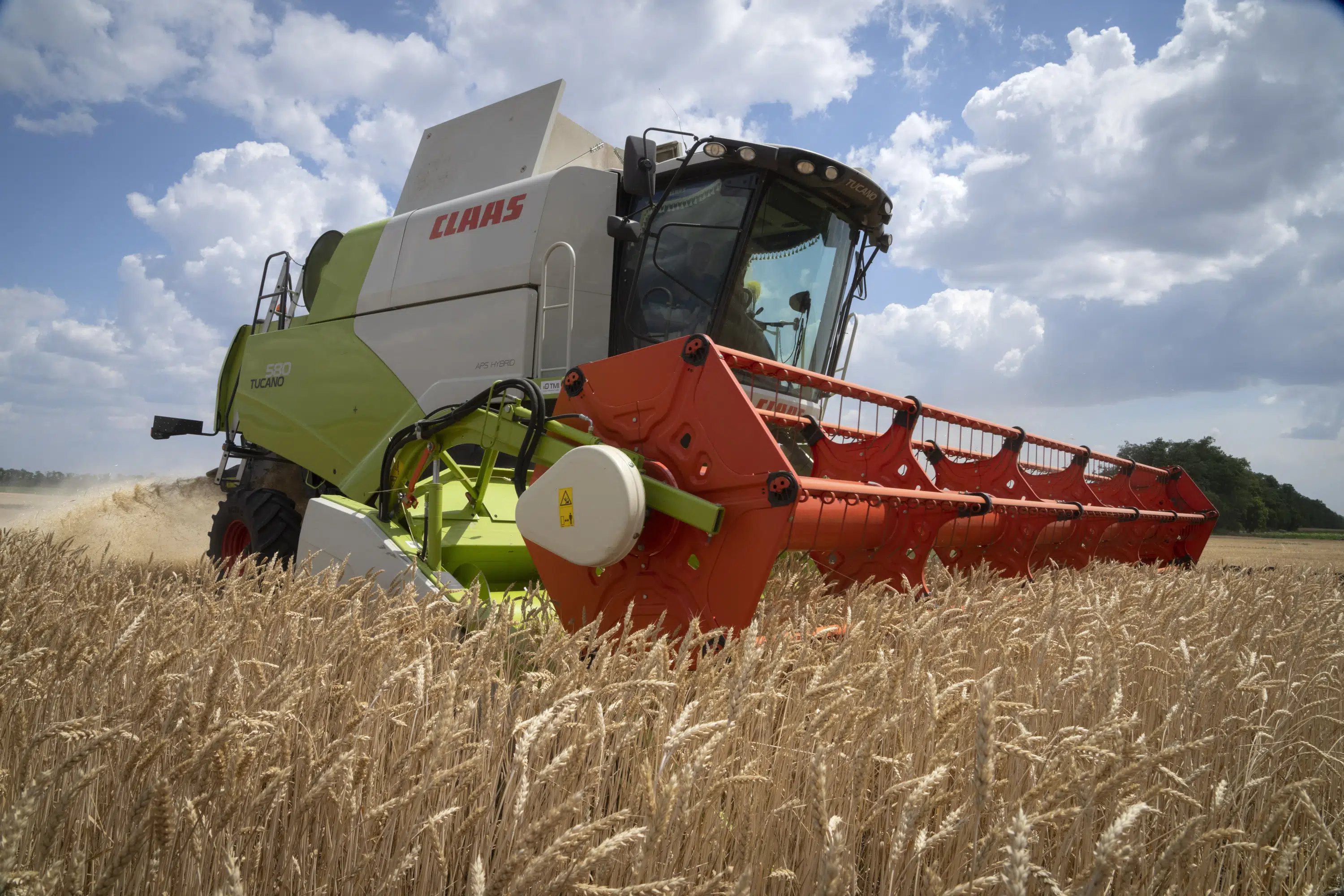
Russia's decision to limit the number of ships allowed to pick up Ukrainian grain at Black Sea ports is threatening global food security. Moscow wants Ukraine to open a pipeline for a key ingredient of fertilizer to get to world markets. The UN has expressed serious concern that only 33 ships departed from Ukrainian ports in May, half the number compared to April, and exports of grain and other foodstuffs totaled just 1.3 million metric tons last month, less than half the amount of the previous month. The UN is working to overcome obstacles to Russian food and fertilizer shipments.
Growing blueberries in your yard requires acidic soil with a pH level of around 4 to 5. Blueberries need a certain number of chill hours, so it's important to buy the right kind for your climate. Plant them in full sun, space them 3 to 4 feet apart, and water them during dry spells. Fertilize them after a month in the ground and pick off buds the first two years to allow for more foliage and deeper roots. Prune blueberries annually to keep them healthy and producing.
Jean-Yves Ollivier, a French commodities trader, is leading an African peace initiative between Russia and Ukraine, with a focus on grain, fertilizer, and prisoner exchanges. The Brazzaville Foundation, founded by Ollivier, will support the initiative, which involves the heads of six African nations. The initiative aims to prevent food price inflation and shortages, as well as resolve the 15-month war. The African leaders involved have their own agendas, including rebuilding credibility and shaking off perceptions of being too pro-Western.
Six African leaders are set to hold talks with Kyiv and Moscow to initiate a peace process and discuss the issue of how heavily-sanctioned Russia can be paid for the fertilizer exports Africa desperately needs. The talks will also address the related issue of easing the passage of more grain shipments out of Ukraine amid the war and the possibility of more prisoner swaps. The African leaders' aim is to make a start with signs and dialogue, but neither side in the war appears ready to stop fighting.
Nutrien, the world's largest ag retailer and producer of potash, is poised to take advantage of the disruption caused by Russia's invasion of Ukraine, which has reduced grain inventories and driven up prices. The company's expansive network of retail stores selling fertilizer, seed, and services in seven countries, including the U.S., puts it in a strong position to benefit from increased global production.