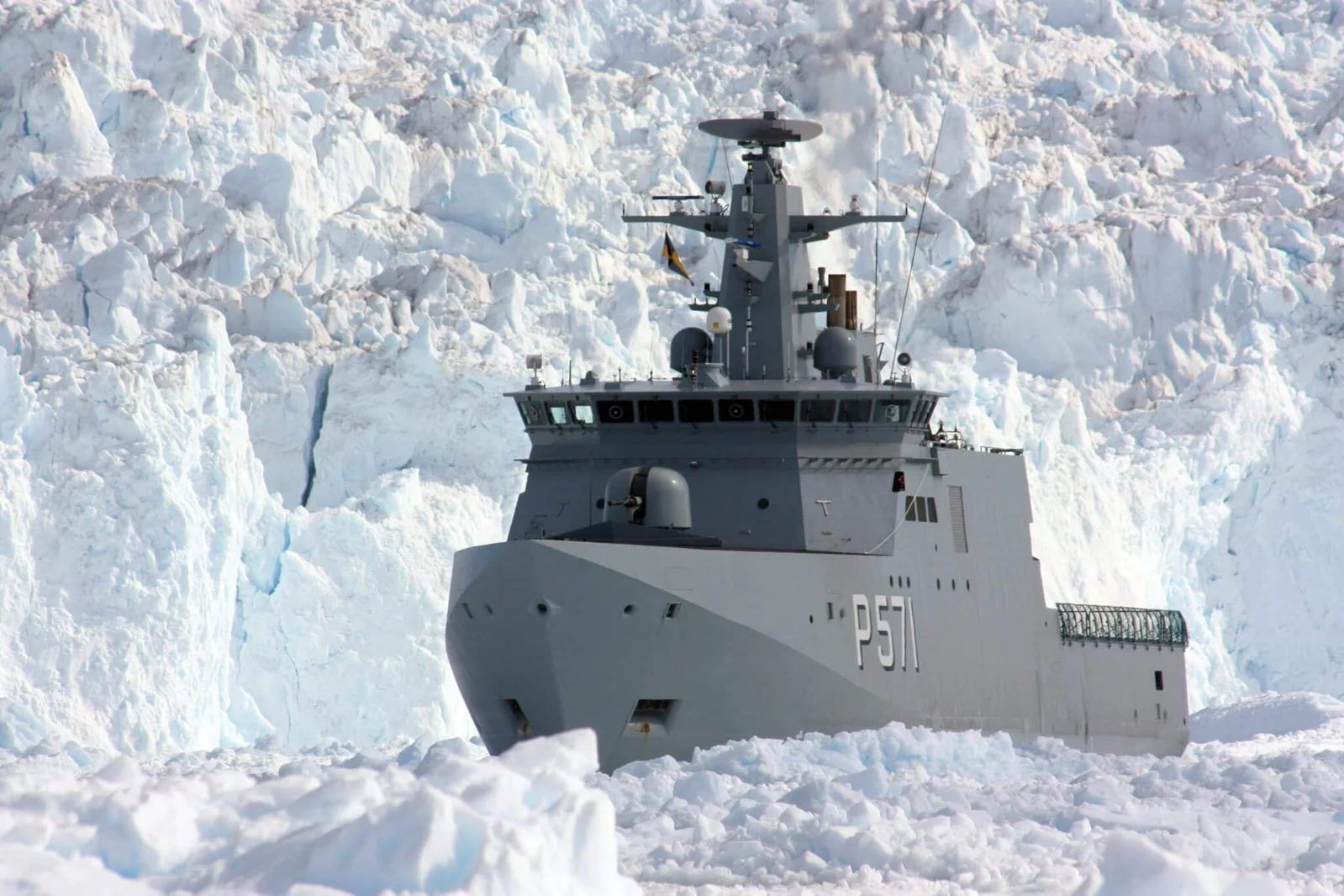
Nordic diplomats with NATO intelligence say there is no evidence of Russian or Chinese ships near Greenland, undermining Trump’s justification for U.S. control and prompting sharp criticism from Nordic leaders; Greenland's parliament reaffirmed its desire to govern itself.
Greenland's harsh environment, lack of infrastructure, and complex geology make mining rare earth elements difficult, challenging Trump's idea of taking control of the island for resource security, and highlighting geopolitical motives over practical supply solutions.
U.S. President Trump has expressed interest in acquiring Greenland, citing strategic and resource benefits, but experts warn that military force would risk NATO's stability and Greenlanders oppose U.S. control, favoring diplomacy and existing agreements instead.
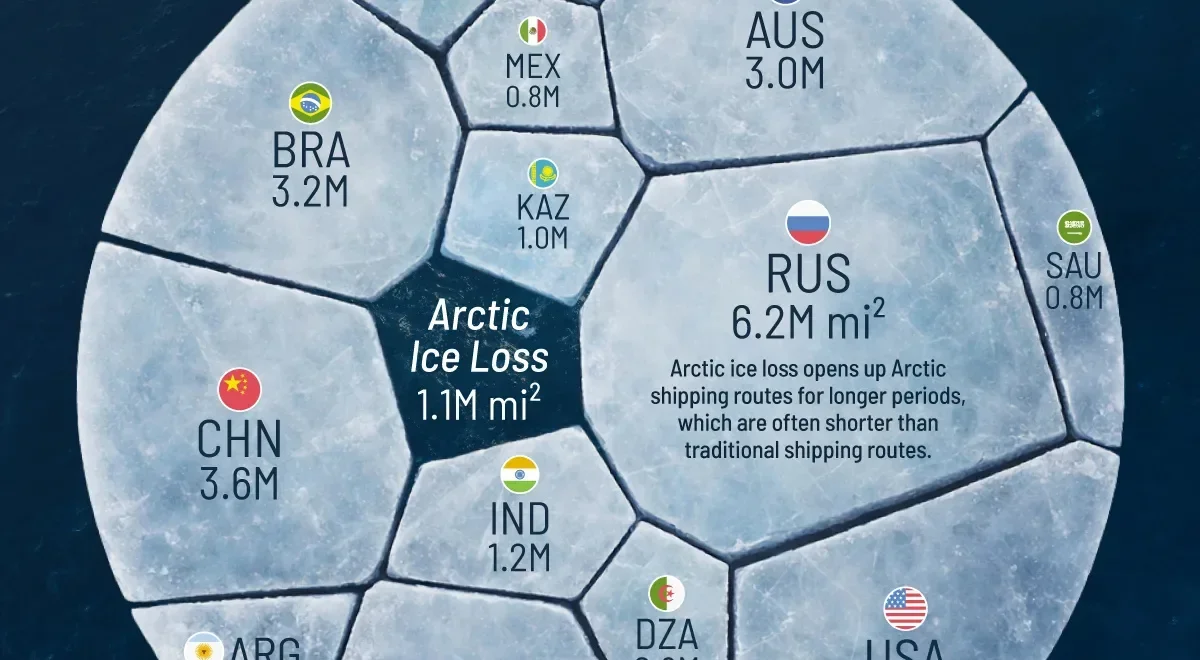
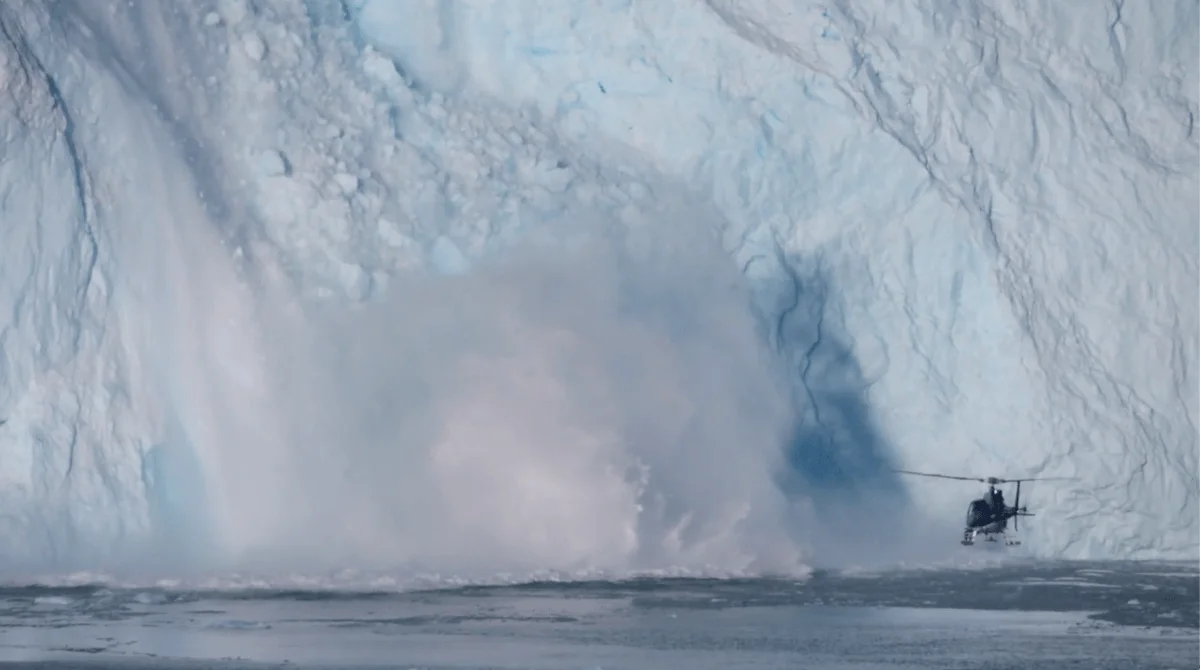
Scientists warn that the 'Doomsday Glacier' in Antarctica is nearing a critical breaking point, which could significantly raise sea levels by about 65 centimeters if it collapses. The glacier's structural integrity has been compromised due to ongoing fracturing, and its potential collapse could accelerate sea level rise, impacting global communities and ecosystems. Arctic ice is melting at an alarming rate, driven by human activities and climate change, with efforts underway to monitor and mitigate these effects through satellite data and behavioral changes.
Donald Trump has intensified his threats to acquire Greenland, asserting the US will intervene regardless of Greenlanders' opposition, citing strategic concerns and rivalry with Russia and China, amidst ongoing tensions with Denmark and Greenland. He also warned of potential US action against Iran if protests turn violent.
President Trump is once again asserting his belief in using threats and force to achieve his goals, this time focusing on Greenland, with the possibility of taking the island from Denmark, which has raised concerns among European allies and NATO members about the implications for sovereignty and security. Despite diplomatic efforts, Trump’s aggressive stance suggests he may pursue acquiring Greenland through force if necessary, viewing ownership as psychologically essential for success.
U.S. President Trump’s interest in Greenland is shifting from rhetoric to potential action, with discussions about investment and possible acquisition, sparking international concern and geopolitical repercussions, including NATO and European security considerations.
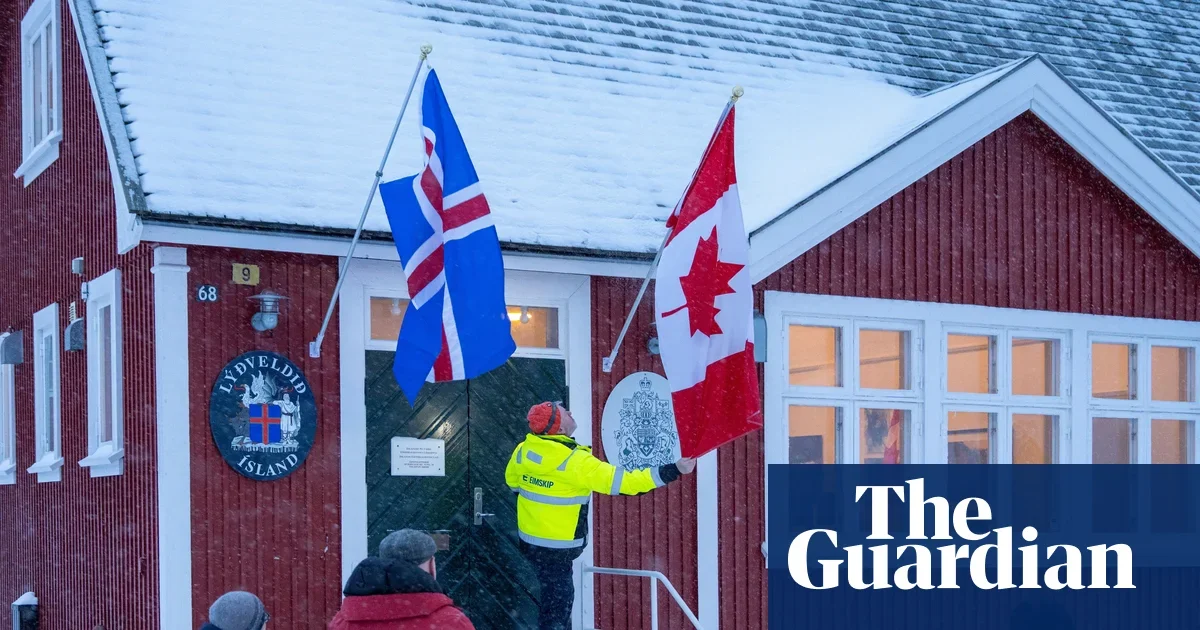
Canada is concerned about potential conflict in the Arctic following threats from Trump regarding Greenland, highlighting escalating tensions over the region.
The White House has indicated that using the US military to acquire Greenland is 'always an option,' as Trump and his advisers explore various strategies amid international pushback and Greenland's insistence on sovereignty, with concerns over Arctic security and geopolitical tensions rising.
President Trump and his administration are considering using the U.S. military to acquire Greenland, citing strategic and security interests in the Arctic region, with ongoing discussions about potential options.
European NATO allies emphasized that Greenland belongs to its people and should remain under Danish sovereignty, rejecting recent U.S. claims by Stephen Miller that Greenland should be part of the U.S., highlighting the strategic importance of the region and the importance of respecting sovereignty and international principles.
The article discusses concerns over US President Trump's potential plans to seize Greenland, a territory of Denmark, amid rising geopolitical tensions involving Russia and China in the Arctic. Danish officials warn of the risks to NATO and Western alliance stability if military action occurs, while Trump emphasizes Greenland's strategic importance for US national security. The situation has heightened fears of fracturing the Western alliance and escalating conflicts in the Arctic region.
The EU's response to Trump's threats to take control of Greenland is cautious and non-committal, highlighting the geopolitical tensions surrounding Arctic sovereignty, with Greenland and Denmark firmly opposing any such moves, while NATO and the EU grapple with how to address potential U.S. actions and the strategic importance of the region.
NASA's Landsat 8 satellite captured an image of a snowman-shaped formation of lagoons and ice along Russia's Chukchi Peninsula, highlighting the region's coastal Arctic dynamics and the importance of satellite imagery in monitoring environmental changes.
A remotely operated vehicle discovered the deepest known gas hydrate seepage at nearly 3,640 meters in the Arctic, revealing a vibrant ecosystem in an area previously thought to be nearly sterile, with significant implications for our understanding of oceanic carbon storage and deep-sea biodiversity.