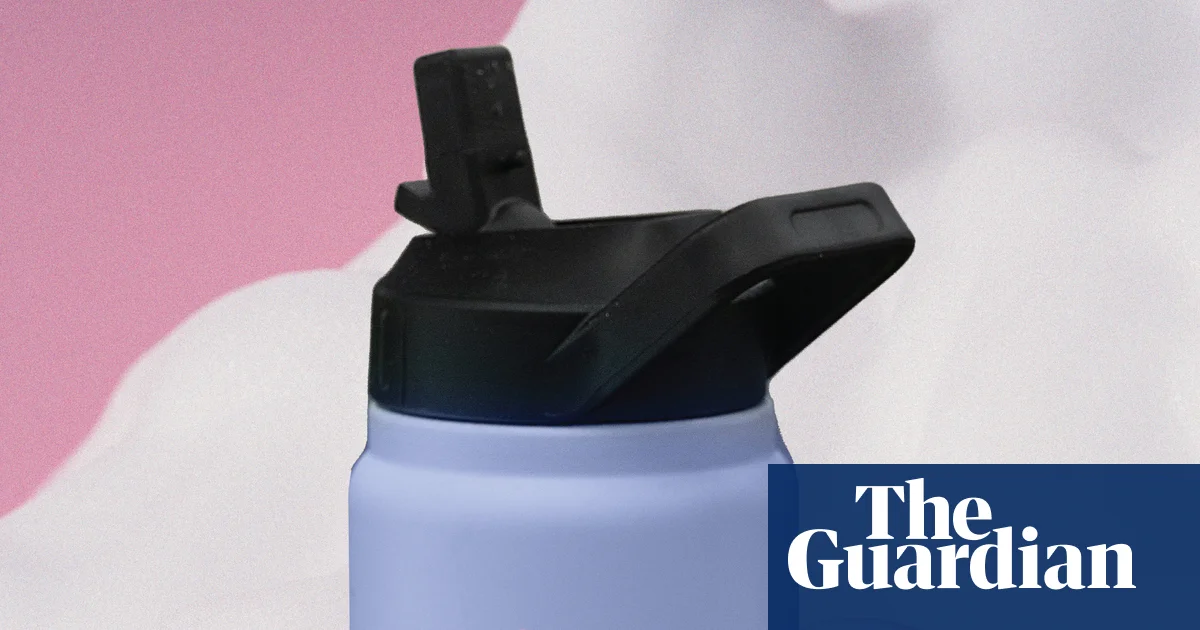
Reusable water bottles can harbor bacteria, viruses, and biofilm if not cleaned properly. Experts recommend washing bottles daily with soap or a diluted bleach solution, cleaning all parts including lids and straws, and drying thoroughly to prevent microbial growth. Using hot water and avoiding antimicrobial soaps are advised, and choosing metal or glass bottles can inhibit bacterial development. Regular cleaning is essential, especially after illness, to prevent reinfection and maintain hygiene.
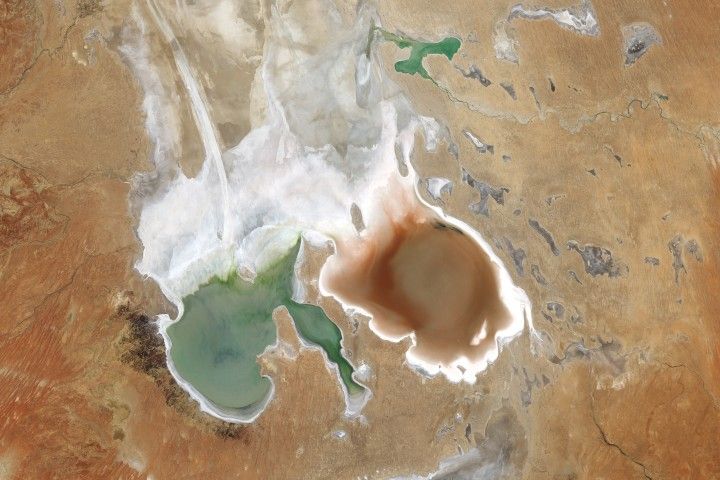
In 2025, Lake Eyre in South Australia experienced significant filling due to heavy rains, followed by rapid evaporation that revealed striking green and reddish hues caused by salt-loving microorganisms, with the lake's water levels and colors changing dynamically based on environmental conditions.
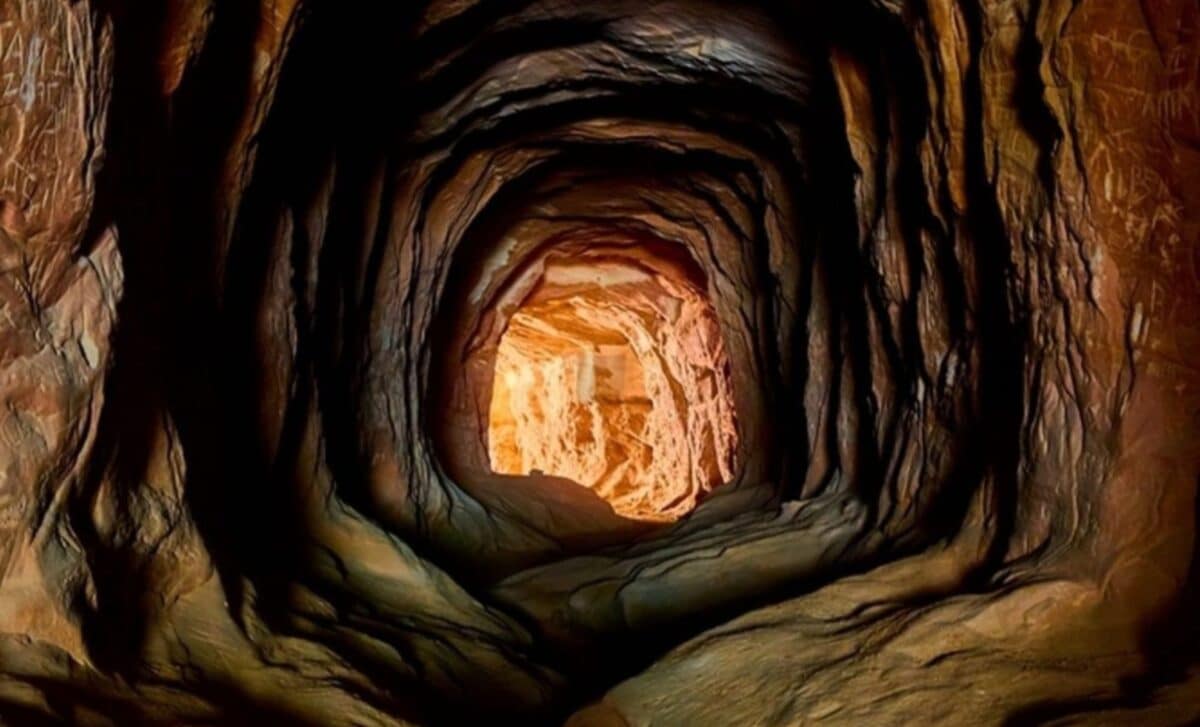
Scientists have discovered mysterious, fossilized micro-tunnels in desert rocks across Namibia, Oman, and Saudi Arabia, which are believed to be the work of an unknown, possibly extinct microorganism that once digested its way through solid rock, raising new questions about microbial influence on geology and Earth's carbon cycle.
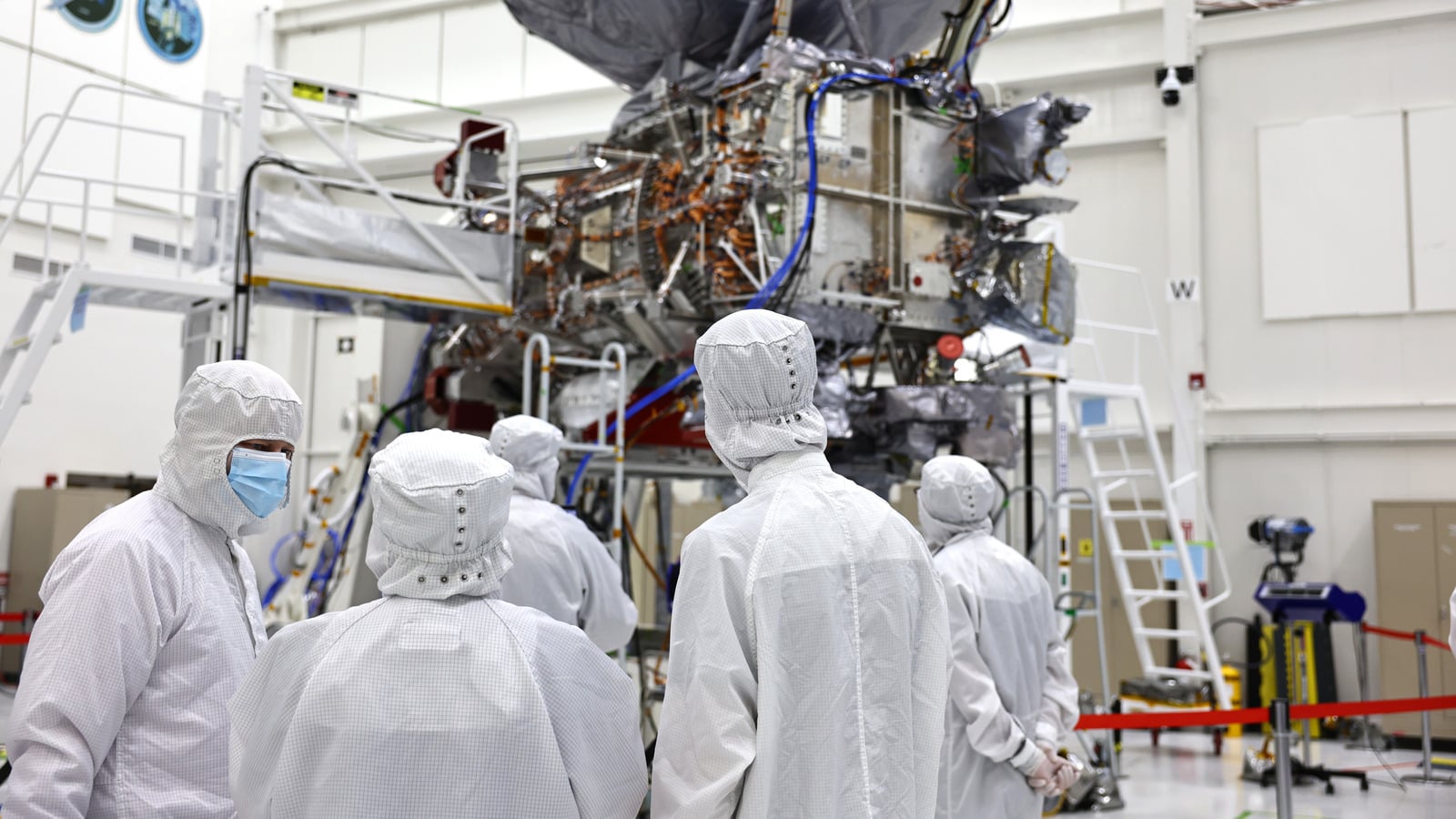
Scientists discovered 26 new bacteria species in NASA's cleanrooms, which could potentially survive space travel and contaminate Mars, raising concerns about planetary protection and the search for extraterrestrial life.
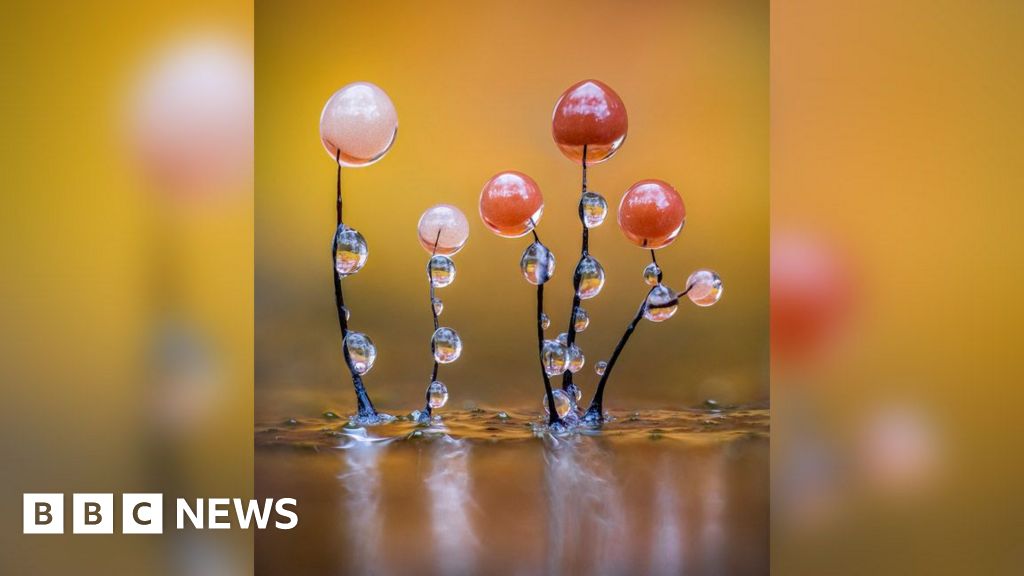
Photographer Barry Webb captures stunning macro images of slime mould, revealing their tiny structures and ecological importance, and has won awards for his detailed close-ups using focus bracketing techniques.
Researchers study iron-rich hot springs in Japan to understand how ancient microorganisms survived the Great Oxygenation Event 2.3 billion years ago, revealing insights into early microbial ecosystems and potential implications for finding life on other planets.
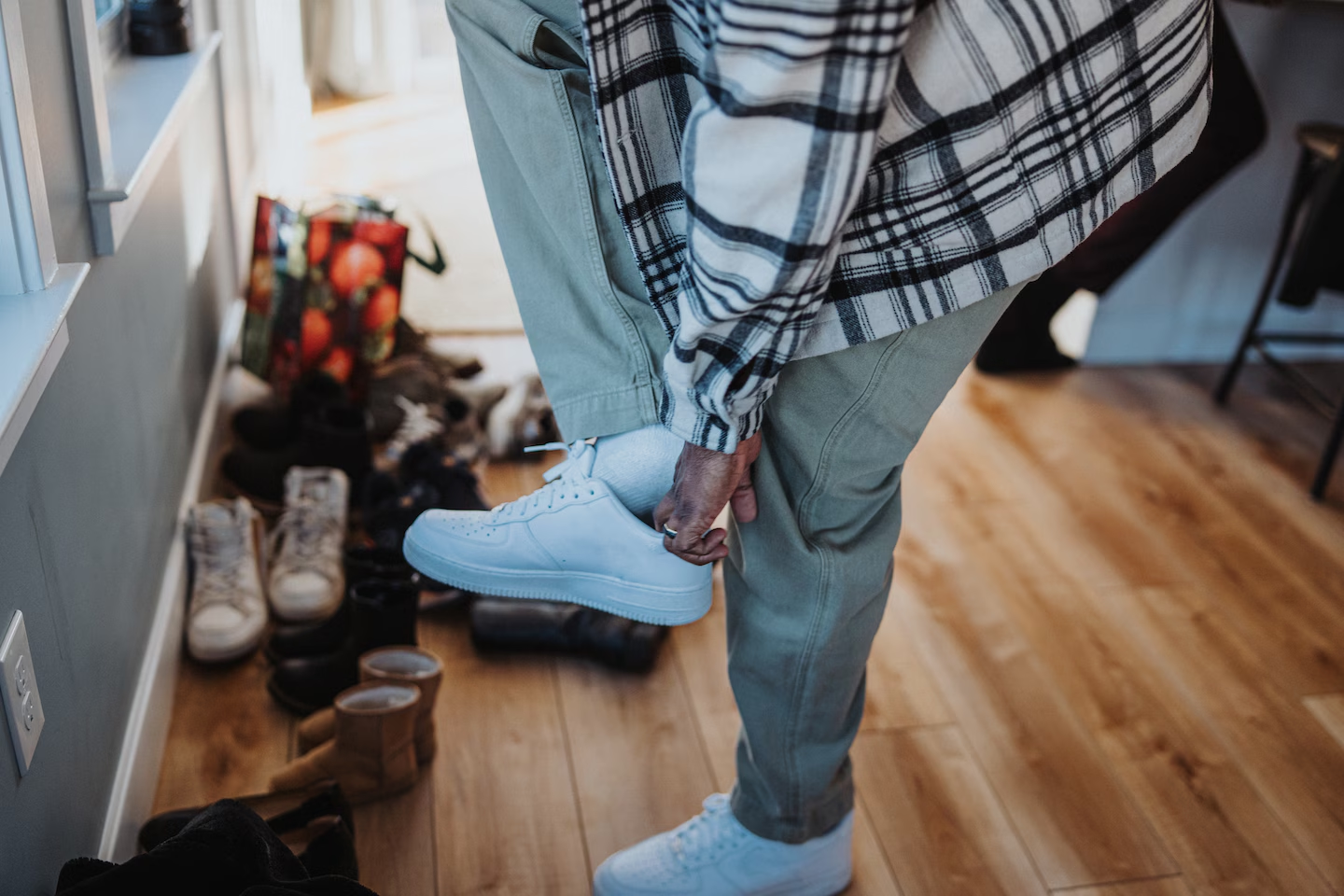
Wearing shoes inside can transfer germs and dirt to your floors, but cleaning shoes with soap and disinfectant, and following proper washing instructions, can reduce the risk of spreading harmful microorganisms in your home.
While shoes can carry germs like bacteria and dirt into the home, the risk of causing illness from these pathogens is low, and routine shoe sanitization is generally unnecessary. Experts suggest cleaning shoes if concerned about dirt or germs, but emphasize that hand contact with contaminated surfaces poses a greater health risk.
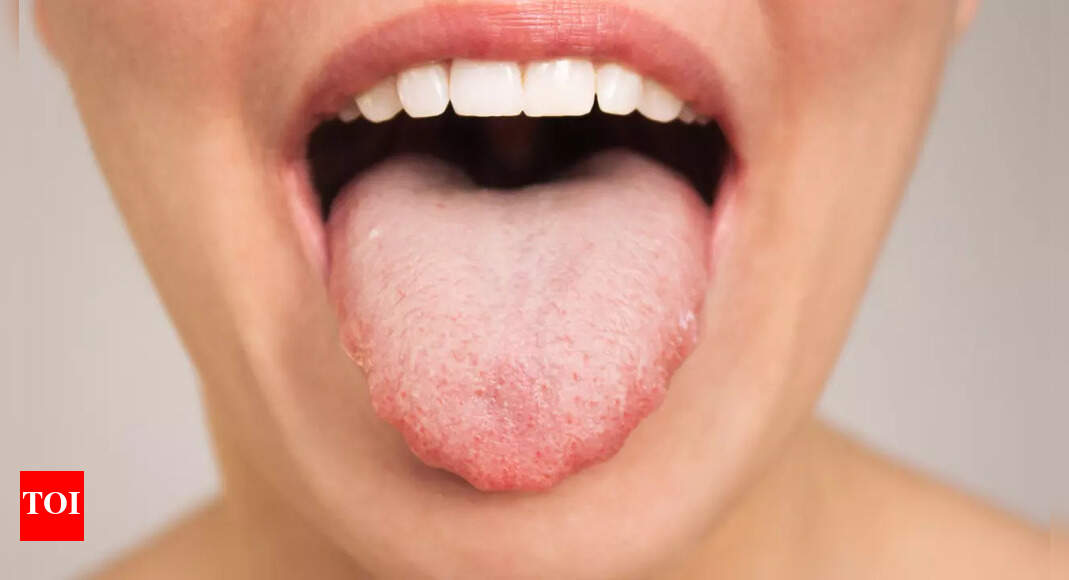
A study suggests that the appearance and microbial composition of the tongue could serve as a non-invasive indicator for diagnosing and monitoring heart failure, with distinct differences observed between patients and healthy individuals.
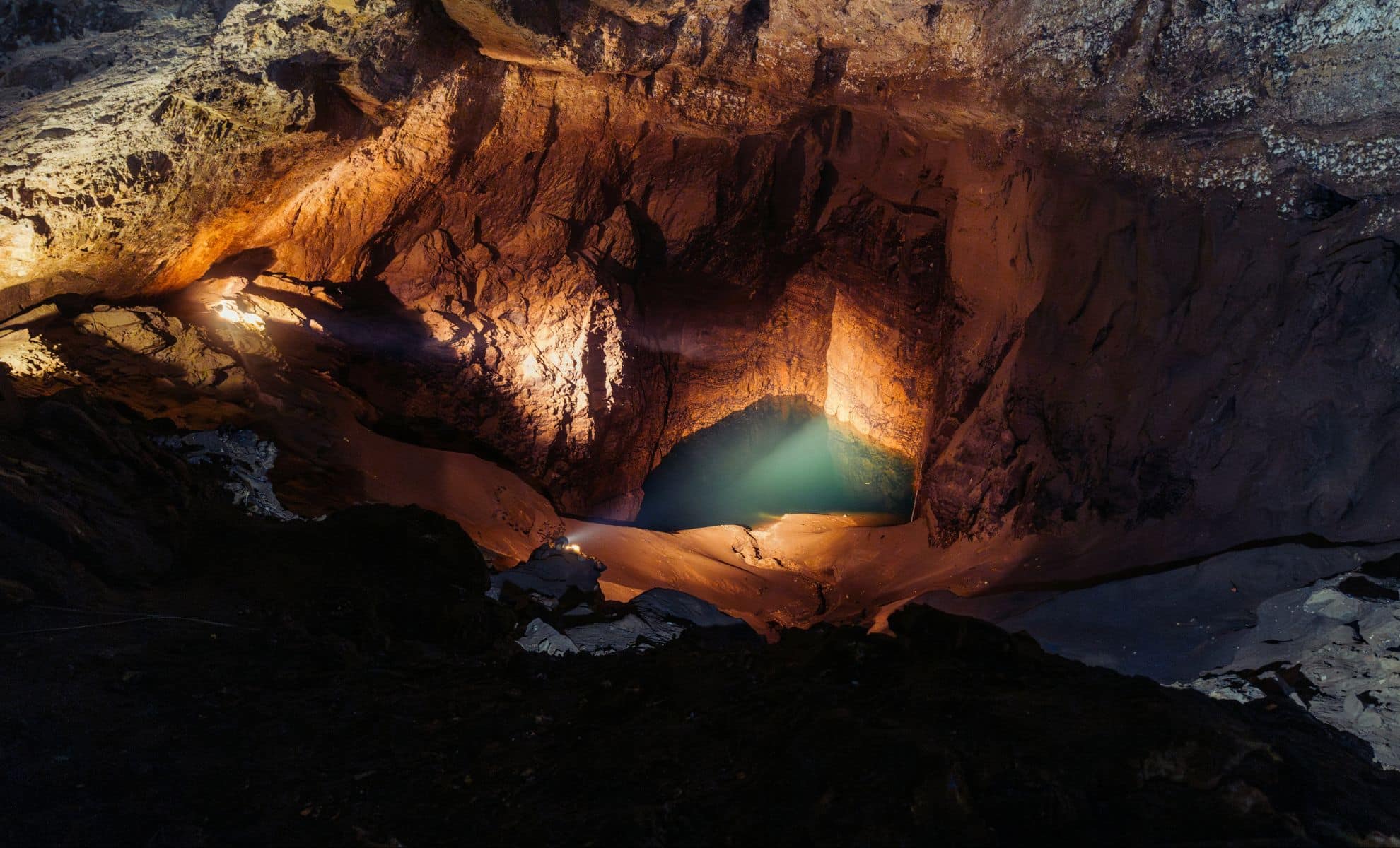
Scientists have discovered that nearly 70% of Earth's microbial life exists deep underground, in extreme conditions, with a vast ecosystem that may rival surface life in complexity and size, offering new insights into life's resilience and potential existence on other planets.
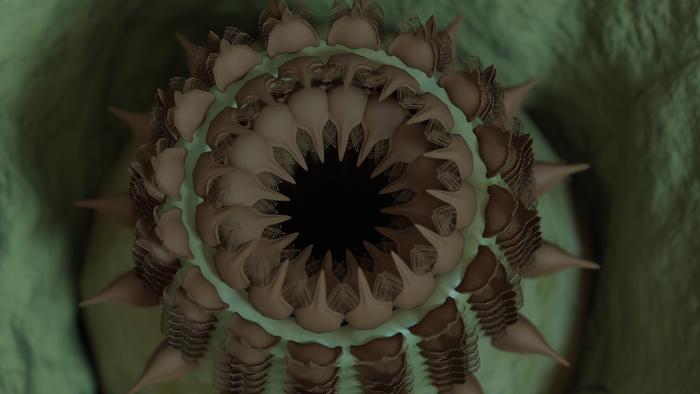
Researchers discovered thousands of microscopic fossils from the Cambrian period in the Grand Canyon, including a new species named Kraytdraco spectatus, resembling a 'Star Wars' creature, revealing insights into early animal evolution and the canyon's prehistoric environment.
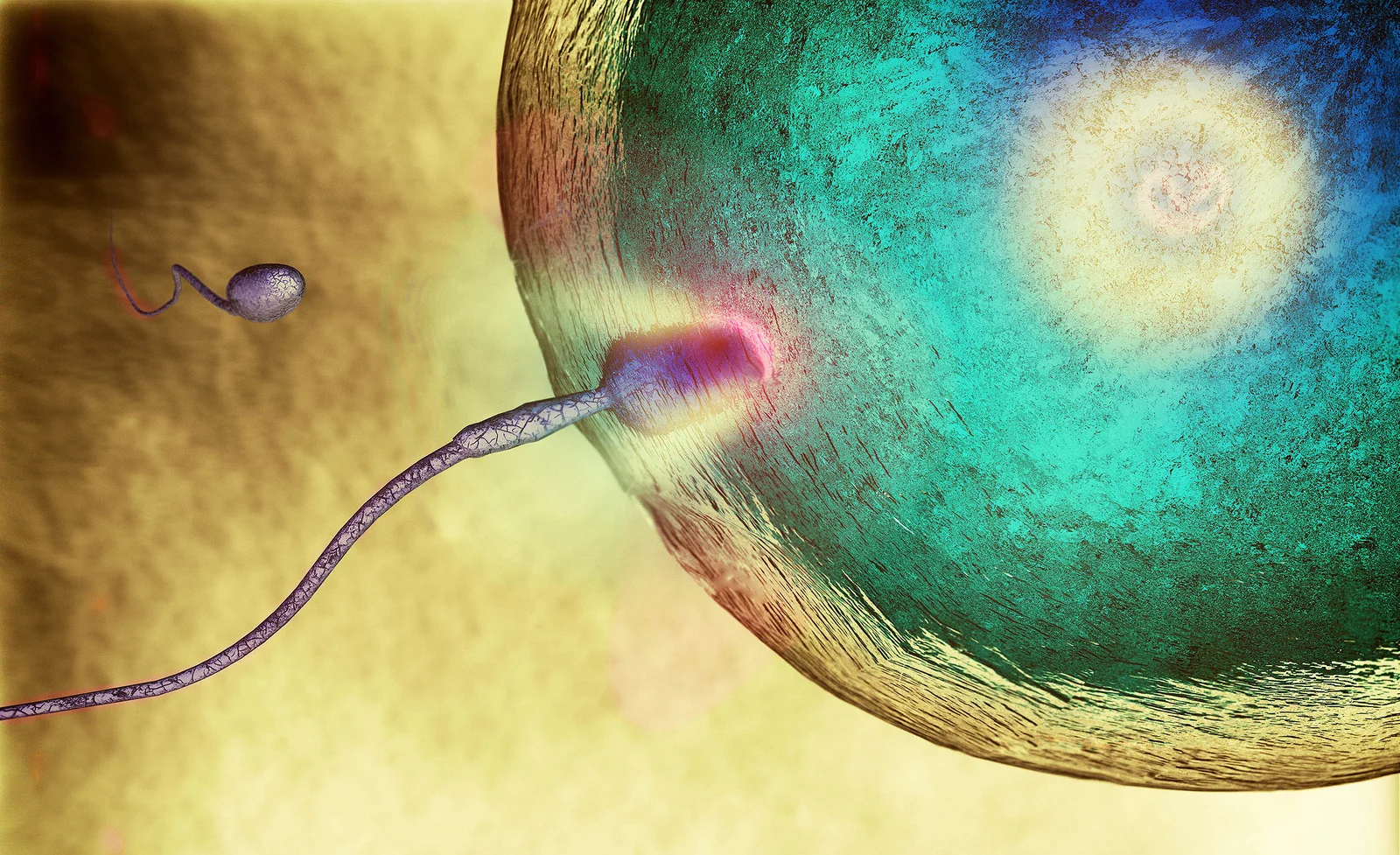
Scientists have discovered that sperm and other microorganisms use a unique form of elasticity called 'odd elasticity' in their flagella, allowing them to swim efficiently in thick fluids by bending asymmetrically and bypassing traditional physics laws like Newton's third law. This discovery, supported by mathematical modeling and high-speed microscopy, could inspire new micro-robotic designs and improve understanding of microbial movement and human health issues related to cilia function.
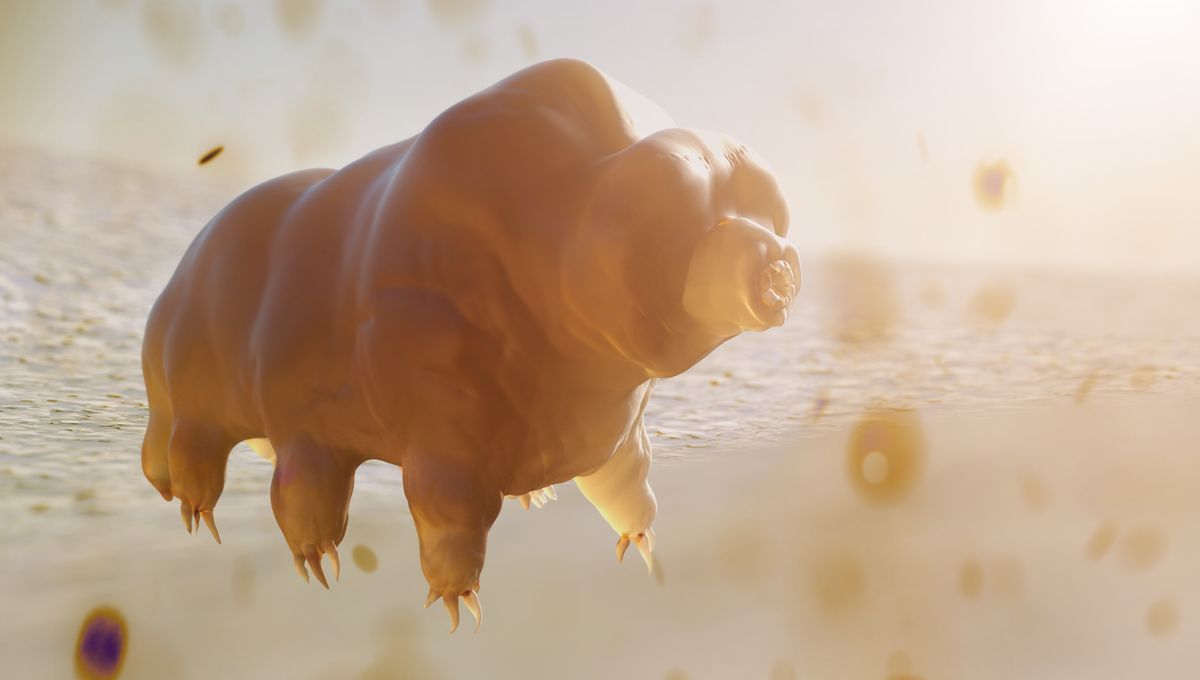
A 2019 failed lunar landing by Israel's Beresheet spacecraft left behind a capsule containing tardigrades and human cells on the Moon. Given tardigrades' extreme resilience, there's a possibility they could survive on the lunar surface and potentially be revived if recovered, though this remains highly uncertain and technically challenging.
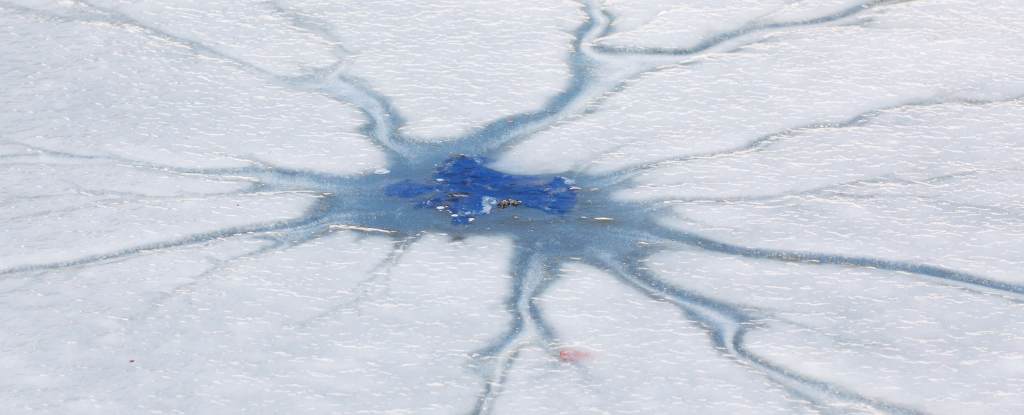
Scientists have discovered a diverse range of microorganisms in melted ice pools in Antarctica, suggesting that life could have survived the planet's icy Snowball Earth periods in similar ponds, which has implications for understanding potential life on icy moons like Europa and Enceladus.
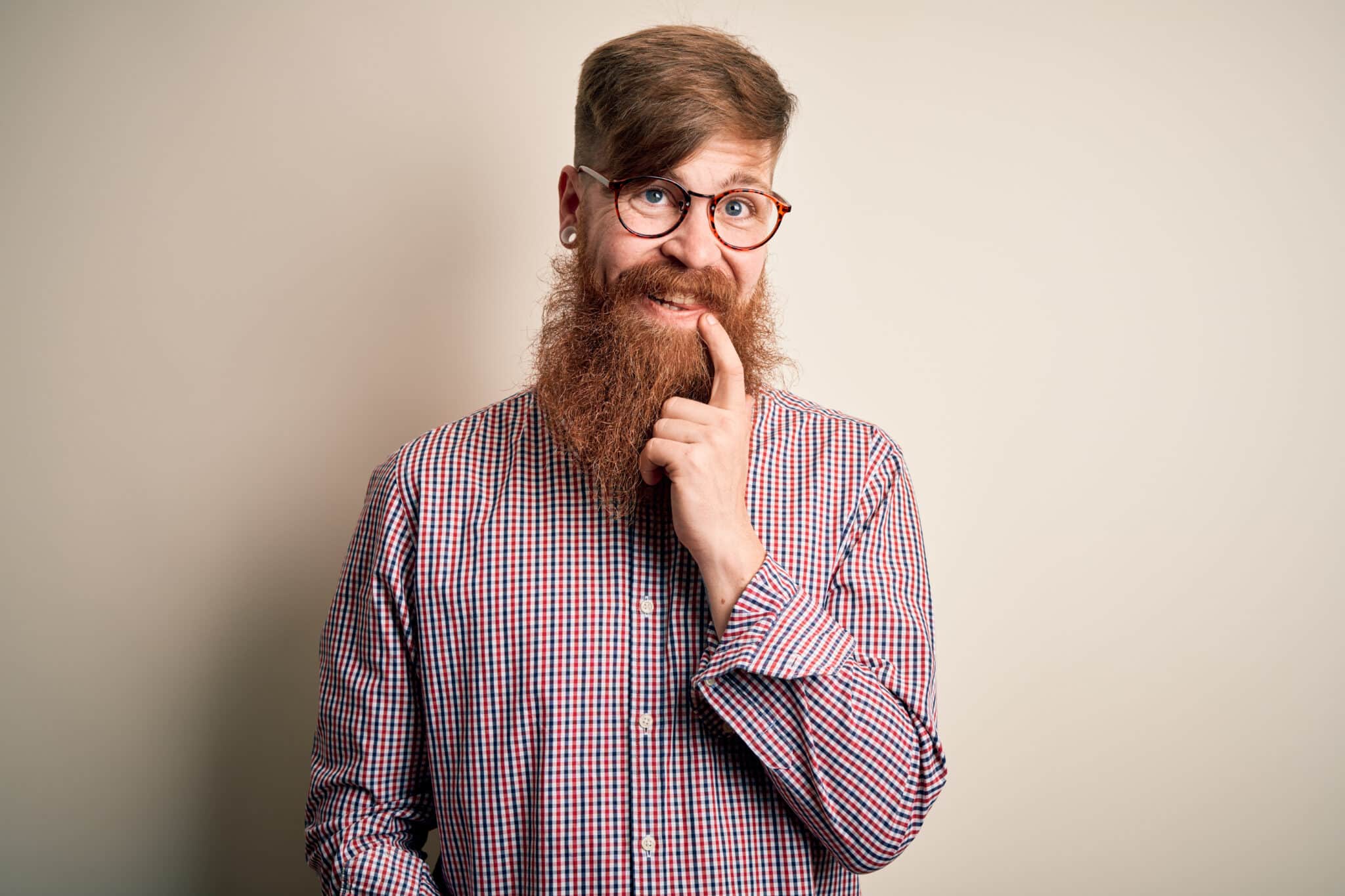
Beards host a dense and diverse microbial population, but with proper daily hygiene and grooming, they pose little health risk and may be healthier than previously thought, contrary to common beliefs that they are inherently unhygienic.