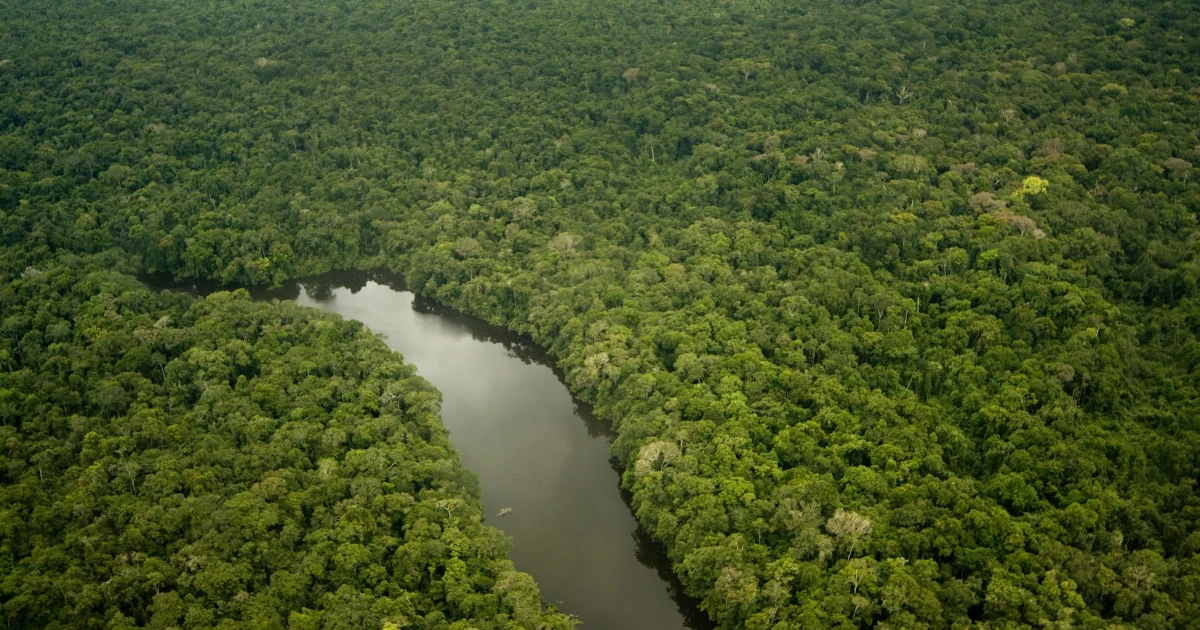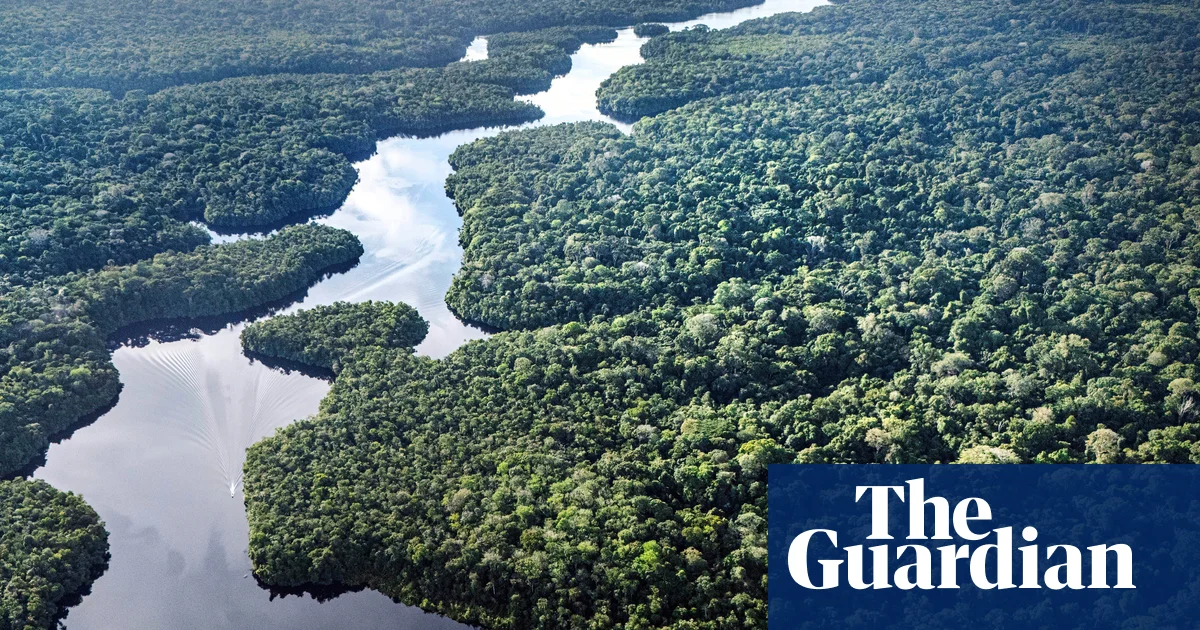
Brazil aims to position itself as an environmental leader by hosting COP30 in the Amazon, highlighting its renewable energy efforts and the importance of the rainforest in global climate stability, while facing ongoing challenges like deforestation, fossil fuel expansion, and political shifts that impact its environmental commitments.
The UN climate summit in Brazil faces challenges with the absence of major polluters like the U.S., China, and India, amid ongoing Amazon deforestation and Brazil's proposal for a multibillion-dollar fund to preserve forests. The summit aims to push for climate action and funding, but political and economic tensions, along with logistical issues, complicate progress.
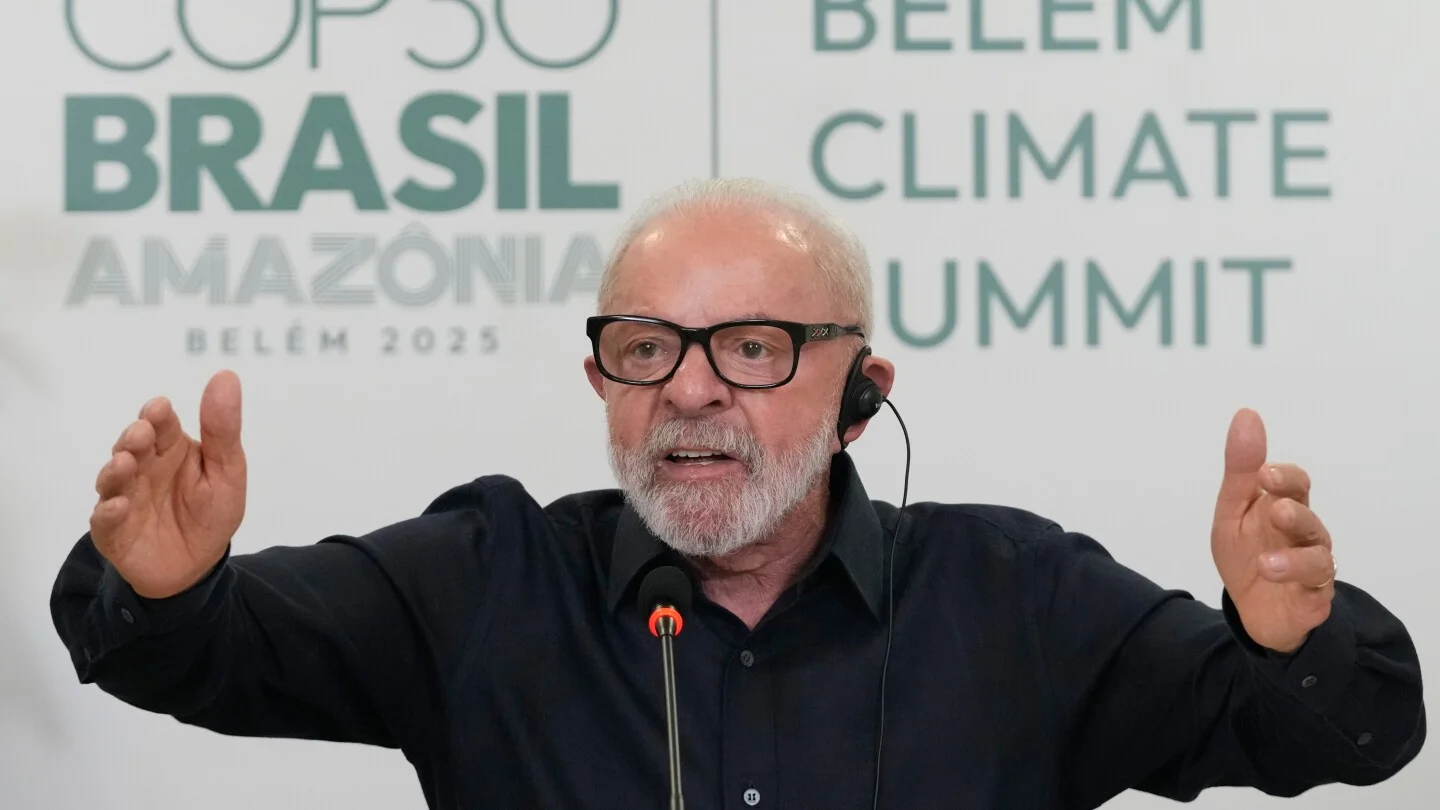
Brazil's President Lula proposed a new initiative, the Tropical Forests Forever Fund, to support rainforest preservation in over 70 developing countries through a permanent trust fund, aiming to generate significant private sector investment, and defended Brazil's recent oil exploration activities near the Amazon, emphasizing pragmatic environmental and economic strategies.
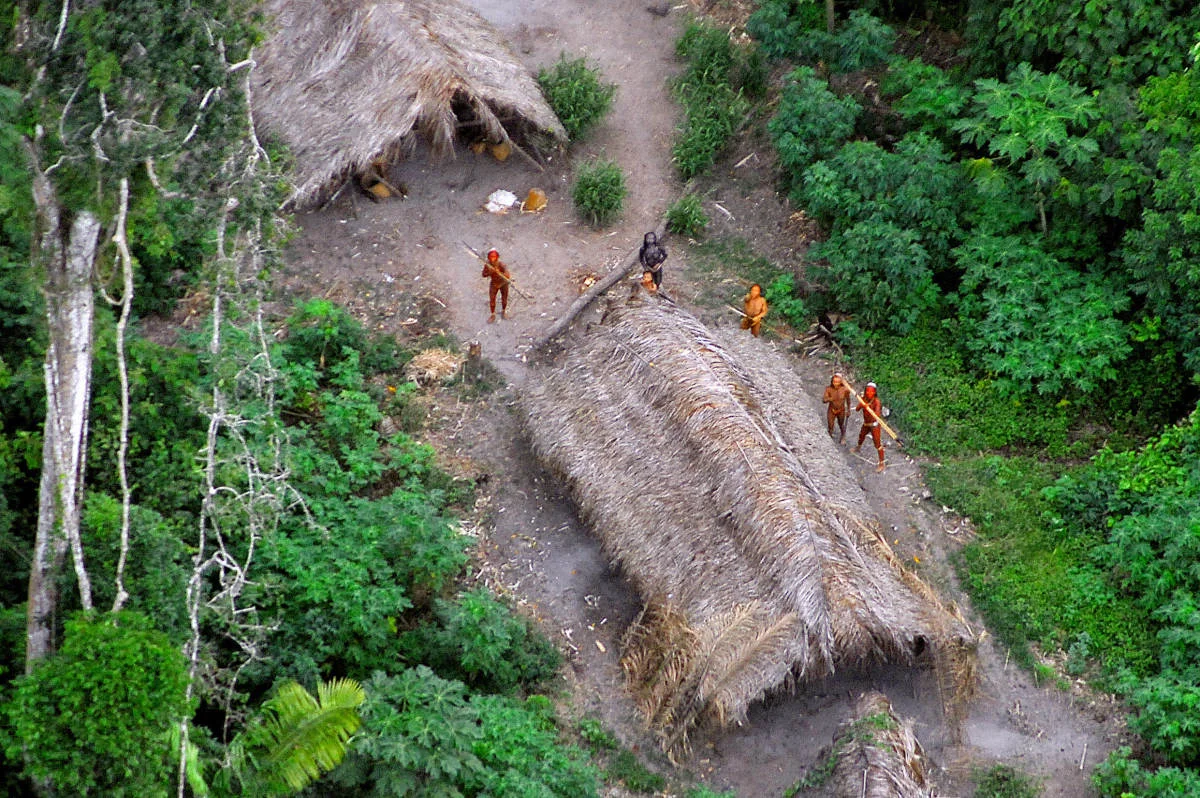
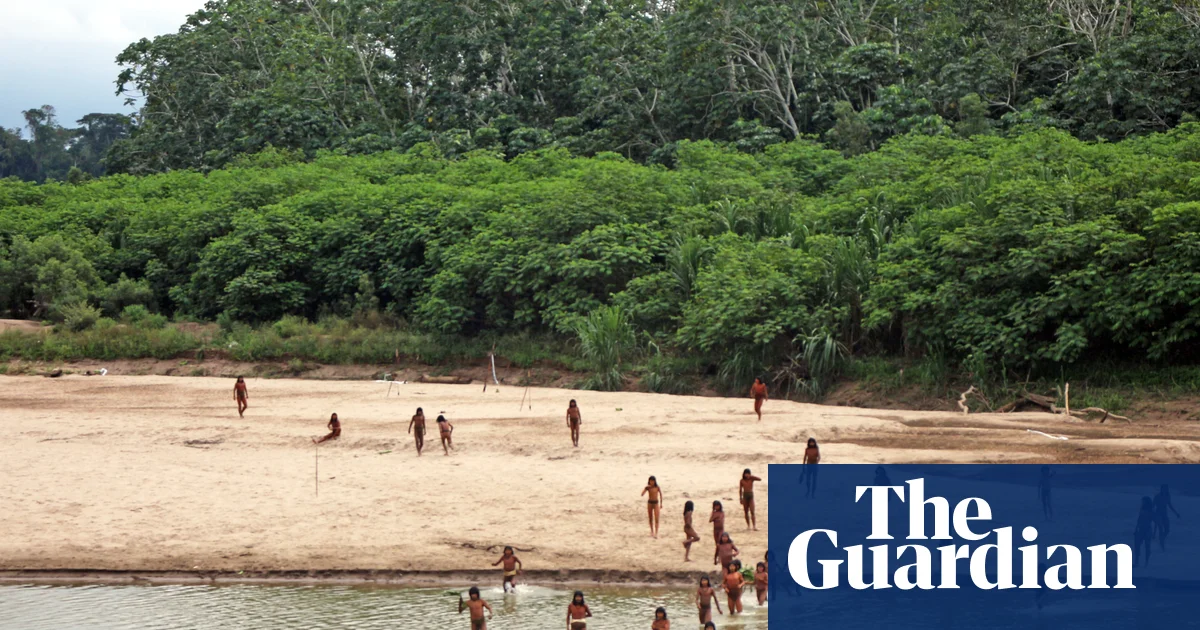
A new report warns that half of the world's uncontacted Indigenous tribes, primarily in the Amazon, could be wiped out within 10 years due to threats from logging, mining, and illegal activities, highlighting the urgent need for stronger protections and recognition of their territories.
A report by Survival International highlights the critical threats faced by 196 uncontacted Indigenous groups across South America, mainly in Brazil and Peru, due to industrial activities, illegal logging, mining, and political policies that weaken protections. These groups are at risk of extinction within a decade, and recent legal and political developments threaten their territories further, despite international and national efforts to protect them. The article calls for stronger action to defend these vulnerable populations and their lands amid ongoing environmental and political challenges.
Brazil's Petrobras has received approval to drill for oil near the Amazon River's mouth, sparking controversy as environmentalists criticize the move for threatening biodiversity and climate goals, especially with the upcoming Cop30 climate talks in Brazil.
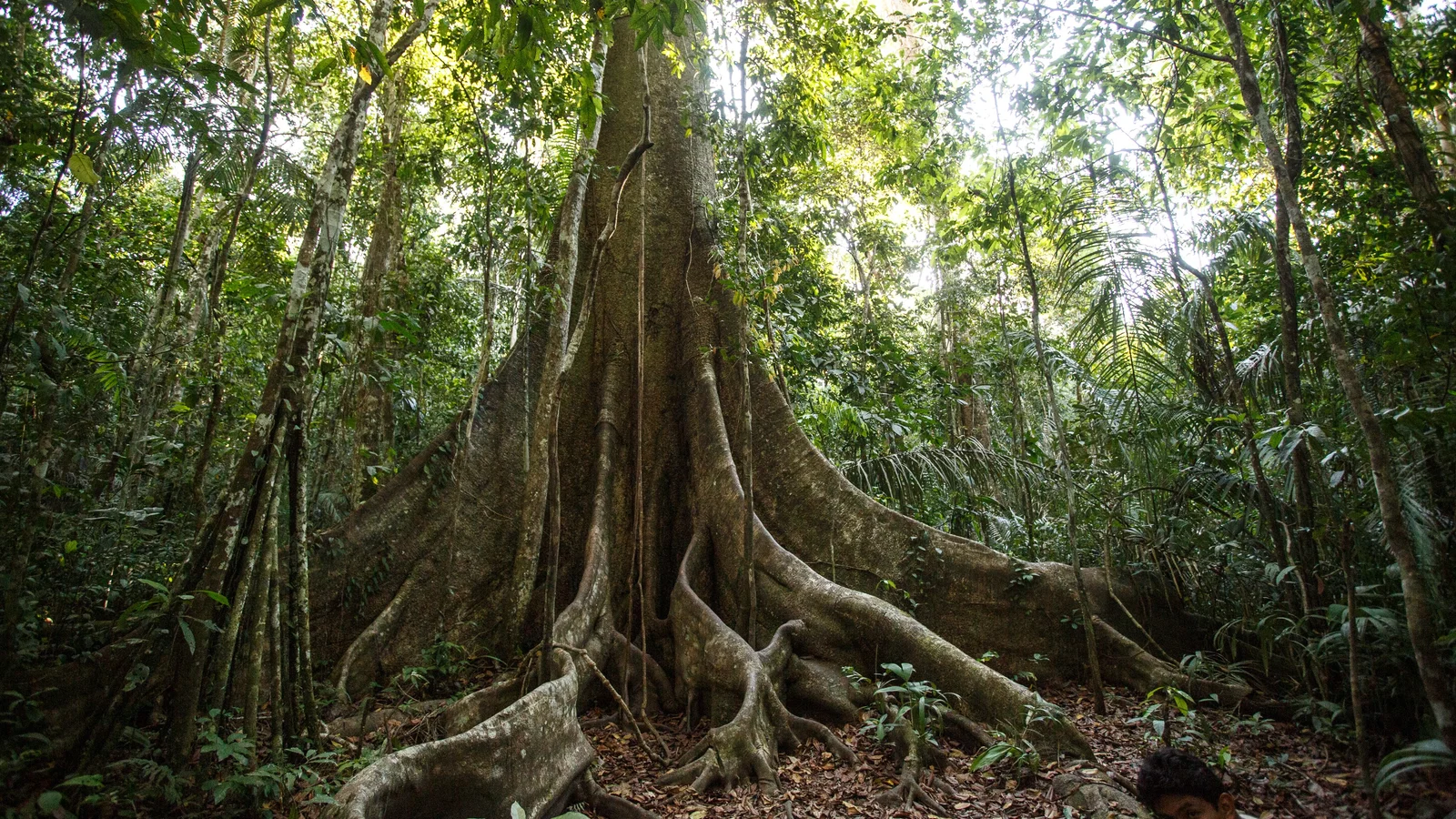
A recent study shows that the largest trees in the Amazon are growing taller and multiplying, likely due to increased atmospheric CO2, indicating resilience amid climate change. However, deforestation, fires, and droughts remain significant threats, and the forest's ability to offset global emissions is limited. Protecting intact forests is crucial to maintaining their role as a carbon sink and preventing ecological collapse.
A new study shows that Amazon rainforest trees are getting fatter due to increased CO2 levels, which enhances their growth and resilience, potentially strengthening their role as a carbon sink despite looming climate threats.
A new study shows that the Amazon's large trees are growing larger and more numerous, indicating greater climate resilience than previously thought, but ongoing deforestation and land use changes threaten this positive trend and the forest's ability to sequester carbon.
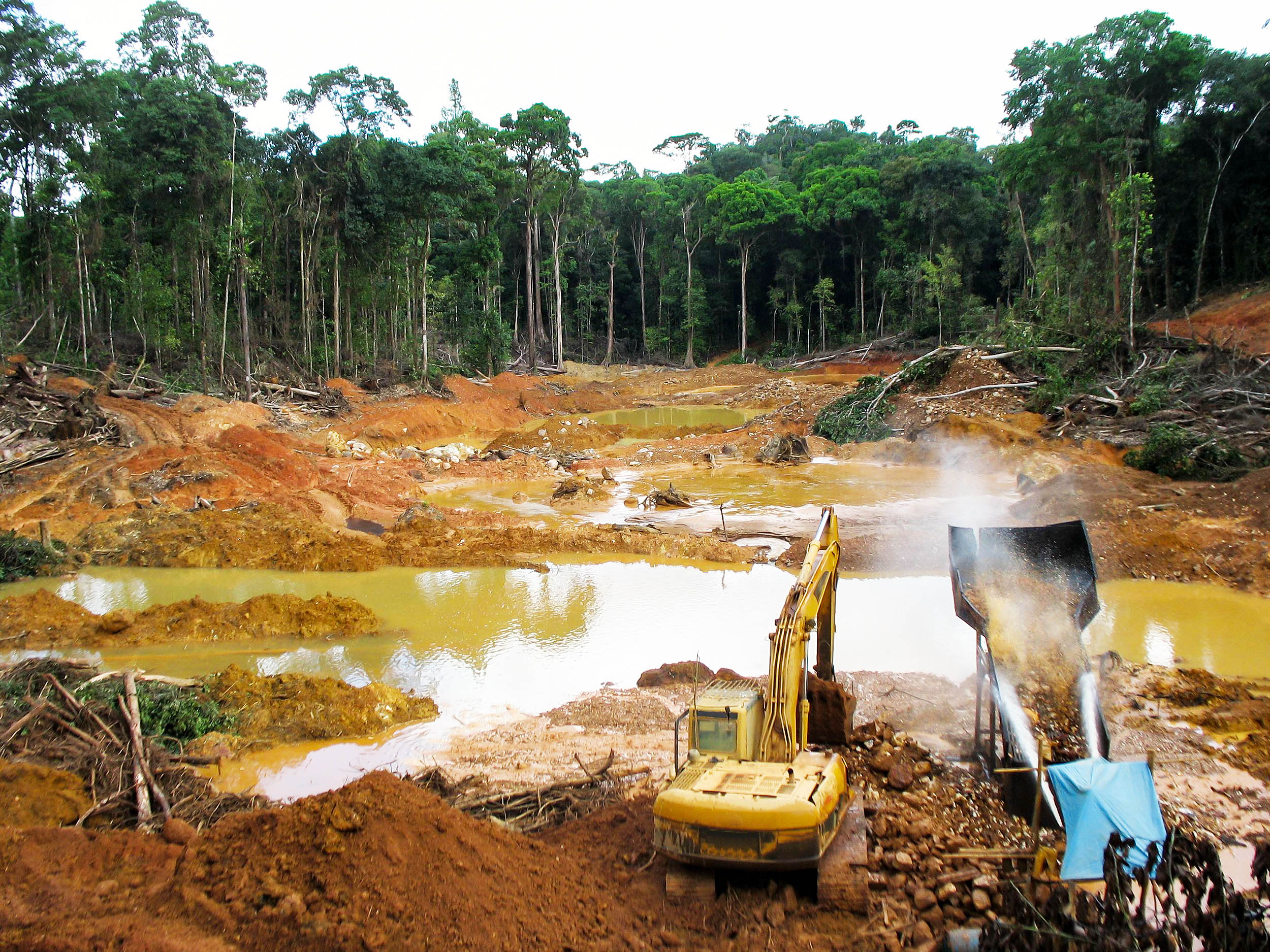
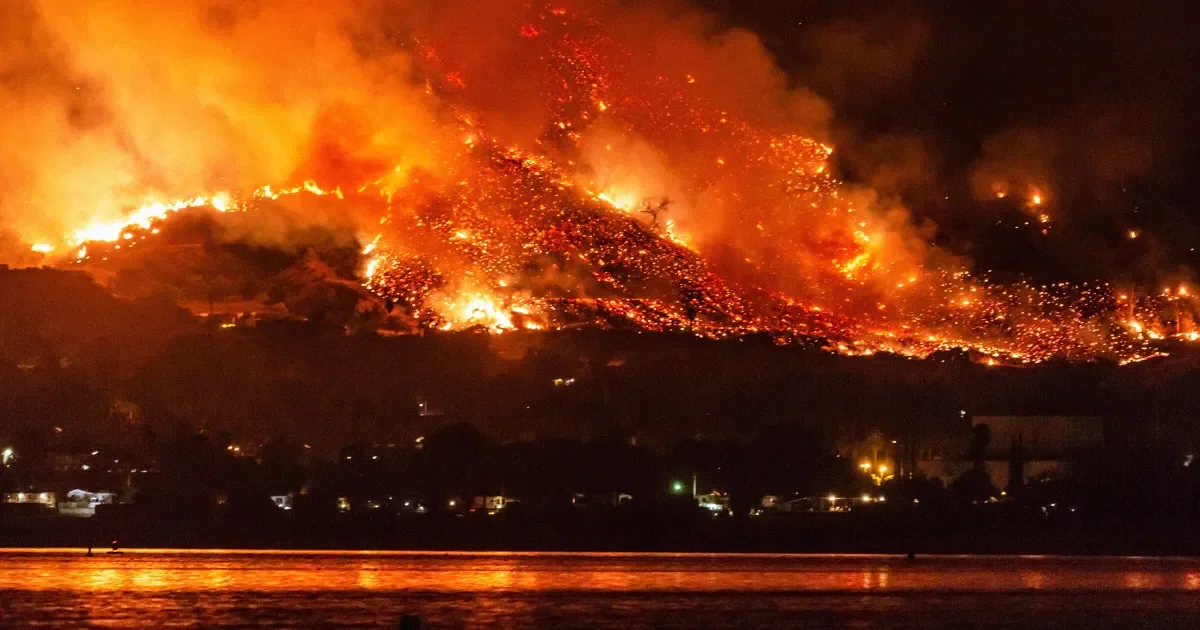
Gold mining in Peru's Amazon is rapidly destroying peatlands, which are crucial carbon sinks, leading to significant releases of stored carbon and threatening biodiversity, with potential emissions reaching millions of tons if current trends continue.
Researchers captured the first-ever footage of a black-coated jaguar mating with a spotted jaguar in the wild in the Brazilian Amazon, providing valuable insights into their courtship behaviors and highlighting the importance of understanding wild animal behaviors for conservation efforts.
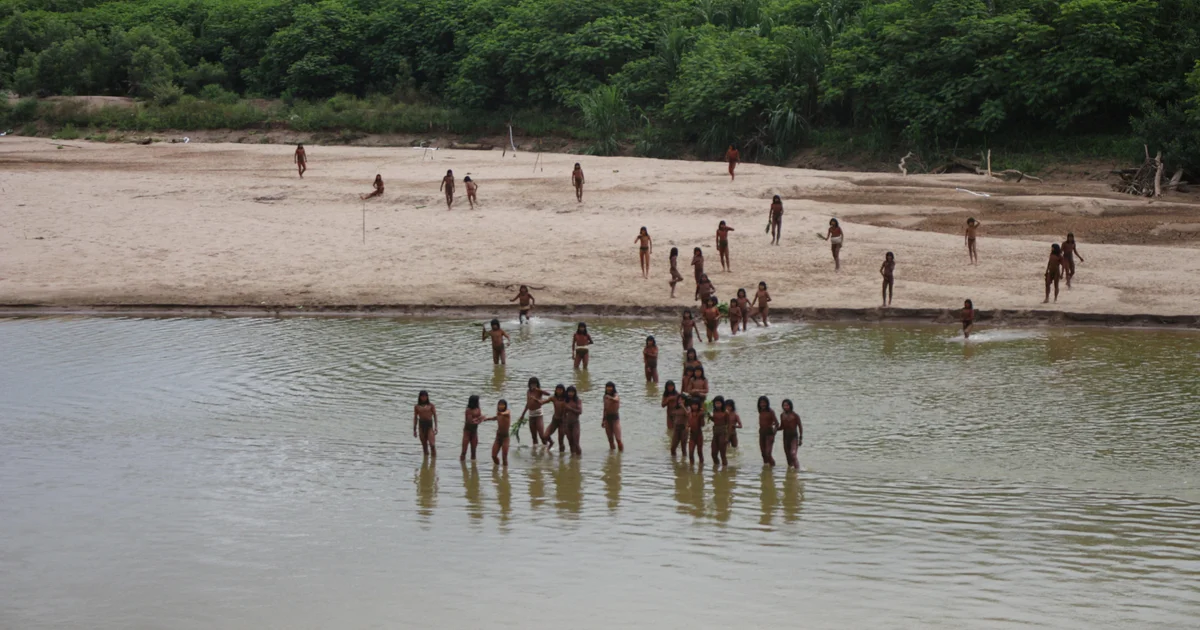
Members of the uncontacted Mashco Piro tribe in Peru's Amazon are entering neighboring villages amid increased logging activity and infrastructure development, raising concerns about their safety, health, and potential conflict with loggers, as activists warn that such encroachments threaten their existence and could lead to deadly clashes.
Many conservation projects in Brazil's Amazon, funded by global companies through carbon credits, are allegedly linked to illegal deforestation activities and fines by Brazilian authorities, raising concerns about the integrity of the voluntary carbon market and the effectiveness of environmental protections.
Seven ancient pre-Columbian funeral urns were discovered on human-made islands in the Brazilian Amazon, containing human bones, seeds, and animal remains, with their age and cultural origins still being studied. The urns were found after a tree fell, revealing their burial site, which was built by indigenous people to protect against floods. The discovery highlights the region's rich archaeological history and the importance of community involvement in uncovering it.
President Joe Biden recently visited Brazil to sign an "International Conservation Day" proclamation aimed at protecting the Amazon rainforest. During his visit, a viral meme emerged depicting Biden seemingly disappearing into the rainforest after delivering a speech, humorously suggesting he's completing "sidequests" in his final months as President.