A study finds that increased atmospheric CO2 makes food more caloric but less nutritious and potentially more toxic, with significant drops in essential nutrients like zinc and iron, raising concerns about future food quality and health impacts.

MIT scientists have enhanced the efficiency of rubisco, a key enzyme in photosynthesis, by up to 25% using continuous directed evolution, which could lead to faster-growing crops and improved plant efficiency, benefiting food production and climate efforts.
Scientists have discovered key regulatory changes that could enable the shift from C3 to C4 photosynthesis in plants, potentially enhancing crop yields and resilience in a warming world. This research, published in Nature, highlights the possibility of genetically modifying C3 crops like rice to adopt the more efficient C4 photosynthesis, which could significantly improve agricultural productivity and sustainability. The findings are part of a broader effort to develop crops that can better withstand climate change.
Researchers suggest that natural predators such as birds, beetles, and bugs could serve as an effective alternative to chemical pesticides in controlling crop-devouring pests, reducing pest populations by over 70% and increasing crop yields by 25%. The study emphasizes the importance of maintaining these natural predators to ensure pest control in the face of imminent climate change, highlighting the potential damage caused by pesticides to ecosystems and human health. The findings also indicate that a single species of natural predator can be as effective as multiple species, with climate change expected to impact pest dynamics and crop yield.
A study published in Nature Food reveals that potassium deficiency in agricultural soils poses a significant threat to global food security, with more potassium being removed from soils than added in many regions. This depletion can inhibit plant growth and reduce crop yields, affecting food supplies for millions of people. The researchers recommend policies and practices to address this issue, including global assessment of potassium stocks, monitoring and responding to price fluctuations, sustainable application practices, and intergovernmental cooperation to develop global policy coordination.
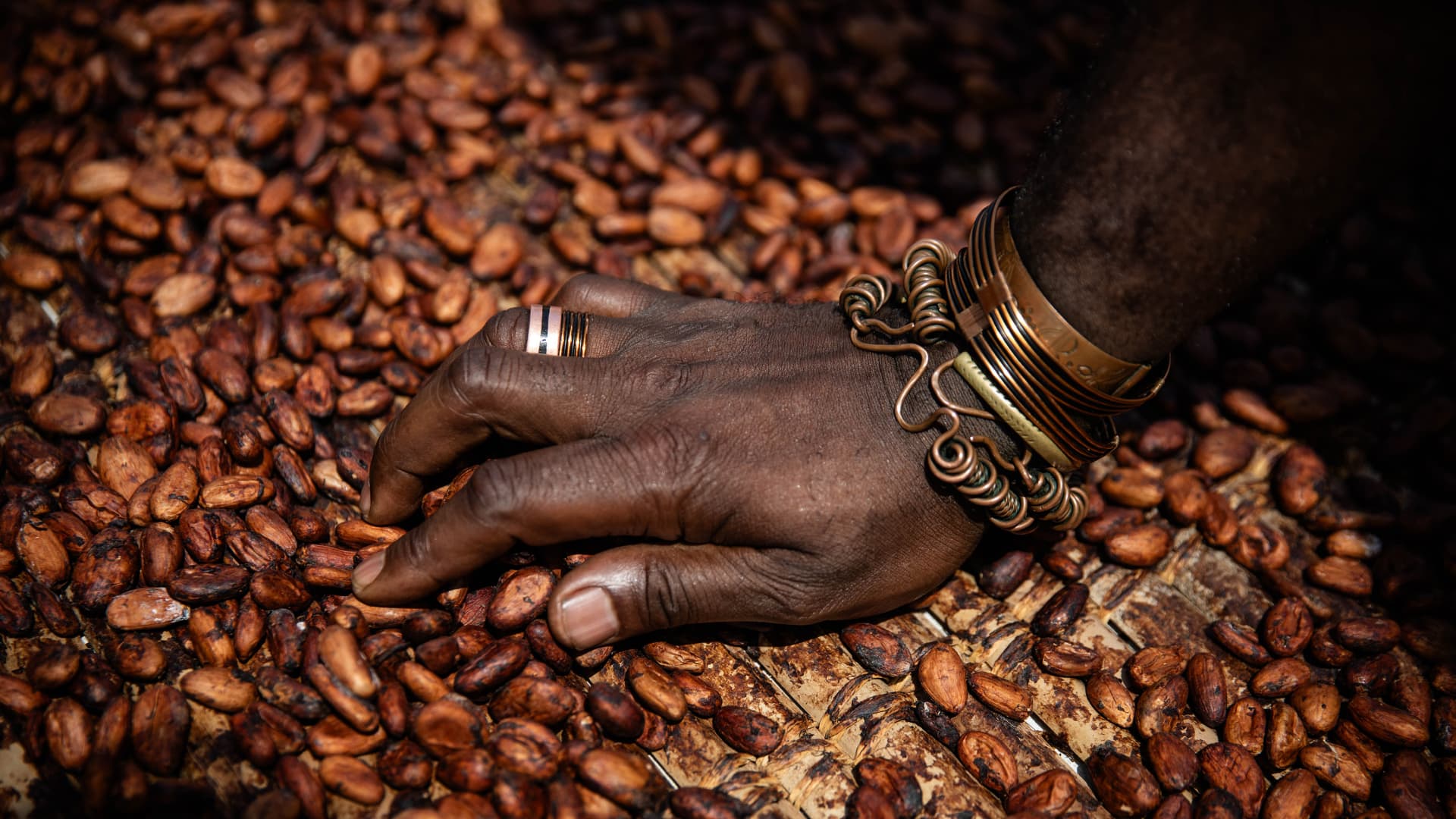
Cocoa prices have reached all-time highs due to poor weather conditions affecting crop yields in West Africa, with futures prices surging over 40% since the beginning of the year. The El Nino weather phenomenon has led to drier temperatures in Ghana and Ivory Coast, the world's top cocoa producers, causing a significant impact on potential yields. Hershey CEO Michele Buck stated that the company's earnings growth will be flat this year due to historically high cocoa prices, but they have a hedging strategy and price visibility into 2024 to manage the challenge.
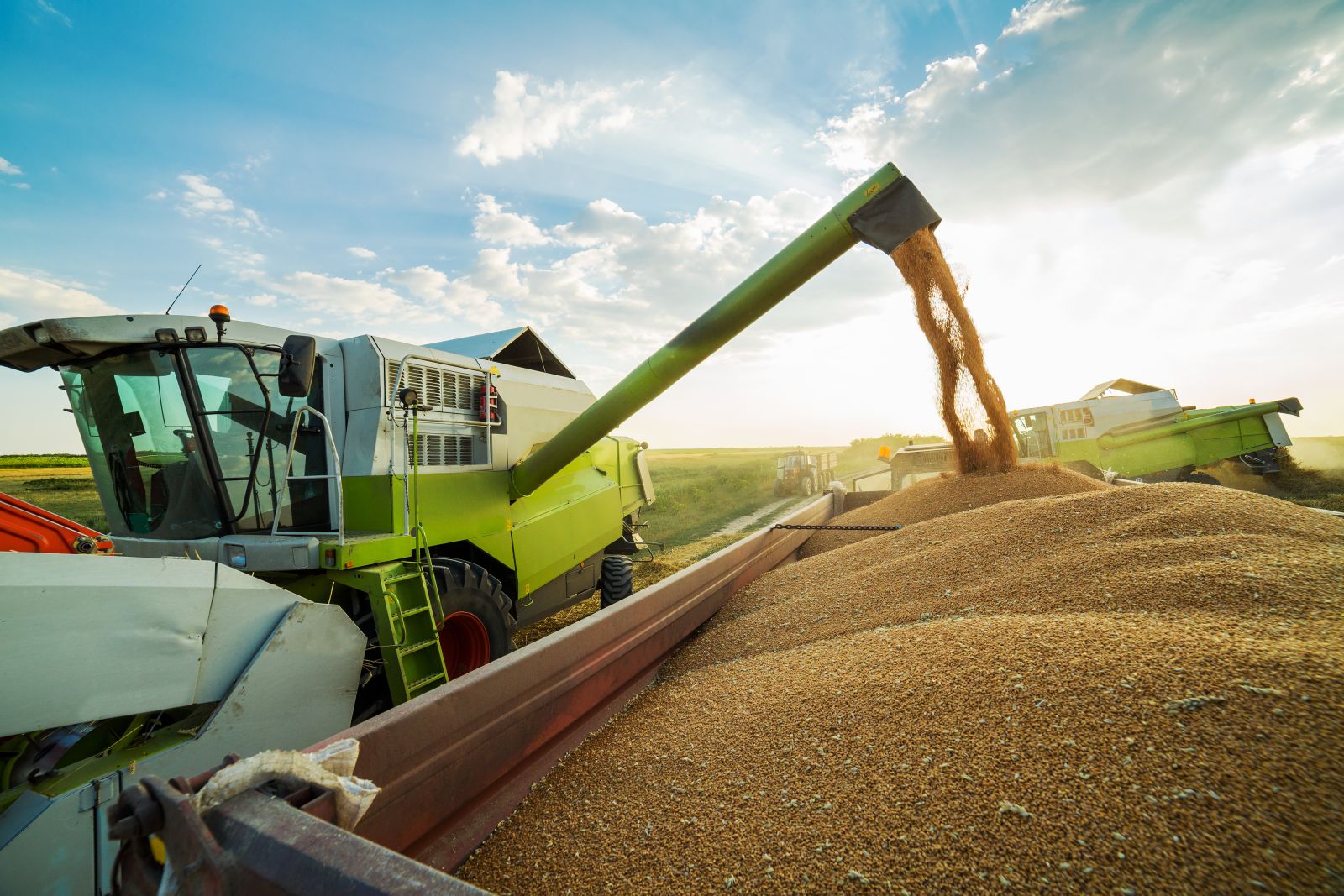
Corn prices may face a seasonal sell-off due to favorable weather conditions and higher crop yields, leading to an increase in supply. The demand for corn is expected to remain stable, but the market may experience a short-term dip in prices.