Tag

Decomposition

All articles tagged with #decomposition

The Science of Space Decomposition: What Happens to a Body?

Originally Published 1 year ago — by The Daily Galaxy --Great Discoveries Channel

Featured image for The Science of Space Decomposition: What Happens to a Body?
Source: The Daily Galaxy --Great Discoveries Channel

Decomposition in space differs significantly from Earth due to the absence of oxygen, extreme temperatures, and cosmic radiation, which slow down the process and can preserve bodies for extended periods. Bacterial activity is limited without oxygen, and the vacuum of space alters cellular processes. The location in space, such as low Earth orbit versus deep space, affects decomposition rates due to varying environmental conditions. Understanding these processes is crucial for managing space debris and addressing ethical considerations for human remains in space exploration.


Hospice Nurse Shares Insights on Post-Mortem Changes

Originally Published 1 year ago — by Daily Mail

Featured image for Hospice Nurse Shares Insights on Post-Mortem Changes
Source: Daily Mail

Hospice Nurse Julie aims to demystify the process of dying by educating the public on what happens to the human body after death. Through her YouTube channel, she explains the stages of decomposition, including hypostasis, autolysis, rigor mortis, and putrefaction. Julie emphasizes the naturalness of these processes, highlighting the body's relaxation, temperature changes, and eventual breakdown. Her goal is to reduce fear and stigma around death by providing clear, factual information.

Spain Grapples with Deadly Floods and Health Concerns Amidst Political Tensions

Originally Published 1 year ago — by Barron's

Featured image for Spain Grapples with Deadly Floods and Health Concerns Amidst Political Tensions
Source: Barron's

In southeastern Spain, the aftermath of severe flooding has left towns submerged in mud and stagnant water, causing a foul stench and raising health concerns. The decomposition of organic matter, including dead animals, is producing a variety of unpleasant odors. While health officials have not reported any outbreaks, they warn of potential gastrointestinal and respiratory issues. Residents are wearing masks and gloves during cleanup efforts, and protests are planned against the perceived inadequate response by authorities.

Whale Carcass Left to Decompose on Fife Beach for Nine Months

Originally Published 1 year ago — by BBC.com

Featured image for Whale Carcass Left to Decompose on Fife Beach for Nine Months
Source: BBC.com

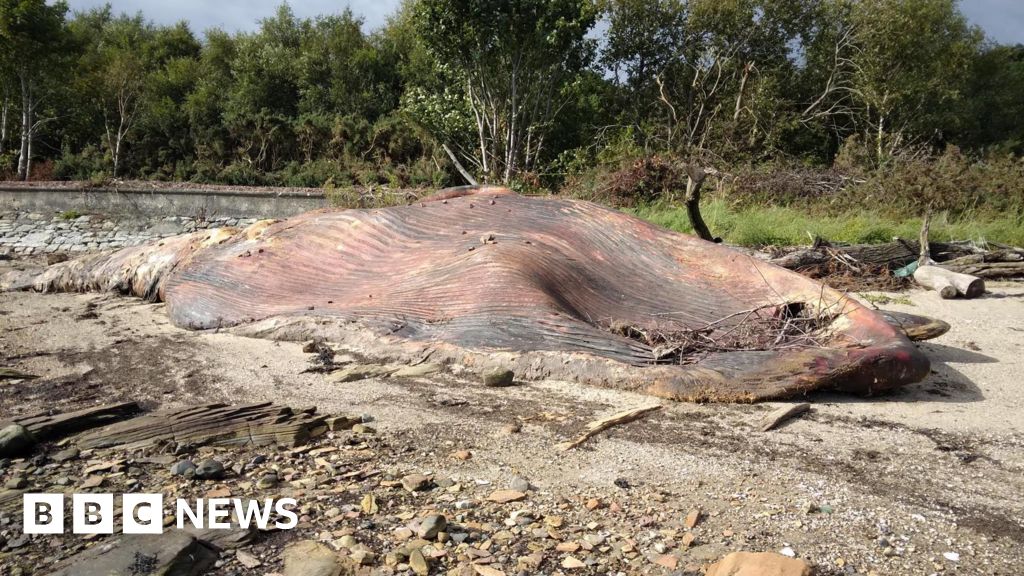
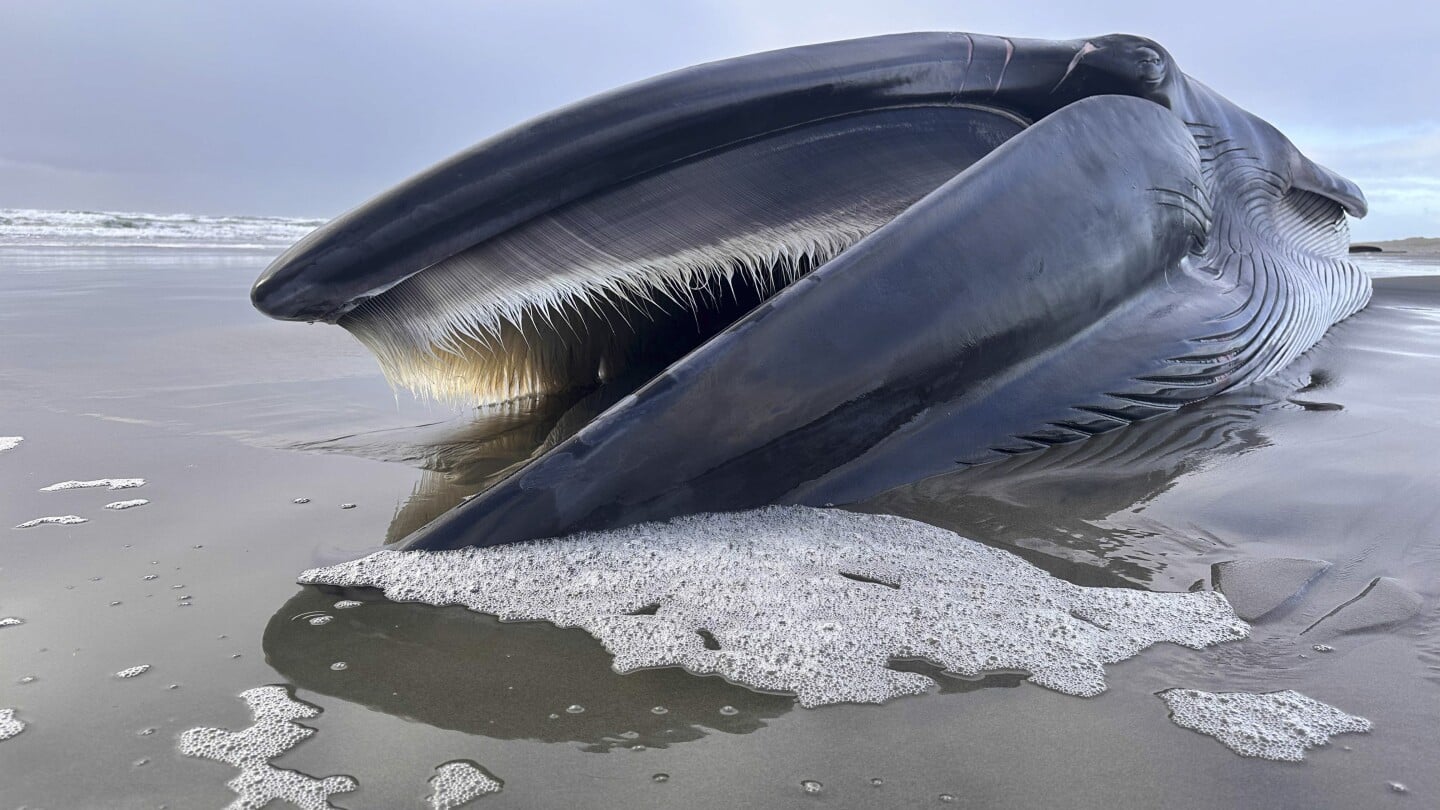
A dead fin whale that washed ashore near Culross, Fife, in January is being left to decompose naturally, serving as a food source for local wildlife. The Fife Coast and Countryside Trust decided against moving the carcass due to its location and potential disruption. While the whale is in advanced decomposition stages, some local residents have complained about the smell. Authorities have warned the public to avoid crossing the railway line to view the carcass.

"The Remarkable Preservation of Dinosaur Bones: Unraveling the Mystery"

Originally Published 1 year ago — by IFLScience

Featured image for "The Remarkable Preservation of Dinosaur Bones: Unraveling the Mystery"
Source: IFLScience

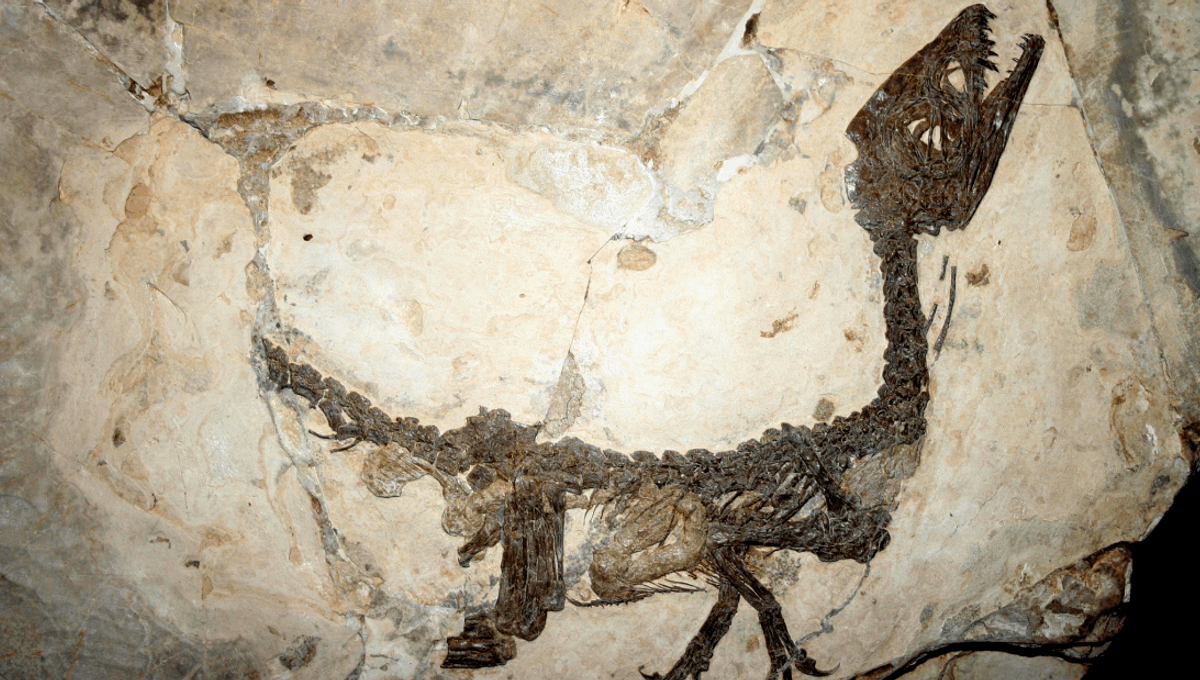
Fossilized dinosaur bones can endure for millions of years due to fossilization, where the animal is quickly encased in sediment and minerals replace organic materials within the bone. Soft tissues typically decompose fairly quickly, and the decomposition ecosystem plays a role in breaking down animal remains. Fossils can be any trace or remains of past life, not just bones, and animal bones eventually decompose after several years.

"The Universal Microbial Network of Decomposing Bodies"

Originally Published 1 year ago — by UNILAD

Featured image for "The Universal Microbial Network of Decomposing Bodies"
Source: UNILAD

A recent study on decomposing bodies found that human flesh contains rare but consistently present bacteria and fungal decomposers, regardless of location, climate, or season. The study, which buried 36 bodies in different locations, revealed that the decomposition process and the selection of microbes remain consistent. Researchers hope these findings will enhance understanding of ecosystem function, aid forensic science in determining time of death, and contribute to modeling carbon and nutrient budgets in both human and animal corpses.

"The Fate of a Corpse in Outer Space"

Originally Published 1 year ago — by Livescience.com

Featured image for "The Fate of a Corpse in Outer Space"
Source: Livescience.com

If an astronaut were to die in space and their body were released, it would undergo a series of changes. In the vacuum of space, bodily fluids would vaporize, and the remaining water would freeze, preserving the body in a mummified state. Bacteria could survive and begin to digest the body, and powerful radiation would cause further degradation. The body would orbit in space and could potentially collide with space debris, but eventually, it would be drawn back to Earth by gravity and burn up upon reentry. NASA is developing procedures for handling mortality in space, including the possibility of space burial and the use of a body bag to preserve remains.

"The Microbial Signature of Death: Uncovering Clues for Forensic Science"

Originally Published 1 year ago — by indy100

Featured image for "The Microbial Signature of Death: Uncovering Clues for Forensic Science"
Source: indy100

New research published in Nature Microbiology reveals that all corpses share similarities in microbial networks regardless of their origin, as they contain bacteria and fungal decomposers essential to the natural world. The study, which involved burying 36 donated corpses in different locations, found that all samples featured the same selection of microbes, suggesting that insects could play a role in carrying these microbes to decomposing human and animal remains. This discovery sheds light on the intricate ecosystem of decomposition and its role in plant production.

"Endangered Fin Whale Found Dead on Oregon Beach Left to Decompose"

Originally Published 1 year ago — by The Associated Press

Featured image for "Endangered Fin Whale Found Dead on Oregon Beach Left to Decompose"
Source: The Associated Press

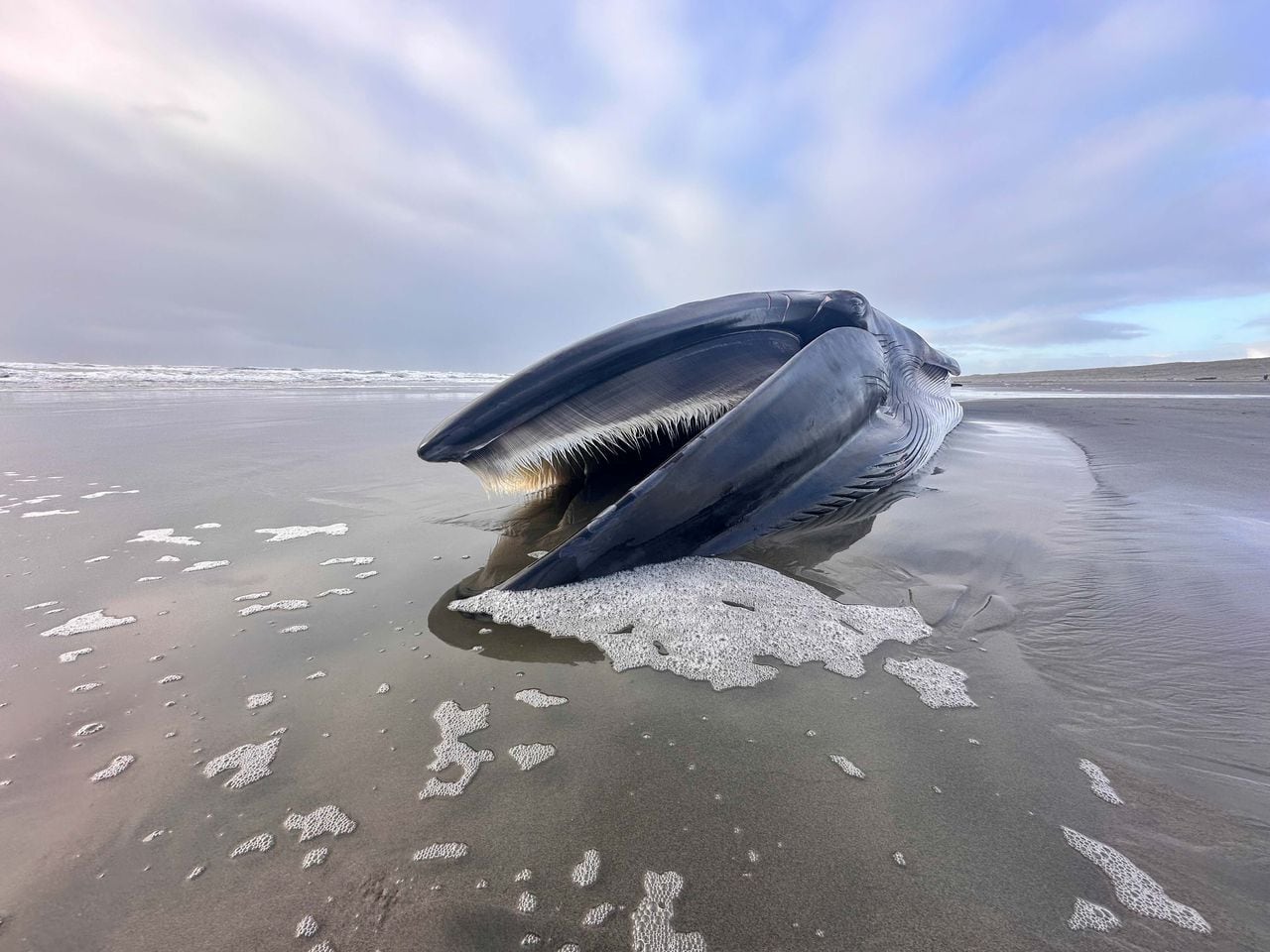
A 46-foot fin whale washed ashore on an Oregon beach, providing a rare educational opportunity as it decomposes, though caution is advised due to potential disease transmission. The whale, entangled in rope before someone removed it, was not killed by the entanglement. A necropsy will determine the cause of death, and the natural decomposition process will provide nutrients to the local environment. This approach contrasts with a 1970 incident where officials used dynamite to dispose of a beached whale, causing widespread damage.

"Uncovering the Microbial Secrets of Decomposing Corpses for Forensic Science"

Originally Published 1 year ago — by Livescience.com

Featured image for "Uncovering the Microbial Secrets of Decomposing Corpses for Forensic Science"
Source: Livescience.com

A study published in Nature Microbiology reveals that the microbiome of decomposing human corpses contains a consistent profile of around 20 key decomposers, regardless of location, climate, or season. These microbes, a mix of bacteria and fungi, appear in a wave-like fashion during the 21-day decomposition period, and a machine learning model using their abundances can calculate the postmortem interval with high accuracy. The findings could aid forensic investigations, although further research is needed for real-world application, especially in scenarios such as buried or submerged bodies.

"Endangered 46-Foot Whale Washes Up on Oregon Coast, Experts to Monitor Natural Decomposition"

Originally Published 1 year ago — by OregonLive

Featured image for "Endangered 46-Foot Whale Washes Up on Oregon Coast, Experts to Monitor Natural Decomposition"
Source: OregonLive

A 46-foot fin whale found dead on the Oregon coast will be left to decompose, providing a nutrient boost for the environment and food for scavengers. Beachgoers are warned not to touch the carcass due to potential disease transmission, and interfering with stranded whales can compromise research efforts. A necropsy revealed fresh wounds from orcas and severe underweight, with final results expected in several weeks. This is the first stranded fin whale on the Oregon coast in at least 10 years, contributing to a larger trend of declining whale populations on the West Coast and Alaska.

"The Conserved Microbial Network in Decomposing Bodies: Transforming Forensic Science"

Originally Published 1 year ago — by indy100

Featured image for "The Conserved Microbial Network in Decomposing Bodies: Transforming Forensic Science"
Source: indy100

Scientists have discovered that all corpses share similarities in microbial networks regardless of their origin, as revealed by new research published in Nature Microbiology. The study involved burying 36 donated corpses in different locations, all of which exhibited the same selection of microbes during decomposition. These microbes play a crucial role in the natural world by breaking down corpses and contributing to the "decomposition ecosystem."

"Conserved Microbial Network Unveils Clues for Forensic Science"

Originally Published 1 year ago — by Nature.com

Featured image for "Conserved Microbial Network Unveils Clues for Forensic Science"
Source: Nature.com

Researchers have discovered a universal network of microbes that respond to cadaver decomposition, despite variations in climate, location, and season. The study used multi-omic data to reveal that a conserved interdomain soil microbial decomposer network assembles in response to mammalian remains, with evidence of increased metabolic efficiencies to process lipid- and protein-rich compounds. Key members of the microbial decomposer network are associated with various mammalian carrion, suggesting that they are not human-specific. The findings have implications for forensic science, agriculture, sustainability, and the human death care industry.

"Universal Microbial Network Unveiled in Decomposing Corpses"

Originally Published 1 year ago — by Ars Technica

Featured image for "Universal Microbial Network Unveiled in Decomposing Corpses"
Source: Ars Technica

Forensic scientists have identified a "universal network" of around 20 microbes that drive the decomposition of dead animal flesh, providing valuable clues for determining the time of death of human remains. The study, funded by the National Institute of Justice, conducted outdoor experiments on 36 human cadavers at different facilities and found that these microbes exhibited predictable patterns regardless of outdoor variables. The research could help improve the accuracy of estimating the time of death and aid in forensic investigations, potentially leading to better predictive models for time of death based on microbial activity.

"The Science Behind Using Urine to Accelerate Tree Stump Decay"

Originally Published 1 year ago — by House Digest

Featured image for "The Science Behind Using Urine to Accelerate Tree Stump Decay"
Source: House Digest

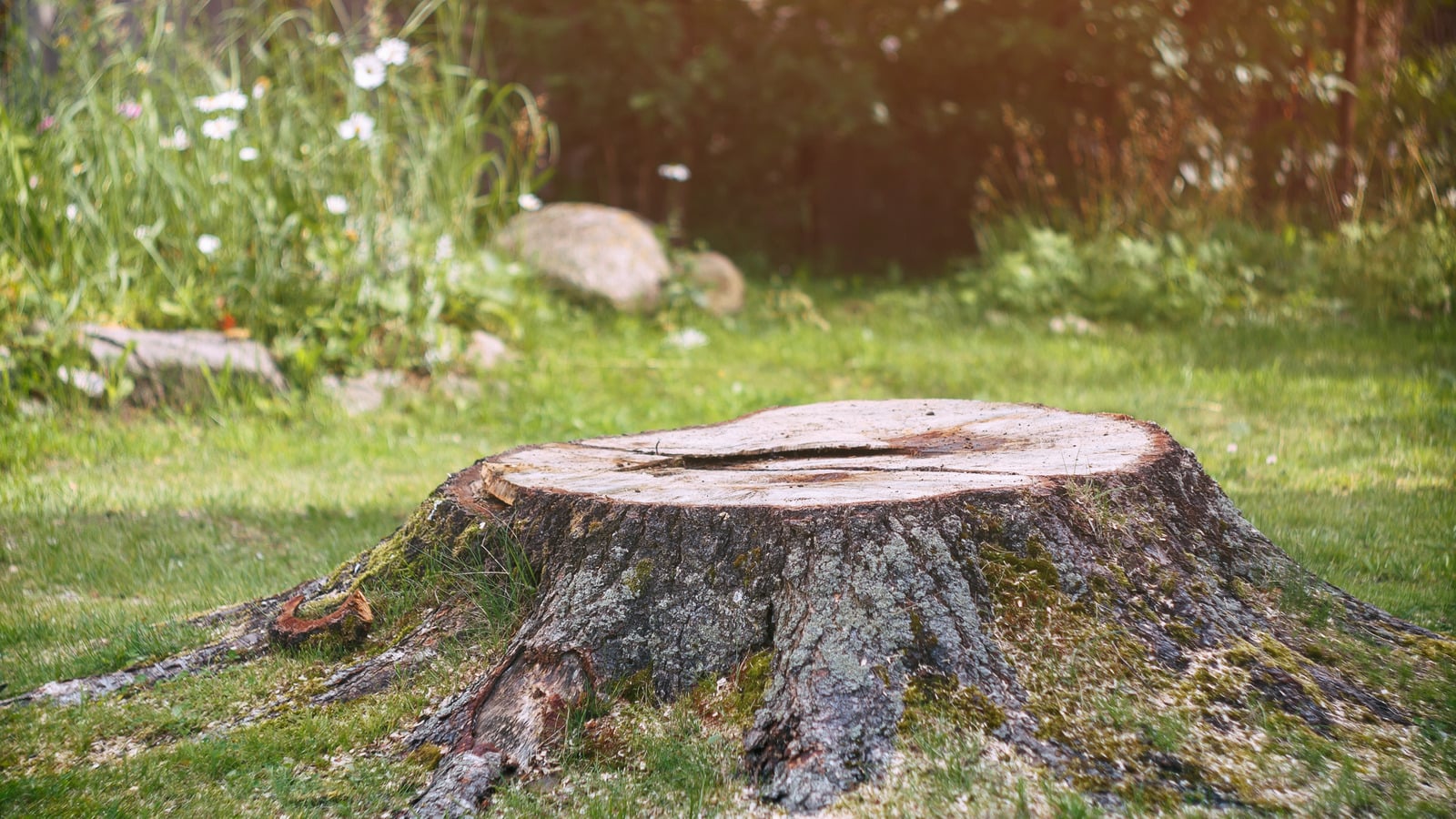
Urine can indeed help a tree stump rot faster due to its nitrogen content, which aids in speeding up the decomposition process by feeding the decay fungi and microbes. To use urine effectively, make significant cuts across the base of the stump, drill deep holes, fill the holes, cover the top of the stump with soil and compost, and douse it with urine daily. This method, although not the fastest, can take a few months to a few years depending on the size of the stump, and has been successful for many.