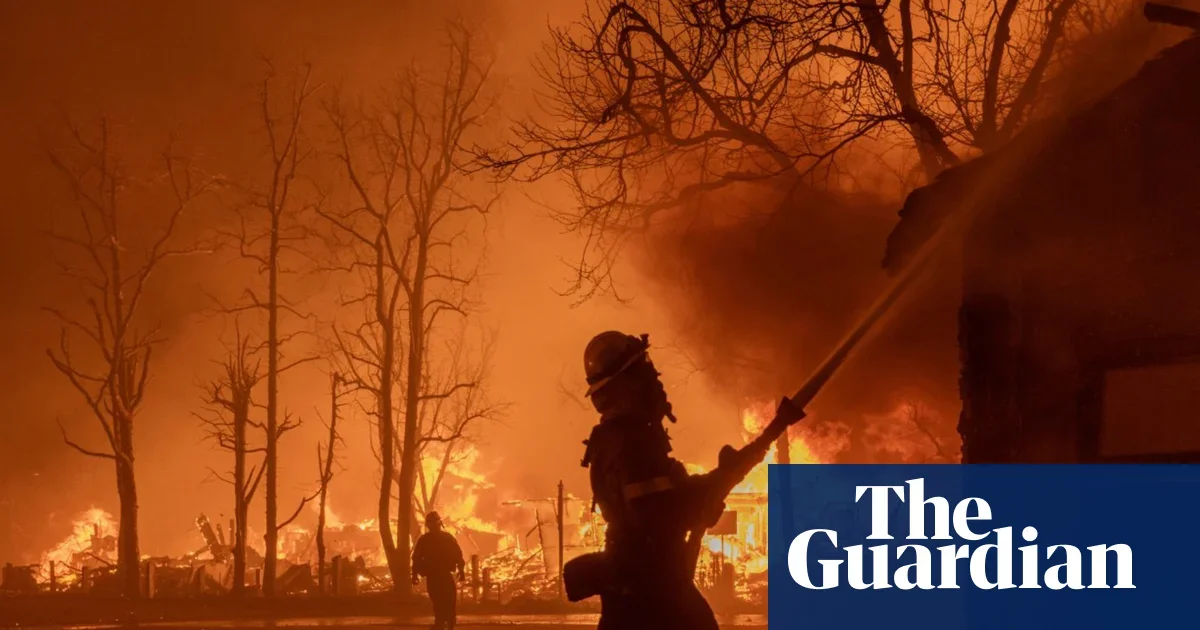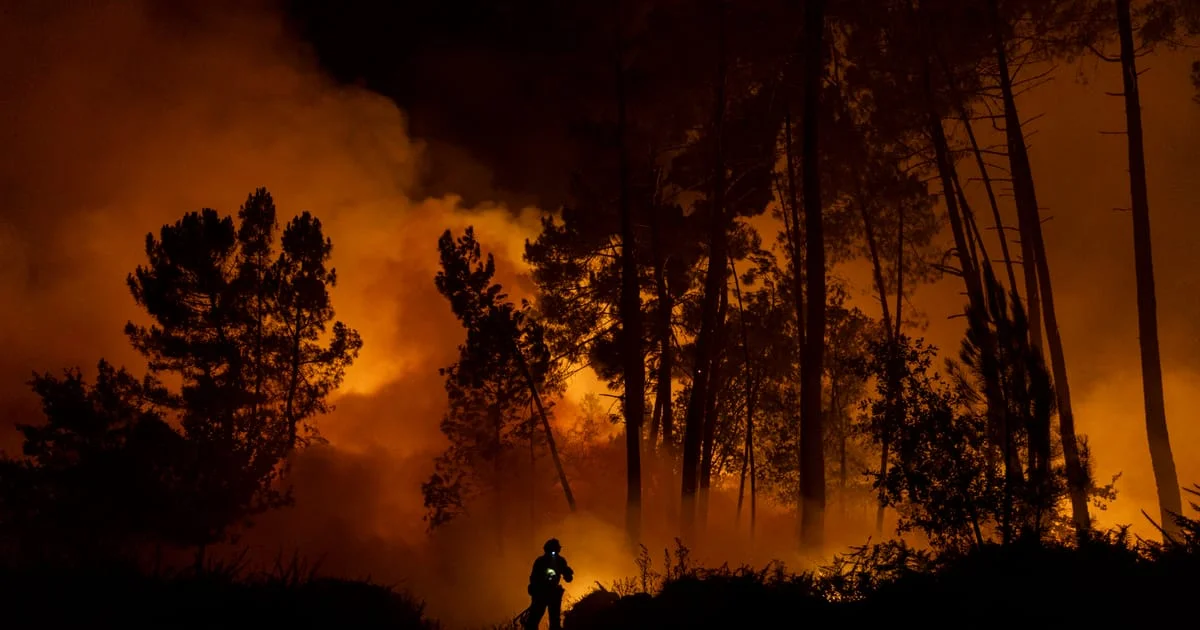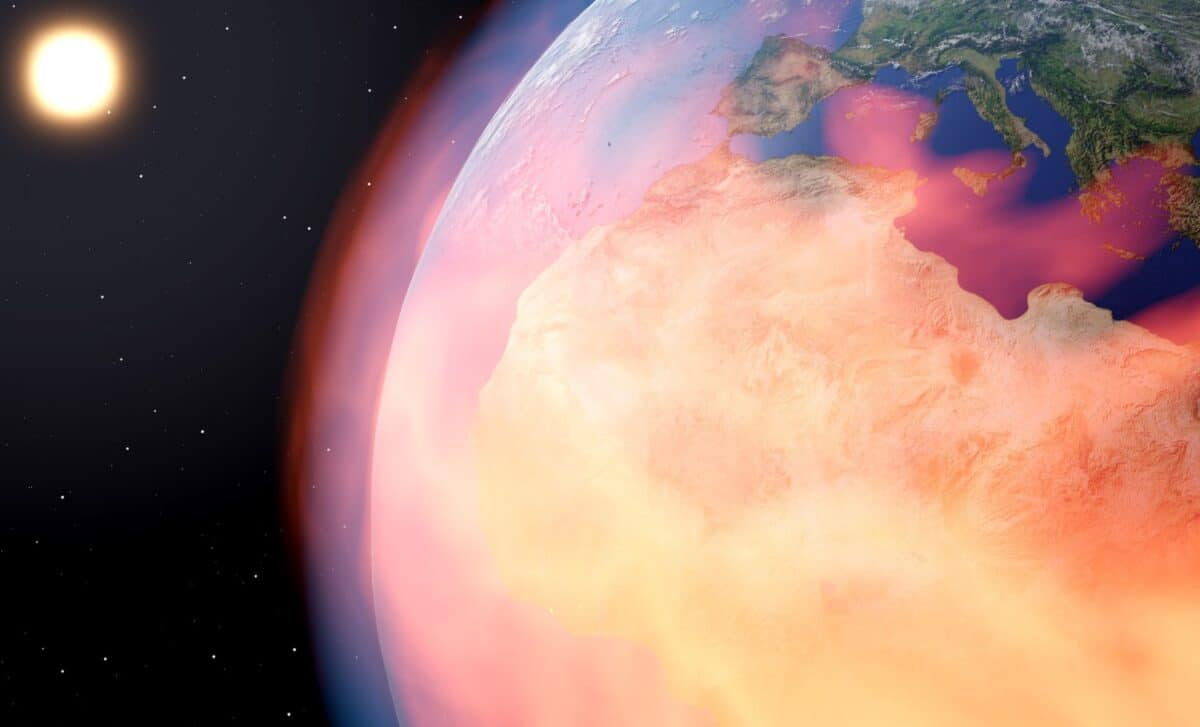
In 2025, Earth's oceans reached a record-high heat content, absorbing 23 Zetta Joules of energy, which accelerates climate change impacts such as stronger storms, rising sea levels, and more extreme weather events, with uneven warming across regions fueling unpredictable weather patterns.
In 2025, the world's oceans absorbed record amounts of heat, intensifying climate disasters such as hurricanes, floods, and marine heatwaves, and contributing to sea level rise. This ongoing ocean warming, which is likely the hottest in at least 1,000 years, underscores the urgent need to reduce emissions to mitigate future climate impacts.
Iceland recorded its hottest Christmas Eve ever at 19.8°C due to warm tropical air and high pressure systems, highlighting the impacts of global warming, which has led to record heatwaves, melting glaciers, and the appearance of mosquitoes in the country.
Scientists report that 2025 was one of the three hottest years on record, surpassing the critical 1.5°C warming threshold set by the Paris Agreement, largely due to human activities like burning fossil fuels, leading to severe weather events and increased climate risks worldwide.
Despite a global boom in clean energy investments, 2025 saw significant setbacks in climate policies, led by the US and influenced by political shifts, which threaten to overshoot the Paris Agreement's temperature targets and exacerbate climate change impacts.
Scientists report that 2025 was one of the three hottest years on record, with climate change driven by human activities, especially fossil fuel burning, leading to severe weather events and surpassing the 1.5°C warming threshold set by the Paris Agreement, highlighting the urgent need for global action.
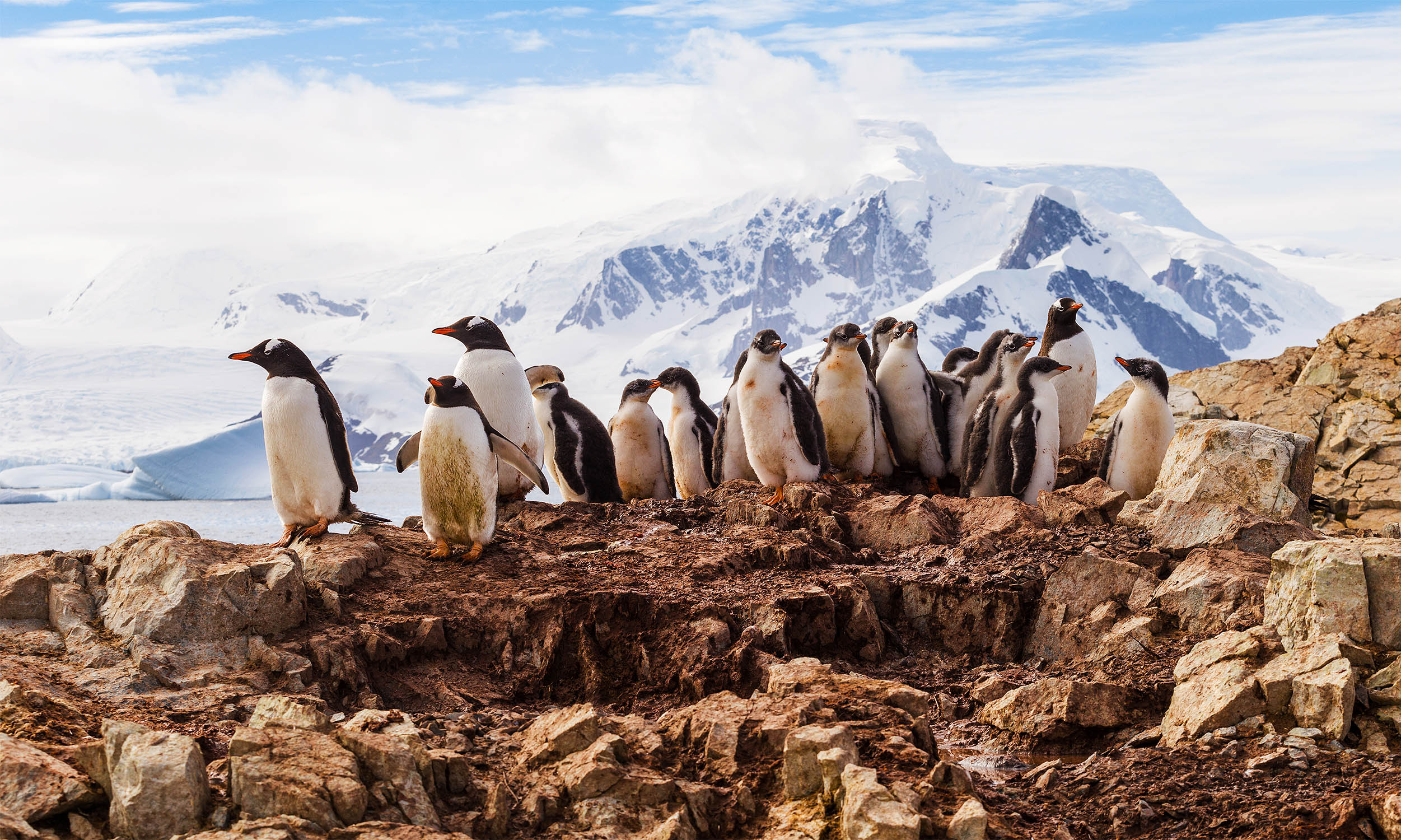
Australian scientists warn that Antarctica is experiencing rapid, irreversible climate changes, including shrinking sea ice, weakening ocean currents, and destabilizing ice sheets, driven by global warming. These changes threaten global sea levels and ecosystems, emphasizing the urgent need for deep emission cuts this decade to prevent irreversible damage.
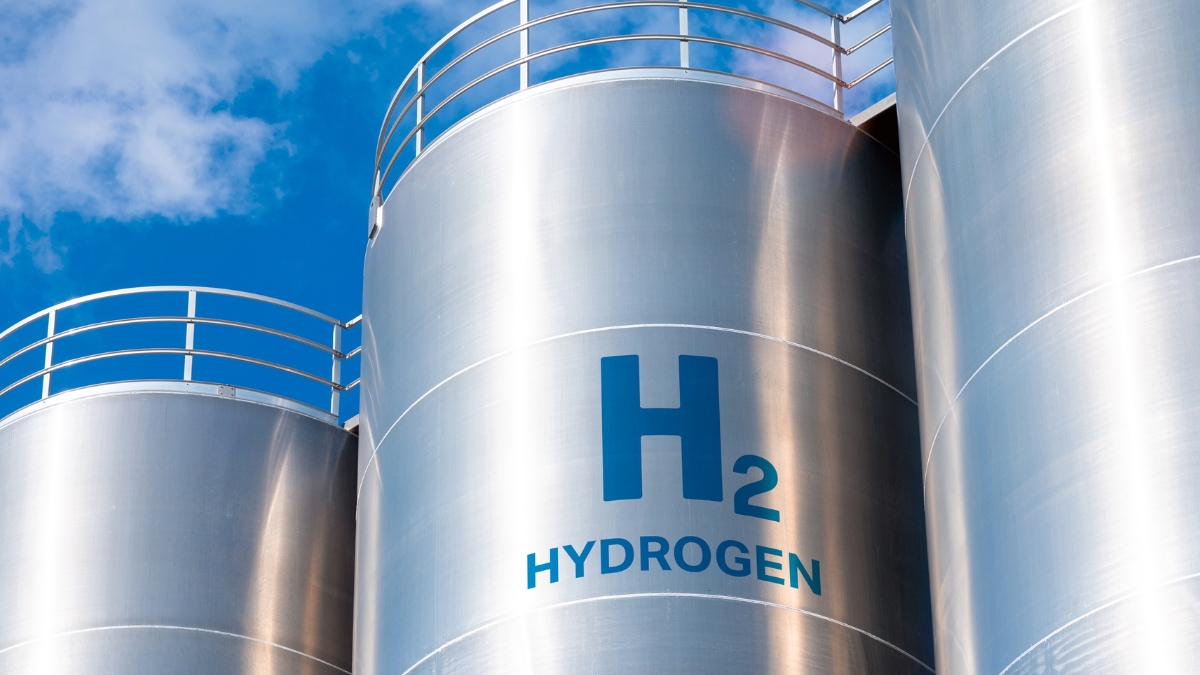
A study published in Nature warns that hydrogen, often seen as a clean energy source, may contribute to climate change by prolonging methane's presence in the atmosphere, thus slightly increasing global temperatures. The rise in hydrogen emissions, mainly from human activities like industrial leaks and fossil fuel use, indirectly enhances warming by reducing atmospheric detergents that break down methane, highlighting the need for a deeper understanding of hydrogen's role in climate dynamics.
A new study shows that the rate of sea-level rise along U.S. coastlines has more than doubled over the past 125 years, contradicting a recent government report that downplayed acceleration, and highlighting the ongoing impact of climate change on sea levels and coastal communities.
The Arctic is experiencing its warmest year on record, with significant melting of permafrost and sea ice, leading to environmental changes such as rivers turning orange from leached metals and the 'Atlantification' of the region, which threaten global climate patterns and ecosystems, amid concerns over reduced monitoring due to funding cuts.
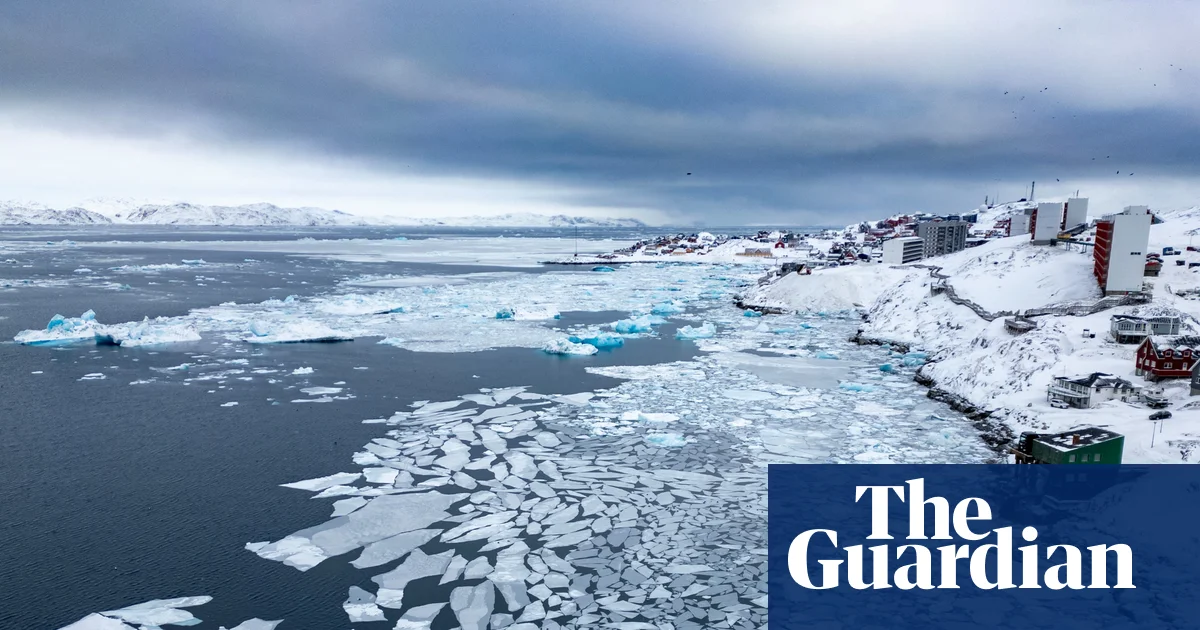
The Arctic experienced its hottest year on record from 2024 to 2025, with significant sea ice loss, increased precipitation, and warming temperatures, especially in winter, indicating a rapid and unprecedented climate shift that impacts global weather patterns, sea levels, and Arctic ecosystems.
A study warns that thousands of glaciers could vanish annually by the end of the century due to global warming, with the number potentially reaching 4,000 per year under worst-case scenarios, emphasizing the urgent need for climate action to prevent significant environmental and local impacts.
A study predicts that the annual rate of glacier disappearance will peak between 2,000 and 4,000 glaciers per year by the mid-2050s, depending on warming scenarios, with significant implications for ecosystems, water resources, and cultural heritage, emphasizing the urgent need to curb greenhouse gas emissions.
A new study warns that up to 4,000 glaciers could disappear annually by mid-century due to climate change, with the peak extinction rate depending on global warming levels, potentially leading to the loss of most glaciers worldwide and significant ecological and cultural impacts.
Glaciers in the European Alps are projected to reach their peak rate of extinction in eight years, with over 100 expected to vanish permanently by 2033, driven by human-caused global warming. Similar rapid losses are forecasted in North America and other regions, with significant implications for ecosystems, water resources, and cultural heritage. Urgent climate action and adaptation strategies are needed to mitigate these impacts.