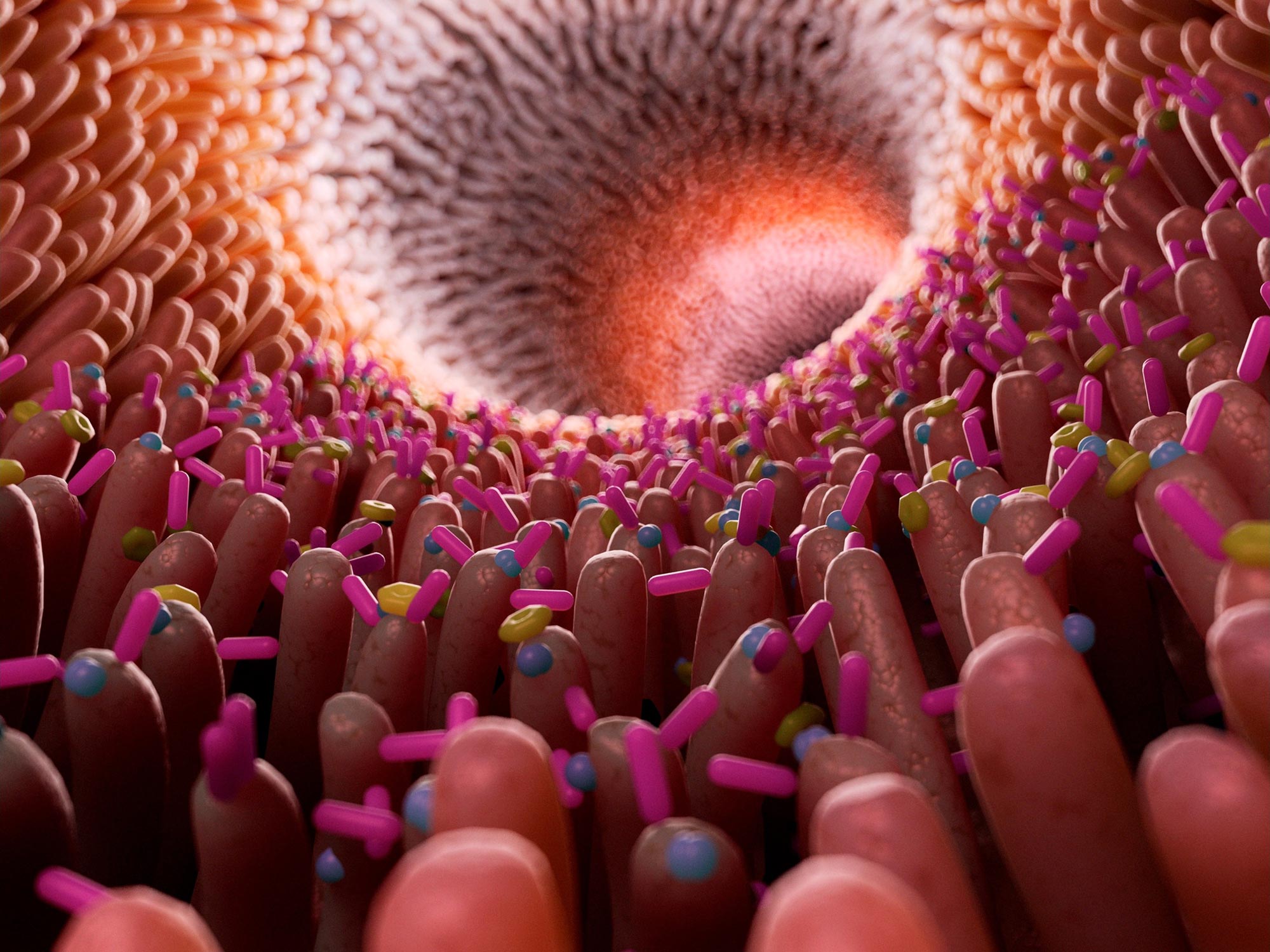
A study has identified 168 common chemicals, including pesticides and industrial compounds, that harm beneficial gut bacteria, potentially impacting human health and increasing antibiotic resistance, prompting calls for safer chemical testing and regulation.
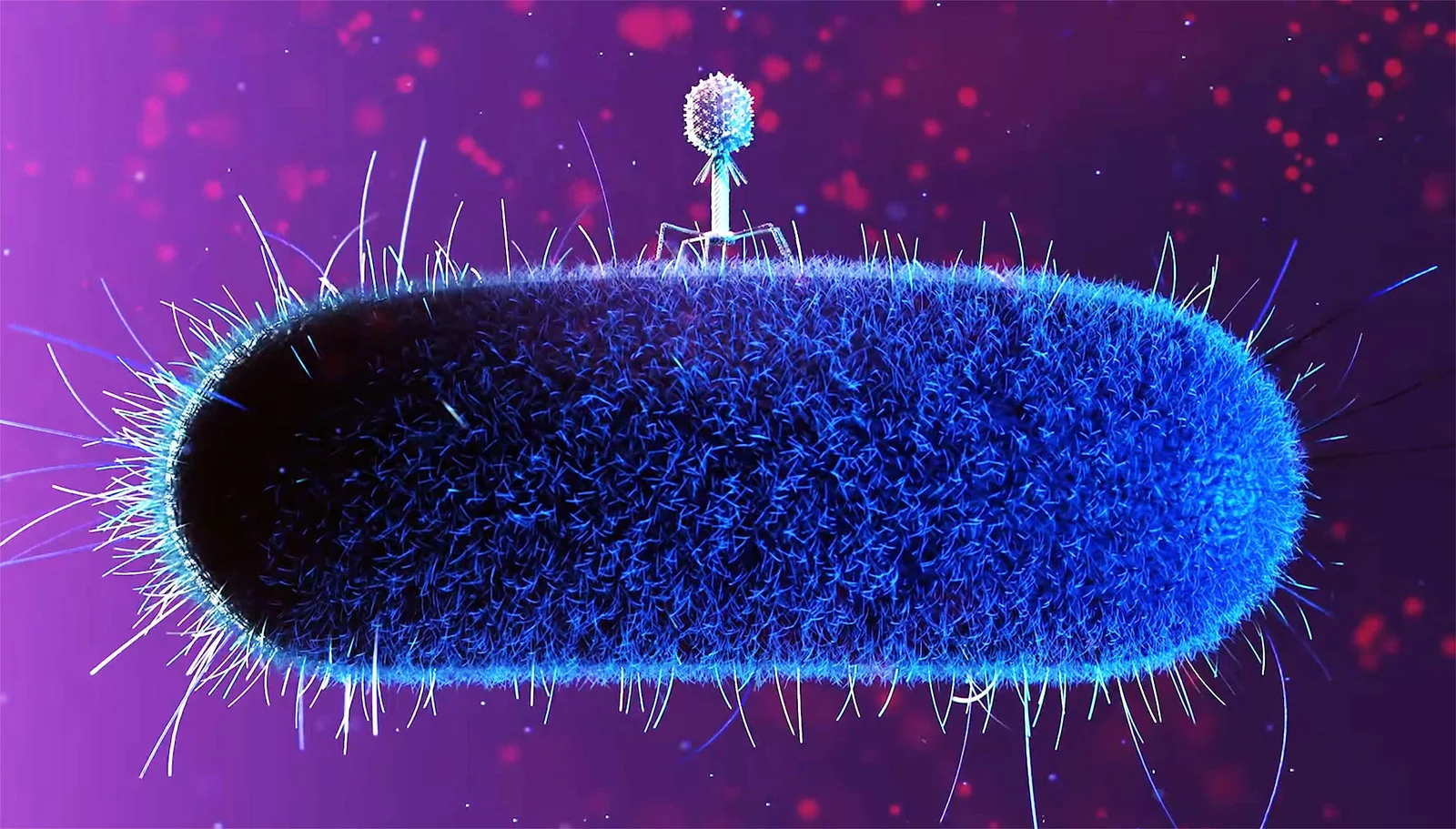
Researchers at VUB have developed genetically modified bacteriophages that deliver bacterial toxins to specifically target and kill multidrug-resistant E. coli, offering a promising alternative to traditional antibiotics in combating resistant bacterial infections.
The WHO reports a significant rise in antibiotic-resistant bacteria, with one in six tested in 2023 showing resistance, and a 40% increase in resistance over five years, posing a serious threat to public health.
Toothbrushes harbor bacteria and viruses, including some resistant to antibiotics, but proper drying can significantly reduce microbial presence and associated risks, especially for immunocompromised individuals.
A new WHO report warns that antibiotic resistance is increasing rapidly worldwide, with 1 in 6 infections now resistant to treatment, threatening modern medicine's foundation and risking a global health crisis, especially in low-income countries with weaker health systems.
The WHO warns of a global rise in drug-resistant bacteria, with Detroit being particularly affected due to social and health disparities, posing a serious threat to modern medicine and requiring urgent action to improve antibiotic stewardship and research.
The WHO reports a sharp global increase in antibiotic-resistant infections, especially in low and middle-income countries, with one in six bacterial infections showing resistance in 2023, raising concerns about limited treatment options and rising deaths from drug-resistant bacteria.
The WHO warns that antibiotic-resistant bacterial infections are surging globally, with one in six cases showing resistance in 2023, driven by overuse of antibiotics and inadequate surveillance, posing a serious threat to modern medicine and public health.
A study across Southeast Asia reveals a concerning rise of antibiotic-resistant superbugs in newborns, with high rates of resistance to standard treatments, especially among Gram-negative bacteria, highlighting the urgent need for updated guidelines and new antibiotics to combat neonatal infections.
A study reveals that microplastics can harbor drug-resistant bacteria within biofilms, raising concerns about environmental pollution and its impact on human health, with efforts needed to reduce plastic use and fund further research.
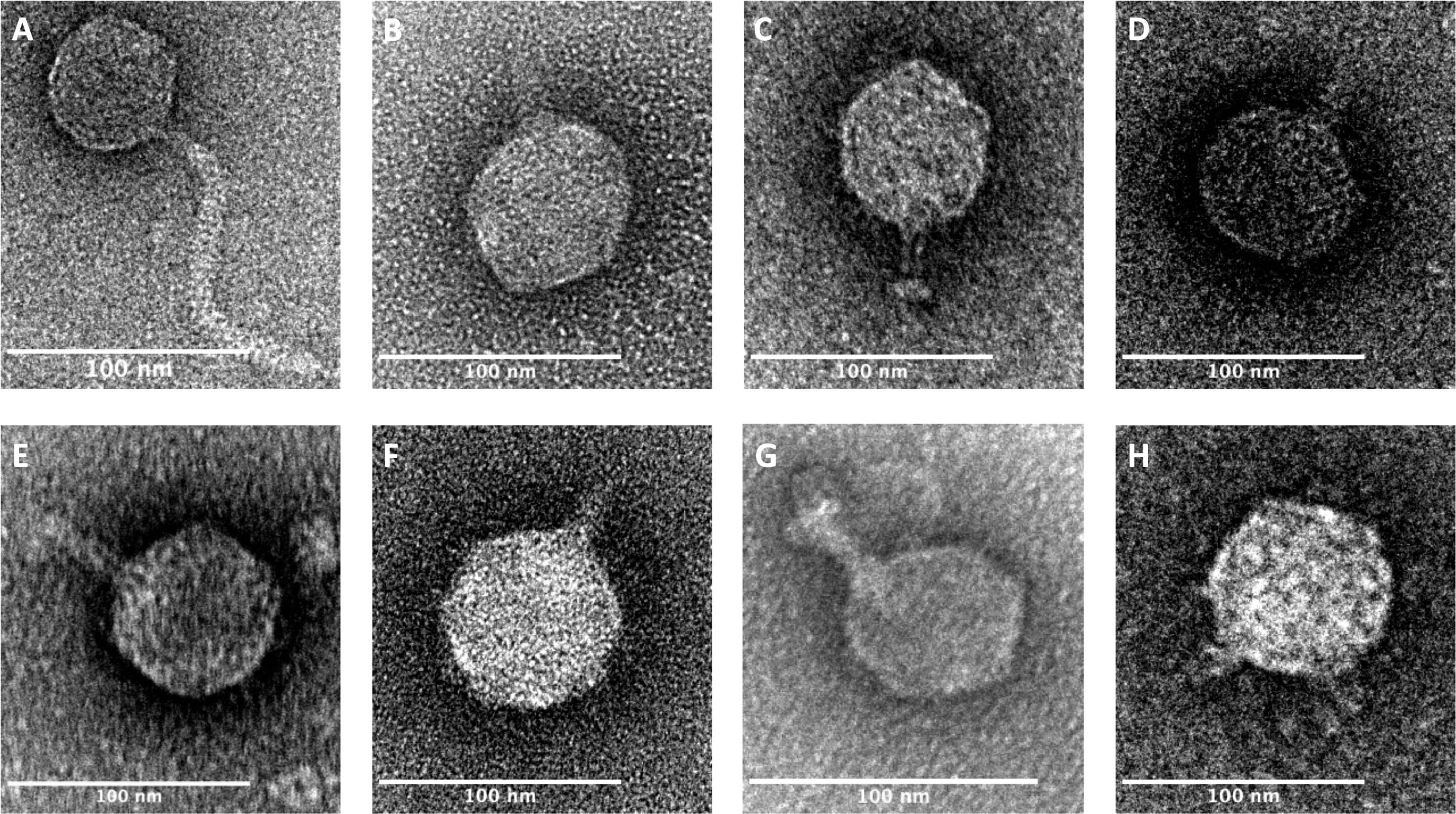
Researchers are revisiting phage therapy, an old method using viruses to kill bacteria, as a potential solution to the growing problem of antibiotic-resistant superbugs. A recent study highlights how bacteria like Bacillus subtilis defend themselves against phages, revealing new insights that could improve phage therapy's effectiveness. Despite challenges such as immune system interference, the renewed interest aims to develop alternative treatments to antibiotics amid a looming public health crisis.
In California, cases of drug-resistant bacteria and fungi, including 'nightmare bacteria' and the deadly fungus C. auris, are rising sharply, reflecting a nationwide increase in antibiotic-resistant infections, driven partly by overuse of antibiotics during the COVID-19 pandemic.
A drug-resistant bacteria called NDM, known as 'nightmare bacteria,' is spreading across the US, including South Carolina, causing infections that are difficult to treat and potentially deadly, with limited testing and infection control challenges exacerbating the threat.
The CDC reports a dramatic 460% increase in infections caused by the drug-resistant bacteria NDM-CRE in the U.S., raising concerns about treatment challenges and the need for cautious antibiotic use and hygiene practices, especially among vulnerable populations.
The CDC reports a significant rise in infections caused by carbapenem-resistant Enterobacterales, known as 'nightmare bacteria,' which are highly resistant to antibiotics, easily spread in healthcare settings, and pose a serious threat due to high mortality rates and potential community spread.