
"Microplastics in Soil: A Potential Pathway for Drug-Resistant Superbugs in Food"
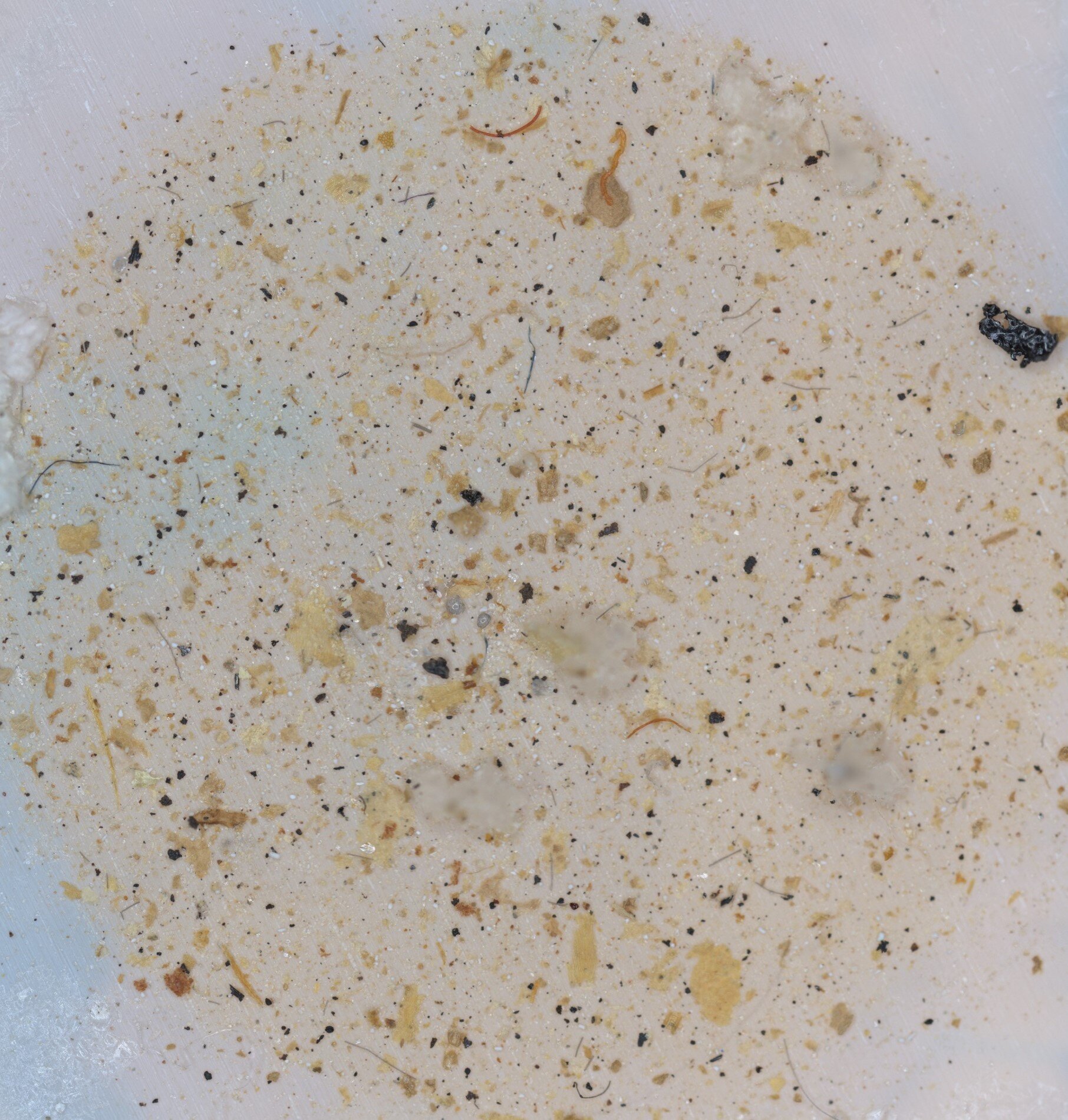
Microplastics and nanoplastics, which are widely dispersed in agricultural soils, could contribute to the development of antibiotic-resistant bacteria in the food supply. These plastics act as vectors for transmitting pathogenic and antimicrobial-resistant bacteria into the food chain. Chemical substances and microorganisms stick to plastic, allowing bacteria to activate stress response genes that help them resist antibiotics. Bacteria on microplastics can also transfer genes through horizontal gene transfer, potentially increasing their virulence. While gene transfer in agricultural soil is currently hypothetical, ongoing laboratory studies aim to document this phenomenon. The presence of nanoplastics and antibiotic-resistant bacteria in plant tissues raises concerns about food safety. Researchers emphasize the need to understand the impacts of microplastics in soil and advocate for biodegradable plastic alternatives.
Reading Insights
0
2
4 min
vs 5 min read
85%
825 → 121 words
Want the full story? Read the original article
Read on Phys.org