gardening59.59 min read
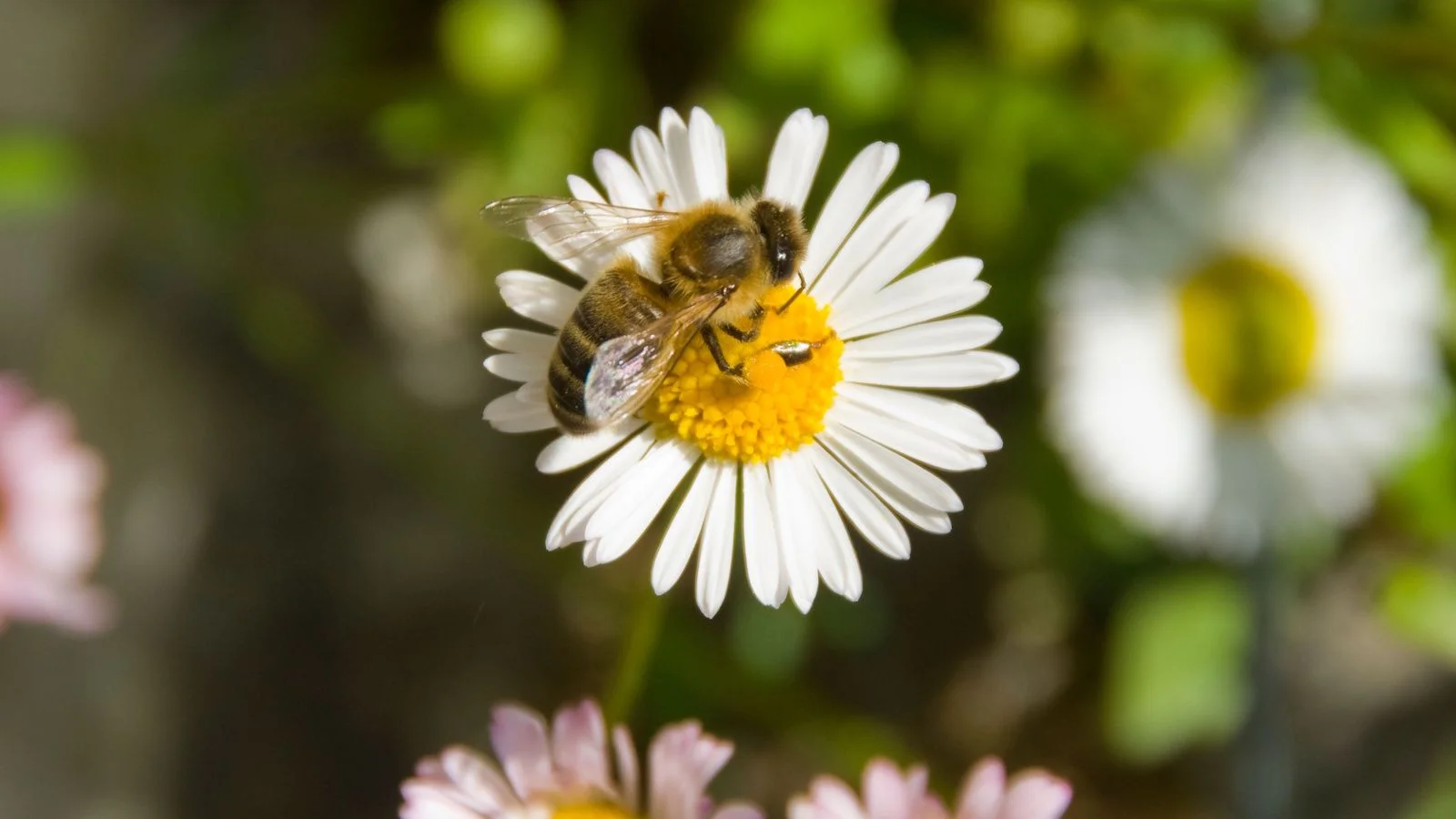
Meet the 12 Birth Month Bees and How to Welcome Them to Your Garden
7 days ago•Source: Homes and Gardens

The latest gardening stories, summarized by AI
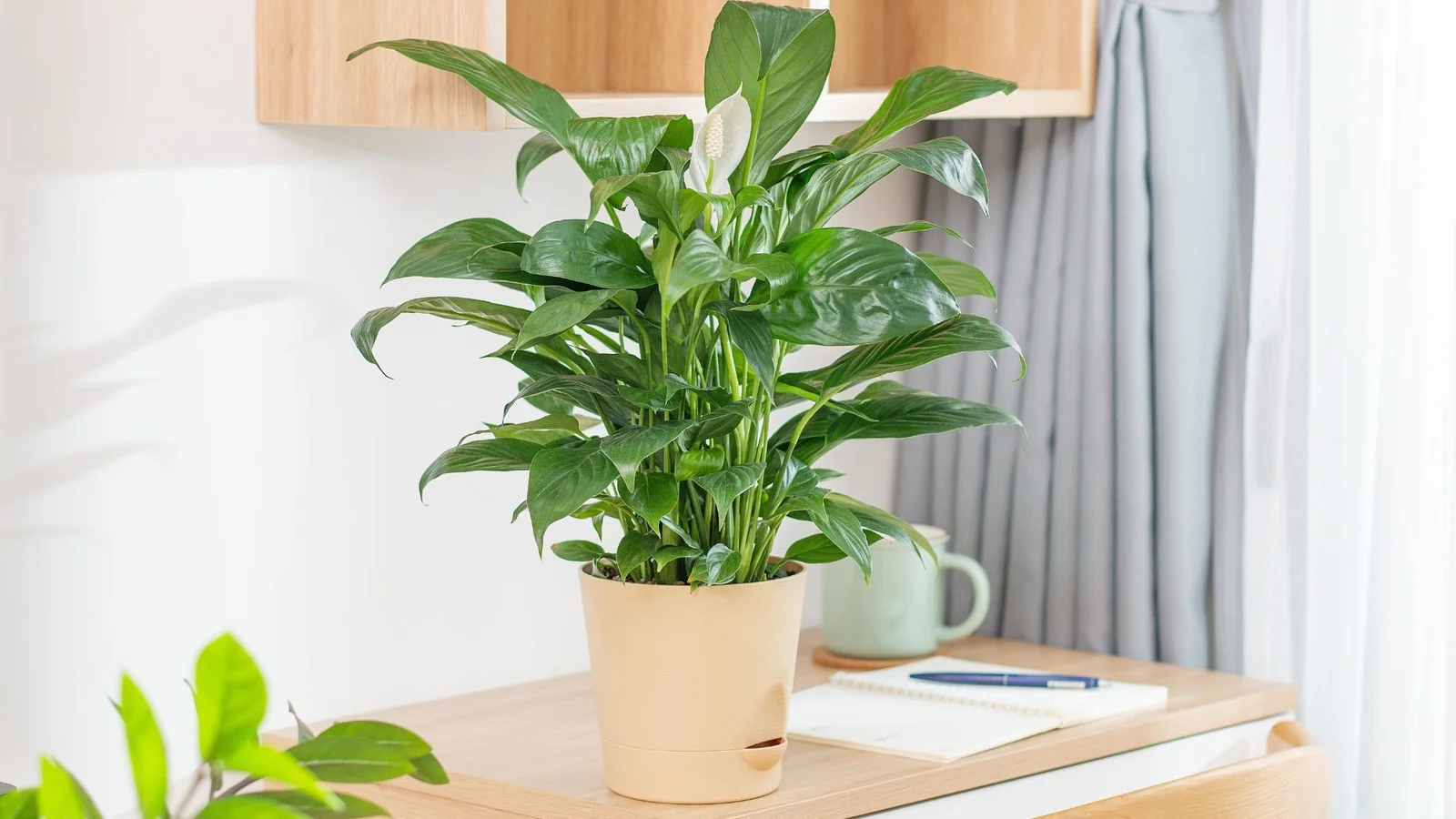
To help a peace lily thrive and bloom, place it in a humid, indirect-light spot (such as a bathroom or kitchen) rather than a sunny windowsill. It prefers north or east-facing light away from radiators and drafts, and you should water to keep the soil moist but not soggy (don't overwater). Regular misting or a small humidifier can boost humidity. Also note that peace lilies are toxic to pets, so keep the plant out of reach of cats and dogs.
Homes and Gardens•6 months ago
Homes and Gardens•6 months ago
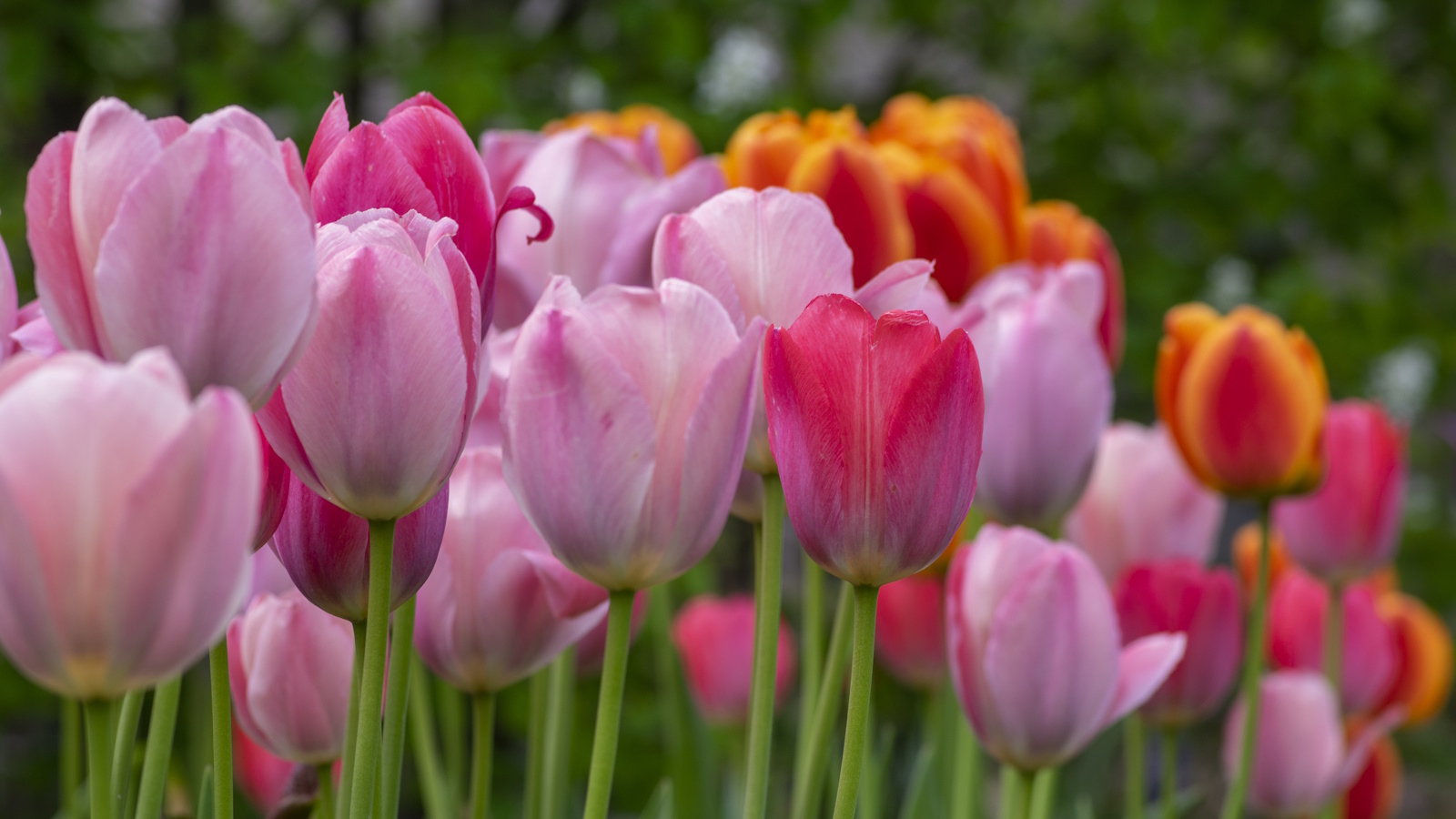
The article emphasizes the importance of ordering spring bulbs like tulips, daffodils, and hyacinths in August to ensure availability of popular varieties, and provides tips on storing bulbs properly. It also highlights seven must-have bulbs for a vibrant spring garden, including 'Purple Sensation' hyacinths, 'Pheasant’s Eye' daffodils, 'Orange Emperor' tulips, and others, encouraging gardeners to be bold with colors and varieties while acting early to avoid disappointment.
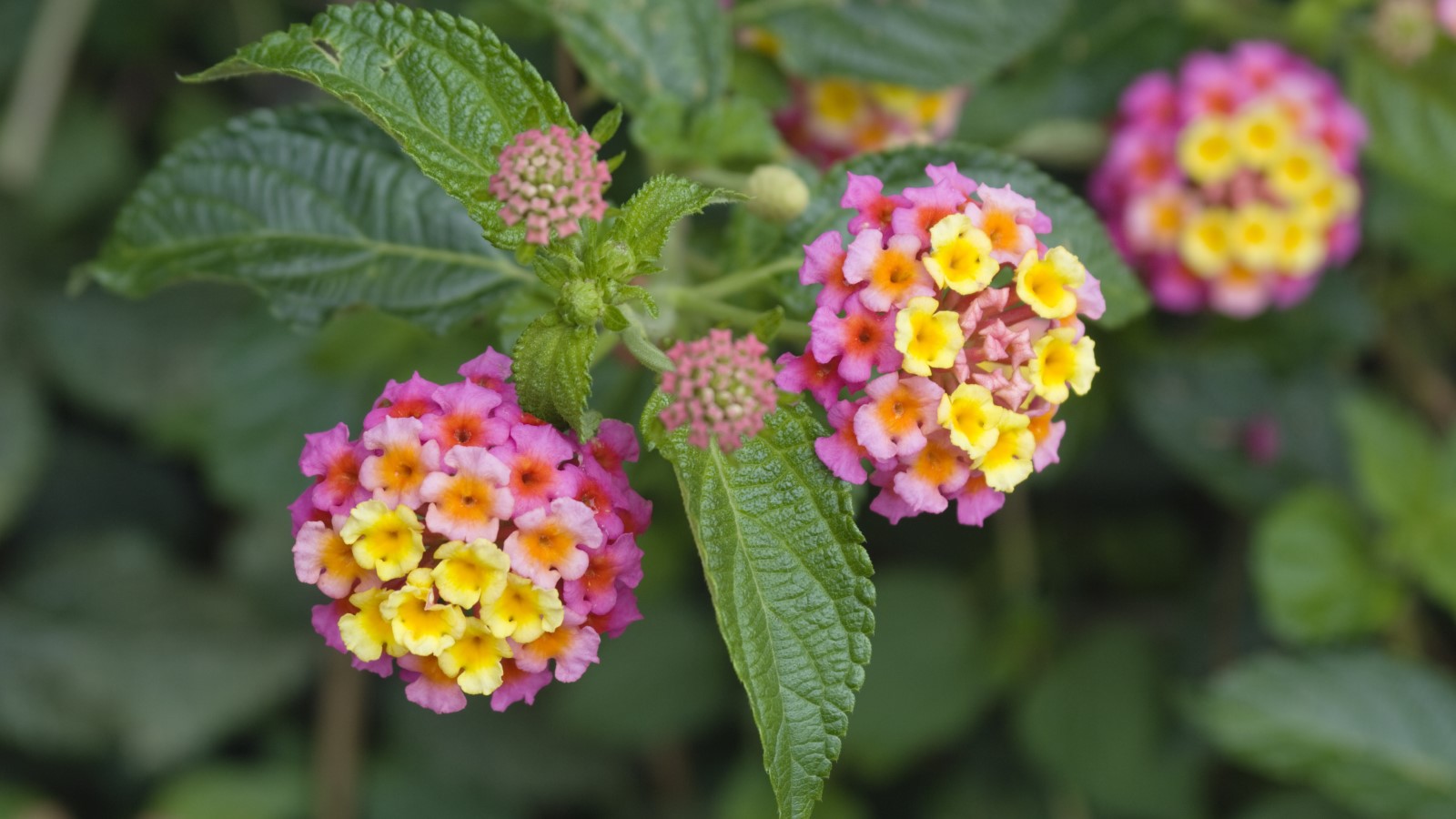
August is an ideal time to take semi-ripe cuttings of popular shrubs and perennials like rosemary, lantana, potentilla, Ribes, lavender, forsythia, and sage, using proper techniques such as snipping below leaf nodes, stripping lower leaves, and using well-draining soil. Proper care and timing can help gardeners propagate new plants at home, saving money and expanding their garden.
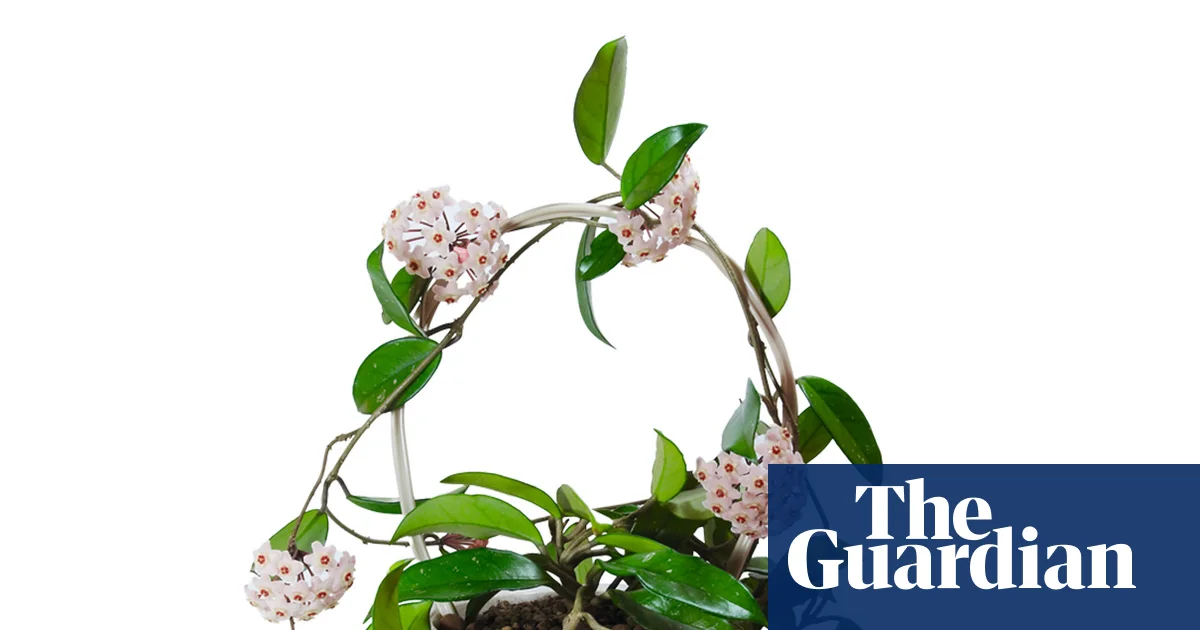
To encourage blooming in a wax plant (Hoya carnosa), allow the soil to dry out completely between waterings, limit fertilization, provide bright indirect sunlight, and introduce mild stress through slight temperature drops or sun-stressing techniques, as these conditions promote flowering.
The article discusses seven plants—marigolds, lavender, geraniums, painted daisies, milkweed, garlic, and peppermint—that can help prevent or control grub infestations in gardens by repelling or attracting pests, promoting soil health, and maintaining ecological balance.
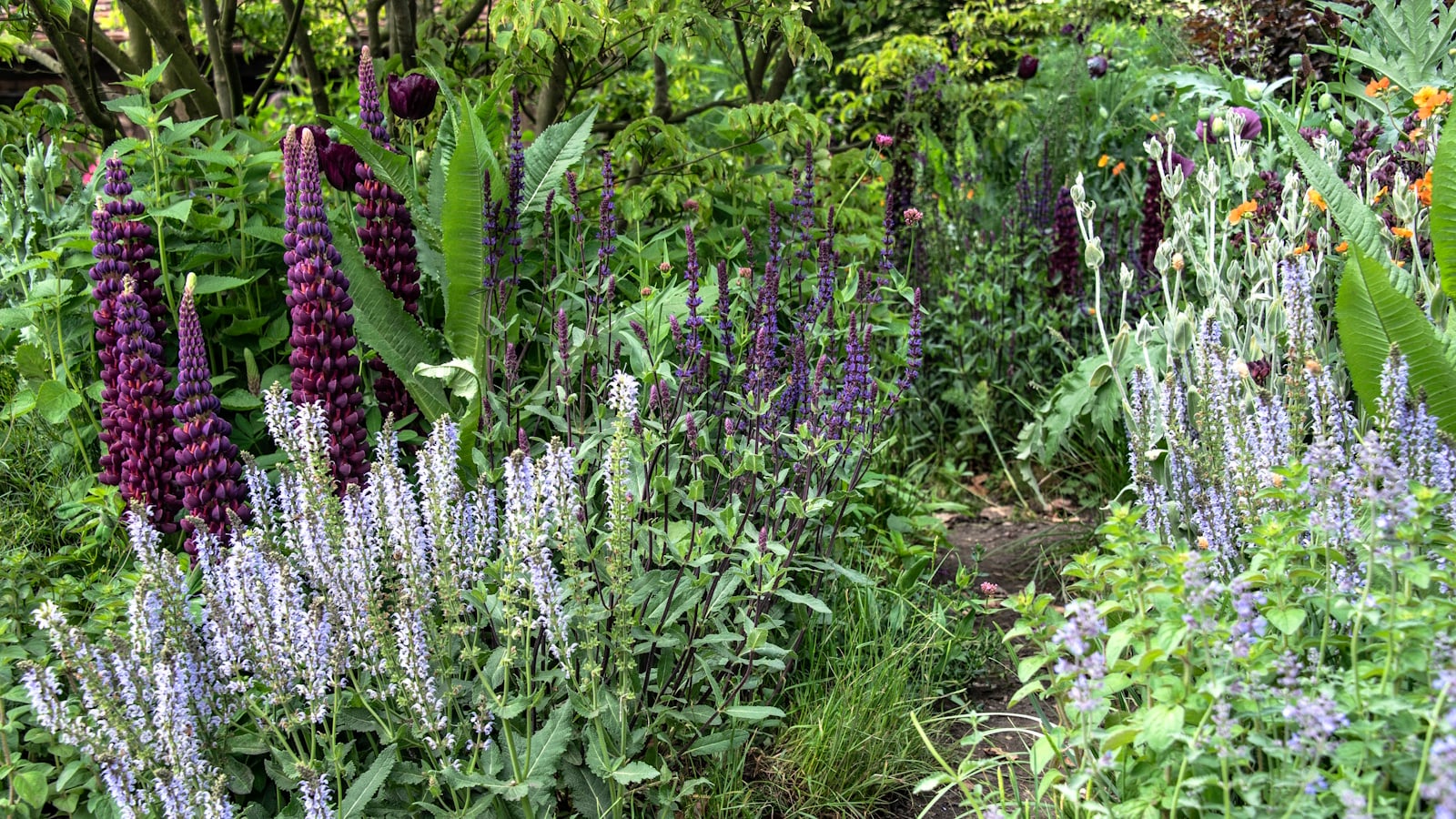
The article lists 12 popular plants like daffodils, peonies, and wisteria that gardening experts consider overrated due to issues like invasiveness, short blooming periods, or maintenance challenges, and suggests better alternatives for a healthier, more sustainable garden.
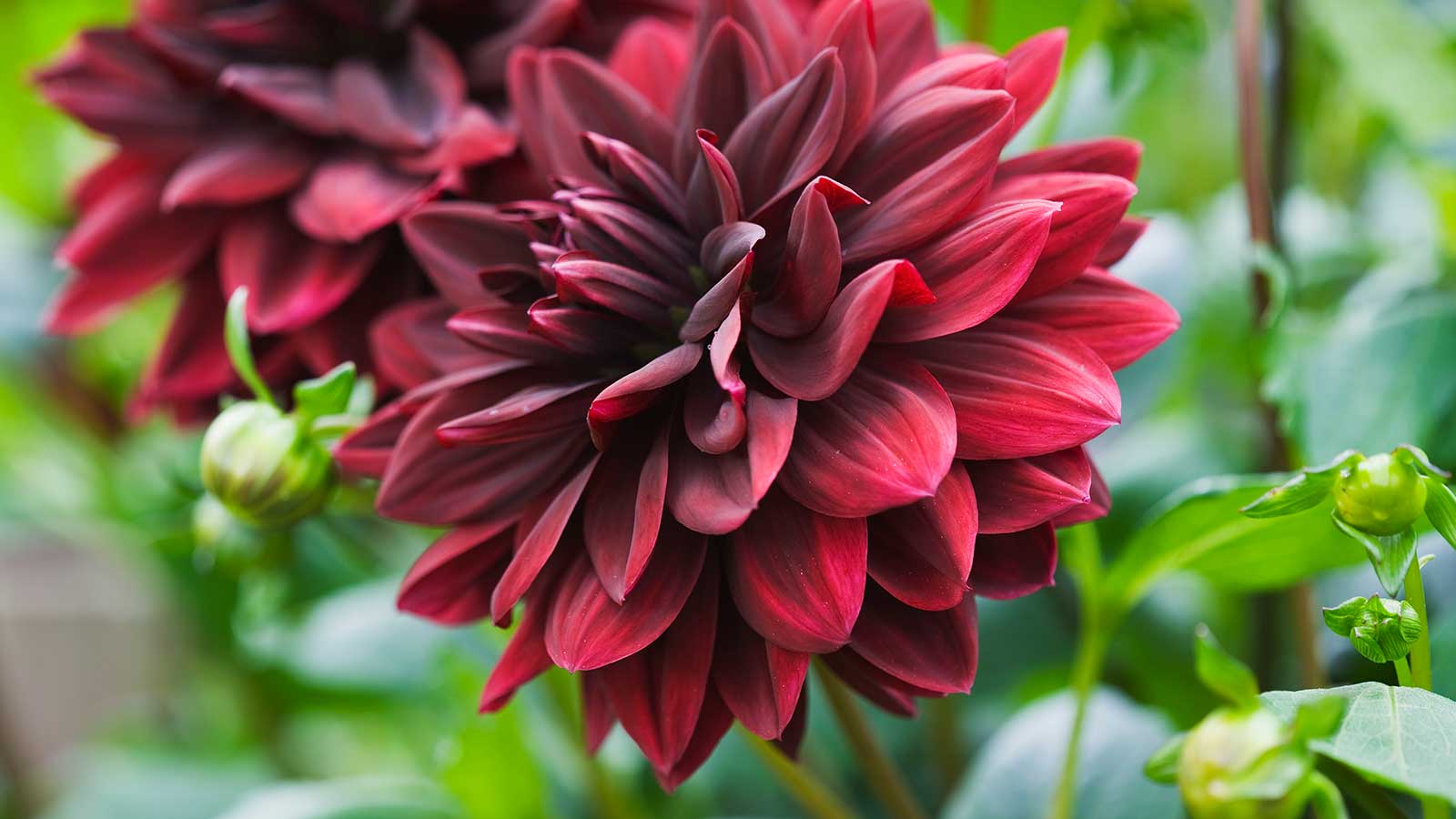
The article offers five top plant companions for dahlias, including purpletop vervain, ornamental grasses, holy basil, sweet alyssum, and nasturtiums, emphasizing their aesthetic and pest-control benefits to create a vibrant, thriving garden display.
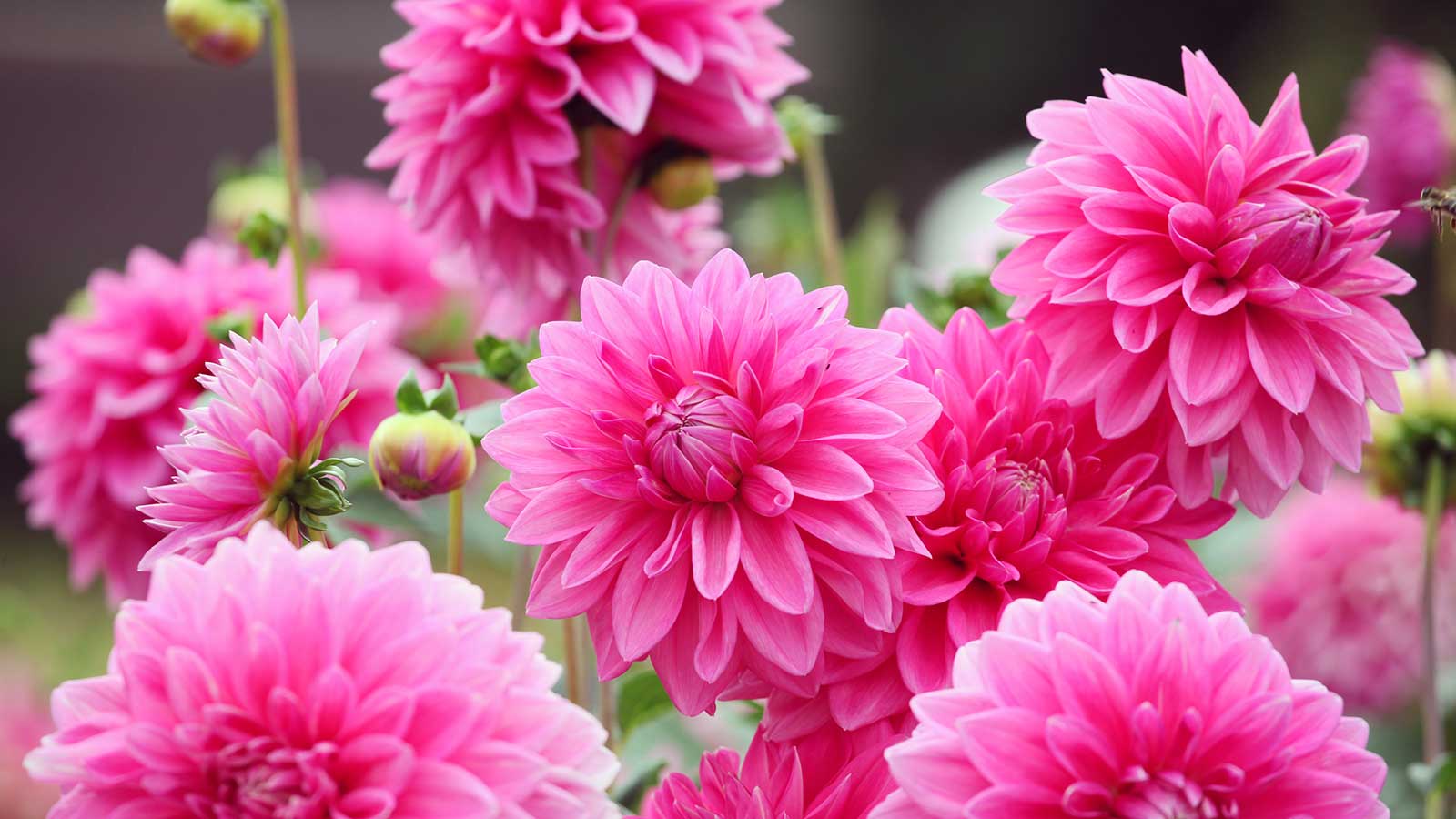
Dahlias are beautiful summer flowers that require careful companion planting; avoid planting them near water-loving plants, certain vegetables like kale and potatoes, large shrubs like hydrangeas, zinnias prone to powdery mildew, and sunflowers, as these can hinder their growth through competition, pests, or disease. Proper spacing and choosing compatible plants can help dahlias thrive and produce stunning blooms.
The article highlights seven flowers—snapdragons, cosmos, celosia, zinnias, coneflowers, dahlias, and globe amaranth—that bloom repeatedly throughout summer, making them ideal for continuous cutting and creating vibrant garden bouquets.
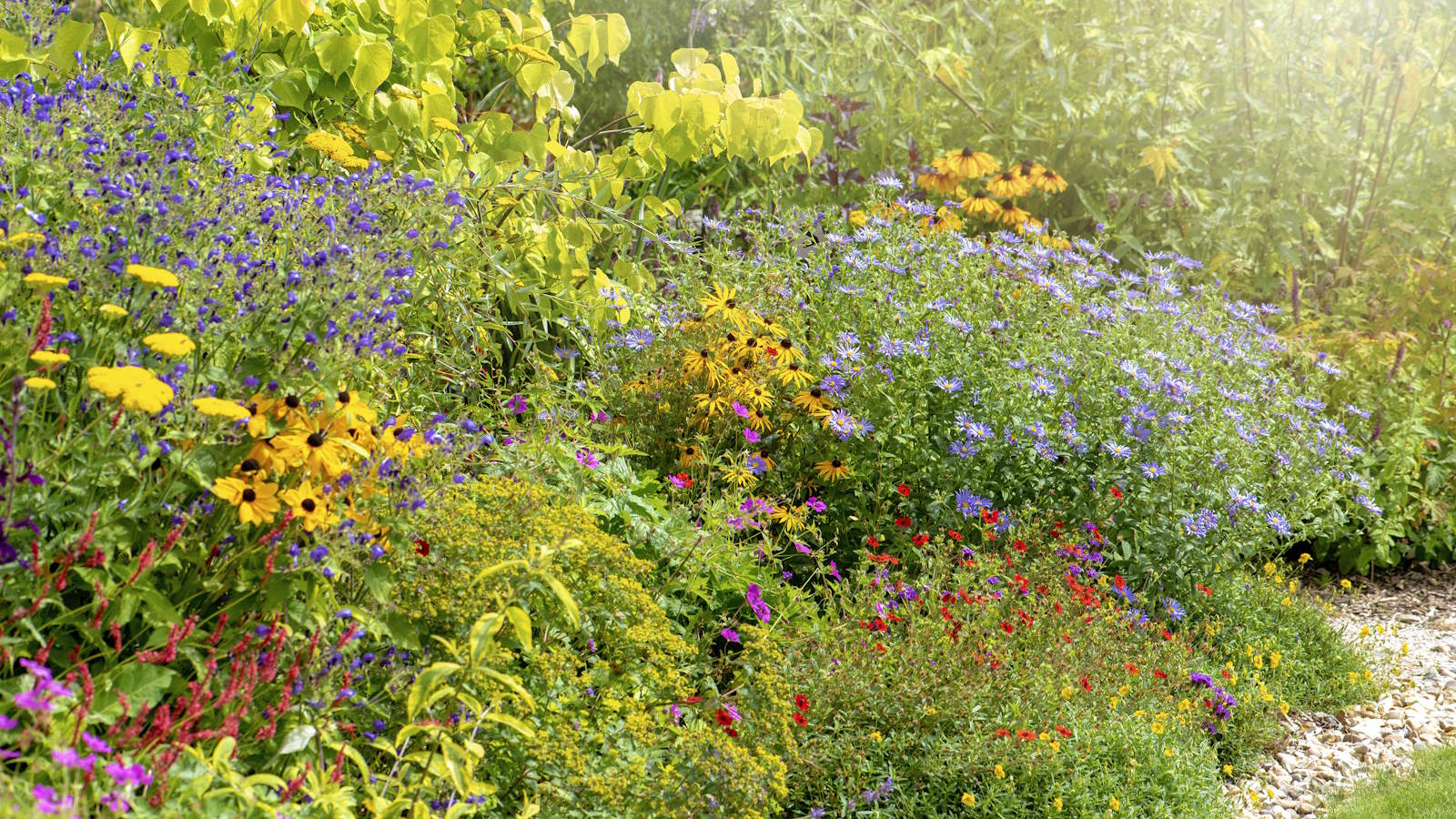
Planting specific plants like daffodils, alliums, garlic, marigolds, and mint can naturally deter moles from damaging flowerbeds by emitting strong scents or chemicals that irritate or confuse these underground critters, providing an effective and eco-friendly pest control method.
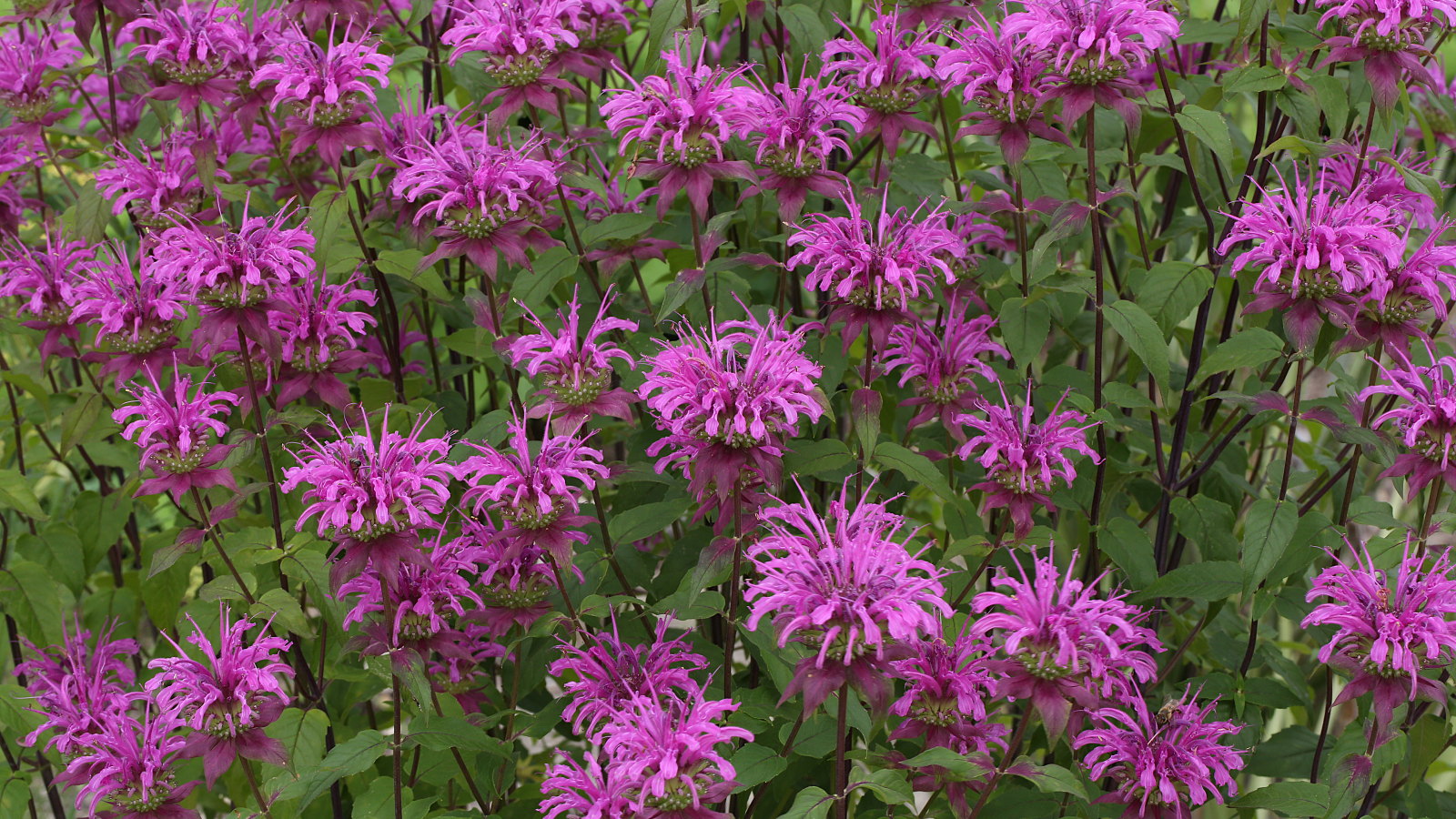
Deadheading bee balm throughout the summer prolongs its blooming period, keeps the plant neat, and promotes healthier growth by redirecting energy from seed production to new flower buds. It is best to deadhead regularly once flowers fade, using sharp pruning shears, and can also help prevent powdery mildew and unwanted reseeding. The process is simple and can be incorporated into regular garden maintenance for more vibrant and extended blooms.