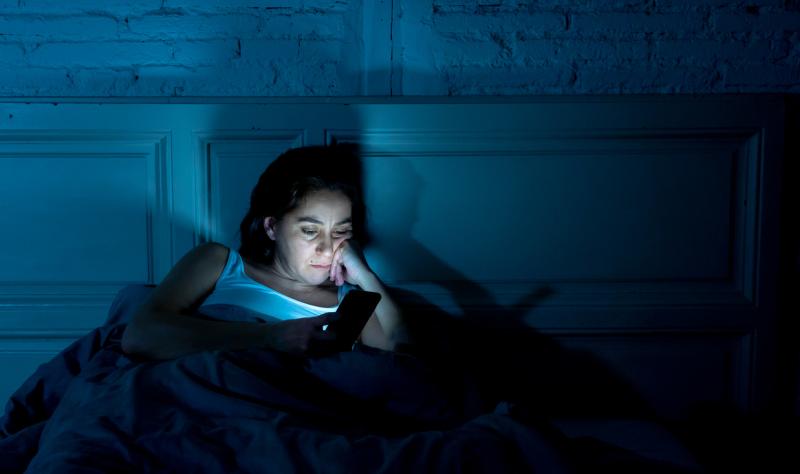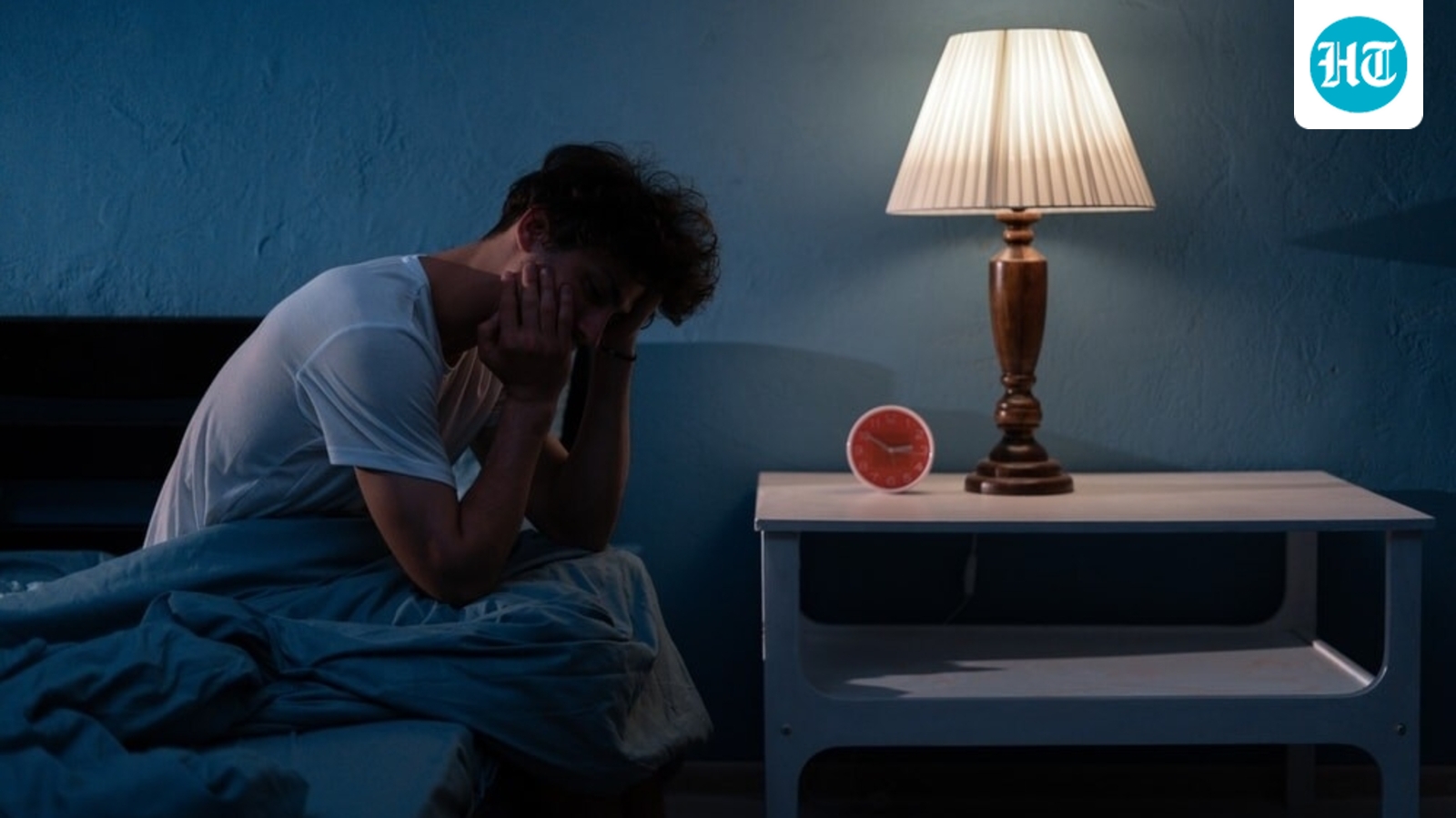
Poor sleep quality, characterized by symptoms like loud snoring, gasping, waking unrefreshed, or experiencing a racing heart, can indicate underlying issues such as sleep apnea that may increase the risk of heart problems. Experts recommend maintaining regular sleep routines, getting morning sunlight, exercising, and creating relaxing pre-sleep habits to improve sleep and protect heart health.

Lesser-known early signs of dementia may include sleep disturbances such as difficulty falling asleep, waking during the night, and increased daytime sleepiness, which could serve as early indicators of the condition, especially in older adults. Research suggests that changes in sleep patterns over time are linked to a higher risk of developing dementia, emphasizing the importance of monitoring sleep habits for early detection.
Research suggests that dairy consumption, especially in individuals with lactose intolerance, may be linked to more intense nightmares, possibly due to gastrointestinal discomfort affecting sleep quality and causing micro-arousals, though further studies are needed to confirm this connection.
A study published in Briefings in Bioinformatics suggests that depression may cause menstrual pain (dysmenorrhea) rather than result from it, with sleep disturbances potentially exacerbating both conditions. Using Mendelian randomization, researchers found a genetic link between depression and increased menstrual pain, advocating for mental health screenings in patients with severe period pain. The findings highlight the need for a holistic approach to treating mental and reproductive health issues, potentially leading to more personalized treatment options.
A study by researchers from China and the UK has identified potential genetic links between depression and menstrual pain, suggesting that depression may cause dysmenorrhea rather than result from it. The study, involving over 600,000 cases, also found that sleep disturbances could worsen menstrual pain, highlighting the importance of addressing sleep issues in managing both conditions. The findings emphasize the need for mental health screening in treating severe menstrual pain and suggest a holistic approach to mental and reproductive health.
A survey of Vietnamese adults who had mild COVID-19 infections in the past 6 months found that 76% now experience insomnia, with 22.8% reporting severe insomnia. The study revealed that even those with asymptomatic COVID-19 infections reported subsequent insomnia, and there was no correlation between initial COVID symptom severity and insomnia. Participants with increased depressive or anxiety symptoms following COVID-19 were most at risk for insomnia, and the study suggests a need for comprehensive interventions to address the psychological and sleep health of COVID-19 patients after recovery.
A study published in the Journal of Attention Disorders found that children with ADHD who experience greater social jetlag—variance in sleep time between school nights and weekends—show poorer cognitive performance. Unlike social jetlag, the amount of time spent in bed and general sleep disturbances did not significantly correlate with cognitive outcomes. The findings suggest that maintaining consistent sleep routines could potentially benefit the cognitive functioning of children with ADHD.
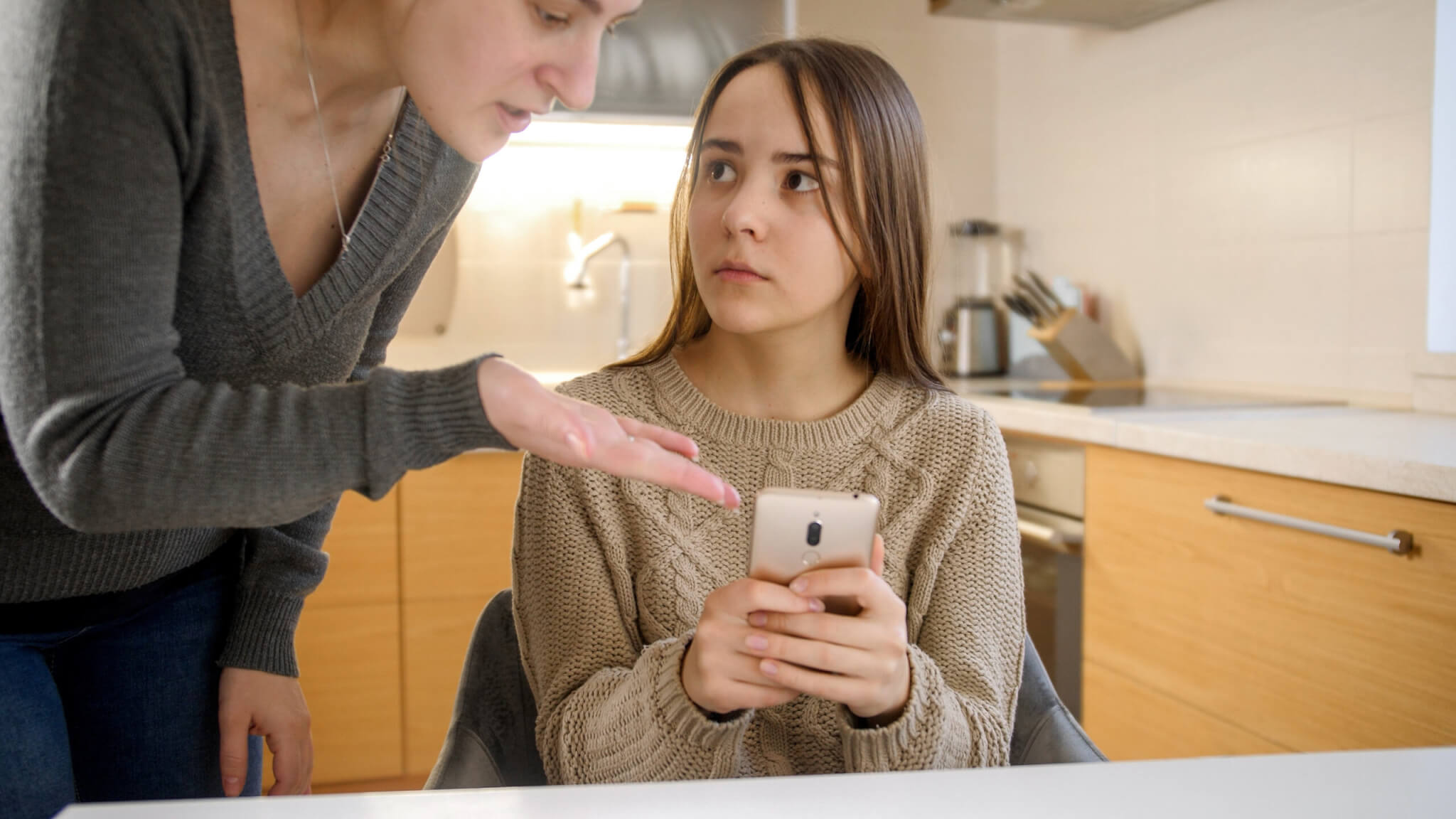
A new study warns that teenagers who use smartphones for over four hours a day are at a "serious" risk for various health issues, including psychiatric disorders, sleep disturbances, eye problems, and musculoskeletal issues. The study found that excessive smartphone use is associated with higher rates of stress, suicidal thoughts, substance use, and obesity among adolescents. Interestingly, moderate internet use of one to two hours per day may be linked to better physical and mental health compared to no smartphone use at all. The researchers suggest that smartphone usage guidelines for adolescents should be established based on these findings.
A study conducted by researchers at EPFL has shed light on the role of stress-induced hormones, such as cortisol, in the development of post-traumatic stress disorder (PTSD). Using a rat model with a blunted hormonal response to stress, the researchers observed impaired fear extinction, reduced hippocampal volume, and sleep disturbances, all of which are traits associated with PTSD. The study also found that treatment combining cognitive therapy with corticosterone helped alleviate these symptoms, offering potential insights into interventions for PTSD. The research highlights the importance of glucocorticoid levels in determining vulnerability to PTSD and suggests that enhancing these levels post-trauma could potentially mitigate symptoms and improve recovery.
A global study conducted by the ALL Project reveals that 42% of patients with skin disease suffer from sleep disturbances, leading to a significant deterioration in their quality of life. The study also highlights the impact of living with hidradenitis suppurativa, a painful skin condition, which causes feelings of stigmatization and affects self-perception, relationships, and daily lives. The findings emphasize the need for early detection and effective management of sleep disorders in patients with skin diseases. Healthcare providers should include questions about sleep disorders in examinations to promote a comprehensive understanding of the impact of skin diseases and improve patients' well-being.
Post-breakup insomnia, also known as sleep disturbances after the end of a relationship, is a common phenomenon triggered by the stress of a breakup. Sleep is a vulnerable state, and the absence of a bed partner can increase feelings of vulnerability and disrupt sleep patterns. While some people sleep better with a partner, others may experience more disruptions. Dealing with post-breakup insomnia involves self-exploration, trying new sleep routines, practicing relaxation techniques, and building social connections during the day. It's important to remember that experiencing insomnia after a breakup is normal, and with time and self-care, sleep patterns can be restored.
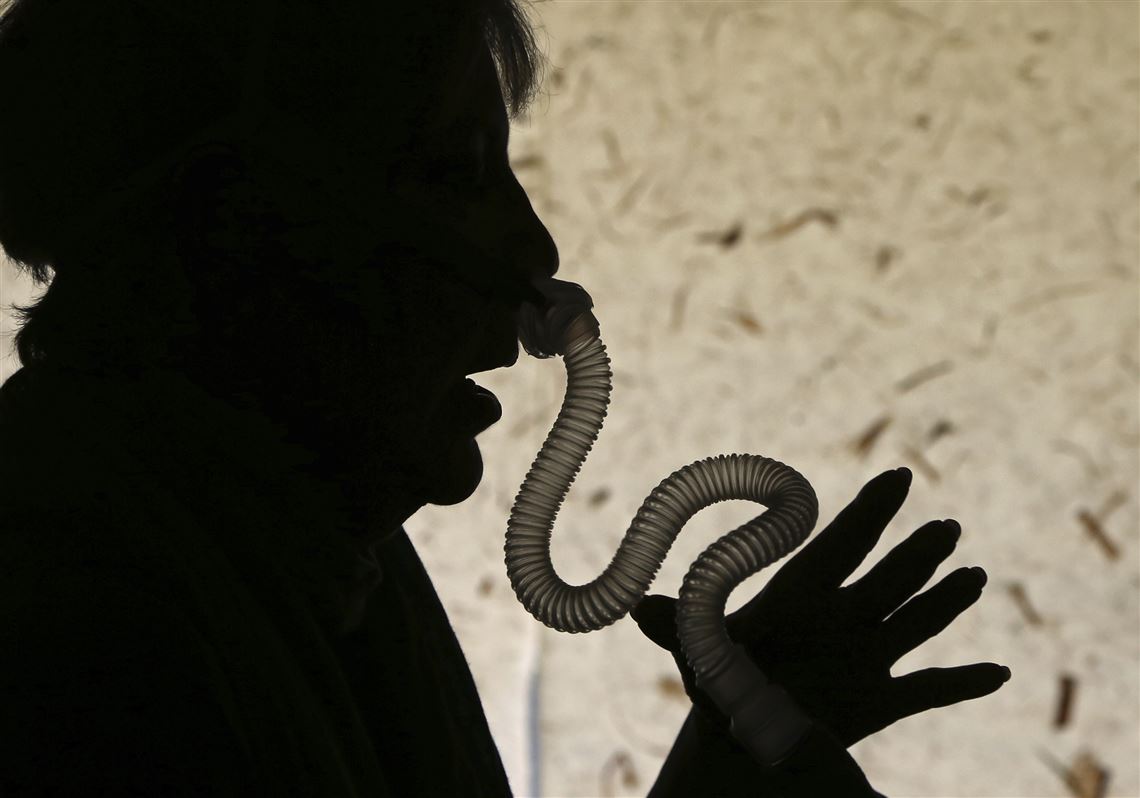
Sleep apnea is a sleep disorder that affects around 30 million adults in the United States. It is characterized by pauses in breathing during sleep, leading to disrupted sleep patterns and potential health risks. Treatment options are available to manage the condition and improve sleep quality.
Fatigue is emerging as one of the most debilitating symptoms of Covid-19, with some individuals experiencing intense exhaustion that persists even after testing negative. The exact cause of this fatigue is still unknown, but theories include mitochondrial dysfunction, sleep disturbances, and lingering effects of the virus. Researchers have found that people with long Covid have significantly lower levels of morning cortisol, which can contribute to fatigue. While there is no established protocol for treating Covid-related fatigue, rest and listening to your body are recommended during active infection. For long Covid patients, getting enough sleep, gradually increasing exercise tolerance, and reframing expectations are important strategies for managing fatigue.
Researchers have discovered the neural pathway connecting chronic stress to sleep disturbances and how bright-light treatment can alleviate these issues. The study, conducted on mice, identified the crucial role of the lateral habenula, a brain region sensitive to light signals, in influencing non-REM sleep patterns. Bright-light treatment was found to inhibit certain neurons in the lateral habenula, reducing sleep abnormalities caused by stress. Understanding this pathway can help develop optimal light treatments and potential pharmacological interventions for stress-induced sleep problems.
Consuming excessive amounts of caffeine can have negative effects on health. It can lead to insomnia and sleep disturbances, anxiety and jitters, digestive issues, heart palpitations and increased heart rate, dependency and withdrawal symptoms, high blood pressure, hindered bone health, and dehydration. It is important to consume caffeine in moderation and balance it with adequate fluid intake to minimize these risks.