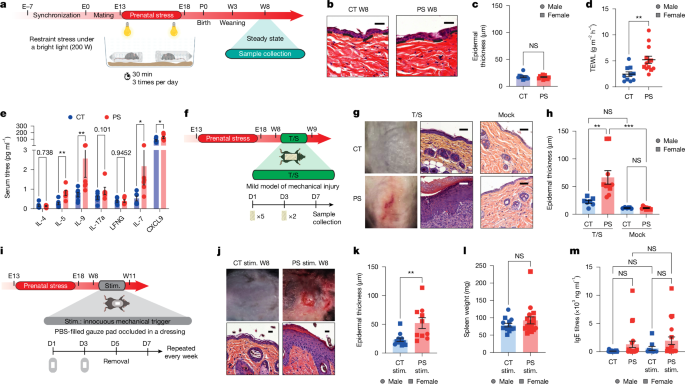
Maternal prenatal stress triggers early-life eczema in offspring by programming fetal mast cells through elevated corticosterone levels, leading to skin barrier alterations and heightened mechanical sensitivity, with effects reversible by corticosterone normalization.
A study analyzing over 22 million urgent care visits found that a significant percentage resulted in inappropriate prescriptions, including antibiotics, glucocorticoids, and opioids, highlighting the need for stewardship programs to reduce misuse and improve prescribing practices.
A study conducted by researchers at EPFL has shed light on the role of stress-induced hormones, such as cortisol, in the development of post-traumatic stress disorder (PTSD). Using a rat model with a blunted hormonal response to stress, the researchers observed impaired fear extinction, reduced hippocampal volume, and sleep disturbances, all of which are traits associated with PTSD. The study also found that treatment combining cognitive therapy with corticosterone helped alleviate these symptoms, offering potential insights into interventions for PTSD. The research highlights the importance of glucocorticoid levels in determining vulnerability to PTSD and suggests that enhancing these levels post-trauma could potentially mitigate symptoms and improve recovery.
The timing of exercise can affect weight loss and blood sugar control, according to recent research. Morning exercise is best for burning fat, as the body's genes that metabolize fat are most active at this time. On the other hand, afternoon exercise is better for stabilizing blood sugar levels, making it ideal for people with type 2 diabetes. The body's circadian rhythm plays a crucial role in how efficiently tissues perform at different times of the day, and exercise timing can fine-tune the outcomes of exercise.