Tag

Insomnia

All articles tagged with #insomnia

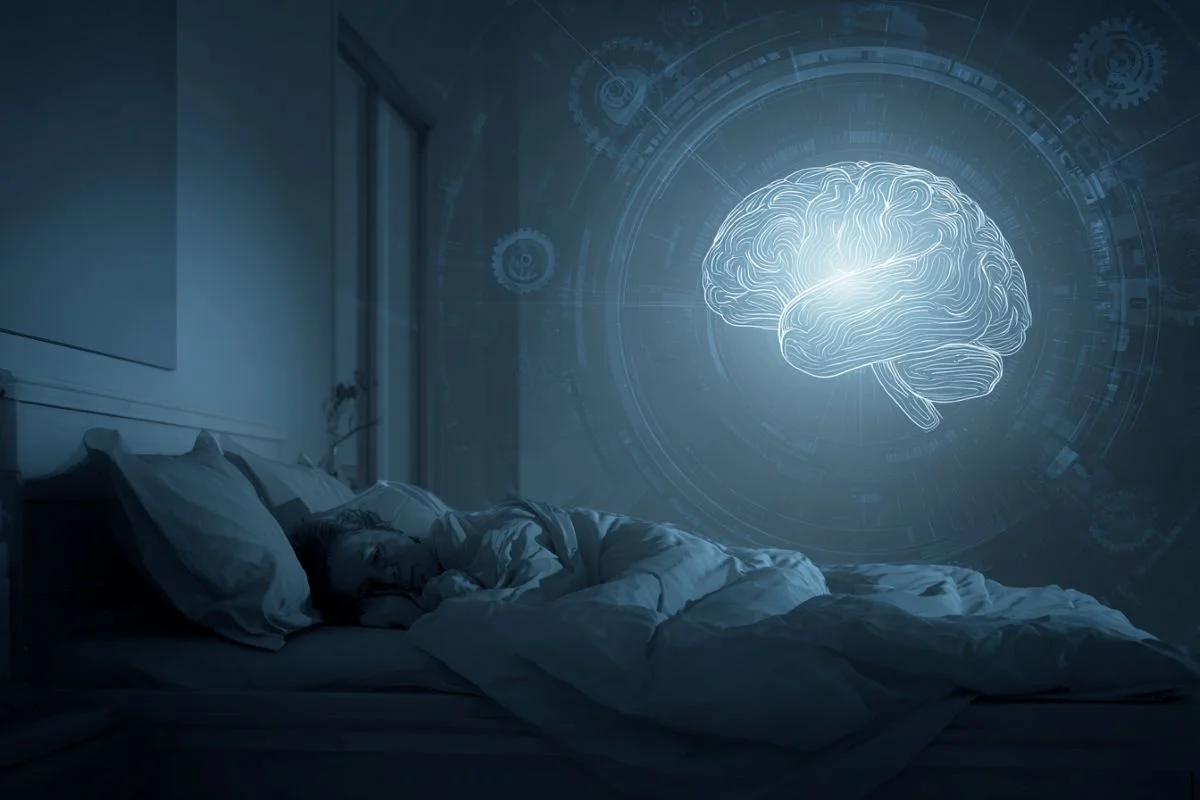
Insomnia Linked to Delayed Brain Clock That Hinders Nighttime Wind-Down
science2 days ago

Insomnia Linked to Delayed Brain Clock That Hinders Nighttime Wind-Down

Australian researchers find chronic insomnia may stem from a delayed brain circadian clock that prevents the mind from winding down at night. In a 24-hour lab study with 32 older adults, insomniacs showed weaker nighttime disengagement and about a 6.5-hour delay in cognitive peaks, indicating circadian misalignment; the work suggests circadian-focused treatments such as timed light exposure, structured routines, and mindfulness could help restore night-time brain downshifting beyond standard behavioral therapies.


Ditch doomscrolling for podcasts: a sleep doctor’s trick to quiet 3 a.m. wake-ups
wellness8 days ago

Ditch doomscrolling for podcasts: a sleep doctor’s trick to quiet 3 a.m. wake-ups

A board-certified sleep doctor recommends swapping nightly screen time (TV/doomscrolling) for audio-based wind-downs—podcasts, audiobooks, or music with a sleep timer—to reduce stimulation and light exposure, which can help with insomnia and waking up at 3 a.m. The piece also stresses a consistent pre-bed routine and a firm cutoff for screens to improve sleep quality.

Insomnia Linked to About 450,000 US Dementia Cases Annually, Study Shows
health17 days ago

Insomnia Linked to About 450,000 US Dementia Cases Annually, Study Shows

An analysis of 5,899 adults aged 65+ finds insomnia linked to higher dementia risk; using population attributable fraction, about 12.5% of US dementia cases in 2022 (~449,000) could be prevented if insomnia were eliminated. However, PAF is a model, not proof of causation. Burden is higher in women and those 85+, underscoring the need to integrate sleep health into geriatric care and pursue targeted insomnia interventions.

Sleep smarter: reclaiming nights for health and longevity
wellbeing-and-fitness22 days ago

Sleep smarter: reclaiming nights for health and longevity

The Longevity Project argues that adequate sleep—about seven to nine hours a night—is vital for heart health, immunity, and brain function, and it contrasts transient sleep disruption with chronic insomnia aggravated by stress and an always-on culture. It details how the brain and body recover during sleep (glymphatic clearance and telomere stress) and offers practical tips: morning light to set the clock, reduced evening screen time, a pre-sleep worry routine, and simple distraction if you can’t sleep; persistent insomnia may require medical attention.

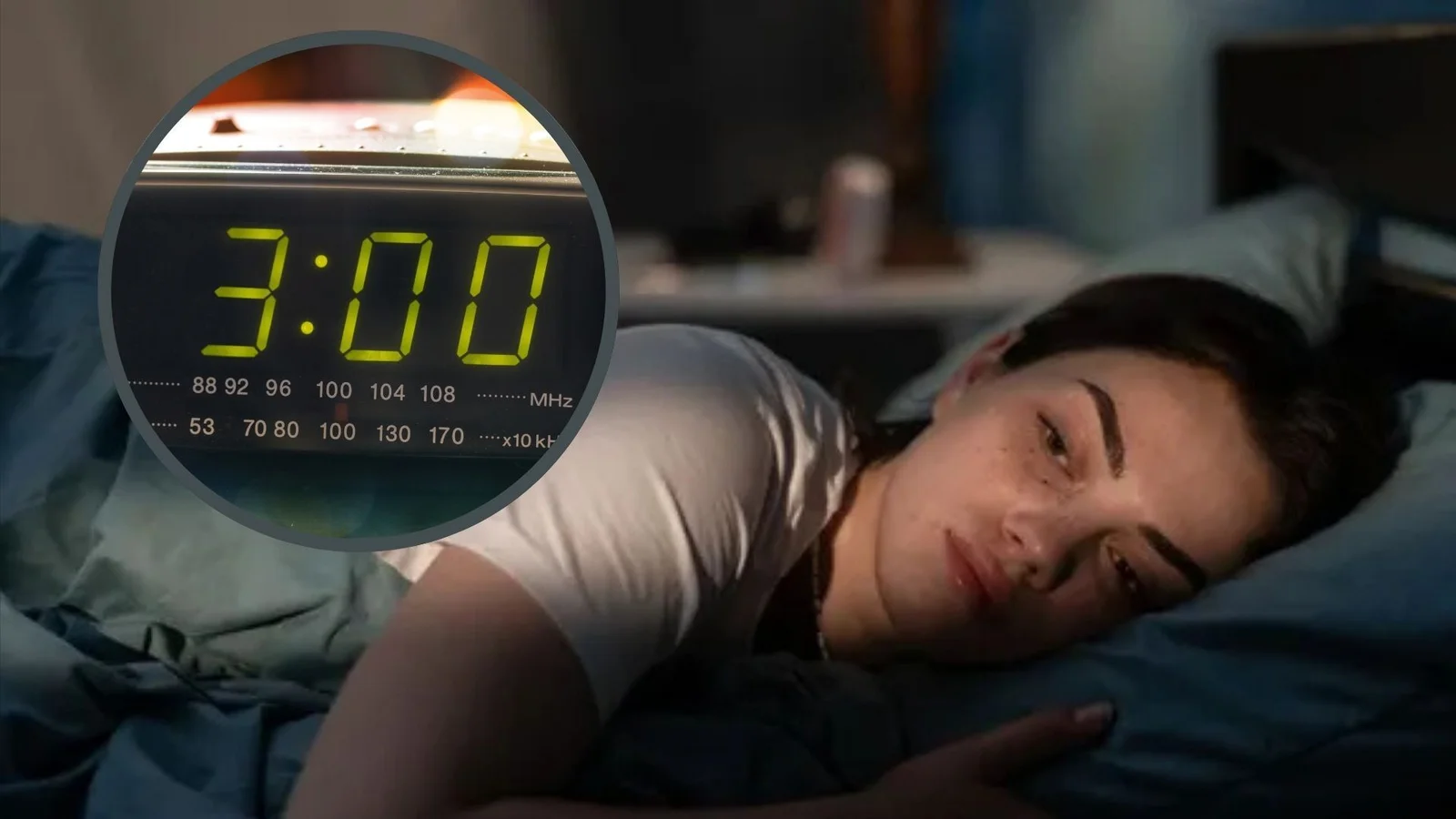
Why Your 3am Wake-Ups Might Be Hormones, Stress, or Sleep Trouble—and How to Fix It
wellness1 month ago

Why Your 3am Wake-Ups Might Be Hormones, Stress, or Sleep Trouble—and How to Fix It

The article explains that waking around 3–4am is common and can stem from hormonal shifts (perimenopause/menopause), sleep disorders (insomnia, sleep apnea), nocturnal urination, and environmental or lifestyle factors. Sleep doctors advise calming the nervous system and addressing underlying issues: use slow breathing (eg, 4-7-8), follow a 15-minute rule for sleep after waking, try cognitive shuffling to quiet thoughts, keep a consistent sleep schedule, limit evening caffeine/alcohol, and optimize the sleep environment. If wake-ups persist, seek medical evaluation for potential underlying conditions.

Expert-Backed Tips and Innovations for Better Sleep
health2 months ago

Expert-Backed Tips and Innovations for Better Sleep

The article offers expert-backed, simple strategies to improve sleep, including paradoxical intention to stay awake, avoiding lying down during wind-down, maintaining a healthy diet with sleep-promoting foods like cherries and nuts, getting morning light exposure, and keeping a consistent sleep schedule. Additional tips include distraction techniques, magnesium use, and regular exercise to enhance sleep quality and duration.

Unraveling the Insomnia Puzzle: How Circadian Disruption Keeps the Brain Awake
health2 months ago

Unraveling the Insomnia Puzzle: How Circadian Disruption Keeps the Brain Awake

New research indicates that chronic insomnia may be caused by a disruption in the body's internal clock, leading to a flattened circadian rhythm of mental activity and delayed peak alertness, which keeps the brain in a heightened state of alertness at night. The study suggests that targeting the circadian system could offer new treatment avenues for insomnia.

Melatonin and Heart Health: What You Need to Know
health3 months ago

Melatonin and Heart Health: What You Need to Know

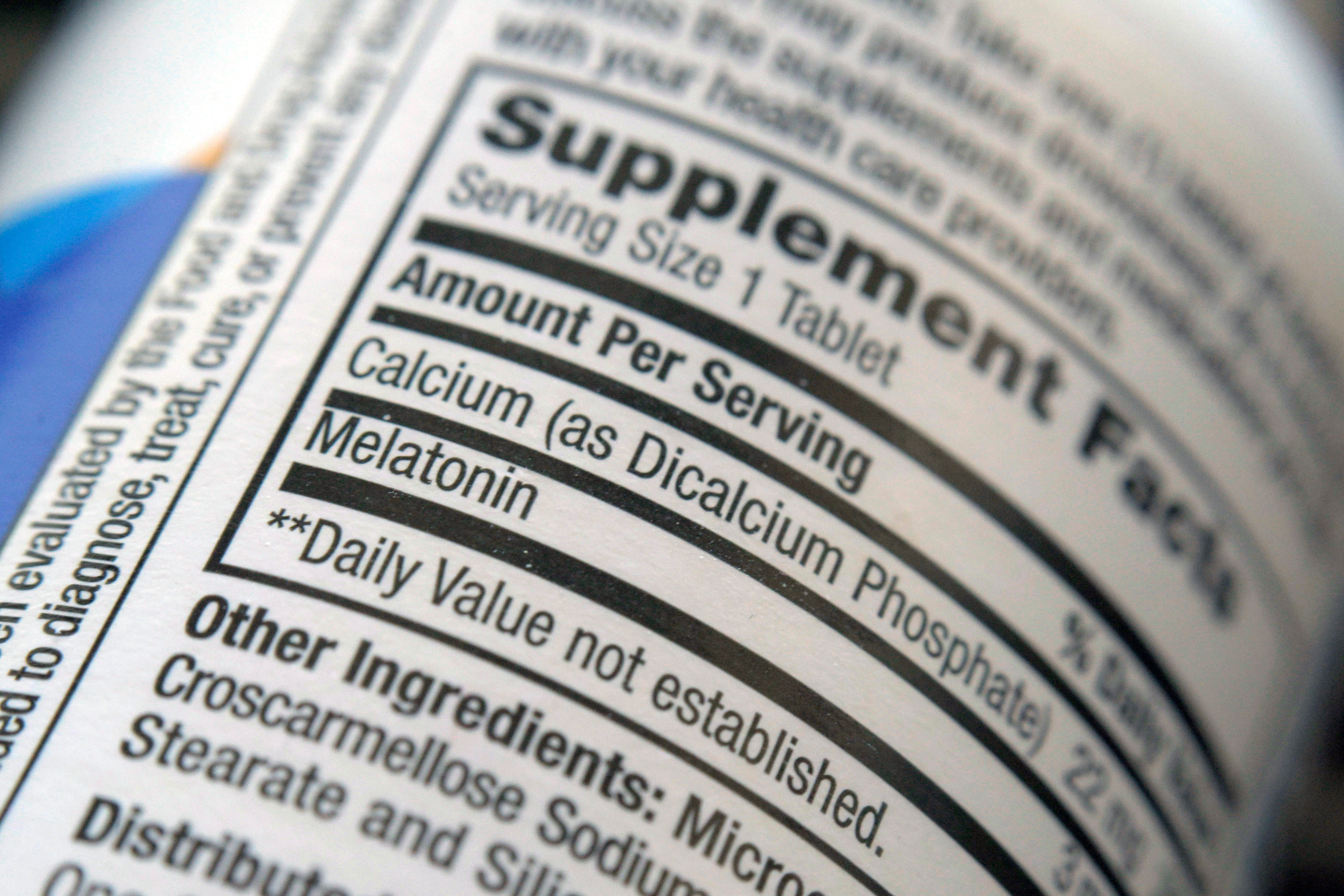
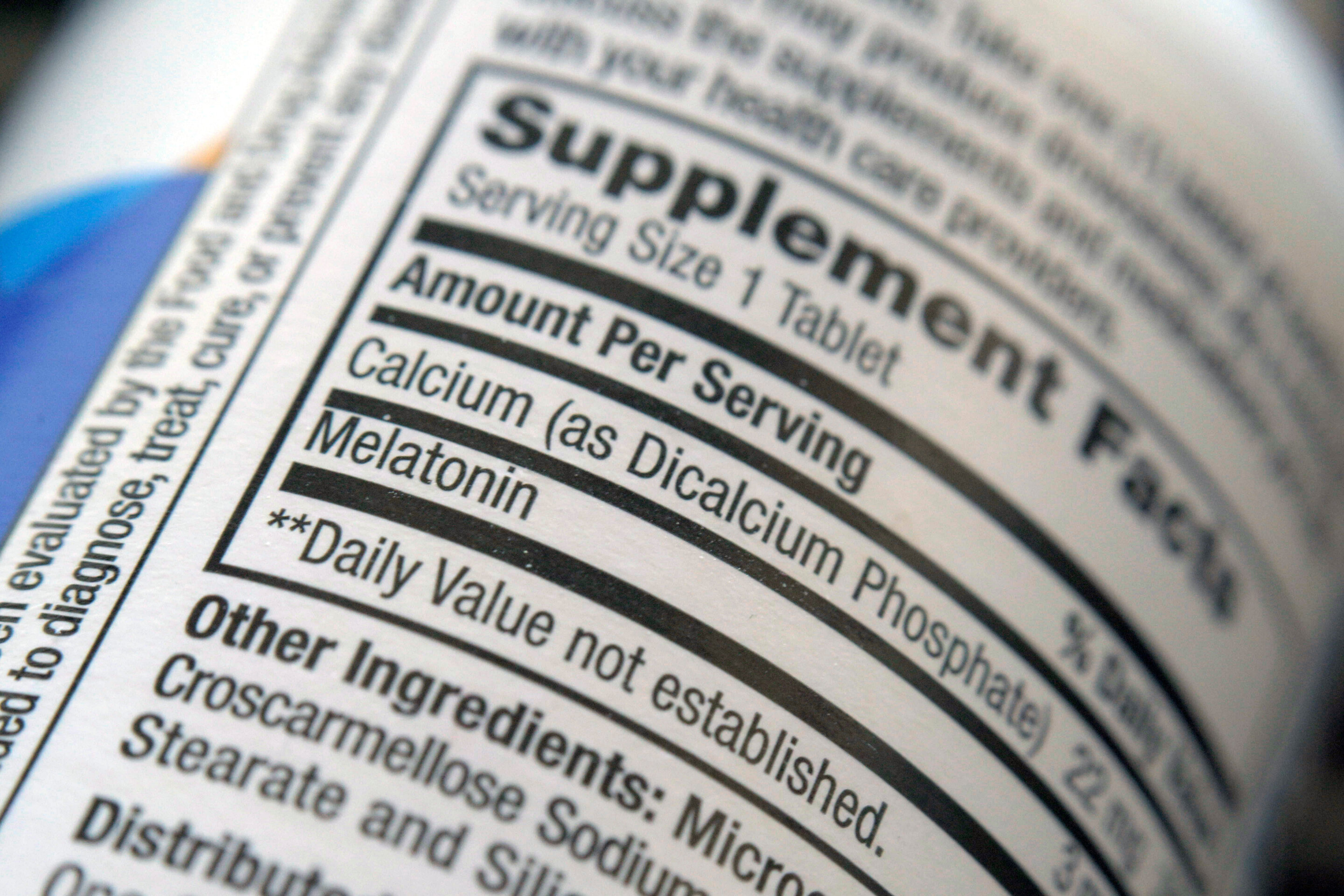
A preliminary study suggests a possible link between long-term melatonin use and increased risk of heart failure, but experts caution that the findings are not conclusive and do not warrant stopping melatonin. The study, based on electronic health records, highlights the need for further research and emphasizes consulting healthcare providers for sleep issues. Good sleep hygiene remains important for heart health.

Concerns Rise Over Melatonin's Potential Heart Risks
health3 months ago

Concerns Rise Over Melatonin's Potential Heart Risks

A preliminary study suggests a possible link between long-term melatonin use and increased risk of heart failure, but experts caution that the findings are not conclusive and emphasize the importance of consulting healthcare providers and practicing good sleep hygiene. The study, based on electronic health records, does not establish causation and highlights the need for further research.

Long-term Melatonin Use May Increase Heart Failure Risk
health3 months ago

Long-term Melatonin Use May Increase Heart Failure Risk

A recent study suggests that long-term use of melatonin supplements may significantly increase the risk of heart failure, with users experiencing up to a 90% higher risk over five years. The findings raise safety concerns about the widespread use of melatonin for sleep, emphasizing the need for further research to establish causality and explore underlying mechanisms. Medical experts recommend consulting healthcare providers for sleep issues and considering other treatments like sleep apnea testing before using supplements.