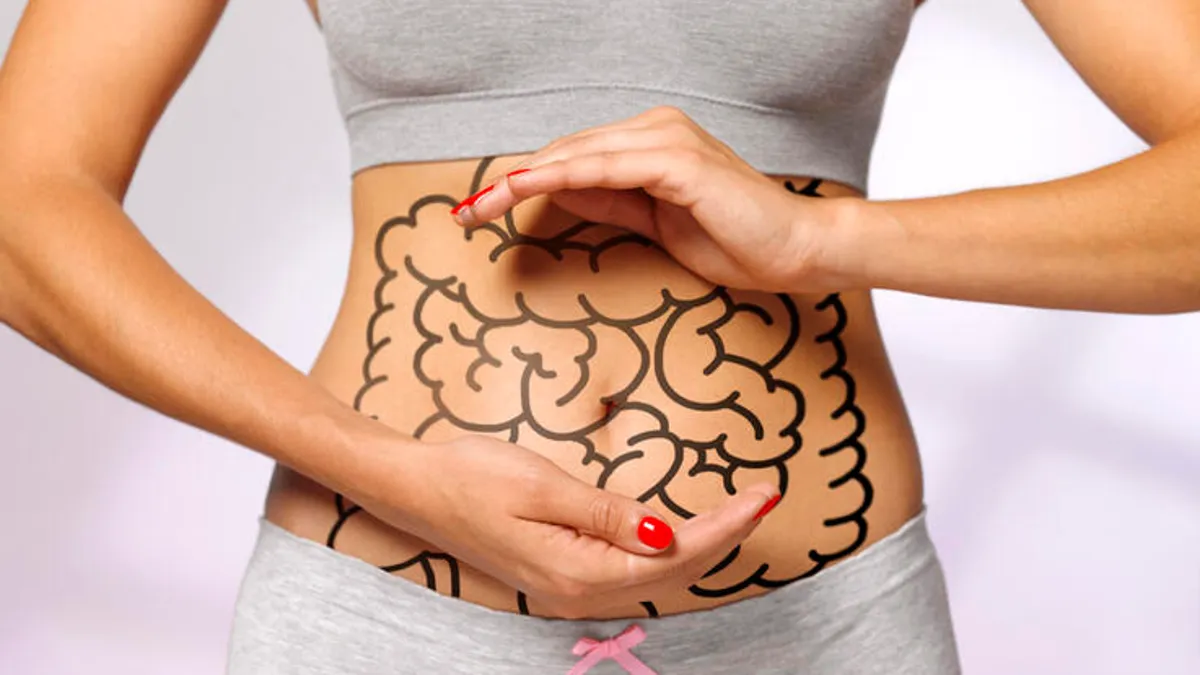
Parasites are more common than thought and can cause subtle symptoms like sugar cravings, night-time teeth grinding, itchy skin, bloating, and anemia. Diagnosis typically involves lab tests, and natural remedies may help, but professional medical advice is essential.
The article discusses common physical symptoms of anxiety, such as rapid heart rate, chills, shortness of breath, nausea, and tingling, and emphasizes the importance of recognizing these signs for proper treatment and management, including mindfulness practices and consulting healthcare professionals.
Dr. Saurabh Sethi, a gastroenterologist trained at AIIMS, Harvard, and Stanford, highlights five early signs of an unhealthy gut, including bloating, irregular bowel movements, unexplained fatigue, food intolerances, and weakened immunity, emphasizing the importance of gut health for overall well-being.
Consuming more than two grams of protein per kilogram per day can lead to negative effects such as bad breath, digestive issues, dehydration, weight gain, and no additional benefits, so moderation is recommended.
The article highlights five warning signs of an unhealthy gut, such as bloating, fatigue, and skin issues, and offers practical tips like eating fiber-rich foods, monitoring medications, taking targeted probiotics, and maintaining good sleep and exercise habits to support gut health.
The article highlights five subtle signs of pancreas problems—pale, floating stool; radiating back pain; unexpected diabetes diagnosis; nausea from high-fat foods; and rapid weight loss—that should prompt a visit to the doctor, as early detection of pancreatic issues is crucial but often challenging.
Digestive issues are increasingly common in the US, with conditions like abdominal pain, nausea, gastroenteritis, constipation, and gastrointestinal bleeding leading to many emergency visits. Factors such as poor diet, dehydration, obesity, stress, and COVID-19 exposure are contributing to this rise, highlighting the importance of awareness and medical consultation for GI symptoms.
Protein powder is popular for meeting dietary protein needs, but it can cause stomach issues like bloating and gas, especially if it contains ingredients like lactose, fermentable fibers, or is consumed too quickly. To minimize discomfort, choose plant-based options, avoid irritating additives, and slow down consumption, while ensuring adequate fiber intake from whole foods.
Certain fruits can exacerbate health conditions like diabetes, kidney issues, inflammation, and digestive problems due to their sugar, potassium, acidity, or other compounds. For example, diabetics should limit high-glycemic fruits like bananas and grapes, while those with kidney issues should avoid high-potassium fruits like bananas and oranges. People with inflammatory or skin conditions might need to steer clear of nightshade fruits and tropical fruits, respectively. It's important to personalize fruit intake based on individual health needs and consult healthcare professionals for tailored advice.
Doctors warn that the shape of your poo, particularly if it's thin or ribbon-like, could indicate serious health issues such as bowel cancer, constipation, irritable bowel syndrome, or diverticulitis. While occasional narrow stools may be harmless, persistent ribbon-like stools should prompt medical attention, especially if accompanied by other symptoms like changes in poo consistency, blood in the stool, tummy pain, or unexplained weight loss. It's important to monitor your bowel movements and seek medical advice if you notice any concerning changes.
Eggs can be beneficial for gut health, especially for those with irritable bowel diseases, due to their easily digestible protein and gut-friendly nutrients. Research has debunked the theory that egg consumption increases the risk of heart attacks or strokes. However, individual tolerance to eggs varies, and those with digestive issues like IBS or egg allergies may not tolerate them well. Overall, eggs offer nutritional benefits and can be important for people with gut issues, but it's important to consider individual tolerance and consult with a healthcare professional.
Grain-free dog food has gained popularity among pet owners due to perceived benefits for canine health, such as improved digestion, reduced allergic reactions, enhanced energy levels, weight management, and overall health and well-being. The top seven best grain-free dog food brands recommended by experts include Wellness Complete Health, Open Farm, Taste of the Wild, Acana, Merrick Grain-Free, Blue Buffalo, and Canidae. However, it is important to consult with a veterinarian before making any dietary changes for your dog.
Excessive alcohol consumption can have detrimental effects on gut health, including imbalances in gut bacteria, weakened immune system, irritation from ingredients and mixers, increased risk of diabetes, liver damage, digestive issues and bloating, mental health issues, and dehydration. To mitigate these negative effects, it is recommended to have sober days, consume foods rich in prebiotics and fiber, avoid ingredients that irritate the gut, reduce or avoid sugary alcoholic drinks, limit alcohol intake, focus on foods that optimize gut microbiome, prioritize mental wellness and relaxation, and stay hydrated by alternating alcoholic drinks with water or low-alcohol alternatives.
Excessive alcohol consumption can have detrimental effects on gut health, including imbalances in gut bacteria, compromised immune system, irritation from ingredients and mixers, increased risk of diabetes, liver damage, digestive issues and bloating, and mental health issues. To mitigate these negative effects, it is recommended to stay within drinking guidelines, consume foods rich in prebiotics, probiotics, and fiber, avoid ingredients that irritate the gut, reduce or avoid alcoholic drinks high in sugar, limit alcohol intake, focus on foods that optimize gut microbiome, cultivate a relaxation response, stay hydrated, and consider low- or no-alcohol alternatives.
As we age, our digestive system can experience changes that lead to issues such as heartburn, bloating, abdominal pain, and changes in bowel habits. The aging process can affect the nerves and muscles in the gastrointestinal tract, causing slower digestion and communication between organs. Factors like decreased saliva production, medication side effects, and chronic health conditions can further exacerbate these issues. To optimize digestion, experts recommend chewing better, stimulating saliva production, eating a plant-based diet, staying hydrated, exercising, getting enough sleep, and managing medications properly. It's important to consult a doctor if digestive issues persist or are accompanied by concerning symptoms.