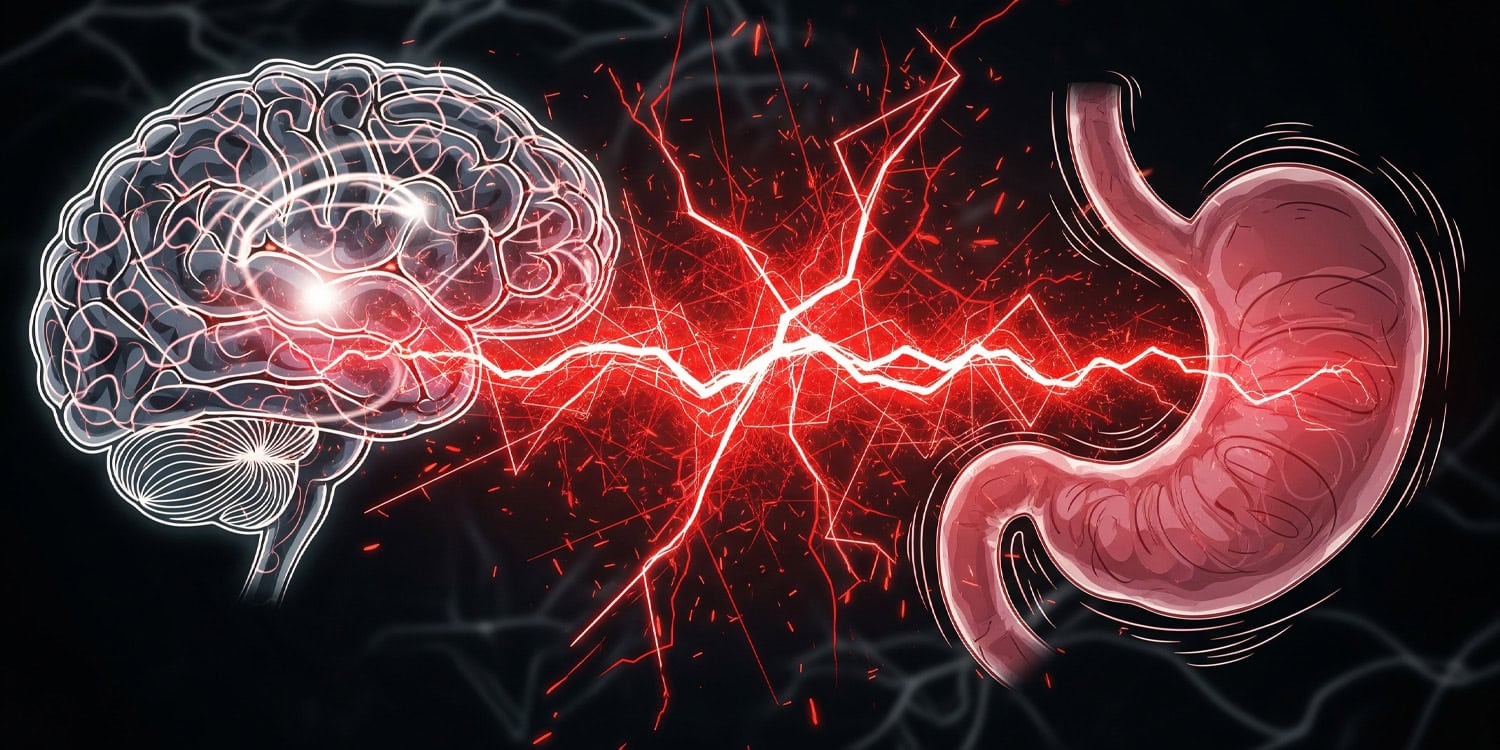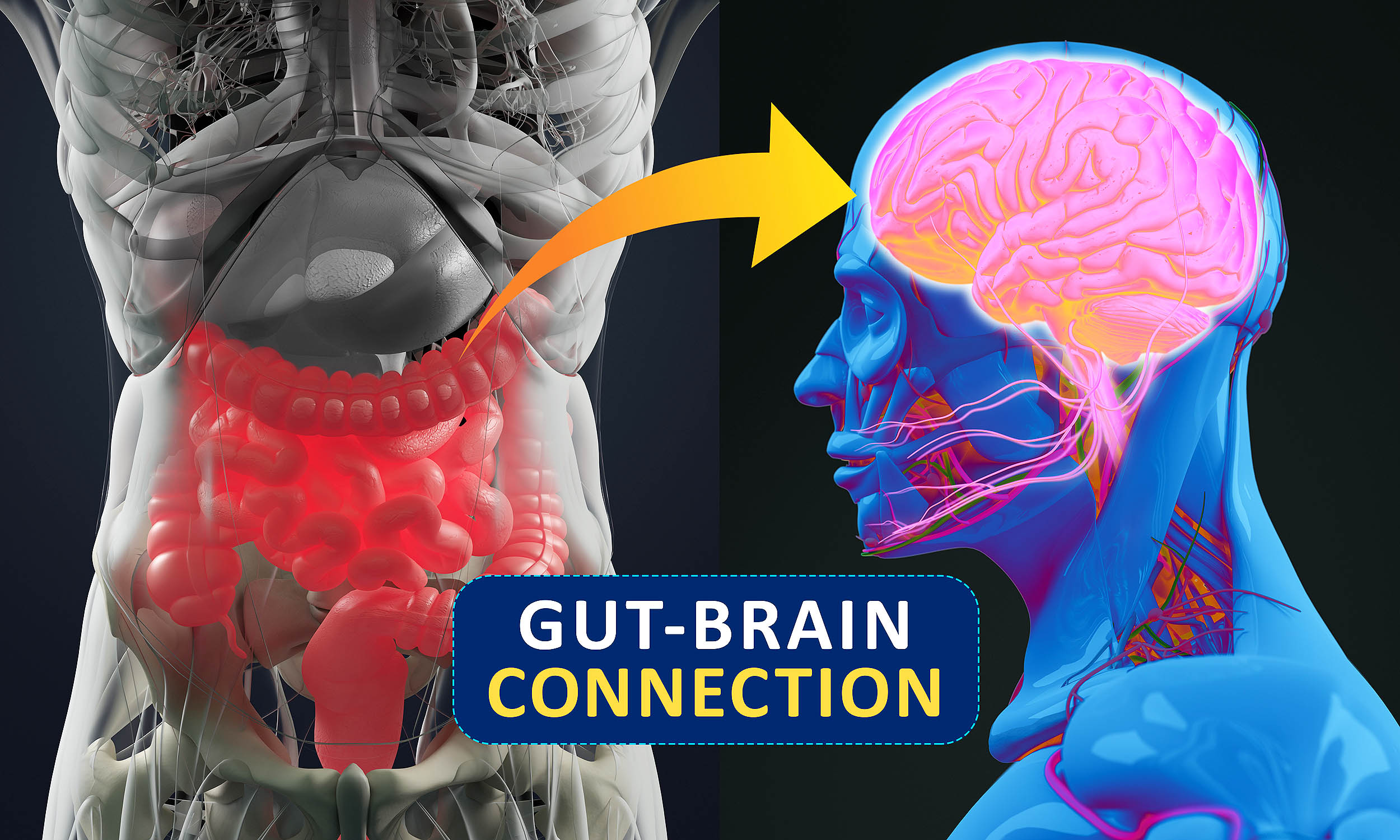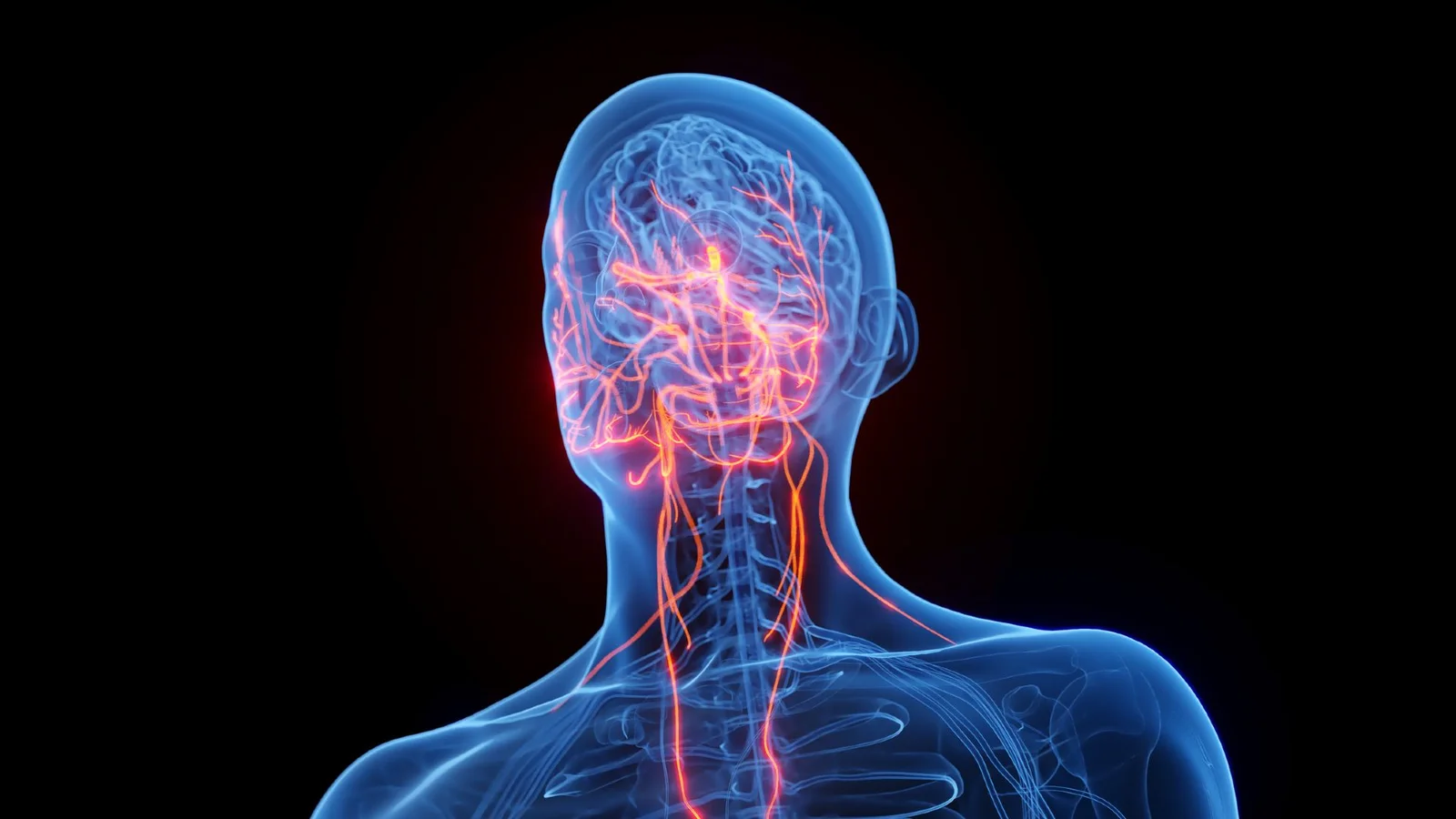
A high-fat diet disrupts the gut-brain axis by increasing serotonin in the gut while depleting it in the brain, leading to inflammation, impaired mood, and metabolic issues, highlighting the importance of gut microbiome health for mental and physical well-being.
Recent research reveals that serotonin, beyond its role in mood regulation, may influence cancer development by interacting with DNA and activating cancer-related genes. Scientists are exploring targeted epigenetic therapies and ways to modulate serotonin levels, such as using SSRIs, to potentially improve cancer treatment outcomes. Understanding serotonin's diverse functions could lead to more precise therapies in the future.
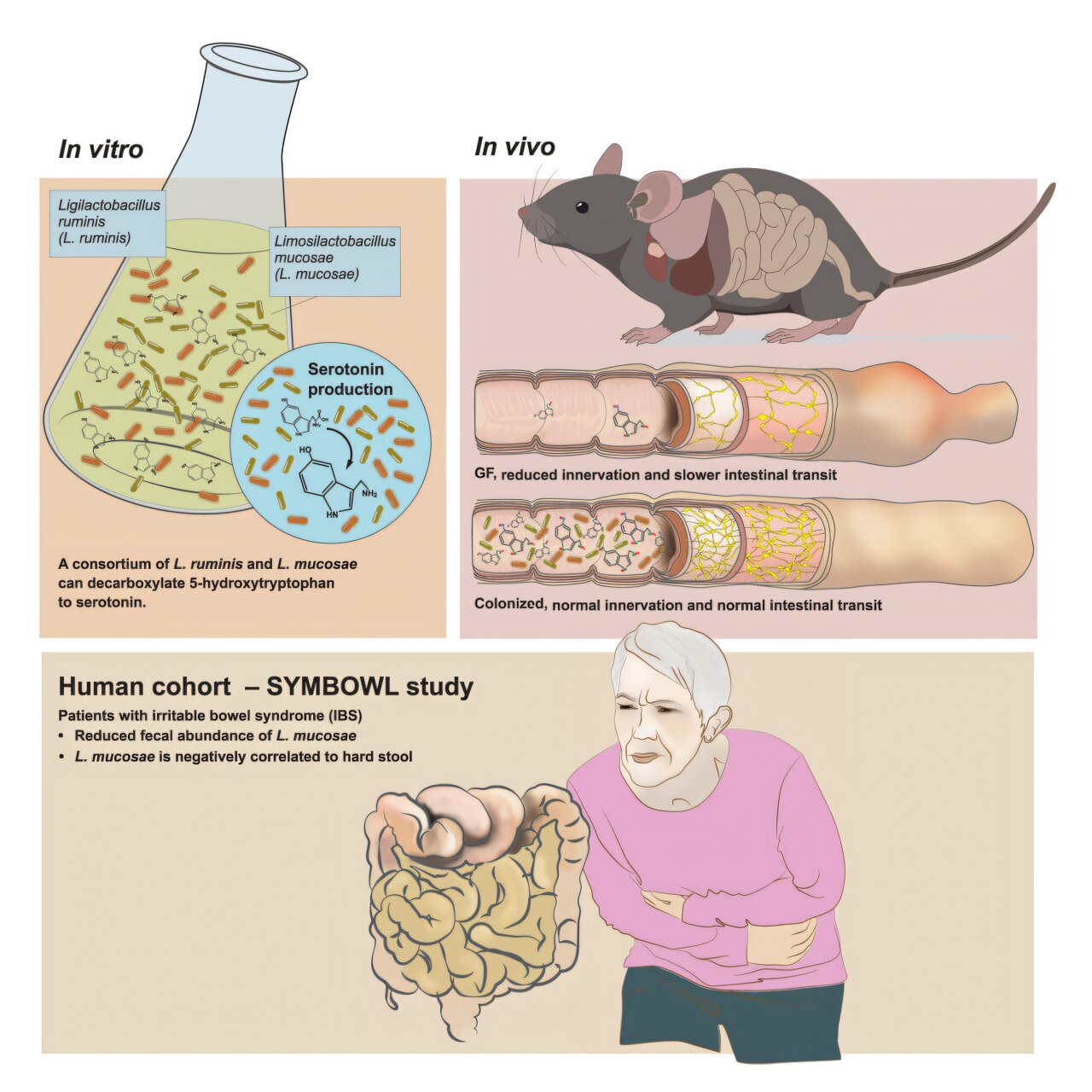
Research from the University of Gothenburg shows that gut bacteria can produce serotonin, which may lead to new treatments for irritable bowel syndrome (IBS), as certain bacteria like Limosilactobacillus mucosae and Ligilactobacillus ruminis increase serotonin levels and improve gut function, offering hope for addressing IBS symptoms.
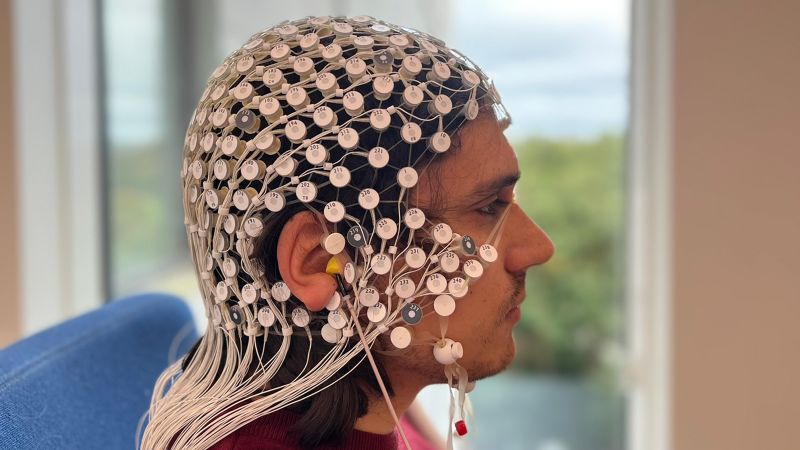
Early research suggests a brain test measuring serotonin levels via EEG could predict antidepressant-related sexual side effects, potentially allowing for more personalized depression treatment to minimize these issues.
A 2023 study by Italian scientists found that eating pasta triggers positive emotional responses similar to listening to favorite music or watching sports, due to its effect on endorphin and serotonin levels, making it a comfort food that can boost mood and reduce stress.
A new study reveals that psychedelics like LSD, psilocybin, and mescaline interact with a wide range of neural receptors beyond just serotonin, engaging multiple pathways that may explain their complex effects and therapeutic potential. These compounds activate numerous serotonin, dopamine, and adrenergic receptors, stimulating diverse intracellular signaling pathways, which could allow for the development of targeted, non-hallucinogenic therapies for mental health conditions. The findings highlight the intricate pharmacology of psychedelics and their potential for precision medicine in neuropsychiatry.
Scientists discovered how serotonergic neurons in larval zebrafish process visual feedback related to movement, using a gating mechanism that opens after swimming to help the brain learn which actions lead to successful outcomes, providing insights into neuromodulation and potential implications for understanding mood disorders.
Certain foods can naturally boost mood by supporting the production of happy hormones like serotonin, dopamine, and endorphins, which regulate mood, motivation, and stress relief.
A study in Cell Metabolism found that intermittent fasting enhances sexual behavior in aging male mice by lowering brain serotonin levels through altered tryptophan metabolism, leading to increased reproductive success despite unchanged sperm and hormone levels.
Research highlights the role of gut serotonin in mood regulation, suggesting gut-specific treatments for depression and anxiety could avoid systemic side effects. Animal studies showed increased gut serotonin improved mood without digestive issues, unlike traditional antidepressants. Human data indicated prenatal antidepressant exposure raises the risk of functional constipation in children, emphasizing the need for targeted therapies, especially during pregnancy.
A new study suggests that targeting antidepressants to gut cells may treat depression and anxiety more safely than traditional SSRIs, which can cause developmental issues in children when used during pregnancy. By increasing serotonin in the gut, researchers found reduced anxiety and depressive behaviors in mice without the side effects associated with SSRIs. This approach could offer a safer alternative for pregnant women, as it avoids exposing the fetus to potential risks linked to systemic SSRIs.
Recent research suggests that targeting gut cells rather than brain cells with SSRIs could effectively treat depression and anxiety while minimizing side effects. The study, led by researchers from Columbia University and NYU, found that increasing serotonin signaling in the gut of mice improved mood without the usual side effects of systemic SSRIs. This approach could be particularly beneficial for pregnant individuals, as it avoids risks associated with traditional antidepressants. The findings highlight the significant role of the gut-brain connection in mood regulation.
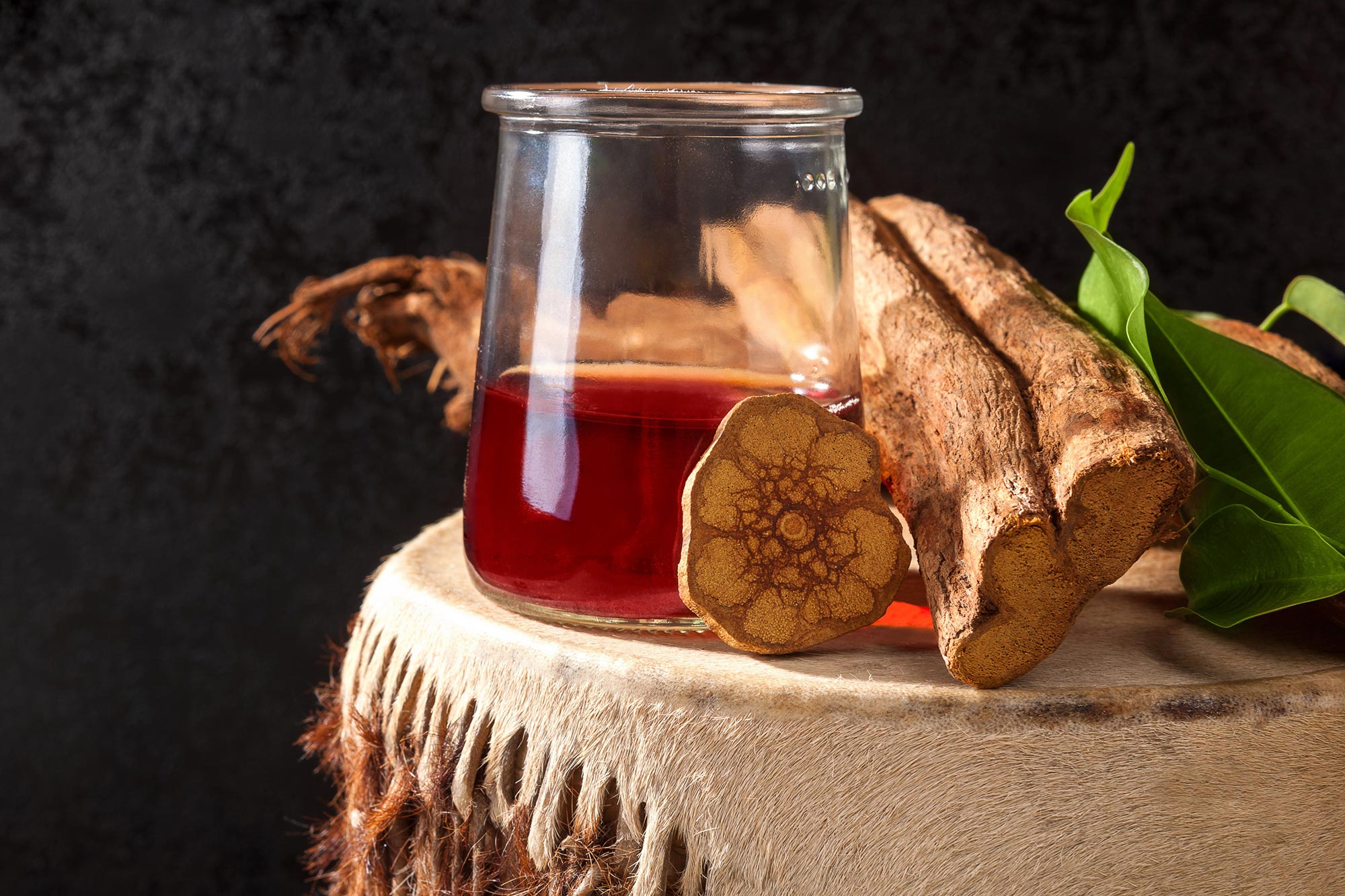
A comprehensive review of a decade's research highlights ayahuasca's potential in treating PTSD and anxiety disorders by influencing emotional processing and memory through serotonin receptors. The study, led by researchers at the University of São Paulo, underscores the need for more clinical trials to explore ayahuasca's therapeutic applications and safety considerations.
Psychotherapist Susi Lodola advises those with Seasonal Affective Disorder (SAD) to avoid staying in bed with curtains closed in the morning, as exposure to daylight is crucial for managing symptoms. SAD, often confused with winter blues, is linked to serotonin dysregulation and circadian rhythm disruption. Treatment includes light therapy, regular sleep patterns, exercise, a balanced diet, and staying socially connected. Professional help and possibly anti-depressants or vitamin D supplements may also be necessary.
A Stanford study reveals that dopamine and serotonin work in opposition to regulate learning and behavior, with dopamine acting as an accelerator for reward-seeking and serotonin as a brake for impulse control. This balance is crucial for effective learning and has implications for treating psychiatric disorders like addiction and depression. The research highlights the potential for therapies targeting the balance between these neurotransmitters to improve mental health outcomes.