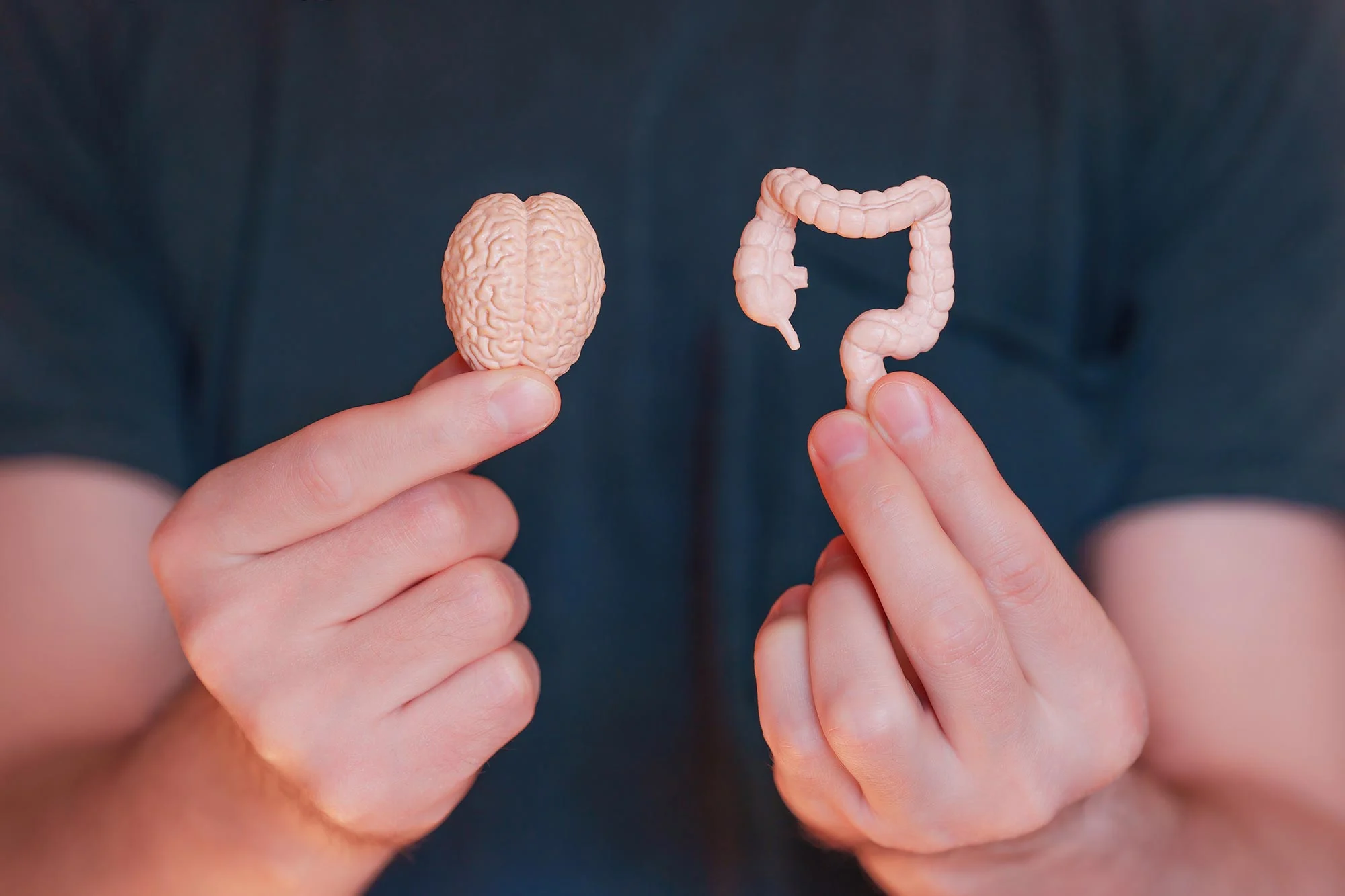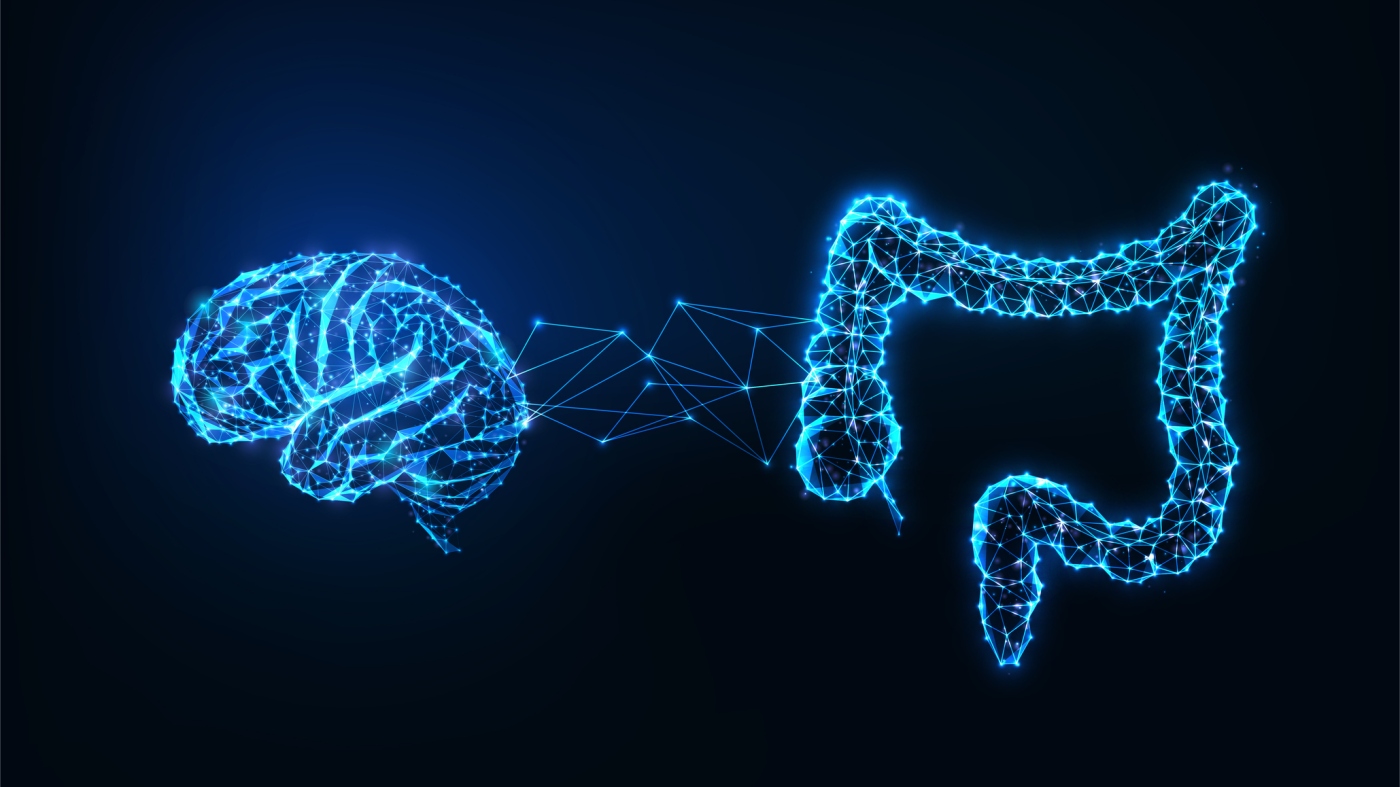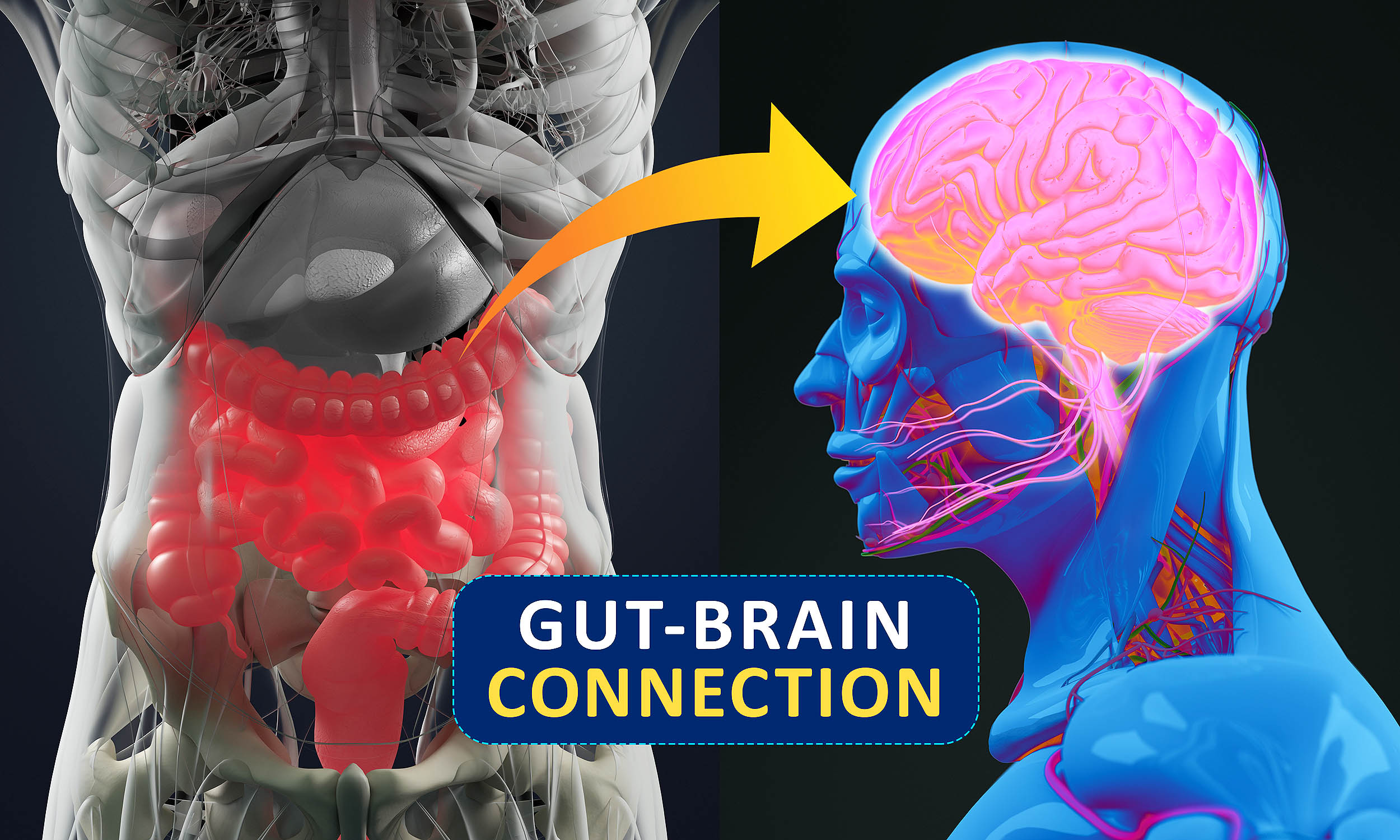
Eating fermented foods like yogurt, kefir, and sauerkraut can support gut health by providing probiotics, which in turn can enhance the gut-brain connection, potentially improving mood, stress regulation, and sleep. Incorporating these foods into your diet is simple and beneficial for overall health.

A study from Denmark and Germany found that synchronization between stomach and brain electrical patterns correlates with mental health issues like anxiety and depression, suggesting potential for new diagnostic and treatment approaches by monitoring gut signals.
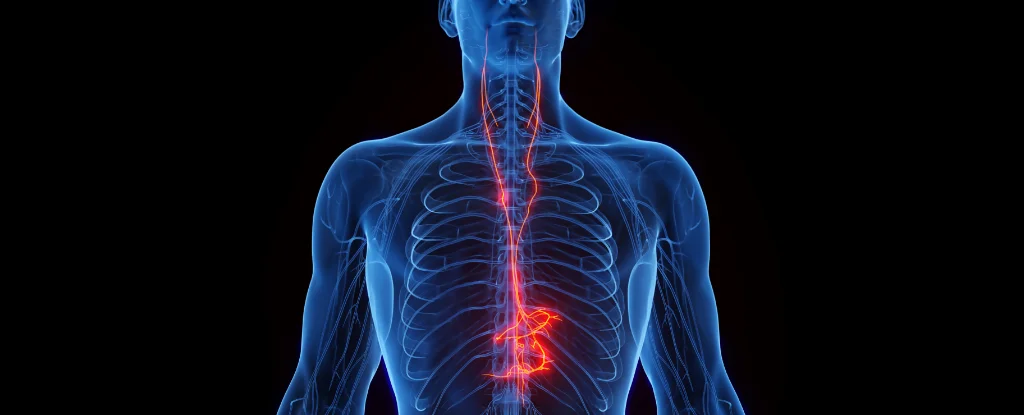
Scientists from Duke University have discovered a new neural communication system between gut microbes and the brain, involving specialized cells called neuropods that detect bacterial proteins like flagellin and send signals via the vagus nerve to regulate appetite and potentially influence behavior, revealing a 'sixth sense' linking the gut and brain in real time.
Emerging research suggests that gluten, found in bread and pasta, may contribute to mental health issues like depression and schizophrenia, especially in those with gluten sensitivity or celiac disease, due to inflammation and nutrient absorption problems. The impact varies, with some individuals experiencing mood improvements on a gluten-free diet, while others see no change, and managing such diets can also cause stress.
New research suggests the existence of a 'neurobiotic sense' where gut bacteria communicate directly with the brain via the vagus nerve, influencing appetite and mood, which could have implications for understanding and treating eating disorders and obesity.
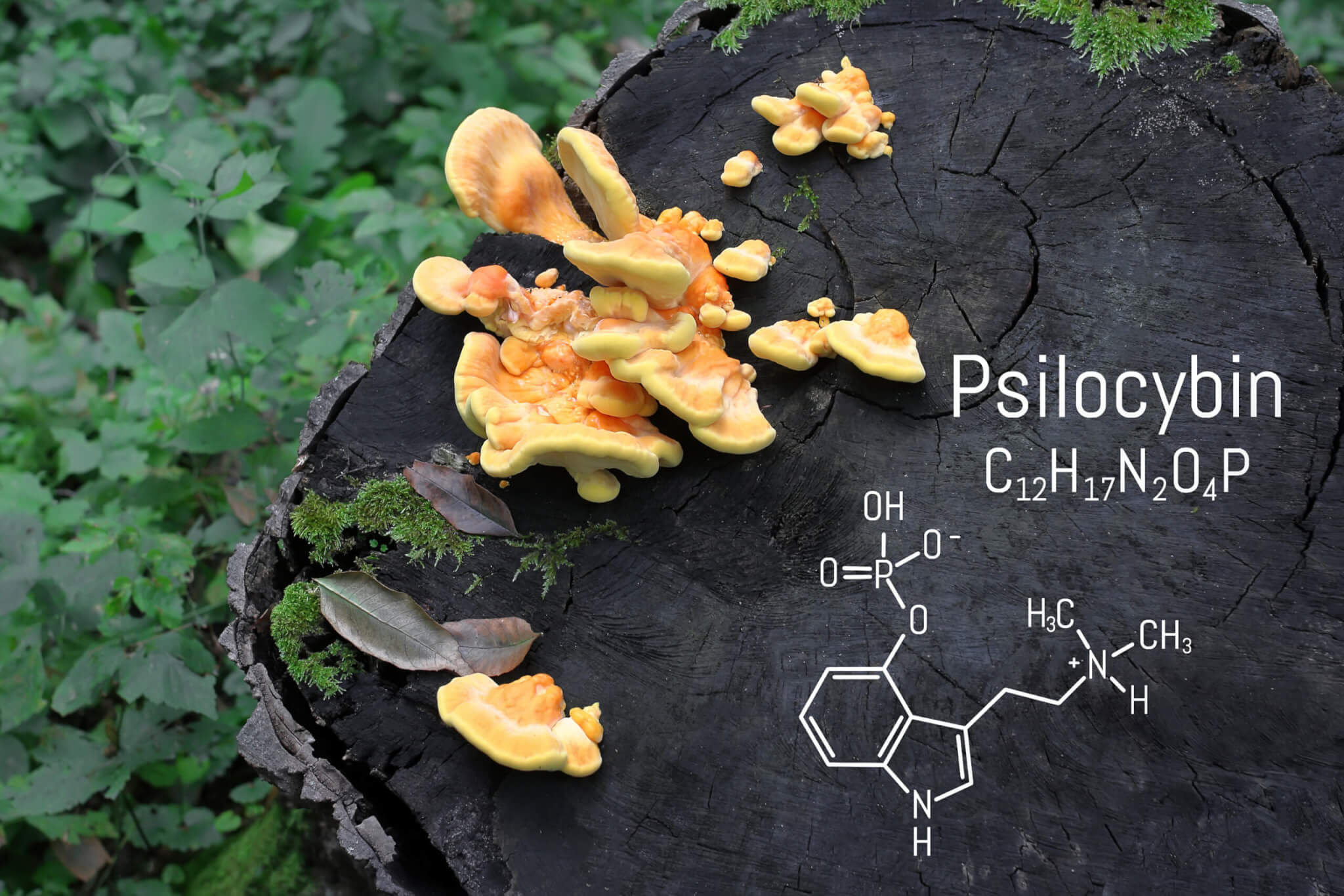
Dr. Erin Mauney is conducting pioneering research on using psilocybin, the active compound in magic mushrooms, to treat irritable bowel syndrome (IBS), especially in patients unresponsive to traditional treatments. Her approach aims to reset the mind-body connection and address psychological trauma that may contribute to physical symptoms, with early promising results. The study involves guided therapy sessions and brain imaging to explore how psychedelics might help patients better interpret internal bodily signals, offering hope for a holistic treatment option for chronic digestive issues.
Research highlights the role of gut serotonin in mood regulation, suggesting gut-specific treatments for depression and anxiety could avoid systemic side effects. Animal studies showed increased gut serotonin improved mood without digestive issues, unlike traditional antidepressants. Human data indicated prenatal antidepressant exposure raises the risk of functional constipation in children, emphasizing the need for targeted therapies, especially during pregnancy.
Researchers at Caltech have discovered two types of neurons in the abdomens of mice that control different aspects of digestion, highlighting the role of specialized neurons in the gut-brain connection. This study, published in Nature, suggests that these neurons, part of the sympathetic nervous system, can send specific messages to internal organs, affecting functions like enzyme production and gut motility. The findings could lead to targeted drug therapies for conditions like high blood pressure and irritable bowel syndrome, with fewer side effects.
Recent research suggests that targeting gut cells rather than brain cells with SSRIs could effectively treat depression and anxiety while minimizing side effects. The study, led by researchers from Columbia University and NYU, found that increasing serotonin signaling in the gut of mice improved mood without the usual side effects of systemic SSRIs. This approach could be particularly beneficial for pregnant individuals, as it avoids risks associated with traditional antidepressants. The findings highlight the significant role of the gut-brain connection in mood regulation.
Researchers have discovered specific neurons in the abdomen that control digestion, highlighting the gut-brain connection. These neurons, part of the sympathetic nervous system, have distinct roles similar to brain neurons, affecting functions like bile production and gut motility. This finding, published in Nature, suggests that specialized neurons outside the brain can act as extensions of the brain, potentially leading to targeted treatments for conditions like high blood pressure and irritable bowel syndrome.
The gut-brain connection significantly impacts mental health, influencing mood, energy, and overall well-being. The gut-brain axis, nutrient deficiencies, and blood sugar fluctuations are key factors. Gut microbes can affect cravings and mood, while nutrient-rich diets support emotional stability. Blood sugar spikes from poor food choices can lead to mood instability and cognitive issues. Mindful eating and a balanced diet can improve mental health by promoting beneficial gut bacteria and stable blood sugar levels.
Researchers report a link between sea otters and the health of kelp forests, suggesting that reintroducing otters to coastal California could improve the prospects for kelp forests. Astronomers using the MeerKAT Radio Telescope identified a strange object orbiting a pulsar in the Milky Way, potentially a black hole/pulsar binary or a neutron star. A study suggests positive effects on cognition from taking daily multivitamins, particularly for older adults. Nutritionists have discovered a new gut-brain connection that drives cravings for sugar and fat, finding separate craving pathways and the combined effect of fats and sugars on overeating in mice.
Nutritional psychiatry suggests that certain foods can improve mental health by affecting the gut-brain connection. Nutritional psychiatrist Uma Naidoo recommends an anti-anxiety diet high in whole foods and low in refined carbohydrates, added sugars, and unhealthy fats. Seven brain foods that can help beat anxiety include extra dark chocolate, leafy greens, cruciferous vegetables, avocados, green tea, omega-3 sources like chia seeds and fatty fish, and fiber-rich beans and lentils. These foods are rich in nutrients that can boost mood, reduce anxiety symptoms, and improve gut health, contributing to overall mental well-being.
A UC Riverside study published in Scientific Reports reveals that high-fat diets, particularly those including soybean oil, can alter gene expression related to obesity, colon cancer, immune function, and brain health, and may increase COVID-19 risk by upping ACE2 expression. Mice fed high-fat diets showed changes in gut microbiota and increased susceptibility to infectious diseases. The research underscores the complex impact of dietary fats on health and the importance of considering long-term dietary habits, rather than short-term indulgences, in assessing risk factors for various diseases.
Nutritional psychiatrist Dr. Uma Naidoo explores the connection between food and anxiety in her new book, "Calm Your Mind with Food: A Revolutionary Guide to Controlling Your Anxiety." She emphasizes the importance of understanding the gut-brain connection and the impact of immunity on anxiety. Dr. Naidoo recommends the Mediterranean Diet as a starting point, encouraging the inclusion of a variety of colorful plants and vegetables, healthy proteins, fats, and complex carbohydrates. She advocates for an inclusive approach to eating, rejecting perfectionism and restriction, and instead focusing on making healthy choices that support mental well-being.