In her first staff address, FDA’s top drug regulator Tracy Beth Høeg pledges tougher safety monitoring of antidepressants used in pregnancy and RSV monoclonal antibodies for infants, signaling a broader push to reexamine oversight and encouraging staff to question norms.
Russia is experiencing a sharp rise in antidepressant use amid the ongoing war with Ukraine and economic strain, with 2025 sales totaling about 22.3–23.5 million packages—roughly a 36% rise from 2024 and well above pre-pandemic levels—as the pharmaceutical market grows to around $273 million; experts warn antidepressants are sometimes overused and advocate psychotherapy as a first line of treatment, highlighting the war’s broad emotional toll on daily life.
Antidepressants have helped some people for decades, but research shows they often provide only modest relief overall, with no reliable way to predict who will benefit. The history traces from iproniazid and imipramine to SSRIs and beyond, while meta-analyses indicate small improvements over placebo and low remission rates for many drugs. Ketamine offers rapid relief for some with treatment-resistant depression, challenging the idea that depression is a simple chemical imbalance. Precision psychiatry aims to tailor treatments via blood tests and genetic or neural markers, but this approach is still years away from routine practice. The field continues to wrestle with what depression actually is and how to best help the millions affected.
Meta-analyses cited by a researcher suggest vitamin D and omega-3 supplements may reduce depressive symptoms more than common antidepressants: amitriptyline shows an effect size of about 0.417 vs placebo, omega-3 around 0.558 (1500 mg/day with at least 60% EPA), and vitamin D about 1.82 (5000 IU/day). These findings come from Cipriani 2018 (antidepressants), Sublette 2011+ (omega-3), and Ghaemi 2024 (vitamin D), but all estimates carry large uncertainty and official doses are blamed as “too low.” While supplements are cheap and generally safe, some caveats apply (kidney stones or blood thinners require medical advice). More research is needed, but the article argues trying these might be reasonable for some people under supervision.
A UK review of clinical trials finds that exercise can effectively reduce depression symptoms, comparable to therapy or medication, especially in the short term, and should be considered a valuable treatment option alongside traditional methods.
The article discusses the lack of research on how SSRIs, commonly prescribed antidepressants, affect the sexual development of teenagers, highlighting concerns about potential long-term sexual side effects in young people.
Scientists have identified the brain chemical SGK1 as a key factor linking childhood trauma to adult depression and suicidal thoughts. Elevated SGK1 levels are associated with increased risk, and inhibiting this chemical could lead to new, more effective antidepressants, especially for those with early life adversity. Studies in animals and genetic data support targeting SGK1 for future treatments.
A comprehensive study published in The Lancet highlights that antidepressants can cause significant physical changes such as weight gain, blood pressure, and heart rate variations, emphasizing the need for personalized treatment plans and shared decision-making between doctors and patients.
A comprehensive study analyzing over 150 clinical trials found that newer antidepressants like SSRIs generally have fewer physical side effects compared to older medications, providing valuable data to help personalize treatment choices, though individual responses may vary.
A comprehensive analysis of 30 antidepressants reveals significant differences in their physical side-effects, emphasizing the importance of personalized prescribing based on individual health profiles and preferences, supported by a new decision-making tool for doctors and patients.
A study published in The Lancet analyzing over 58,000 participants found that antidepressants cause a wide range of physiological side effects, including weight changes and heart rate variations, highlighting the importance of personalized treatment plans.
A new study ranks antidepressants based on their physical side effects within the first eight weeks of treatment, revealing significant differences that could influence personalized medication choices and improve patient outcomes. The research highlights the importance of matching antidepressants to individual health profiles to minimize risks like weight gain, blood pressure changes, and heart rate variations.
The article discusses the rise of antidepressant use among Gen Z, fueled by social media and a culture of self-optimization, despite the lack of increased happiness and the potential risks and side effects of medication. It critiques the romanticization of mental illness and questions whether this trend offers genuine solutions or a false sense of control.
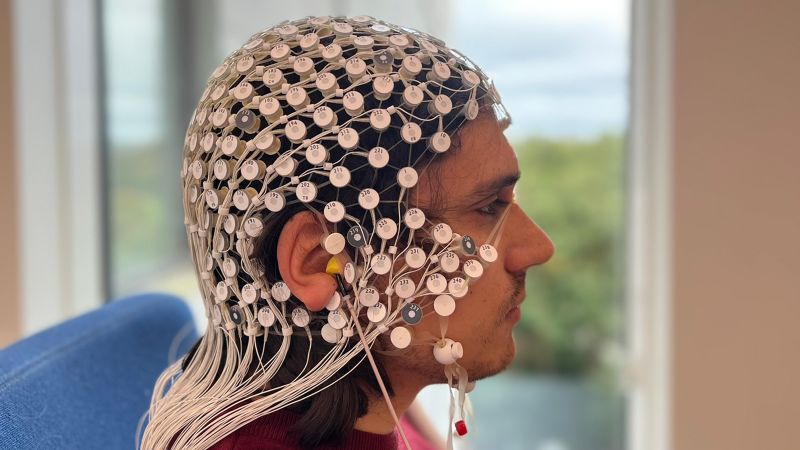
Early research suggests a brain test measuring serotonin levels via EEG could predict antidepressant-related sexual side effects, potentially allowing for more personalized depression treatment to minimize these issues.
New research warns that combining antidepressants and beta blockers may significantly increase the risk of dangerous heart conditions, such as low blood pressure and slow heart rate, though more studies are needed to confirm these findings.