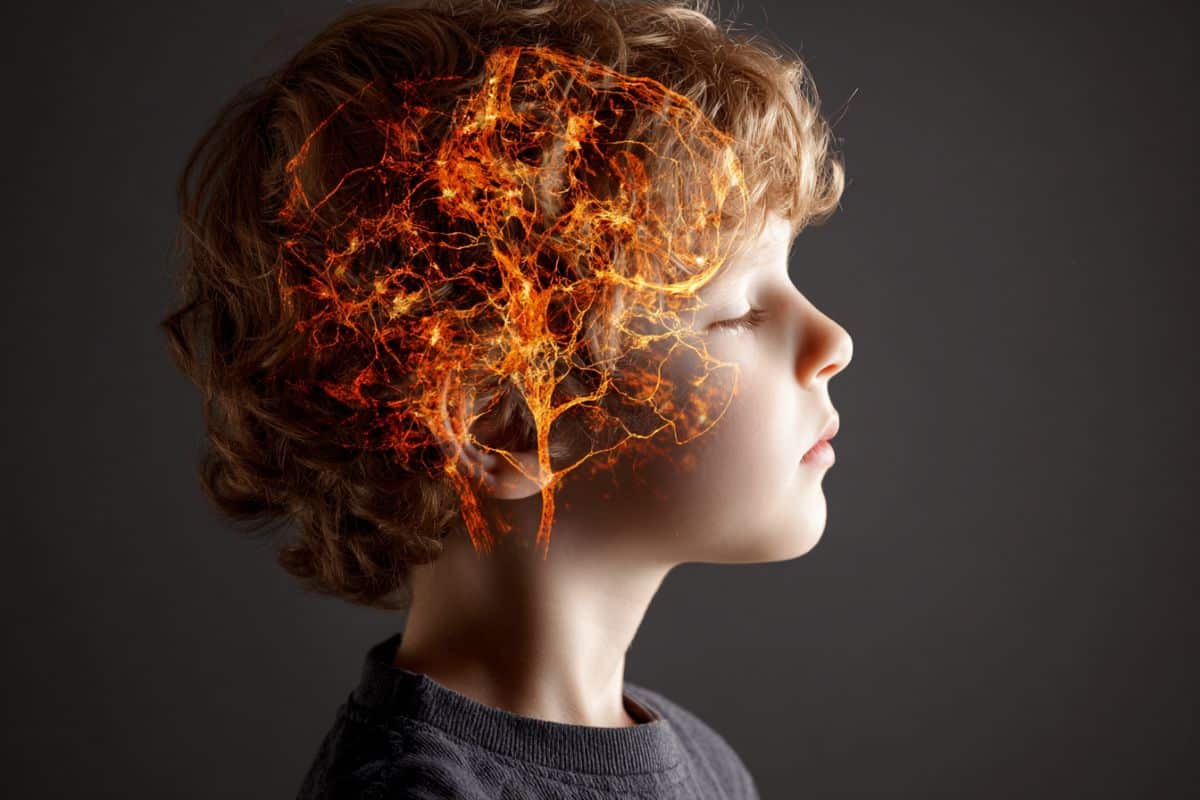
Yale researchers found that autistic adults have reduced availability of the mGlu5 glutamate receptor across the brain, supporting the theory that an imbalance in excitatory and inhibitory signaling contributes to autism traits. EEG data correlated with receptor levels suggest a potential accessible diagnostic tool, and targeting mGlu5 could lead to new treatments. The study offers rare molecular insight into autism, with future research planned in children and individuals with intellectual disabilities.
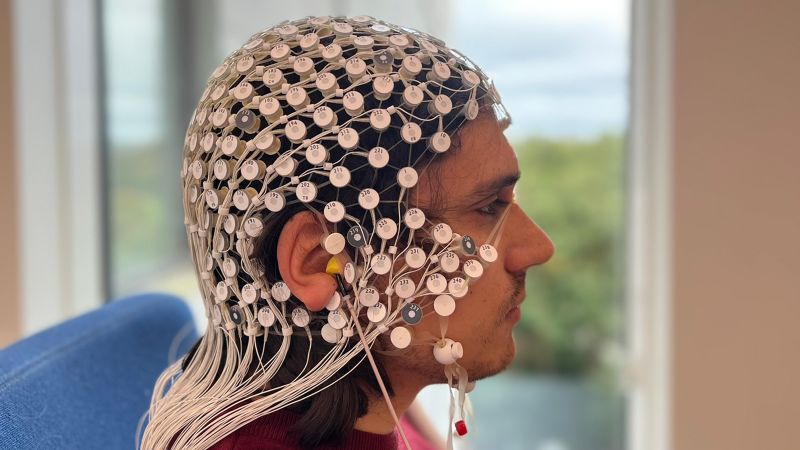
New wearable devices that read brain waves using EEG technology are emerging, aiming to improve sleep, boost productivity, and enable brain-controlled devices, with applications ranging from health treatment to gaming, raising privacy concerns about neuro data security.
A study using brain scans reveals that falling asleep involves a sudden 'tipping point' about 4.5 minutes before sleep begins, allowing for precise prediction of sleep onset and potential applications in diagnosing sleep disorders and monitoring brain health.
A large-scale international study challenges the idea that dreaming only occurs during REM sleep, showing that parts of the brain remain alert and can generate dreams during deep NREM sleep, with AI models being developed to detect dreams based on brain activity. This research broadens understanding of consciousness during sleep and has potential medical applications, including early detection of cognitive disorders like Alzheimer's.
Surgically disconnecting part of the brain in children with epilepsy causes that region to exhibit sleep-like slow brain waves, even while the person remains awake, raising questions about the nature of consciousness and brain activity after disconnection.
A study found that surgically disconnected brain hemispheres in awake epilepsy patients exhibit persistent sleep-like slow-wave activity for years, suggesting reduced or absent consciousness, and raising questions about the nature of awareness in isolated neural tissue.
A study found that soft and joyful music can significantly reduce motion sickness, with soft music decreasing symptoms by 56.7% and joyful music by 57.3%, offering a simple, non-invasive way to improve travel comfort.
Early research suggests a brain test measuring serotonin levels via EEG could predict antidepressant-related sexual side effects, potentially allowing for more personalized depression treatment to minimize these issues.
A study reveals that the brain's attention system first broadly prepares to focus on general features like color or movement within 240 milliseconds, then quickly narrows down to specific details such as the exact color or direction in about 400 milliseconds, highlighting a hierarchical process that could inform understanding of attention disorders.
A study shows that breath-based meditation, specifically Sudarshan Kriya Yoga, shifts brain activity into a deeply relaxed state characterized by increased theta and delta waves and decreased alpha activity, supporting its potential for promoting mental well-being. The research used EEG to analyze brain changes during different stages of the practice, revealing consistent patterns across experienced practitioners and highlighting the technique's ability to facilitate access to meditative states.
A study shows that listening to cheerful or soft music can significantly reduce car sickness symptoms, with joyful tunes decreasing nausea by over 57%, offering a non-invasive, low-cost relief method for motion sickness sufferers.
A study suggests that listening to uplifting or soft music can reduce motion sickness symptoms, with joyful music decreasing nausea by 14%, while sad music may worsen it. The research, involving EEG monitoring, indicates that positive music might help alleviate discomfort during travel, though further studies are needed due to small sample size.
Scientists found that listening to soft and joyful music can significantly reduce motion sickness symptoms, with brain activity measurements supporting these findings, suggesting music as a non-invasive remedy for travel-related nausea.
A three-minute EEG-based brainwave test shows promise in detecting early memory issues linked to Alzheimer's disease, potentially allowing for earlier intervention and better targeting of new drugs, though larger studies are needed to confirm its predictive power.
Scientists used EEG and fMRI scans to study 'mind blanking,' a brief state where conscious thought stops, revealing that during this state, brain activity slows down and shows hyperconnectivity similar to deep sleep, possibly serving as a brain reset mechanism.