Tag

Ibs

All articles tagged with #ibs

health-and-wellness2 months ago

Top Low-FODMAP Foods for Reduced Bloating and Improved Digestion

The article explains the low-FODMAP diet, which involves avoiding certain fermentable carbohydrates that can cause bloating, gas, and other digestive issues, especially for those with IBS. It highlights which foods are low in FODMAPs, such as certain vegetables, fruits, meats, nuts, and seeds, and discusses the importance of working with a healthcare professional to avoid nutritional deficiencies while managing symptoms.

health7 months ago

Boost Your Health with More Fiber: Top Tips and Essential Nutrients

A gastroenterologist emphasizes the importance of increasing fibre intake for better weight control, cholesterol, and gut health, highlighting that most people are fibre-deficient and recommending psyllium as an effective supplement for irritable bowel syndrome (IBS). He advises adding fibre gradually to avoid bloating and explains the different roles of soluble and insoluble fibre in managing diarrhea and constipation.

health7 months ago

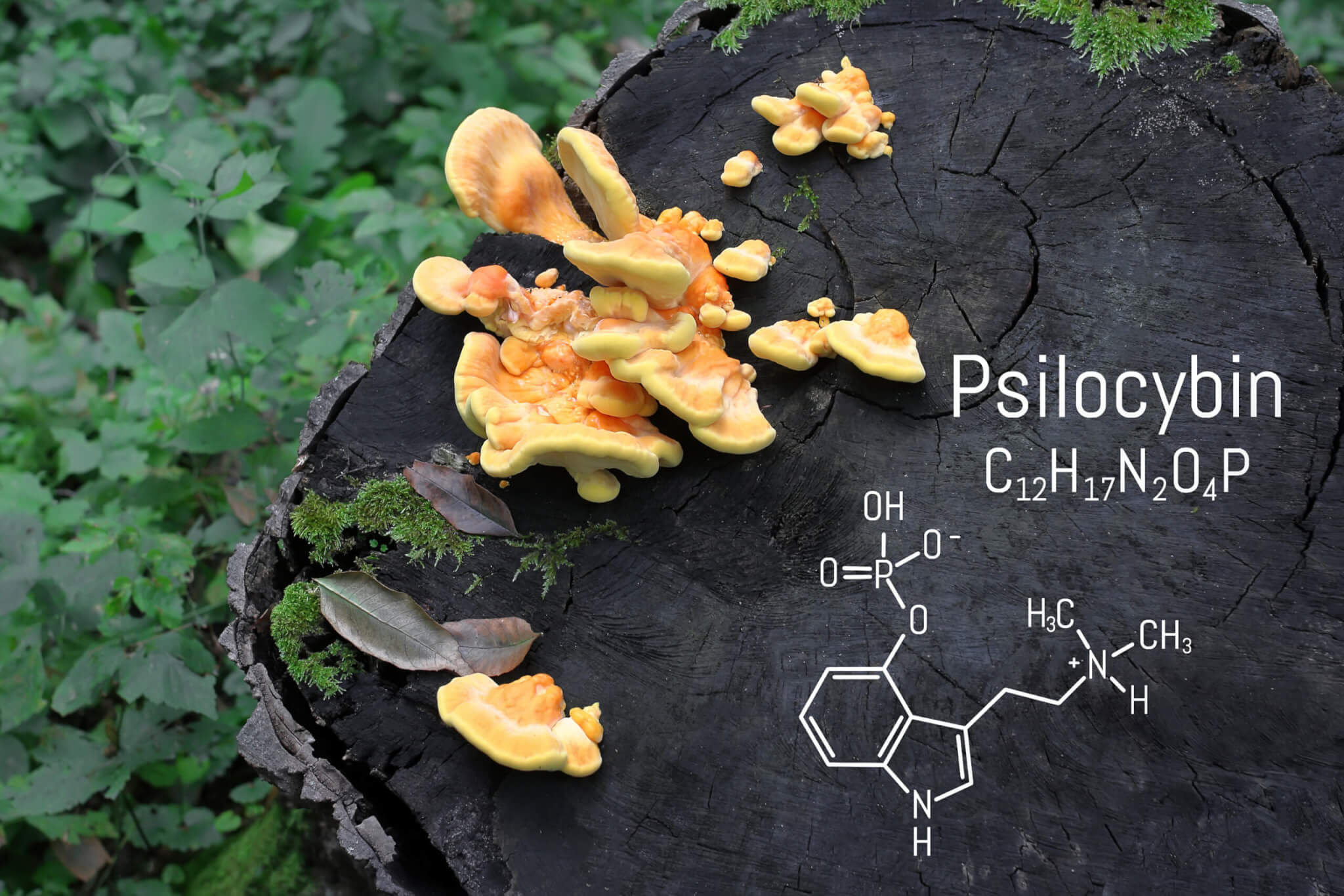
Doctor Tests Psilocybin as Potential IBS Treatment

Dr. Erin Mauney is conducting pioneering research on using psilocybin, the active compound in magic mushrooms, to treat irritable bowel syndrome (IBS), especially in patients unresponsive to traditional treatments. Her approach aims to reset the mind-body connection and address psychological trauma that may contribute to physical symptoms, with early promising results. The study involves guided therapy sessions and brain imaging to explore how psychedelics might help patients better interpret internal bodily signals, offering hope for a holistic treatment option for chronic digestive issues.

health1 year ago

The Impact of COVID-19 on Gut Health

COVID-19 can lead to persistent gastrointestinal issues, such as postinfectious irritable bowel syndrome (IBS), as seen in Sarah Carter's case. Gastroenterologists have observed an increase in gut conditions linked to previous coronavirus infections, with symptoms like diarrhea, bloating, and pain persisting for months. The virus may cause these issues by increasing inflammation and disrupting the gut microbiome. Treatments include dietary changes, medications, and psychological support, though recovery times vary. Women appear more affected than men, and anxiety can exacerbate symptoms.

health1 year ago

Morning Habits and Foods for Optimal Gut Health

Gut health issues, including acid reflux, IBS, and coeliac disease, are on the rise due to factors like processed diets and obesity. Experts highlight the importance of recognizing symptoms such as bloating, diarrhea, and constipation, which can indicate underlying conditions. Treatments range from lifestyle changes and medications to surgery. Probiotics and dietary adjustments, like the low-FODMAP diet, can help manage symptoms. Red flags for serious conditions include persistent symptoms, unexplained weight loss, and blood in stool, warranting medical attention.

health1 year ago

Why You Might Need to Poop Immediately After Eating

The urge to poop right after eating is a normal bodily response known as the gastrocolic reflex, where eating stimulates movement in the colon. This reflex can be more pronounced in some people, especially those with conditions like irritable bowel syndrome (IBS). Factors such as stress, diet, and certain foods like coffee and high-fat meals can exacerbate this reflex. Managing an overactive gastrocolic reflex may involve dietary adjustments, stress management, or medication. Consulting a healthcare professional is recommended for persistent or disruptive symptoms.

health1 year ago

"Low-Carb Diet Rivals Elimination Diets and Drugs for IBS Relief"

A new study published in The Lancet Gastroenterology and Hepatology found that dietary changes, specifically low-carb and low FODMAP diets, can significantly reduce IBS symptoms more effectively than medications. The study involved 294 Swedish adults and showed that 76% of participants on the low FODMAP diet and 71% on the low-carb diet reported symptom relief, compared to 58% in the medication group. The findings suggest that dietary interventions may be a more cost-effective and simpler approach to managing IBS symptoms.