Tag

Brain Chemistry

All articles tagged with #brain chemistry

Understanding Why Some Struggle to Quit Alcohol Despite Risks

Originally Published 2 days ago — by CNN

Featured image for Understanding Why Some Struggle to Quit Alcohol Despite Risks
Source: CNN

Research and expert insights explain why some people struggle to stop drinking despite negative consequences, highlighting the roles of brain wiring, psychological traits, environment, and the development of tolerance, with emphasis on the importance of support and behavioral change for those with alcohol use disorder.
Tobacco and Cannabis Use Depletes Brain's 'Bliss Molecule'

Originally Published 2 months ago — by SciTechDaily

Featured image for Tobacco and Cannabis Use Depletes Brain's 'Bliss Molecule'
Source: SciTechDaily

A study using PET scans found that co-using cannabis and tobacco alters brain chemistry by increasing FAAH enzyme levels, which reduces the activity of the 'bliss molecule' anandamide, potentially explaining higher depression, anxiety, and addiction challenges in users of both substances. This research could guide new treatments for cannabis use disorder, especially among tobacco co-users.

Low Choline Levels May Contribute to Anxiety Disorders

Originally Published 2 months ago — by Neuroscience News

Featured image for Low Choline Levels May Contribute to Anxiety Disorders
Source: Neuroscience News

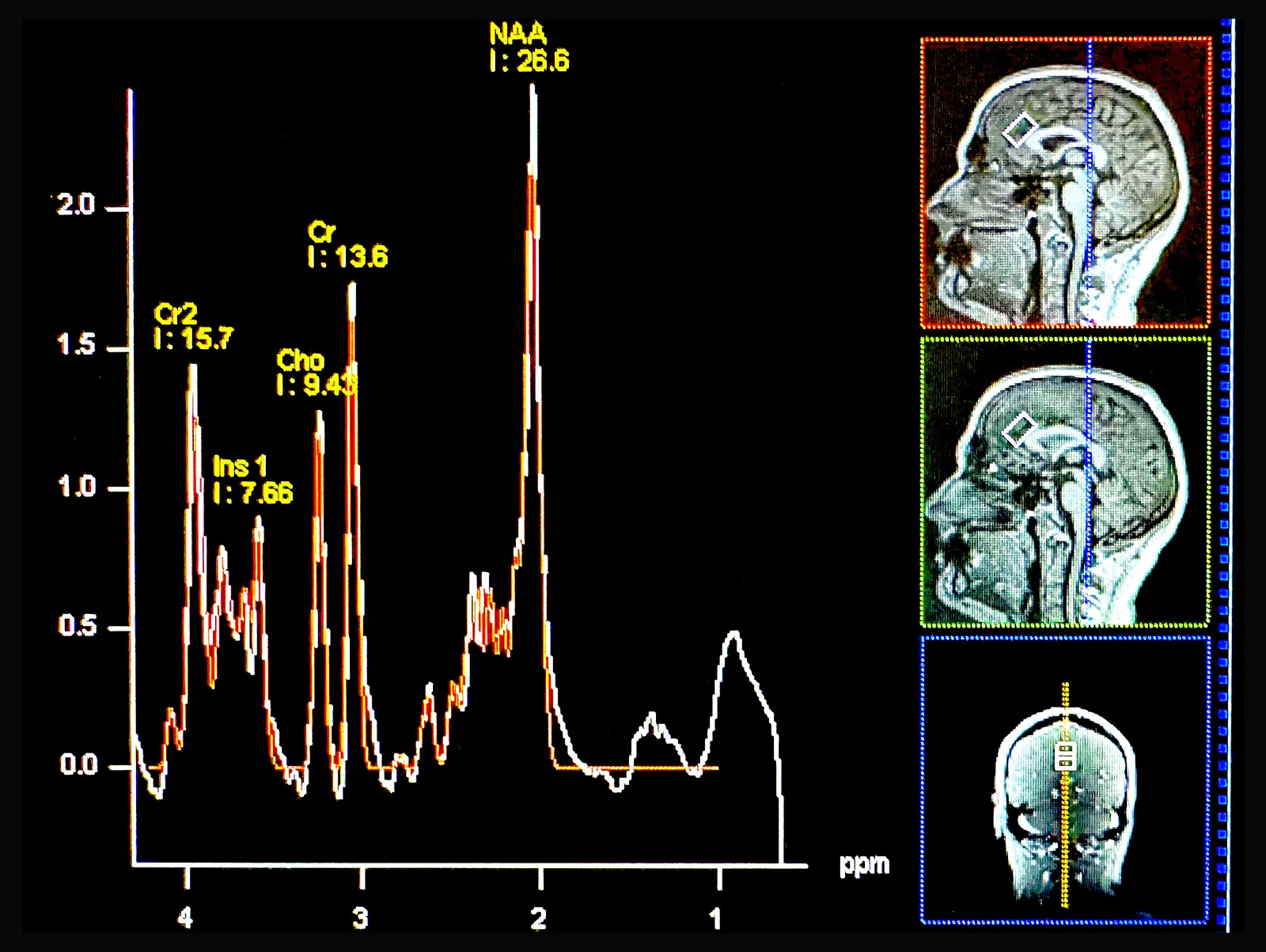
A meta-analysis found that individuals with anxiety disorders have about 8% lower levels of choline in their brains, especially in the prefrontal cortex, suggesting a potential link between choline deficiency and anxiety, though more research is needed to determine if increasing choline intake can help reduce symptoms.

Low Brain Nutrient Levels Linked to Anxiety Disorders

Originally Published 2 months ago — by Medical Xpress

Featured image for Low Brain Nutrient Levels Linked to Anxiety Disorders
Source: Medical Xpress

Research shows that individuals with anxiety disorders have about 8% lower levels of choline in their brains, particularly in the prefrontal cortex, which may be linked to the condition. The study suggests that dietary intake of choline, found in foods like eggs, fish, and meat, could potentially influence brain chemistry and anxiety symptoms, although more research is needed. The findings highlight the importance of nutrition in mental health and the potential for nutritional approaches to aid in managing anxiety.

Tobacco and Cannabis Combine to Impact Brain's Happiness System

Originally Published 2 months ago — by Neuroscience News

Featured image for Tobacco and Cannabis Combine to Impact Brain's Happiness System
Source: Neuroscience News

A study shows that co-using cannabis and tobacco increases FAAH enzyme levels in the brain, reducing the 'bliss molecule' anandamide, which may explain higher anxiety, depression, and difficulty quitting among co-users. This discovery offers a potential target for developing treatments for cannabis use disorder, especially in those who also use tobacco.

Unique Human Enzyme May Have Driven Our Evolutionary Success

Originally Published 4 months ago — by CNN

Featured image for Unique Human Enzyme May Have Driven Our Evolutionary Success
Source: CNN

Research suggests that a unique enzyme variation in modern humans, resulting from a single amino acid change, may have enhanced our ability to seek water and adapt to resource-scarce environments, potentially contributing to our evolutionary success over extinct relatives like Neanderthals and Denisovans.

Genetic Insights into Human and Neanderthal Brain Evolution

Originally Published 5 months ago — by The Washington Post

Featured image for Genetic Insights into Human and Neanderthal Brain Evolution
Source: The Washington Post

Scientists have identified a gene, ADSL, that differs between humans and Neanderthals, and changes in this gene may have contributed to human cognitive and behavioral advantages, potentially explaining why modern humans thrived while Neanderthals did not. Experiments in mice suggest that the human version of ADSL influences water-seeking behavior, hinting at its role in human evolution.

New Brain Receptor Insights Could Transform Mental Health Treatments

Originally Published 5 months ago — by Neuroscience News

Featured image for New Brain Receptor Insights Could Transform Mental Health Treatments
Source: Neuroscience News

Scientists have uncovered how the brain's 5-HT1A serotonin receptor functions at the molecular level, revealing that a fat molecule in cell membranes influences its activity. This discovery could lead to more targeted and faster-acting treatments for mental health conditions like depression and anxiety by better understanding receptor signaling pathways and their modulation by drugs.

Doctor Reveals Superfruit for Instant Gut and Brain Health Boost

Originally Published 1 year ago — by Surrey Live

Featured image for Doctor Reveals Superfruit for Instant Gut and Brain Health Boost
Source: Surrey Live

Dr. William Li, a nutrition expert, recommends kiwifruit as a 'superfruit' for its ability to improve gut health and brain function. He claims that consuming just one kiwi a day can enhance the gut microbiome overnight, promoting beneficial bacteria growth. Dr. Li emphasizes the importance of dietary fibre and polyphenols found in kiwifruit over supplements for overall health improvement. NHS guidelines also support a fibre-rich diet for better digestion and gut health.

Uncovering the Neurochemical Imbalance Behind Anxiety in Young Women

Originally Published 1 year ago — by ScienceAlert

Featured image for Uncovering the Neurochemical Imbalance Behind Anxiety in Young Women
Source: ScienceAlert

A recent study suggests that an imbalance in the levels of the brain chemicals glutamate and GABA in young women's brains may contribute to increased anxiety during adolescence. The research conducted by psychologists and neuroscientists at the University of Surrey found that an overactive braking system in the brain, particularly in the dorsolateral prefrontal cortex, could interfere with rational thinking during stressful situations, leading to heightened anxiety levels. Understanding these brain chemicals' fluctuations during important growth stages like adolescence could be crucial for identifying and addressing anxiety disorders, especially in young women.

"Unlocking Young Women's Anxiety: The Role of Brain Chemistry Balance"

Originally Published 1 year ago — by Neuroscience News

Featured image for "Unlocking Young Women's Anxiety: The Role of Brain Chemistry Balance"
Source: Neuroscience News

A study from the University of Surrey suggests that the development of anxiety in young women may be linked to an imbalance between the brain chemicals GABA and glutamate. As young women mature, the levels of GABA increase while those of glutamate decrease, potentially indicating anxiety levels. This discovery offers promising insights into potential treatment avenues for girls and women dealing with anxiety, with the aim of empowering them to lead healthier, more fulfilling lives.

"Uncovering the Brain's Fear Switch and How to Disable It"

Originally Published 1 year ago — by ScienceAlert

Featured image for "Uncovering the Brain's Fear Switch and How to Disable It"
Source: ScienceAlert

Scientists have discovered a "fear switch" in the brain that can be turned off, offering potential insights into treating anxiety and stress disorders. By studying mice, researchers found that a severe fright triggers a switch in neurotransmission from glutamate to GABA, sustaining a fear response. They also identified methods to suppress this switch, including using a virus to suppress the gene responsible for making GABA and administering the antidepressant fluoxetine immediately after a fright. This research provides a promising start towards developing targeted and specific interventions for fear-related disorders.

"Dopamine's Surprising Role in Reversal Learning Uncovered in New Study"

Originally Published 1 year ago — by PsyPost

Featured image for "Dopamine's Surprising Role in Reversal Learning Uncovered in New Study"
Source: PsyPost

A new study published in Nature Communications reveals that dopamine, often associated with pleasure and reward, also plays a crucial role in reversal learning and adapting to new situations. Using brain imaging techniques and a specially designed task, researchers found that dopamine release in the striatum increased when participants faced rule changes, signaling the need for strategy adjustments. This release correlated with better performance on the task, indicating dopamine's role in learning from errors and adapting decisions. The study's findings suggest that dopamine is not just a "feel good" chemical, but also influences decision-making and adaptability, with potential implications for understanding neurological and psychiatric disorders with abnormal dopamine signaling.

"Unveiling Oxytocin: The New Brain Boost for Runners"

Originally Published 1 year ago — by Outside

Featured image for "Unveiling Oxytocin: The New Brain Boost for Runners"
Source: Outside

Recent studies have suggested that oxytocin, a hormone associated with social bonding, may play a role in the mood-boosting and health benefits of running. Research in mice showed that exercise elevated oxytocin levels and improved social behavior and depression-like symptoms, which were reversed when oxytocin effects were blocked. However, studies in humans have yielded mixed results, with some suggesting that oxytocin levels in the brain may not change significantly during exercise. While the potential cardiovascular and anti-inflammatory benefits of oxytocin are also being explored, it's clear that the relationship between running, oxytocin, and health is complex and requires further investigation.