
Top foods to boost mood and reduce stress naturally
Certain foods can naturally boost mood by supporting the production of happy hormones like serotonin, dopamine, and endorphins, which regulate mood, motivation, and stress relief.

All articles tagged with #endorphins
Certain foods can naturally boost mood by supporting the production of happy hormones like serotonin, dopamine, and endorphins, which regulate mood, motivation, and stress relief.

Your body produces natural chemicals known as happy hormones that can boost your mood and overall well-being. By engaging in simple everyday activities such as celebrating small victories, exercising, spending time with loved ones, soaking up sunshine, and practicing gratitude, you can effectively tap into these feel-good hormones. Additionally, making time for activities that bring joy, nurturing meaningful connections, and indulging in gratitude can further enhance your overall happiness.
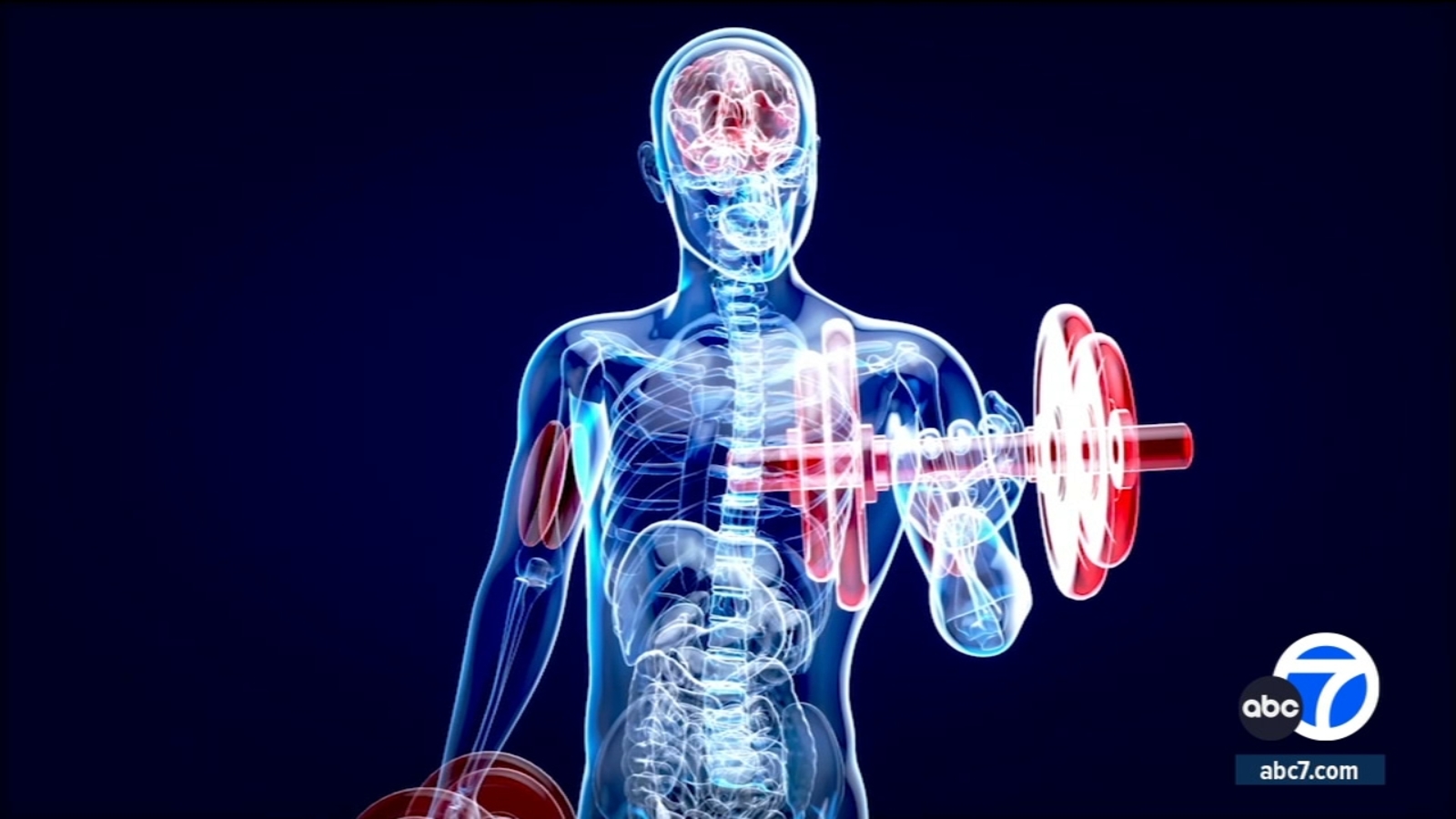
Post-workout depression, a rarely discussed phenomenon, can occur when individuals experience feelings of depression, anxiety, or exhaustion after intense exercise. Experts emphasize the importance of recognizing and addressing this issue, suggesting that proper nutrition, hydration, rest, and seeking help from mental health professionals are crucial. Additionally, incorporating varied workouts, allowing for proper cool down and stretch, and avoiding comparisons on social media can contribute to protecting mental health in the context of exercise.

Swimming in cold water may have antidepressant effects, as it stimulates the release of stress hormones, endorphins, and dopamine. Preliminary evidence suggests that swimming in cold water can reduce depressed mood and improve mental health. However, the observed benefits may also be attributed to socializing with others while swimming. Cold water exposure can have arousing and stimulating effects, increasing substances involved in regulating mood. It is not necessary to take polar plunges to experience the benefits; even cool showers can have similar effects. However, swimming in cold water is not without risks, including potential cardiac arrhythmias and hypothermia.

Laughter therapy has been found to improve cardiovascular health and ease symptoms of heart disease, according to a study conducted in Brazil. Researchers discovered that watching comedy programs for three months resulted in a 10% increase in the heart's ability to pump oxygen and improved artery function. Additionally, inflammatory biomarkers were reduced, indicating a lower risk of heart attack or stroke. Laughter releases endorphins, which help maintain healthy blood pressure and reduce stress hormones. The study suggests that laughter therapy could potentially reduce reliance on medications and recommends engaging in activities that induce laughter at least twice a week.

Dopamine, serotonin, endorphins, and oxytocin are the four main chemicals in our bodies that contribute to feelings of happiness and euphoria. Dopamine gives us pleasure and motivation, serotonin contributes to focus and emotional stability, endorphins relieve anxiety and improve well-being, and oxytocin plays a role in sexual arousal and bonding. While these chemicals are important, happiness is a complex interplay of genetics, hormones, and physical health. Serotonin, norepinephrine, and GABA are the primary chemicals involved in anxiety, with serotonin deficiency being associated with both anxiety and depression.

A recent study published in the journal PLOS One found that people who regularly exercised had a higher pain tolerance compared with those who hardly exercised. The study used data from 10,732 participants who took part in the Tromsø study, and found that the more active the participants were, the longer they could keep their hand in 3℃ water. While the exact reason for this link is still unknown, it could be due to physiological changes that happen after exercising, such as exercise-induced “hypoalgesia”. Additionally, exercise can help build resilience and self-efficacy, improve mood, and teach distraction techniques, all of which can help manage chronic pain.

The feeling of happiness is biological and is the result of four neurochemicals and hormones in the brain: dopamine, oxytocin, serotonin, and endorphins. Here are 20 science-backed ways to hack your happiness hormones for a better mood, including exercise, dark chocolate, laughter, sunlight, tryptophan-heavy foods, acts of kindness, protein, meditation, social connection, music, petting a dog, hugging, and sharing food.

Around 30 to 40% of adults in the US experience symptoms of insomnia, but regular exercise can help improve sleep quality. Just 30 minutes of aerobic exercise can decrease sleep latency and increase time spent in deep sleep. Exercise releases endorphins, lowers cortisol levels, and helps realign circadian rhythm. Active yoga, brisk walking, running, swimming, and biking are all great aerobic exercises to try.

Chronic stress can lead to significant health issues, including cardiovascular disease, diabetes, and chronic gastrointestinal problems. Exercise is an effective tool for managing psychological stress, as it boosts mood, reduces tension, and improves sleep. Physical activity causes the body to produce more endorphins, which are neurotransmitters that boost mood, while also combating elevated levels of the stress hormone cortisol. Aerobic exercise, such as swimming, running, dancing, and boxing, may be the most efficient at getting mood-boosting endorphins rushing through your body, but gentler forms of physical activity work too. It's important to remember not to go overboard on exercise or rely on it exclusively for coping with challenges.

Chronic stress can lead to significant health issues, but physical activity, especially exercise, is remarkably effective in managing psychological stress. Exercise boosts mood, reduces tension, and improves sleep, all of which are impacted by stress. Aerobic exercise, such as swimming, running, dancing, and boxing, may be the most efficient at getting mood-boosting endorphins rushing through your body, but gentler forms of physical activity work too. It's important to remember that humans are geared to release stress physically, and social engagement is a powerful protective factor for positive mental health.

Exercise doesn't have to be a dull, repetitive, lonely affair. There are many ways to make fitness enjoyable, such as rediscovering team sports, taking up a dance class, running with a furry friend, or listening to a playlist of banging tunes. The sense of community around a fitness regime, in real life or on apps, can also keep you coming back for more. Share your experience on how you keep your fitness routine interesting.