Tag

Seaweed

All articles tagged with #seaweed

travel4 days ago

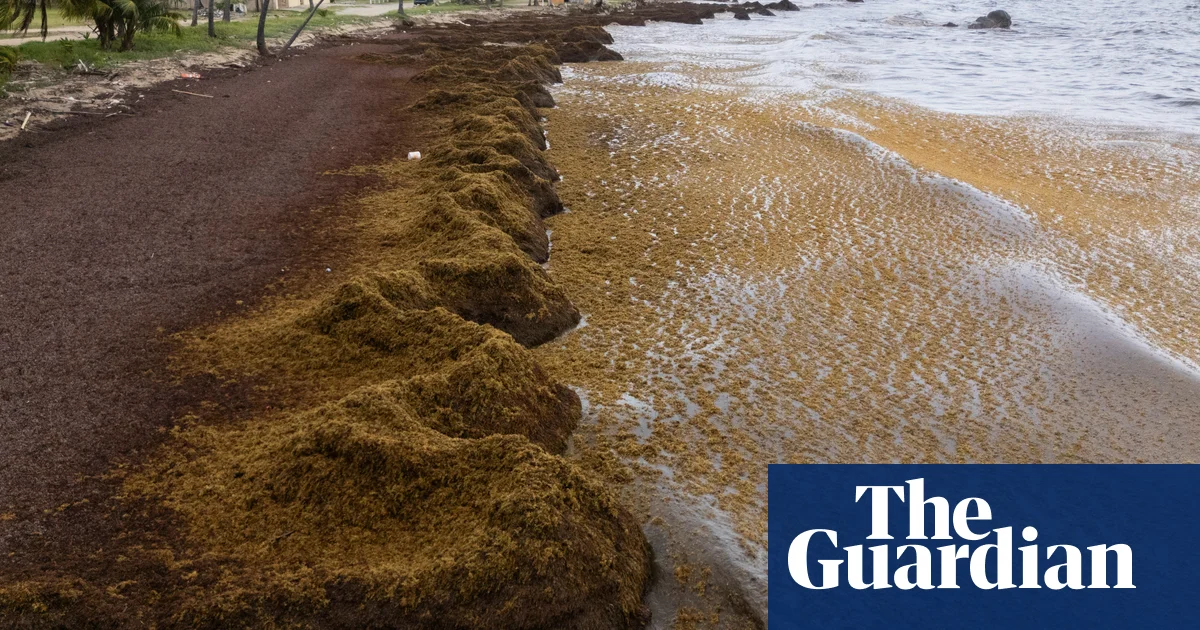
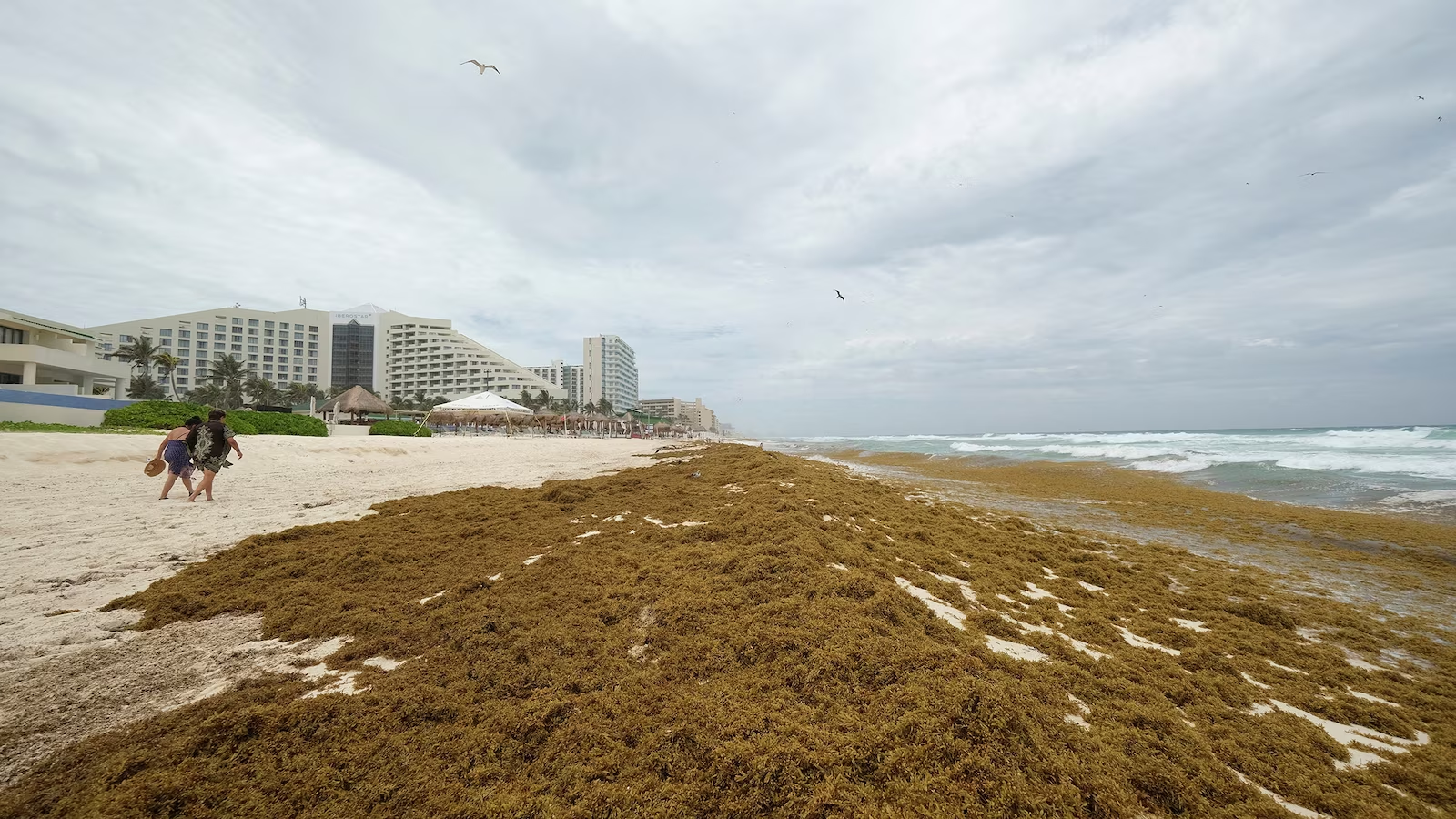
Unprecedented Winter Sargassum Surge Threatens Mexican Beach Resorts

A rare winter surge of Sargassum seaweed has hit top Mexican Caribbean beaches like Playa del Carmen and Tulum, disrupting the usual clear water season and raising concerns about year-round seaweed blooms due to changing ocean conditions. Travelers are advised to adapt by using pools, checking live beach cams, and exploring inland attractions like cenotes to enjoy their trips despite the seaweed invasion.

health-and-science4 months ago

Scientists Create Edible Fat-Absorbing Sponges from Green Tea and Seaweed

Scientists have developed edible plant-based microbeads made from green tea polyphenols, vitamin E, and seaweed that can bind to dietary fats in the gut, potentially offering a safer, noninvasive alternative to traditional weight-loss treatments. Early rat studies show these microbeads can lead to significant weight loss and reduced fat absorption without harmful side effects, and human trials are underway.

science-and-technology1 year ago

"Seaweed: The Key Food for Human Survival in a Nuclear War"

In the event of a nuclear war, scientists suggest that humanity could be saved from global starvation by seaweed, particularly kelp farms, which could potentially feed up to 1.2 billion people and replace 15% of current food consumption. With the Doomsday Clock ticking closer to midnight and fears of global conflicts reignited, researchers have found that seaweed could be an unlikely hero in the event of a nuclear war, helping to mitigate the drastic drop in global food production caused by the environmental effects of such a conflict.

science-and-environment1 year ago

"Seaweed: Humanity's Lifesaver in the Aftermath of Nuclear War"

A study suggests that in the event of a nuclear war causing a "nuclear winter," seaweed, particularly red seaweed, could serve as a resilient food source due to its ability to thrive in tropical oceans and increased growth from nutrient-rich water. Simulations show that within nine to 14 months, seaweed could potentially meet 45% of global human food demand, replacing 15% of current food consumption, 50% of biofuel production, and 10% of animal feed. The iodine in seaweed makes "indirect" uses valuable, and the intervention could potentially avert up to 1.2 billion deaths from starvation. The main challenge would be the rapid construction of seaweed farms.

science-and-technology1 year ago

"Seaweed: A Potential Solution to Famine in Nuclear War Scenarios"

Scientists have found that seaweed could serve as an alternative food source in the aftermath of a catastrophic nuclear war, potentially averting mass starvation. In the event of a nuclear winter, seaweed farms in tropical oceans could thrive and provide food, biofuel, and animal feed, replacing 15% of current human food consumption. This discovery could help up to 1.2 billion people survive in the aftermath of a nuclear war, as well as in other scenarios of global food system disruptions caused by events like massive asteroid impacts or volcanic eruptions.

science-and-environment1 year ago

"Seaweed Farming Key to Preventing Famine in Nuclear War, Scientists Say"

As concerns about global food shortages in the event of a nuclear war or other catastrophic events grow, scientists are advocating for the farming of seaweed as a resilient and sustainable food source. Research suggests that seaweed could thrive in the aftermath of a nuclear war, potentially providing up to 45 percent of the world's food supply within nine to 14 months. While challenges such as potential absorption of toxic substances exist, post-harvest processing and cooking can mitigate these risks. Additionally, seaweed farming could help combat climate change and provide a resilient food source in the face of environmental disruptions.

health-and-nutrition2 years ago

"Exploring the Surge in Seaweed: Health Benefits and Market Growth Potential"

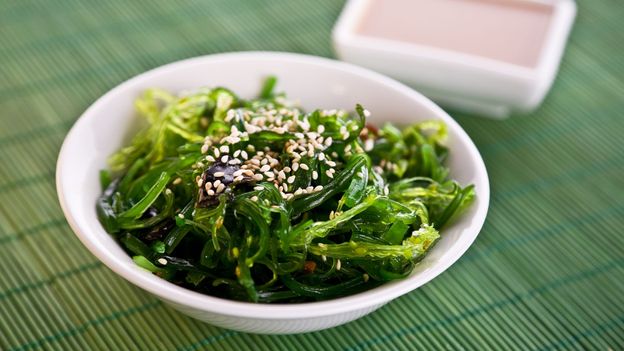
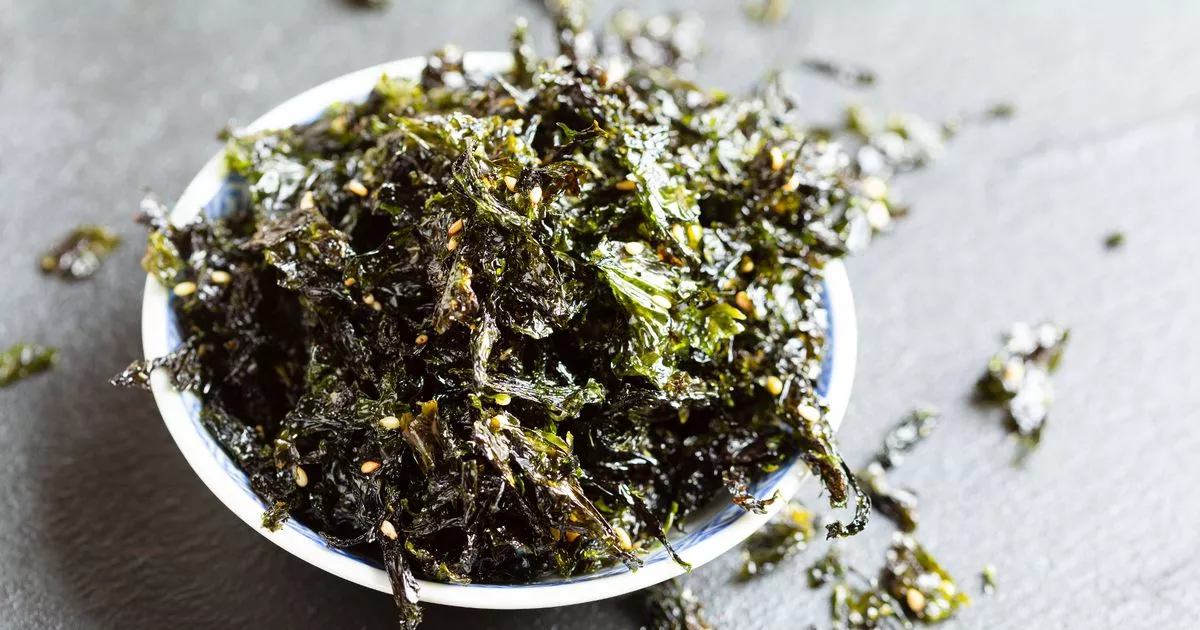
Seaweed, often overlooked in Western diets, is gaining attention as a sustainable superfood packed with protein, fiber, and polyphenols, which may reduce the risk of heart disease, diabetes, and some cancers. Alginate, a seaweed extract, is used in food processing and may help control weight by inhibiting fat digestion. While there are health benefits, concerns about arsenic and iodine content vary by species and growing conditions. Eating 5g to 10g of seaweed daily could offer nutritional advantages, but more research is needed to understand its effects on the general population and how processing affects nutrient absorption. Despite its potential, taste preferences and knowledge about seaweed vary, and its incorporation into Western diets may require further promotion and education.

health2 years ago

"Dr Michael Mosley's Essential Diet Hack for Brain Protection and Omega-3 Intake"

TV doctor Dr Michael Mosley recommends boosting your immune system and overall health with an omega-3 supplement, particularly during flu season. Omega-3 fatty acids, such as DHA and EPA, are essential for heart and brain health, but the body cannot produce them, so they must be obtained through diet. While oily fish is a good source, issues of sustainability and pollutants make it less accessible. Seaweed, a staple food source for thousands of years, provides a viable alternative, although it contains lower levels of omega-3. Studies have shown that omega-3 supplements can reduce the risk of fatal heart attacks and promote brain health.

archaeology2 years ago

The Resurgence of Seaweed: A Forgotten European Staple Returns

An analysis of fossilized dental plaque has revealed that seaweed and aquatic plants were once a staple food for ancient Europeans, despite being virtually absent from present-day Western diets. Previous archaeological evidence of seaweed consumption was often attributed to other uses such as fuel or food wrapping. The study examined the teeth of 74 early humans from various European sites and found chemical markers in dental calculus indicating the ingestion of seaweed or aquatic plants in 26 samples. The research suggests that ancient populations understood the nutritional benefits of seaweed and maintained their dietary link with the sea. The scientists hope that their findings will encourage the inclusion of more seaweeds and freshwater plants in modern diets.

oceans-wildlife2 years ago

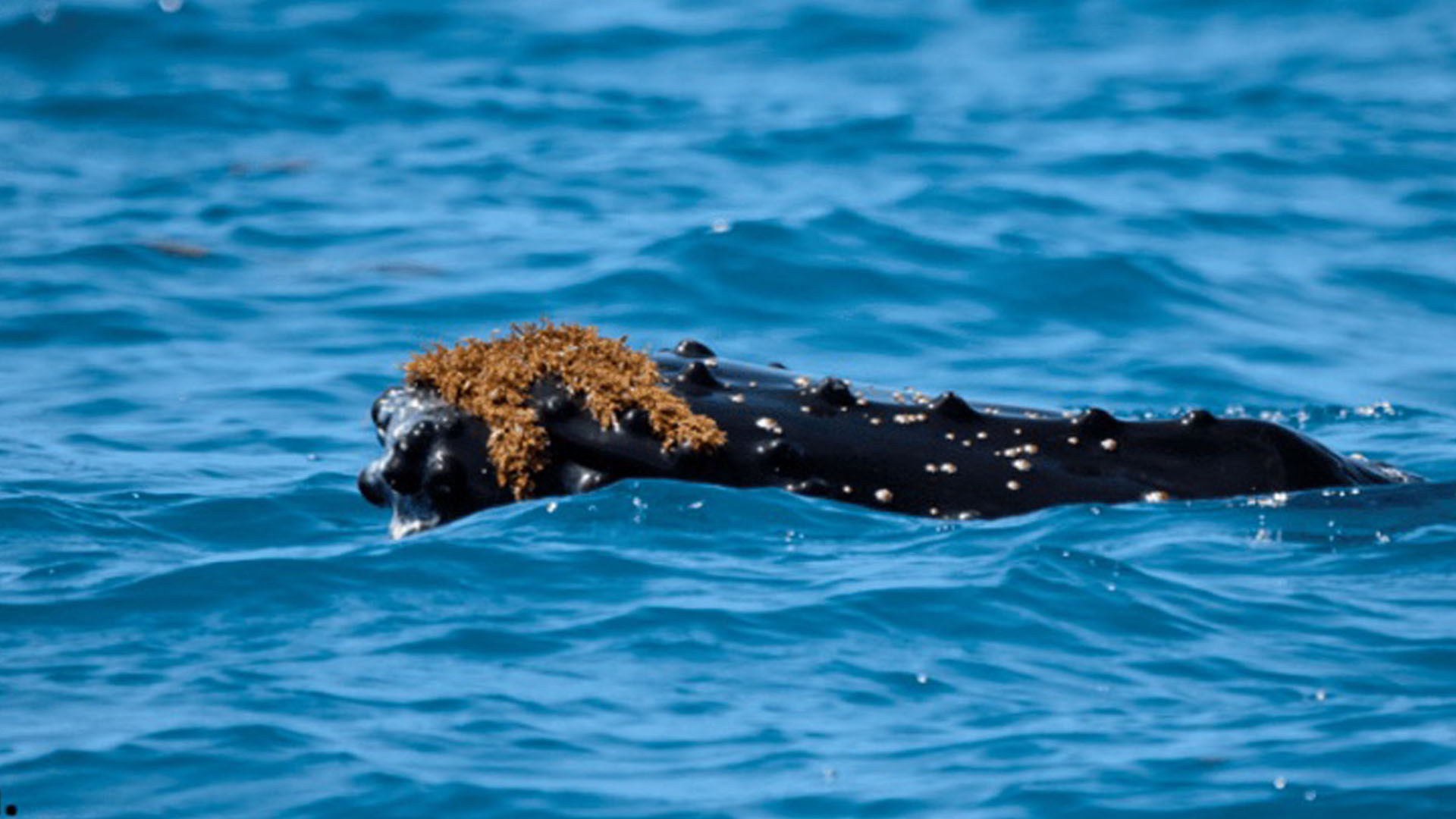
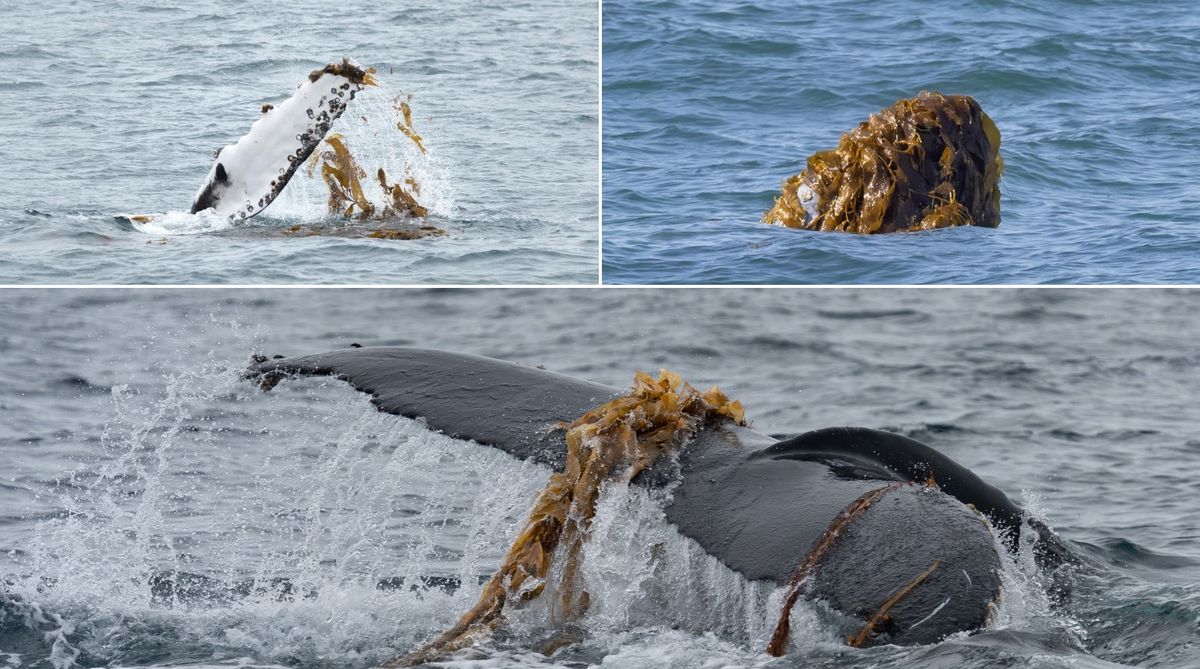
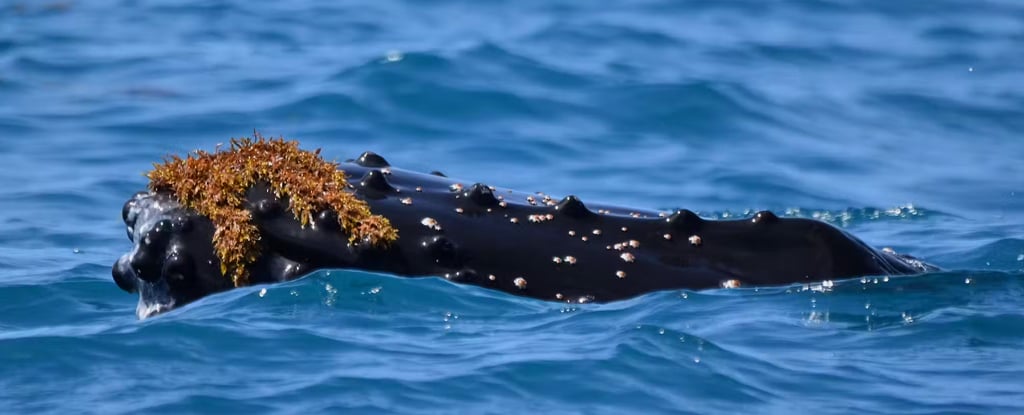
Whales' Ingenious Use of Kelp: Playful Toys and Antibacterial Shields

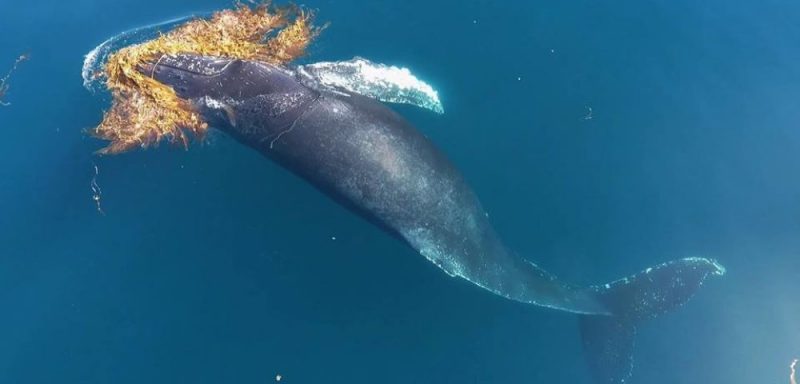
Researchers have observed over 100 whales, including humpback, gray, southern, and northern right whales, playing with kelp and seaweed, a behavior known as "kelping." Using drone footage and social media posts, scientists have discovered that kelping is a global phenomenon. The whales engage in this behavior for fun and because it feels good on their skin. Kelp also helps whales get rid of hitchhikers like barnacles and lice, as its rough surface can brush them off and its antibacterial properties reduce bacterial growth. Kelping is also a social activity that enhances social bonds and aids learning among whales.

science2 years ago

The Mystery of Whales' Seaweed Hats Unveiled as Over 100 Creatures Join the Trend

Scientists have discovered that whales wear seaweed for various reasons, including itch relief, barnacle removal, and potentially for fun. A study focused on baleen whales found that the seaweed is often worn in front of the blowhole or on the dorsal fin. Seaweed has antibacterial properties that could benefit the whales. The researchers suggest that this behavior may serve additional purposes such as learning, socializing, and skin treatment. The study highlights the need for further research on these giant marine creatures, with the hope that increased use of drones and cameras will provide more insights into this behavior.

marine-biology2 years ago

Whales Embrace Seaweed for Beauty and Wellness

Kelping, the behavior of humpback whales frolicking in seaweed, is a global phenomenon that is more widespread than previously thought, according to new research. Humpbacks engage in kelping as a form of play and potentially as a soothing body scrub. They interact with different types of seaweed, not just kelp, and may benefit from the antimicrobial properties of seaweed for maintaining skin health. Kelping could also help humpbacks shed parasites and bacteria. However, climate change and the proliferation of species that feed on kelp pose threats to this behavior.

marine-science2 years ago

The Surprising Trend of Whales Wearing Seaweed Hats

Whales have been observed playing with seaweed, known as "kelping," in over 100 instances captured on social media. This behavior is not limited to a single species, as gray whales, southern and northern right whales, and humpback whales have all been seen engaging in it. While it is considered playful, there is likely a useful component to it, such as using the seaweed to scratch an itch, brush off barnacles, or remove parasites. Whales tend to seek out kelp in regions where it is abundant, and drones have provided new insights into this behavior. Kelping may have long-term benefits for whales, such as improving their coordination and movement skills, and certain seaweed species may help reduce bacterial growth on their skin. This behavior highlights the mysteries that still exist in understanding whale species.