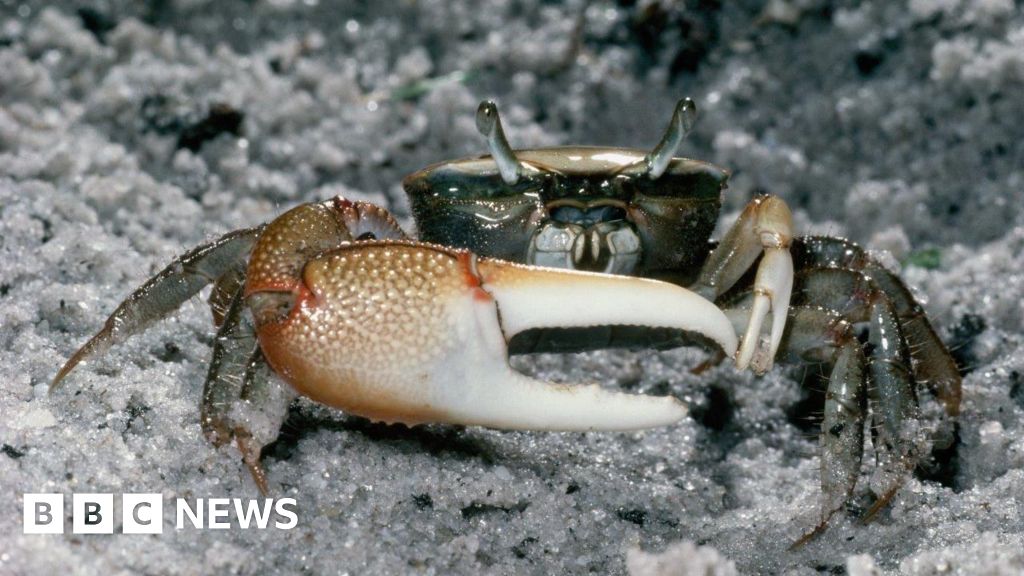
A study by Exeter University found that fiddler crabs in Colombia's polluted mangrove forests can break down microplastic particles within days, but this may release harmful nanoplastics into their tissues and the food chain, raising concerns about pollution adaptation and environmental impact.
A recent study using clam shell growth rings confirms that climate change is disrupting the North Atlantic subpolar gyre, a key ocean current system, which could lead to significant regional and global climate impacts, including more extreme weather, sea level rise, and shifts in ocean heat transport, signaling potential irreversible tipping points in Earth's climate systems.
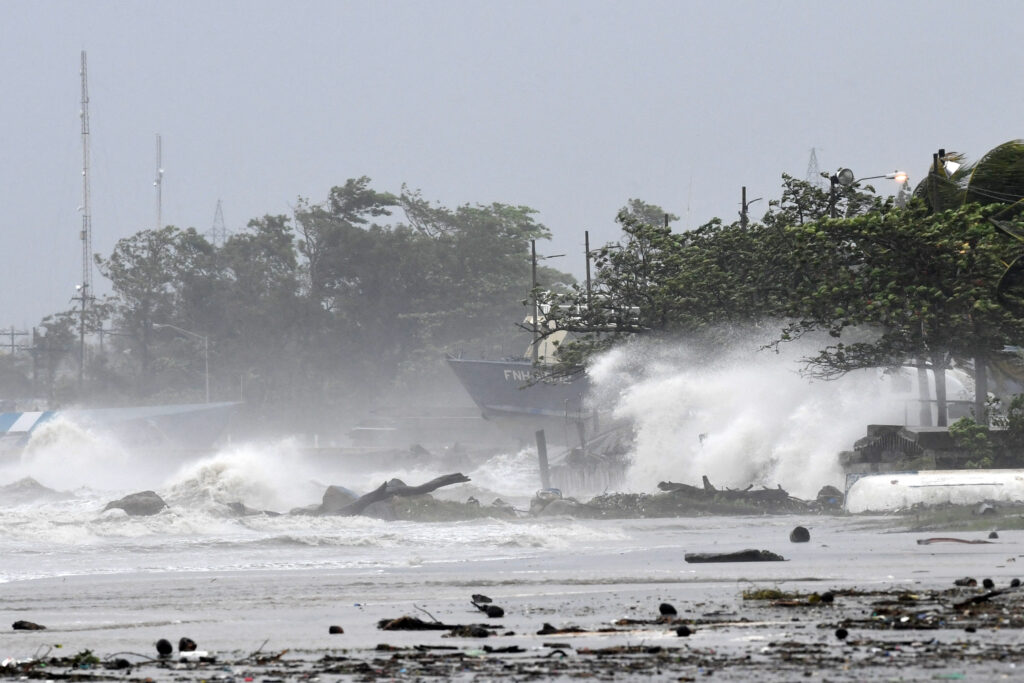
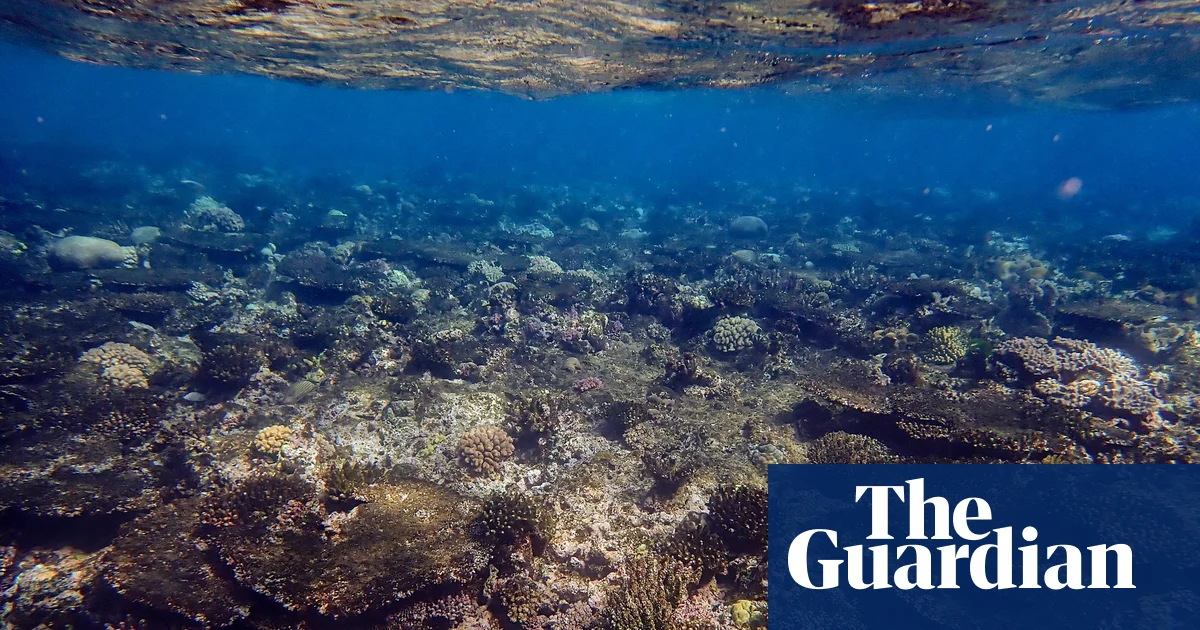
The Great Barrier Reef has suffered significant coral loss due to extreme heat, cyclones, and flooding, with some areas losing over a third of their coral cover. The Australian Institute of Marine Science reports that climate change-driven heat stress is the primary cause, exacerbated by cyclones and freshwater flooding. The mass bleaching event is part of a global trend linked to rising ocean temperatures from fossil fuel emissions. Conservationists warn that the reef's resilience is nearing its limits, urging significant emissions reductions and a halt to new fossil fuel projects.
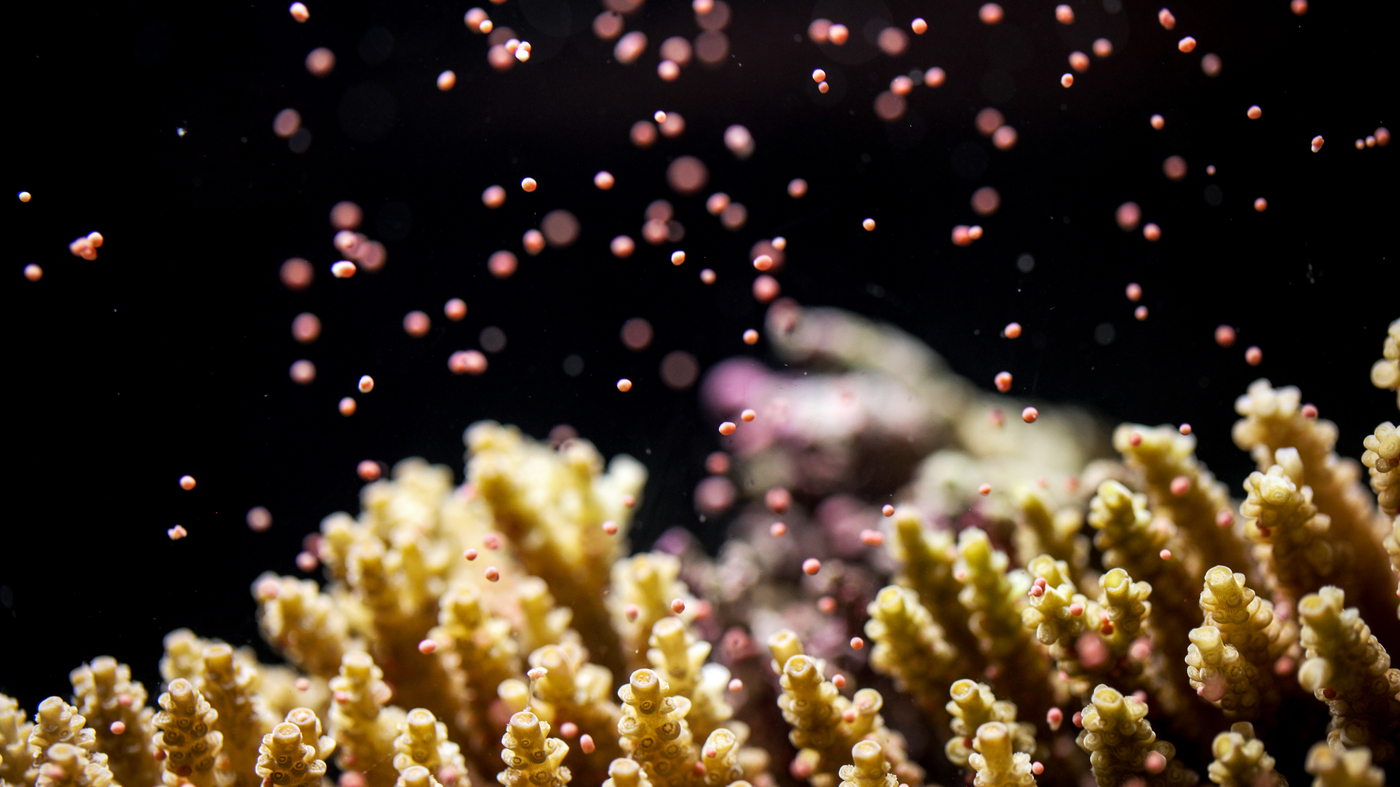
Scientists in Australia are breeding "super corals" in an effort to help the Great Barrier Reef withstand the effects of climate change. By selectively breeding corals that can tolerate extreme heat better, they hope to buy time for the reefs to adapt. However, many coral biologists caution that breeding "super corals" is not a long-term solution and emphasize the urgent need to address climate change by reducing greenhouse gas emissions.
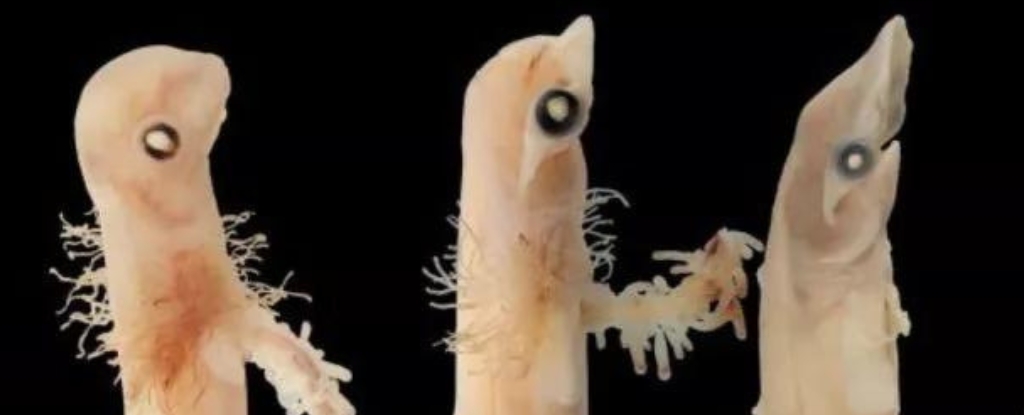
Scientists have gained rare access to the development of hammerhead shark embryos, shedding light on the mystery of their unique heads. Unlike most shark species, hammerheads gestate their pups in utero, with up to 16 embryos nourished by umbilical cords before live birth. By salvaging embryos from deceased adult female sharks, researchers were able to document the entire set of developmental stages, creating a visual growth chart and uncovering insights into the evolution of these peculiar sharks.
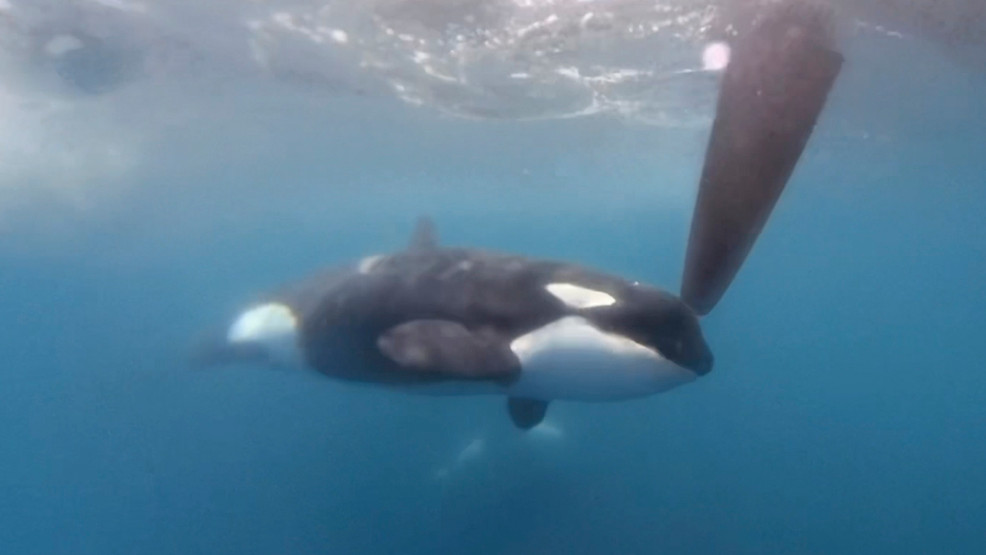
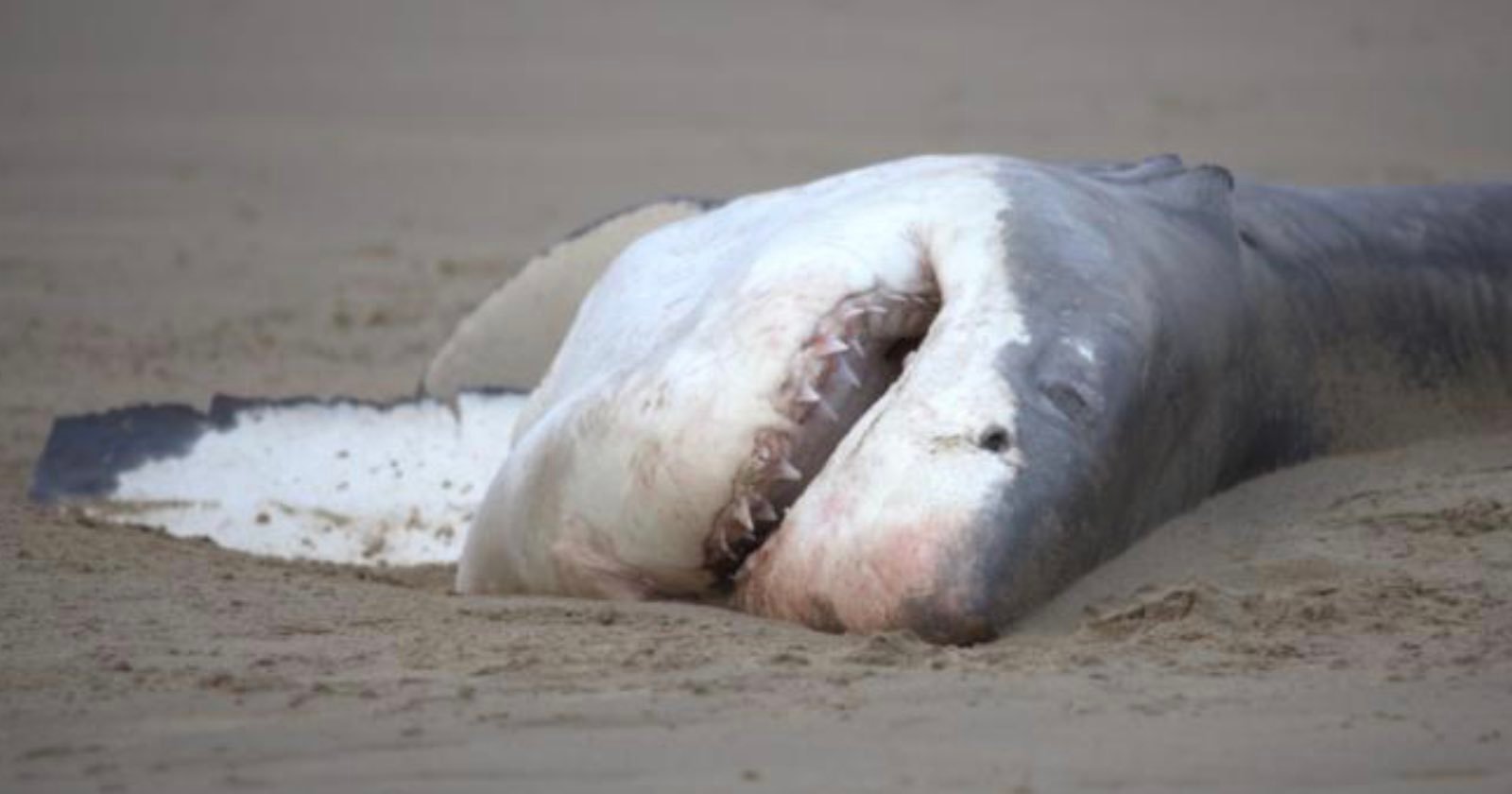
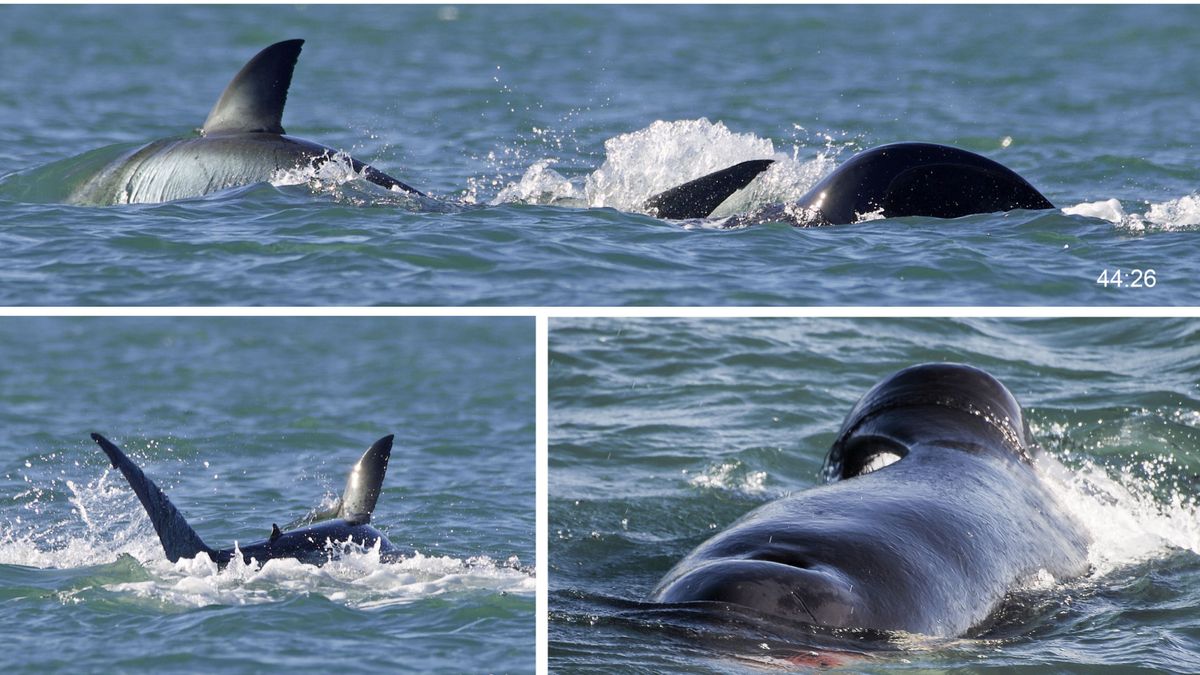
Scientists have observed a lone Orca, named Starboard, attacking and killing a great white shark in South Africa, marking the first documented instance of such behavior in the region. The orca swiftly killed the shark and consumed its liver, a behavior that has raised concerns among scientists about potential disruptions in the balance of apex predators in the ocean, possibly due to human activities such as climate change and industrial fishing. The incidents of orcas preying on great white sharks appear to be increasing, posing potential threats to other species in the marine ecosystem.
A groundbreaking video captured a lone orca hunting and killing a great white shark off the coast of South Africa in just two minutes, a behavior previously unseen. The orca swiftly eviscerated the shark and consumed its liver, suggesting a potential driving force behind the sharks' absence in certain areas. The footage provides valuable insights into orcas' predatory behavior and their selective feeding habits, shedding light on their impact on the marine ecosystem.
New footage captures a lone orca hunting and consuming a great white shark in just 2 minutes, marking the first record of a single orca killing a great white without the help of its podmates. The incident, which took place off the coast of South Africa, has led great whites to abandon a popular hunting ground due to orca predation. Scientists speculate that orcas target sharks' fatty livers due to their high nutritional value, and this behavior could have important conservation implications for shark species already facing man-made pressures.
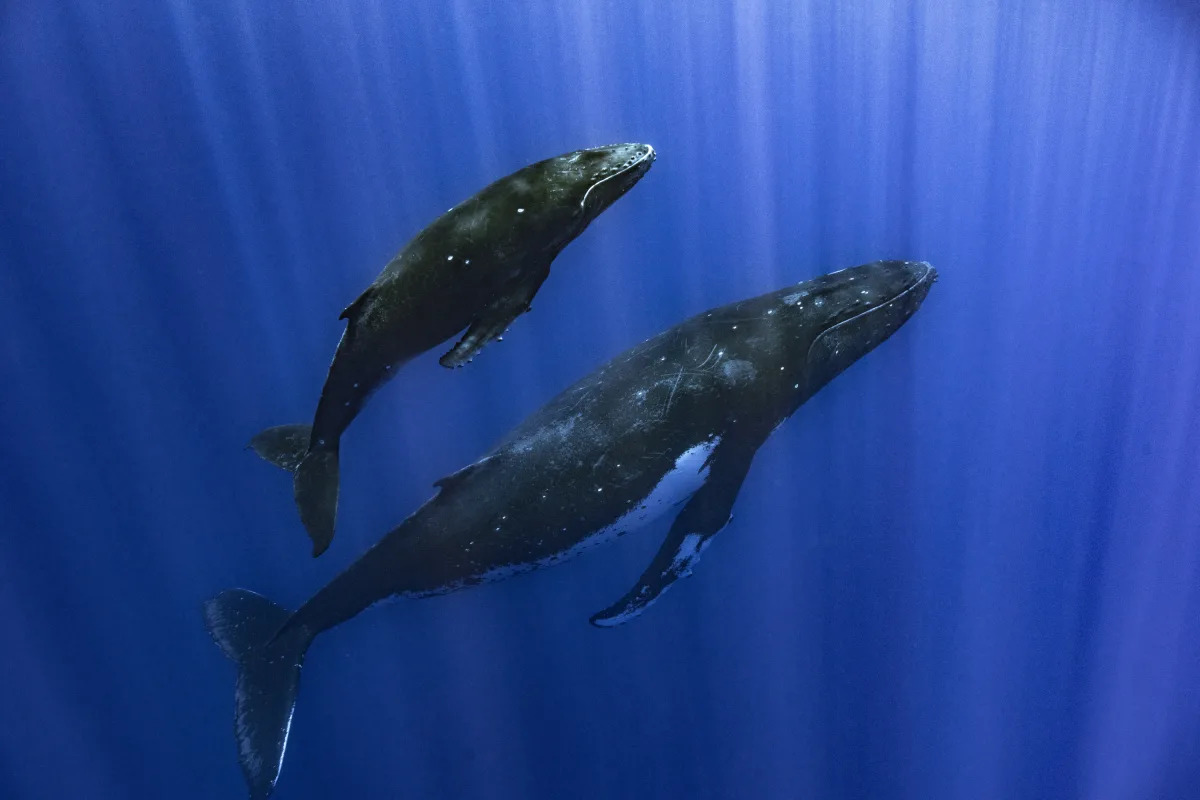
Scientists have discovered a unique feature in the voice boxes of whales, which allows them to produce loud songs that travel through the ocean. This discovery, based on lab experiments with the voice boxes of three baleen whales, suggests that whales have adapted their voice boxes over millions of years to make sounds underwater. The study, published in the journal Nature, sheds light on how whales communicate and may direct future research in this field. The findings also highlight the potential impact of human-generated noise, such as shipping industry, on whales' ability to communicate and mate.
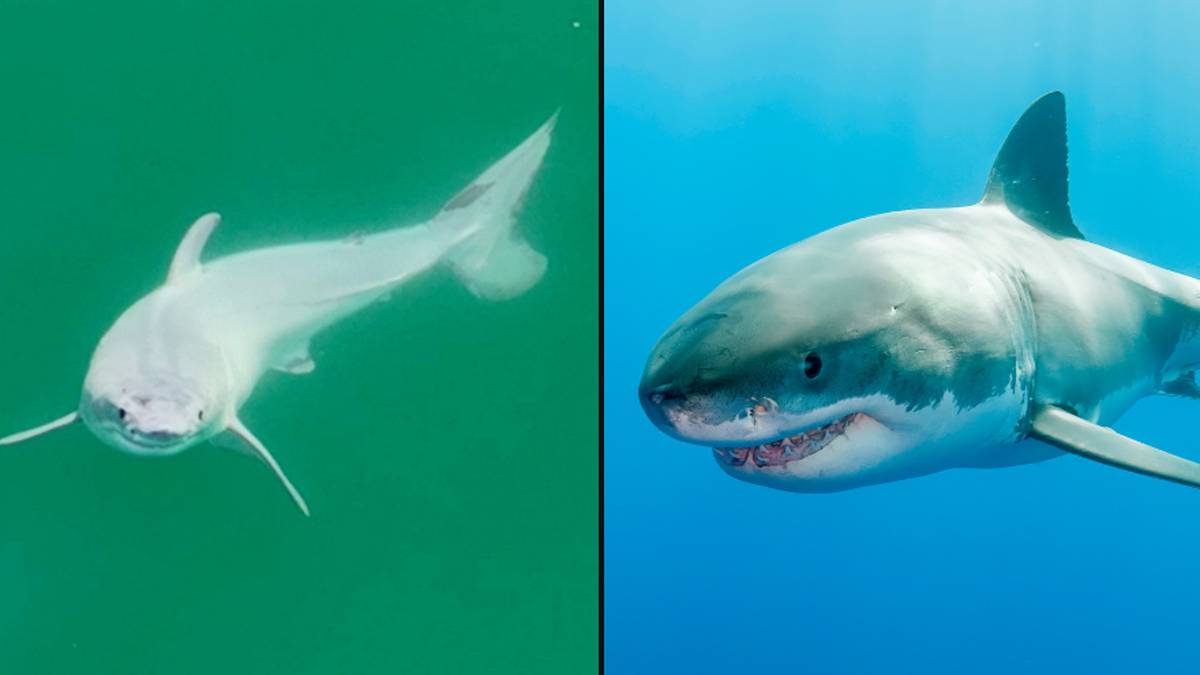
The world's first photo of a newborn great white shark in the wild has been released, providing new insight into where these sharks give birth. The photo, taken off the coast of Santa Barbara, California, shows a five-foot-long, completely white newborn shedding an 'embryonic layer.' Experts believe this sheds light on the early development of great white sharks and challenges previous notions about where they give birth, suggesting it may be in shallower waters than previously thought.
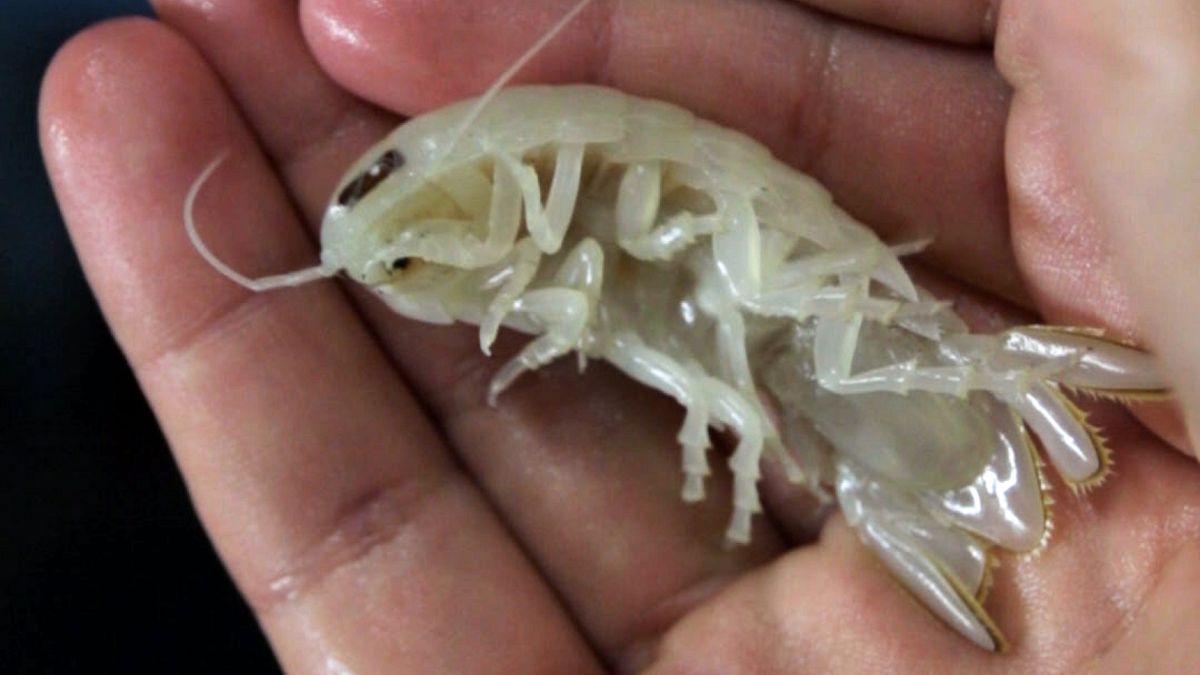
Scientists in the Bahamas have discovered a new species of deep-sea crustacean, named Booralana nickorum, with a see-through body and giant eyes, using LED lights and glow sticks. This ancient species, which has been on the planet for 300 million years, plays a crucial role in maintaining ecosystem health by speeding up decomposition and capturing carbon in the deep ocean. The discovery helps researchers understand the distribution of deep-sea animals and the potential impact of human activities like deep-sea oil exploration on precious ecosystems.
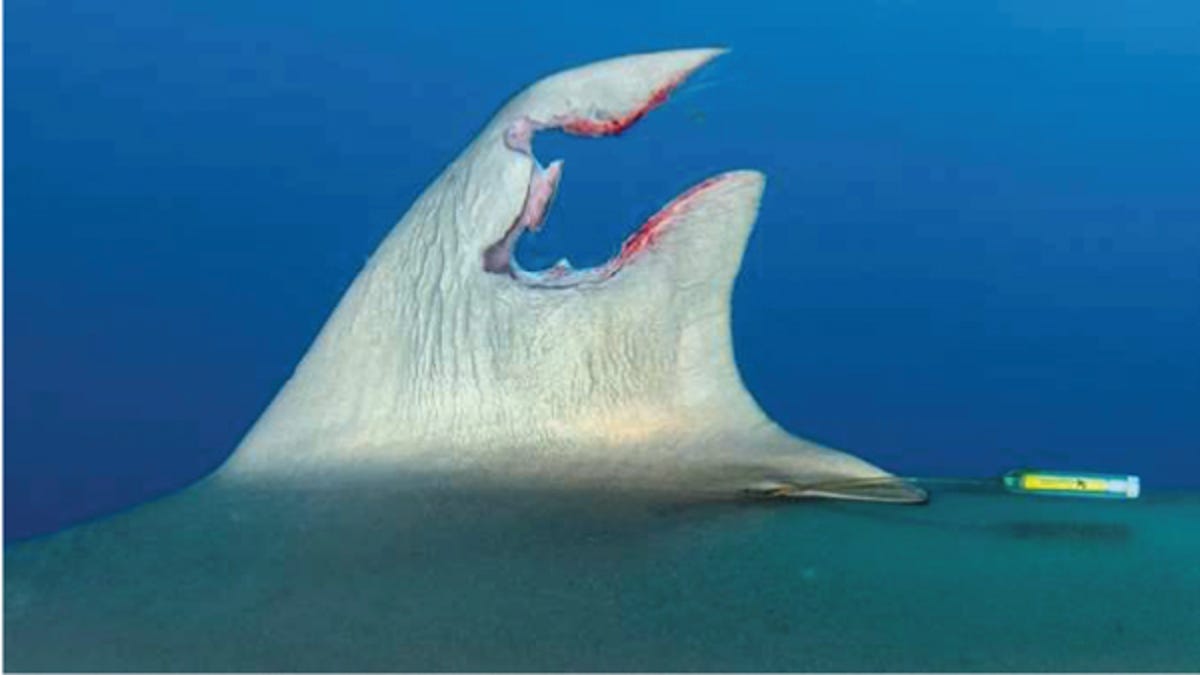
A study published in the Journal of Marine Sciences documents the remarkable regeneration of a silky shark's dorsal fin, which had been injured and subsequently healed to 87% of its original size within 332 days. The shark's recovery was observed after a satellite tag tracker was forcefully removed, causing the initial injury. The research highlights the vulnerability of silky sharks due to over-fishing and emphasizes the importance of not disrupting their natural healing processes, as well as the negative impact of lost tracking data on conservation efforts.
Scientists in the Philippines have conducted a study on Stichopus cf. horrens, a sea cucumber species known for its unique characteristics. The research revealed that these sea cucumbers contain several compounds, including potential anti-cancer agents, that could have medical benefits for humans. While cautioning against rushing to use these compounds for cancer treatment, the study opens the door for further research and extraction of these compounds for study. The team is also exploring ways to sustainably grow these sea cucumbers for future research and investigating other compounds that could shed light on the cucumber's defense mechanisms.
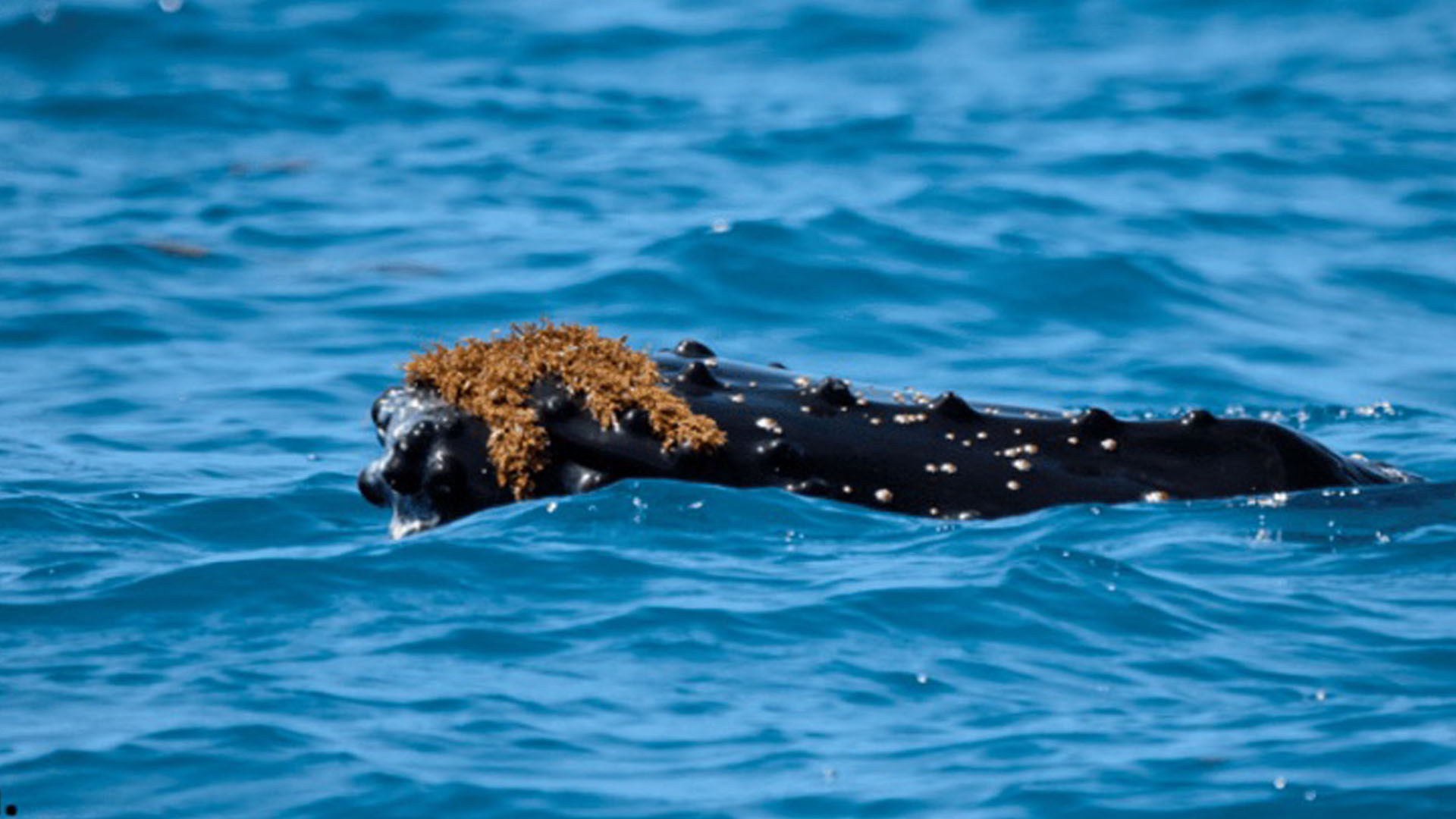
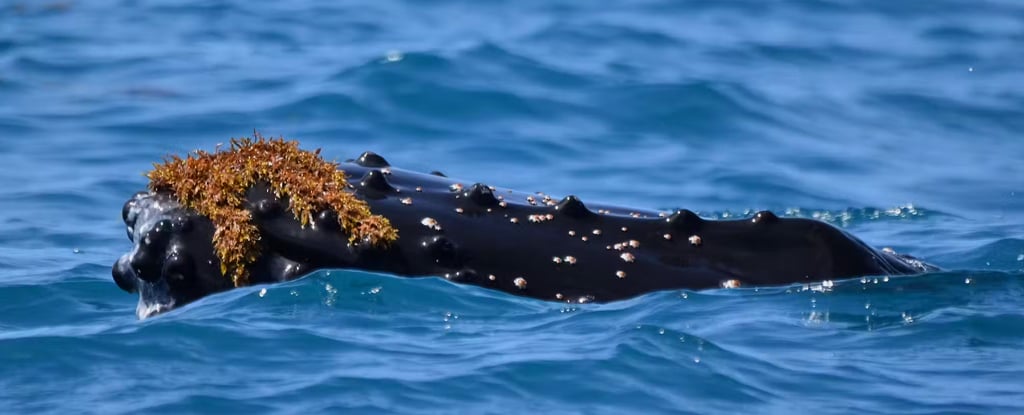
Scientists have discovered that whales wear seaweed for various reasons, including itch relief, barnacle removal, and potentially for fun. A study focused on baleen whales found that the seaweed is often worn in front of the blowhole or on the dorsal fin. Seaweed has antibacterial properties that could benefit the whales. The researchers suggest that this behavior may serve additional purposes such as learning, socializing, and skin treatment. The study highlights the need for further research on these giant marine creatures, with the hope that increased use of drones and cameras will provide more insights into this behavior.
Whales have been observed playing with seaweed, known as "kelping," in over 100 instances captured on social media. This behavior is not limited to a single species, as gray whales, southern and northern right whales, and humpback whales have all been seen engaging in it. While it is considered playful, there is likely a useful component to it, such as using the seaweed to scratch an itch, brush off barnacles, or remove parasites. Whales tend to seek out kelp in regions where it is abundant, and drones have provided new insights into this behavior. Kelping may have long-term benefits for whales, such as improving their coordination and movement skills, and certain seaweed species may help reduce bacterial growth on their skin. This behavior highlights the mysteries that still exist in understanding whale species.