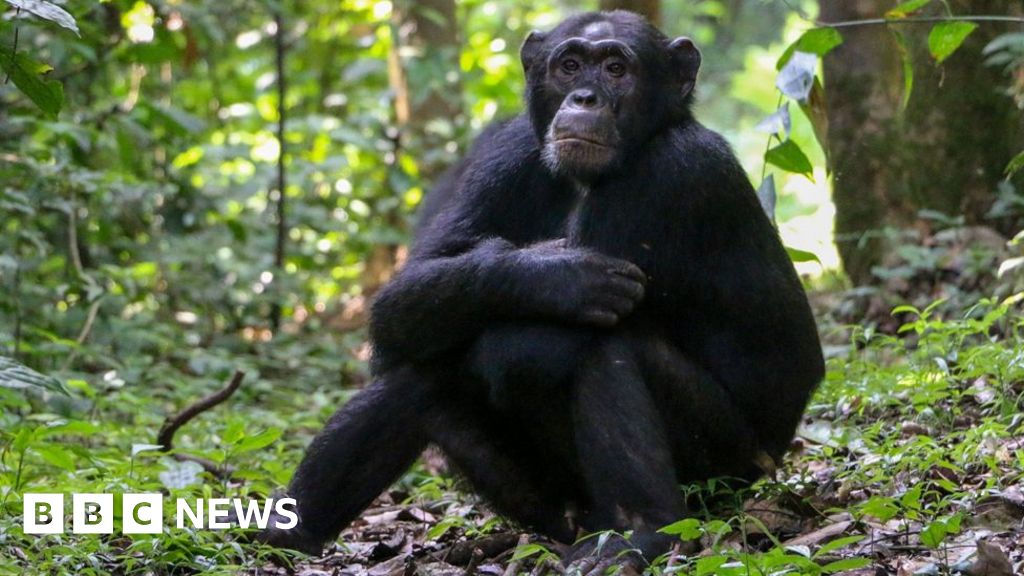
Scientists have observed wild chimpanzees in Uganda using plants with pain-relieving and antibacterial properties to heal themselves. By analyzing plants sought out by injured or ill chimps, researchers found that many had medicinal properties. This discovery, published in PLOS One, suggests that chimps' behavior could aid in the search for new medicines and highlights the importance of preserving natural habitats.
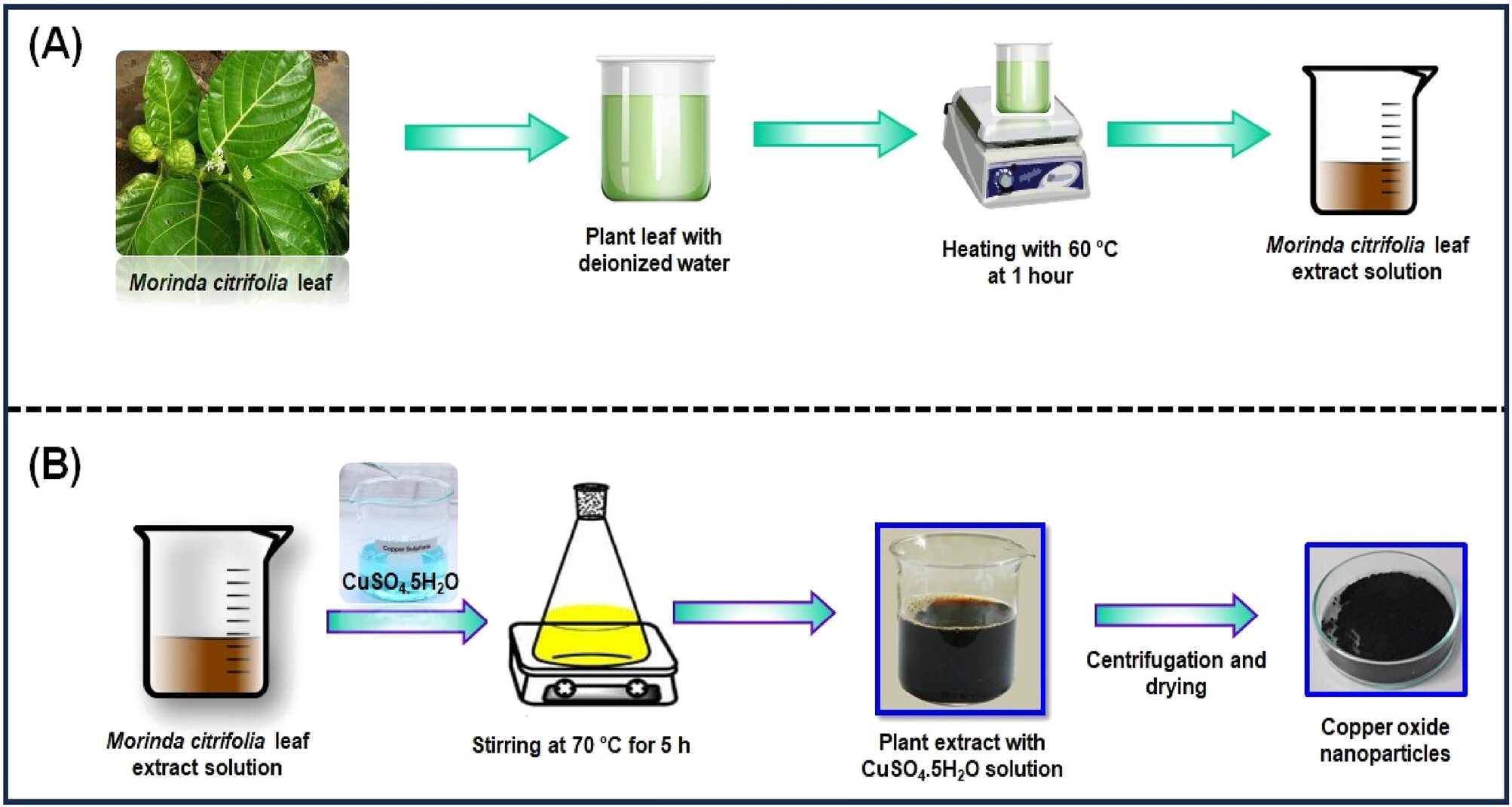
Scientists have developed a green method for producing bactericidal copper oxide nanoparticles from the noni plant, Morinda citrifolia, which is common in Asia. The nanoparticles were obtained through a biological process using noni leaf extract and exhibited antibacterial and antifungal properties. The resulting nanoparticles, ranging in size from 20 to 50 nanometers, showed activity against various bacteria and fungi and have potential applications in biomedicine, fuel cells, batteries, and food storage, although further research is needed to minimize toxicity while maintaining their biological effectiveness.
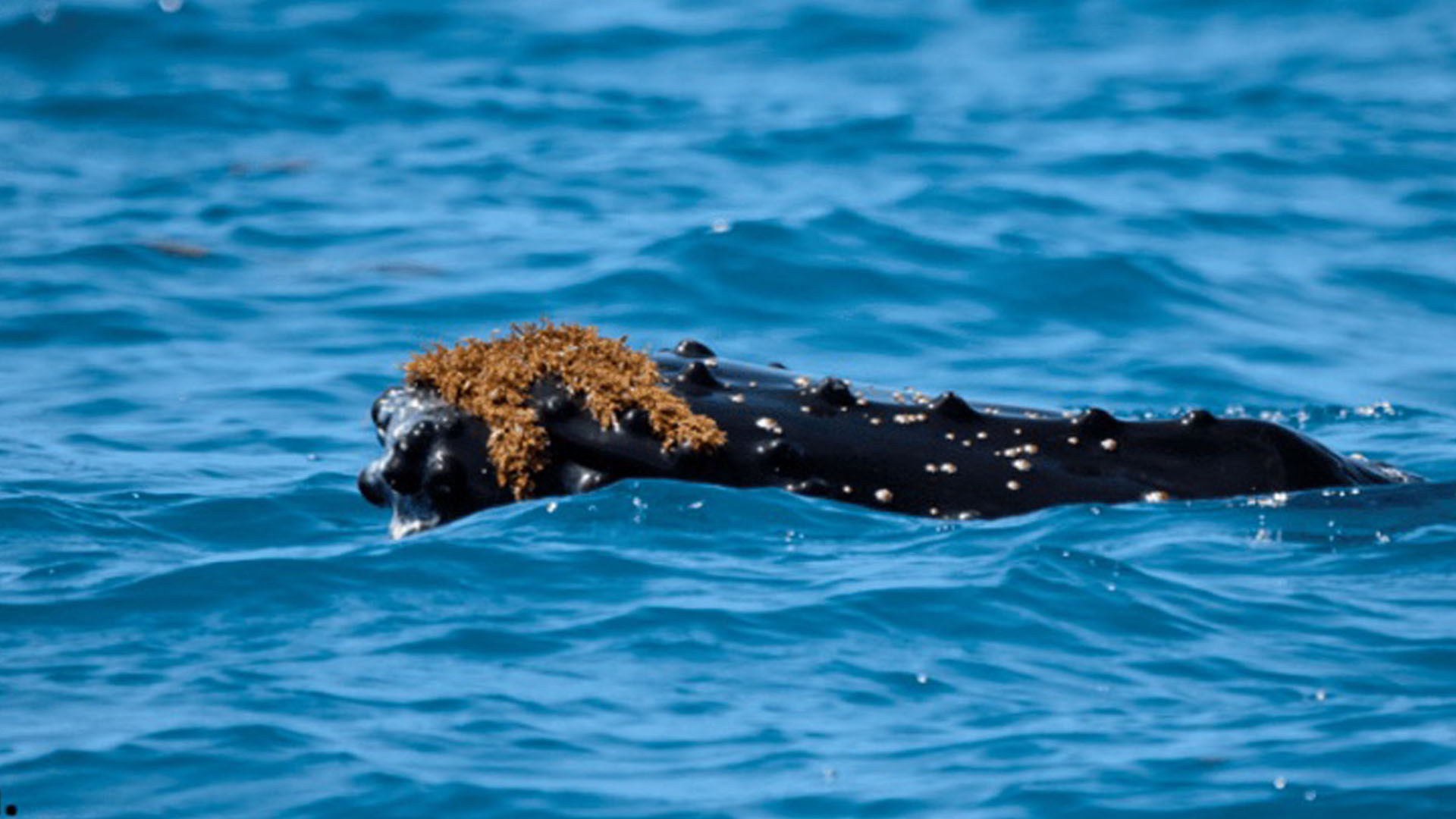
Scientists have discovered that whales wear seaweed for various reasons, including itch relief, barnacle removal, and potentially for fun. A study focused on baleen whales found that the seaweed is often worn in front of the blowhole or on the dorsal fin. Seaweed has antibacterial properties that could benefit the whales. The researchers suggest that this behavior may serve additional purposes such as learning, socializing, and skin treatment. The study highlights the need for further research on these giant marine creatures, with the hope that increased use of drones and cameras will provide more insights into this behavior.
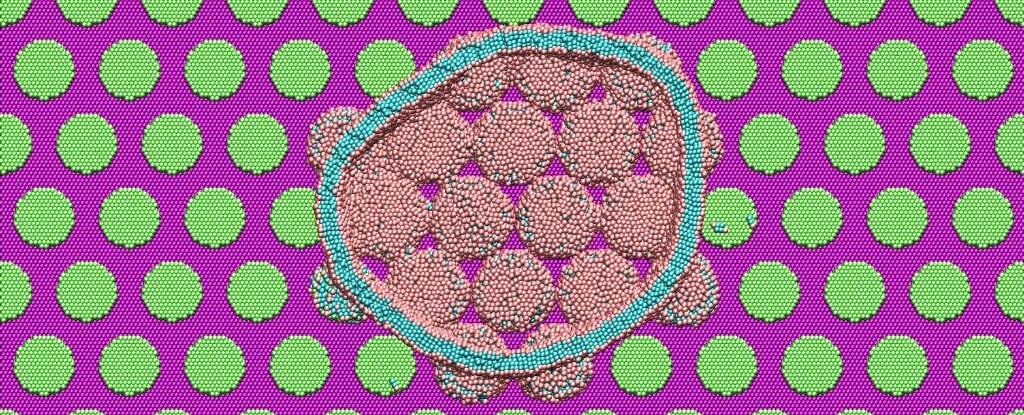
Researchers have used simulations to study the antibacterial properties of cicada wings, specifically focusing on the functions of nanopillars on their surface. The study found that surfaces with super-small nanopillars were effective at killing and removing bacteria, leaving no accumulated dead bacteria or debris. High-resolution molecular dynamics simulations revealed that the lipid outer shell of bacteria strongly interacts with the nanopillars, leading to membrane rupture and detachment from the pillars. Adding a thin layer of titanium oxide further enhanced the bacteria-killing properties. The findings could help develop more effective antibacterial coatings for medical devices.
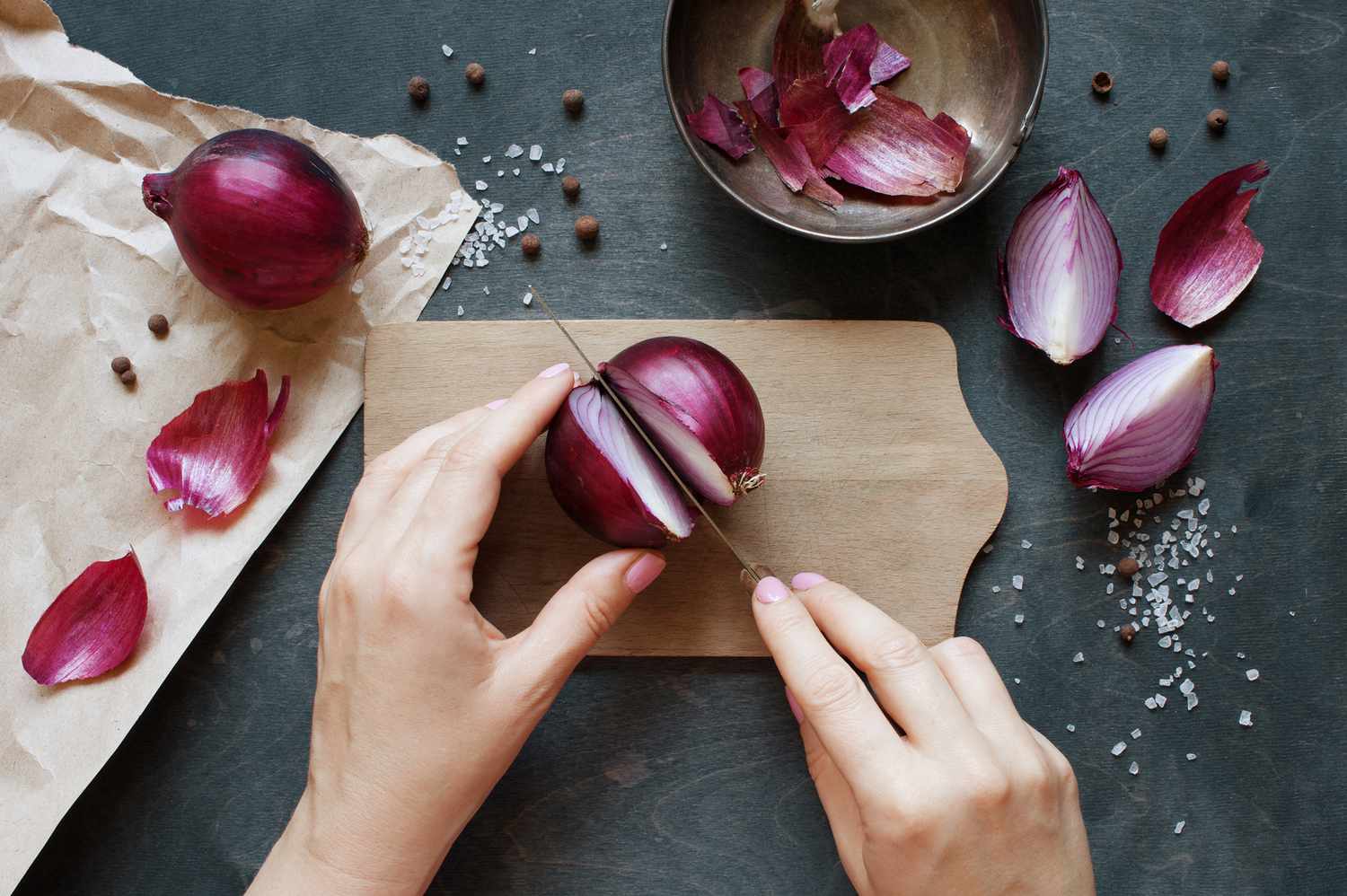
Cut, raw onions are not poisonous or dangerous to eat. Onions contain compounds that have antibacterial properties and their low pH and low protein content make them an unfavorable breeding ground for germs, viruses, or other pathogens. The myth that cut onions become poisonous comes from a folk belief from the 1919 influenza epidemic and a 2008 blog post that has since been debunked. Like any other type of food grown in soil, there is a rare potential for onions to have E.coli, salmonella, or other viruses that can be spread via toxic fertilizer. Safe food practices should be followed, and cut onions can be stored in the refrigerator in a sealed container for up to 7 days.