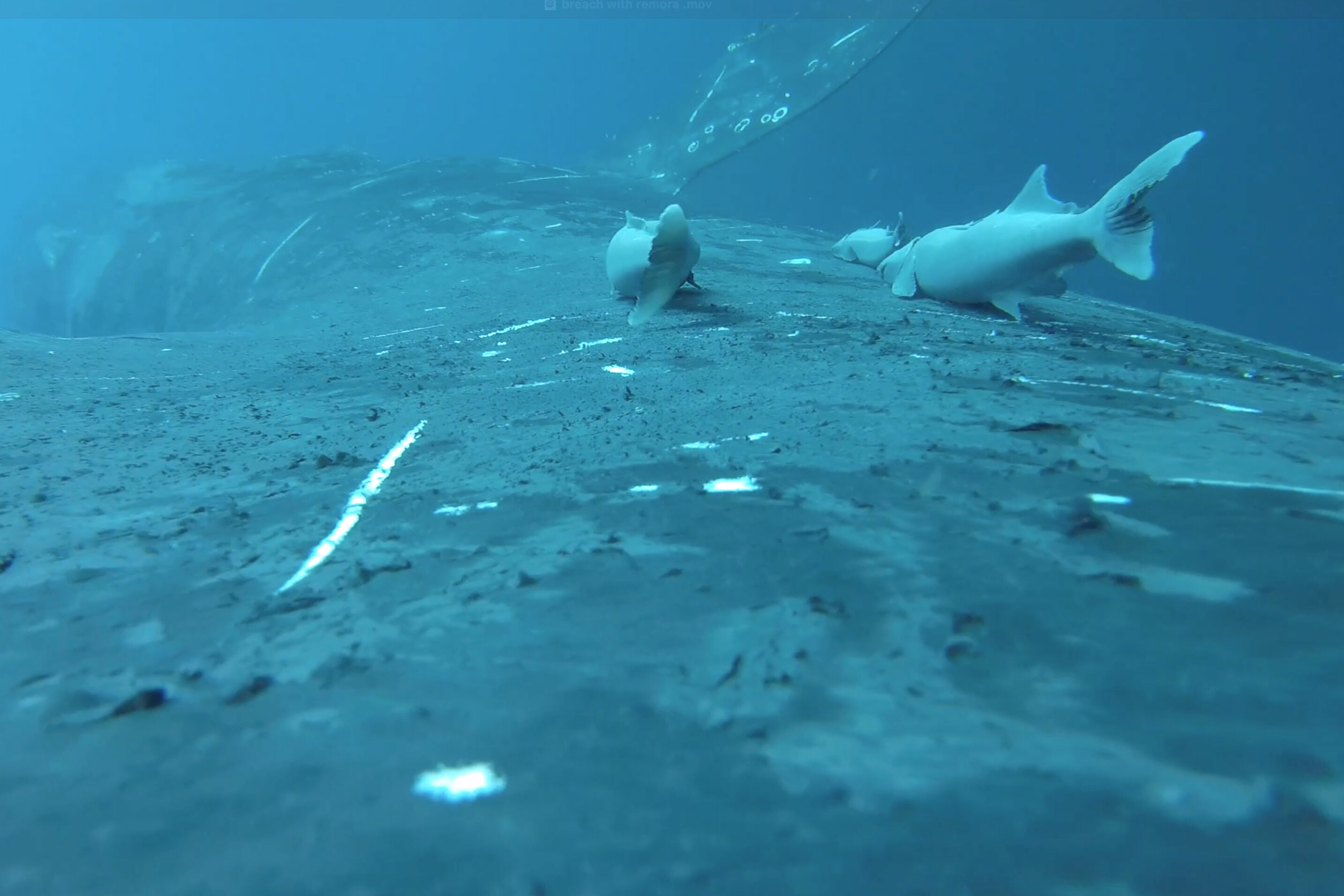
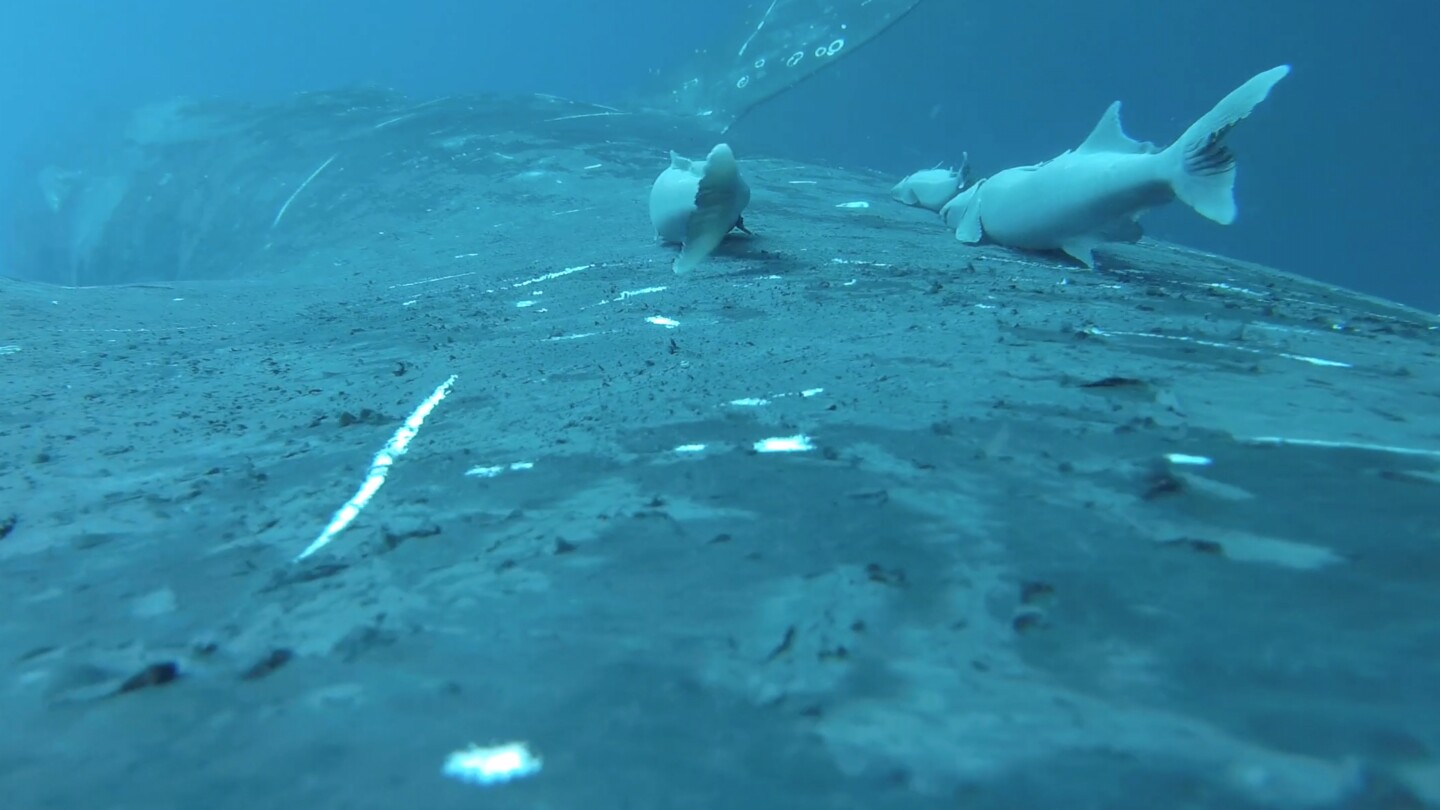
Scientists captured rare footage of remora fish riding on humpback whales off Queensland, Australia, showcasing their high-speed, synchronized hitchhiking behavior during whale migrations, which may serve mutual benefits or annoyance for the whales.
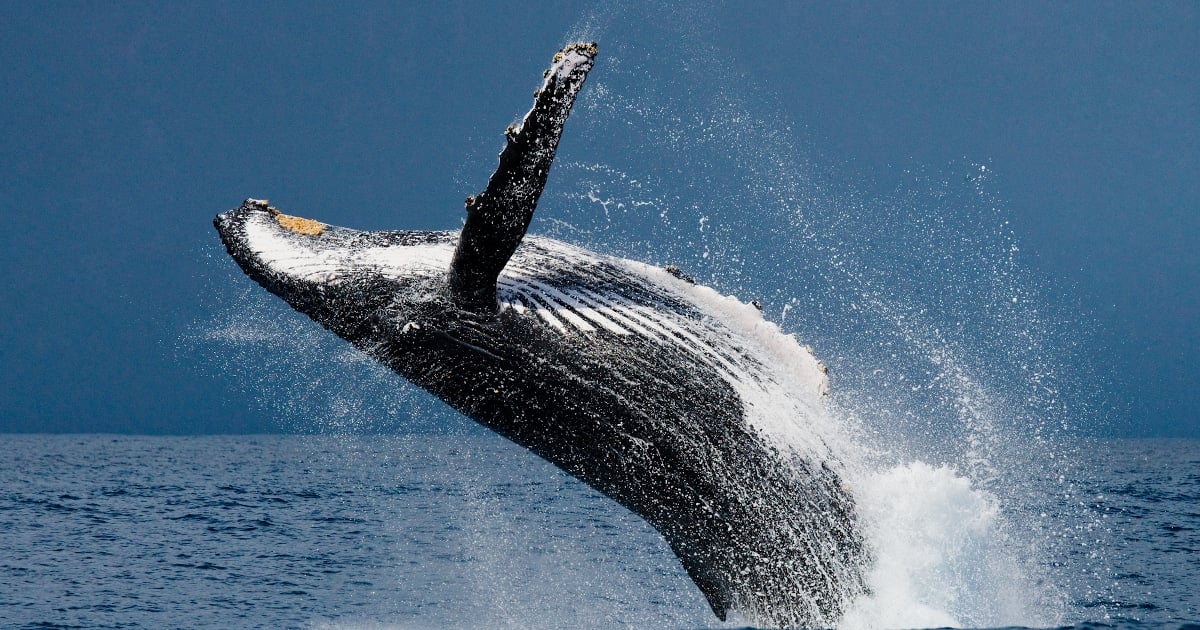
Scientists captured rare footage of remoras hitching a ride on humpback whales during their migration off Australia, showcasing the fish's high-speed, precise jumping and landing behavior as they feed on dead skin and sea lice, in a mutually beneficial relationship, though the full extent of their journey remains a mystery.
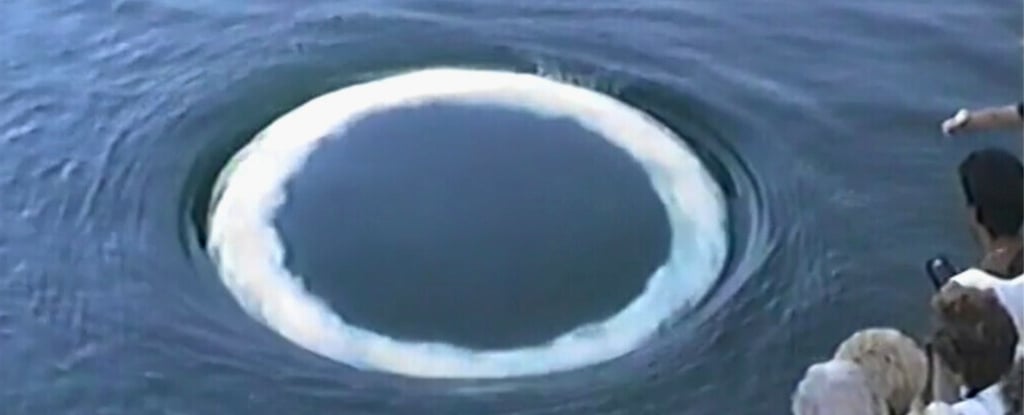
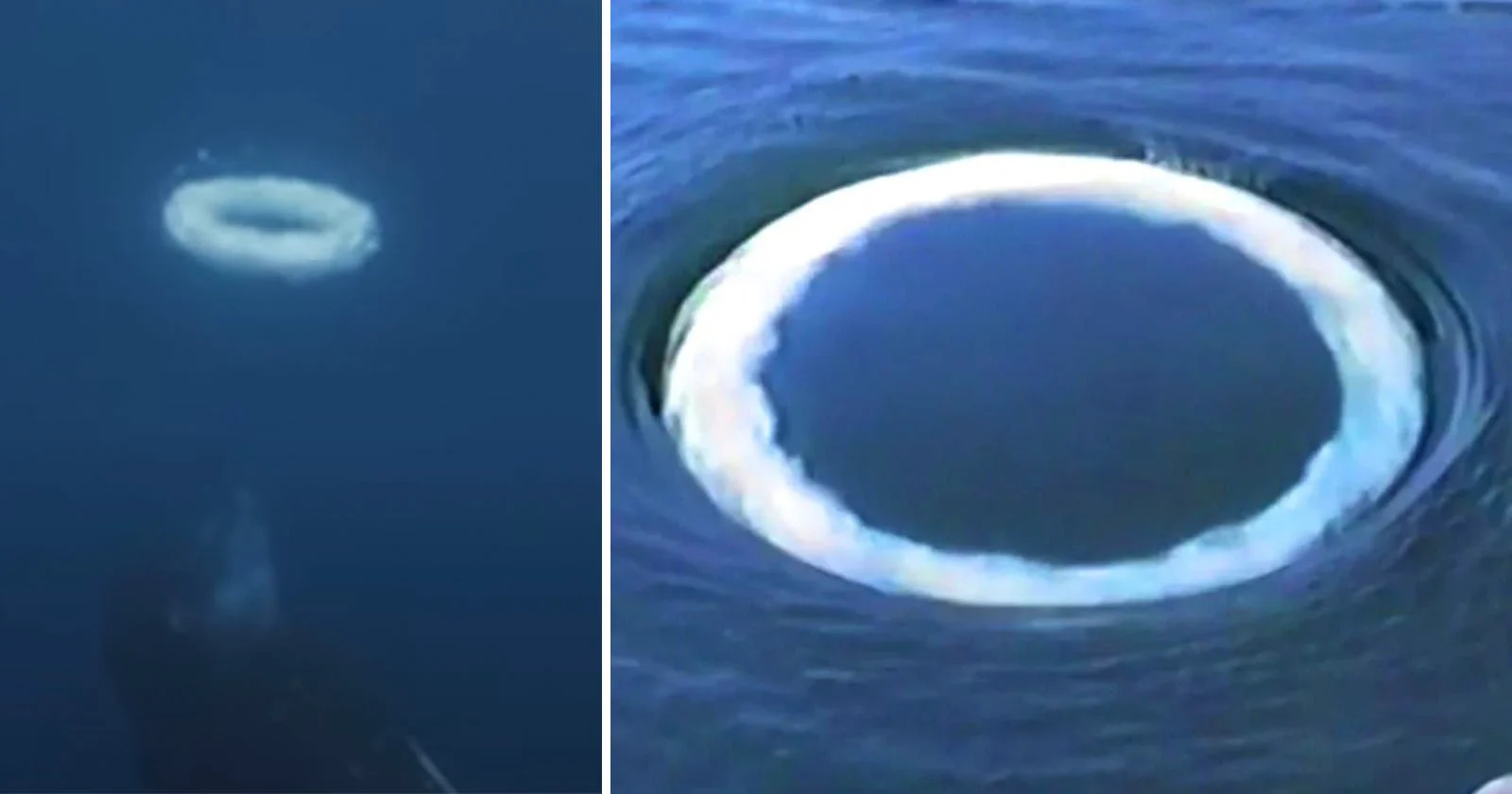
A new study suggests that humpback whales blowing bubble rings underwater may be attempting to communicate with humans, showing playful and non-aggressive behavior near boats and swimmers, but more research is needed to confirm their intentions.
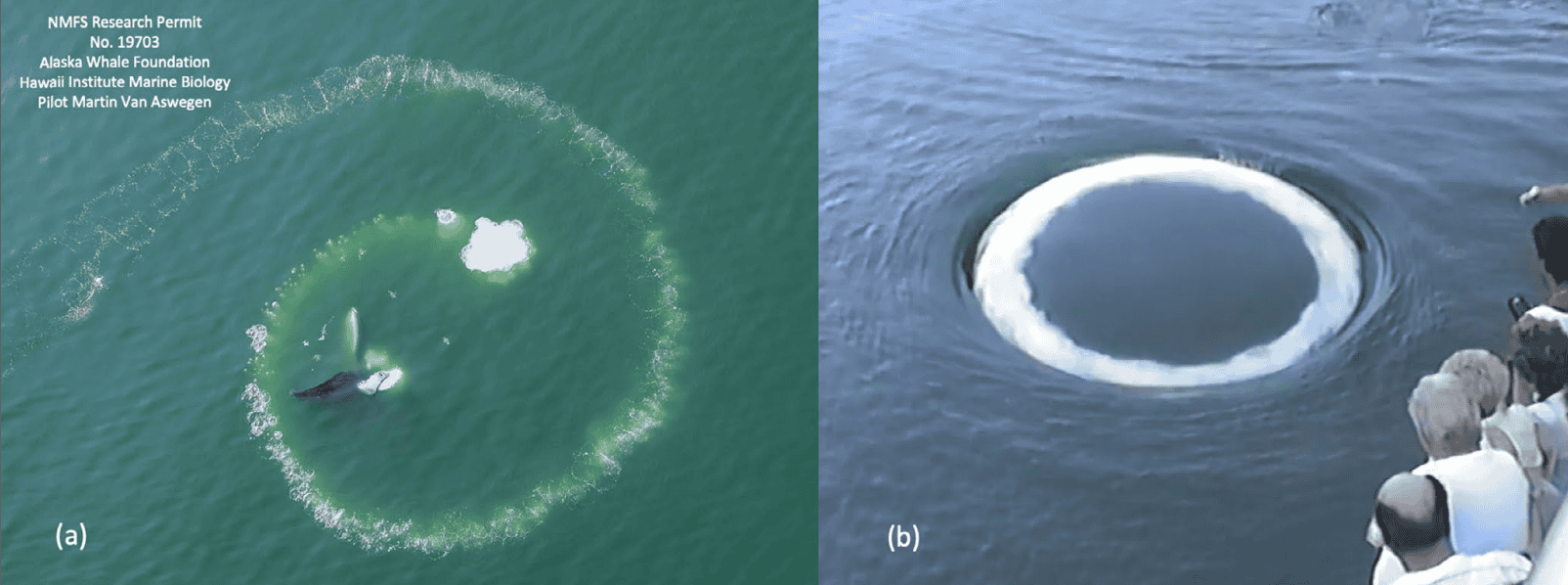
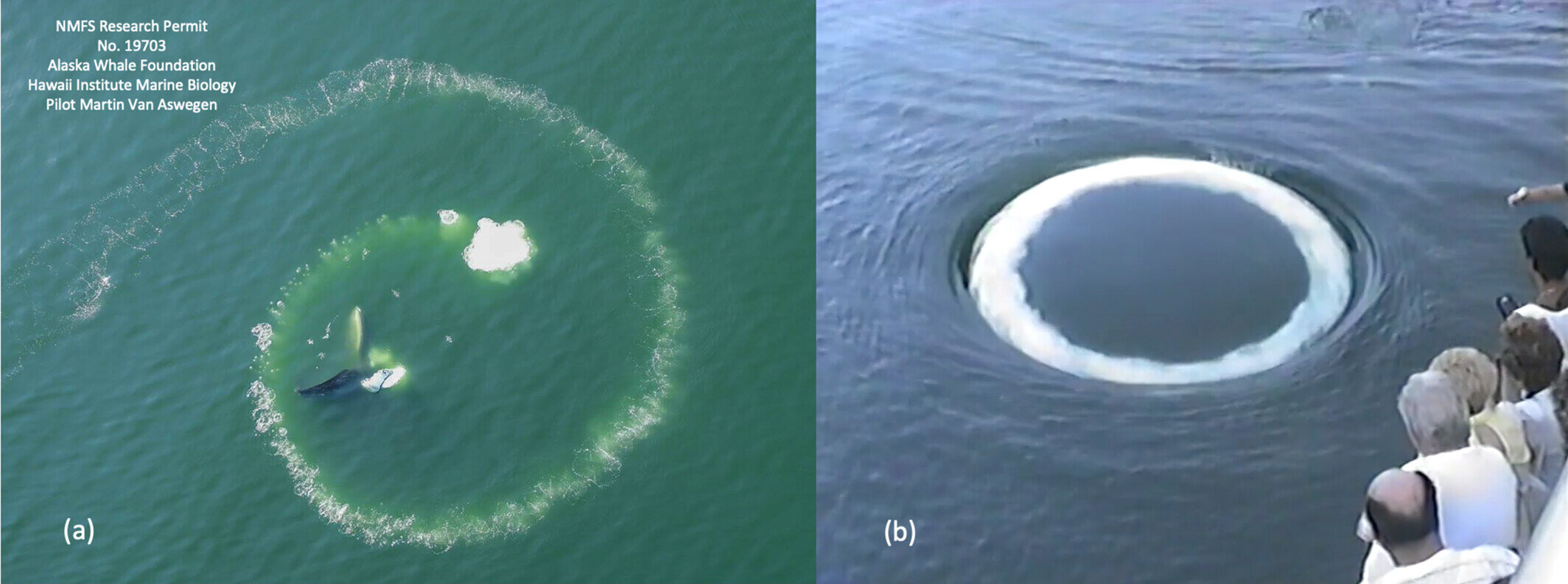
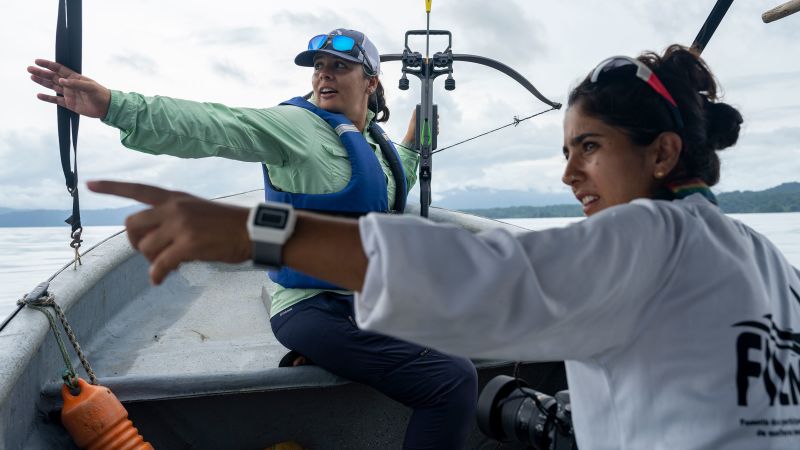
Scientists have observed humpback whales creating symmetrical bubble rings during peaceful encounters with humans, suggesting a possible form of communication or playful interaction, which may offer insights into non-verbal intelligence and interspecies signaling.
Scientists have captured the first photographs of humpback whales blowing bubble rings during friendly interactions with humans, suggesting a possible form of social or playful communication. These behaviors, observed in various locations worldwide, may indicate a level of curiosity and non-aggressive interaction, contributing to understanding non-human intelligence and communication methods.
Scientists have observed humpback whales creating bubble rings during friendly encounters with humans, which appear to be attempts at communication. These behaviors, along with previous studies on whale calls and tool use, suggest complex social interactions and potential messaging efforts, drawing parallels to interstellar signal analysis. The research aims to better understand animal communication and develop methods to interpret non-verbal signals, with implications for both terrestrial and extraterrestrial life detection.
Scientists have observed humpback whales creating large bubble rings during friendly interactions with humans, a behavior that may serve as play or communication, expanding understanding of whale social behaviors and aiding in the search for extraterrestrial intelligence.
A humpback whale has set a record for the longest known migration between breeding grounds, traveling over 8,000 miles across three oceans. This journey, documented in the journal Royal Society Open Science, may be influenced by climate change affecting ocean conditions and food availability, or changes in mating strategies. The whale was first spotted off Colombia in 2013 and later off Zanzibar in 2022. The research highlights the extensive migrations of humpback whales and utilizes citizen science and AI to track whale movements globally.
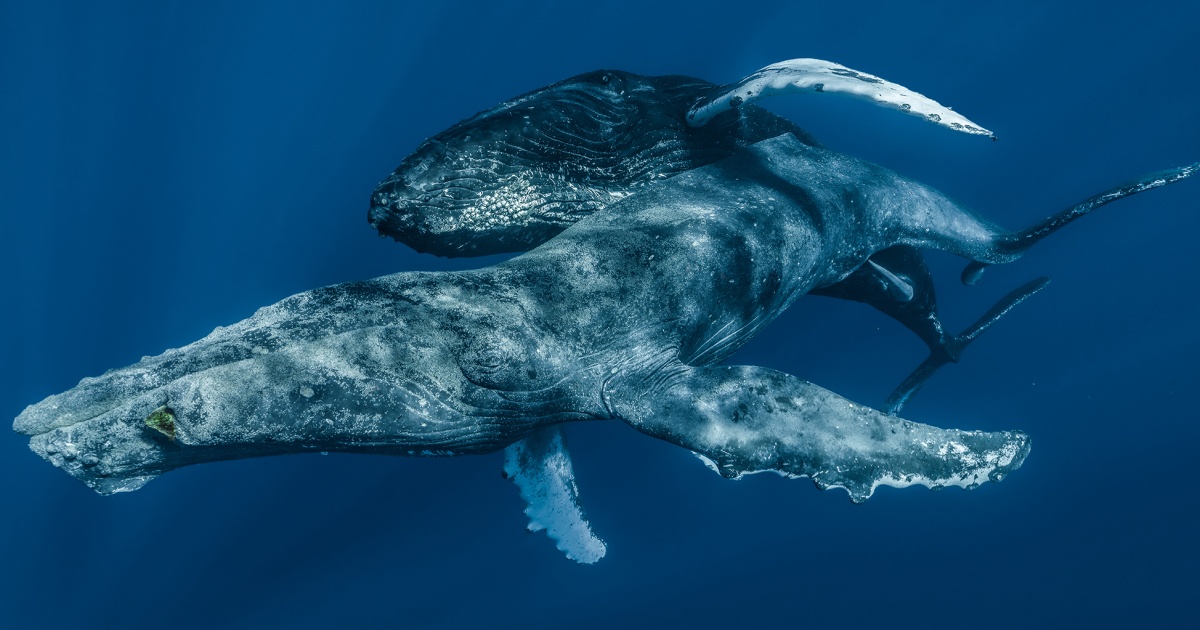
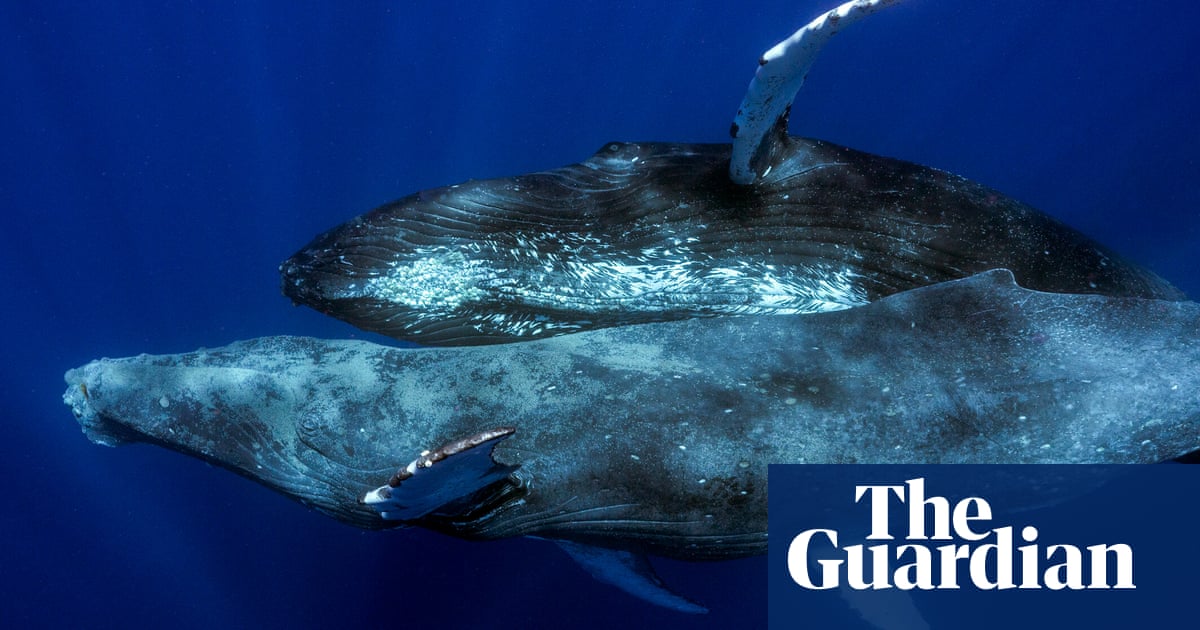
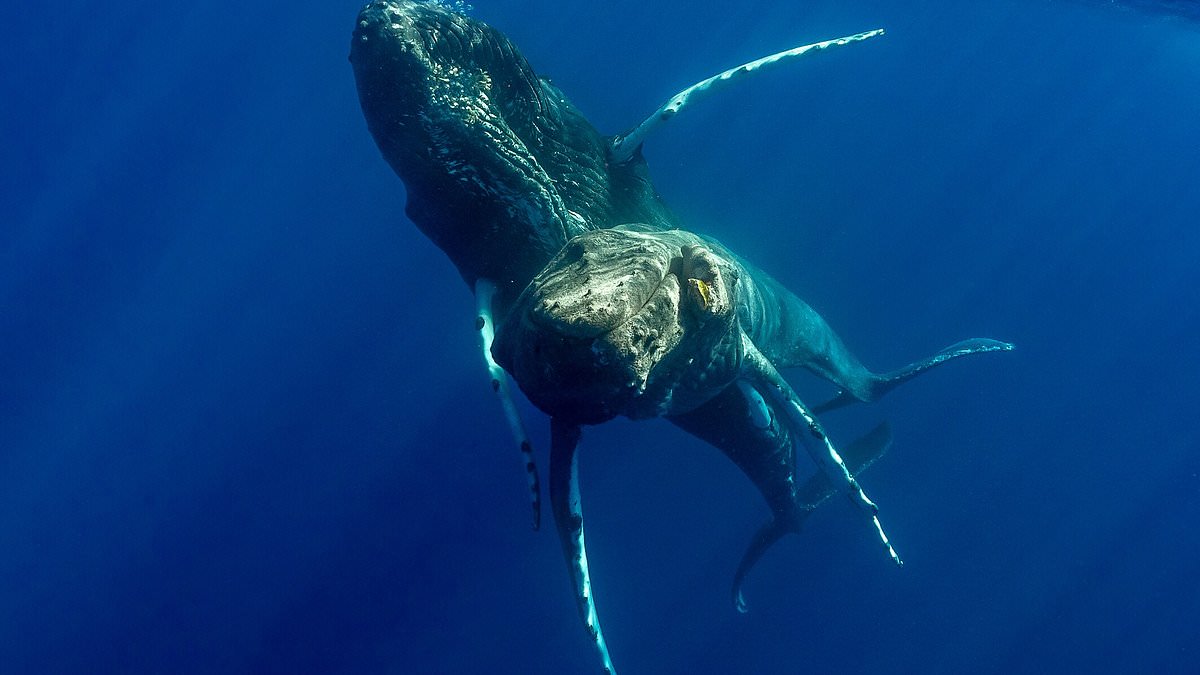
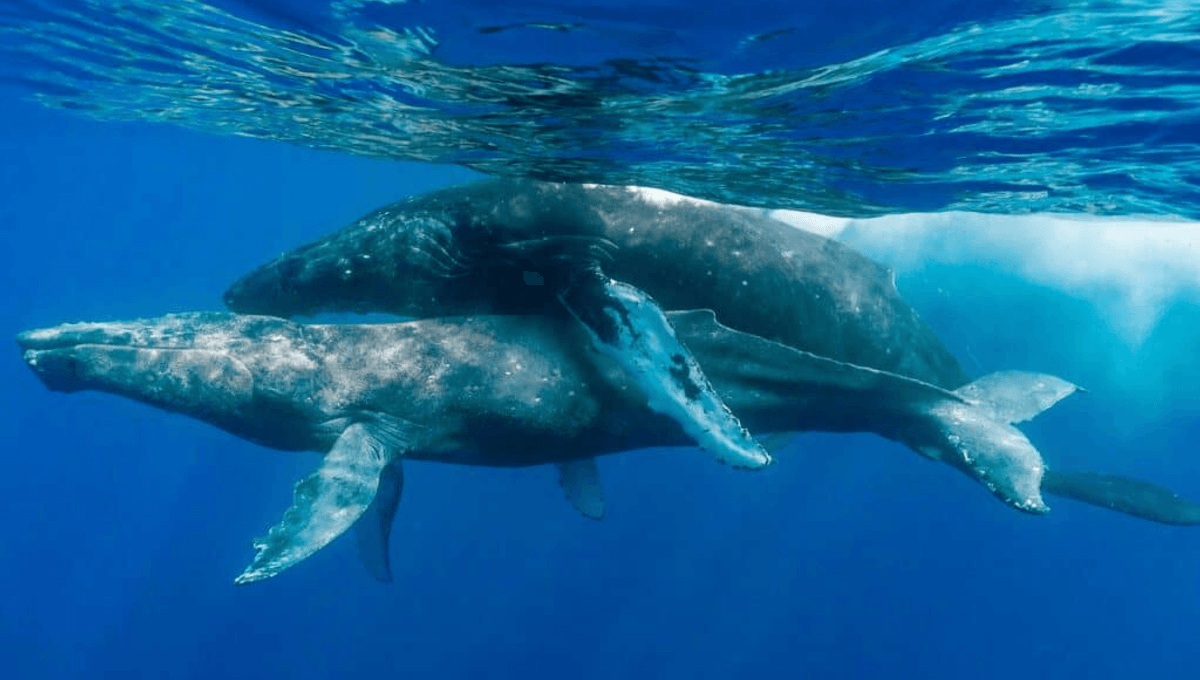
Photographers captured the first documented instance of two male humpback whales engaging in sexual activity, with one whale penetrating the other in waters west of Maui. The encounter, observed for approximately 30 minutes, took place roughly 15 feet below the surface. The authors of the study, including marine biologist Stephanie Stack and the photographers, emphasized the scientific significance of the photographs and the importance of understanding the social behavior of humpback whales. Same-sex behavior is common in the animal kingdom, and while it has been observed in other marine mammals, this is the first documented instance for humpback whales.
For the first time, humpback whales engaging in sexual activity have been photographed, and both whales involved were male. The encounter, captured off the coast of Hawaii, challenges previous notions about humpback whale behavior and represents the first evidence of homosexual behavior in the species. The sighting, confirmed by scientists, occurred in January 2022 and has been detailed in a newly published study. The research suggests that cetaceans like humpback whales may engage in same-sex copulation for various reasons, including reproductive behaviors or social alliances.
Wildlife photographers captured the first-ever photos of male humpback whales engaging in sexual activity off the coast of Maui, Hawaii. The encounter revealed that one of the whales was in poor health, with injuries and signs of emaciation. The behavior, previously undocumented in humpback whales, sheds light on their mating habits and raises questions about the well-being and consent of the animals involved. The images provide valuable insights for marine biologists and conservationists studying these majestic creatures.
A new study using artificial intelligence and thousands of photos of whales taken over a 20-year period found that a mass of warm water, known as "The Blob," contributed to the deaths of thousands of humpback whales in the North Pacific, roughly 20% of the population, between 2012 and 2021. The humpback whale population had recovered from commercial whaling, but the warm water event led to a significant decline, suggesting that the ocean suddenly couldn't support the population due to loss of prey resources. Climate change is considered a major threat to whales, with warming oceans impacting their foraging behavior, reproduction, and migration.
Photographers captured the first-ever footage of two male humpback whales engaging in sexual activity off the coast of Maui, Hawaii, challenging preconceived notions about humpback whale behavior. The discovery sheds light on same-sex sexual behavior in animals and raises questions about the frequency of such encounters. Researchers are eager to expand observations of humpback whale copulation to better understand their sexual behavior and social dynamics. However, concerns have been raised about the health and well-being of one of the whales involved, suggesting the possibility of non-consensual interaction.
Humpback whales, once on the brink of extinction, have made a remarkable comeback, providing invaluable ecological services such as fertilizing the ocean and capturing CO2. However, they now face new threats from climate change, industrial krill fishing, and ship collisions. Efforts to protect them include using AI to understand their communication and the passage of the Global Oceans Treaty. Experts believe that by saving the whales again, humanity can also save itself.
Researchers from the SETI Institute report what may be the first conversation between humans and humpback whales, using recorded whale noises to initiate communication with a humpback named Twain off the coast of Alaska. The goal is to develop filters for potential extraterrestrial signals by studying non-human communication systems, and the team will now study the non-audio communicative behavior of humpback whales. This approach offers a more powerful tool for examining animal communication and may hold promise for the future of biology.