marine-biology3.995 min read
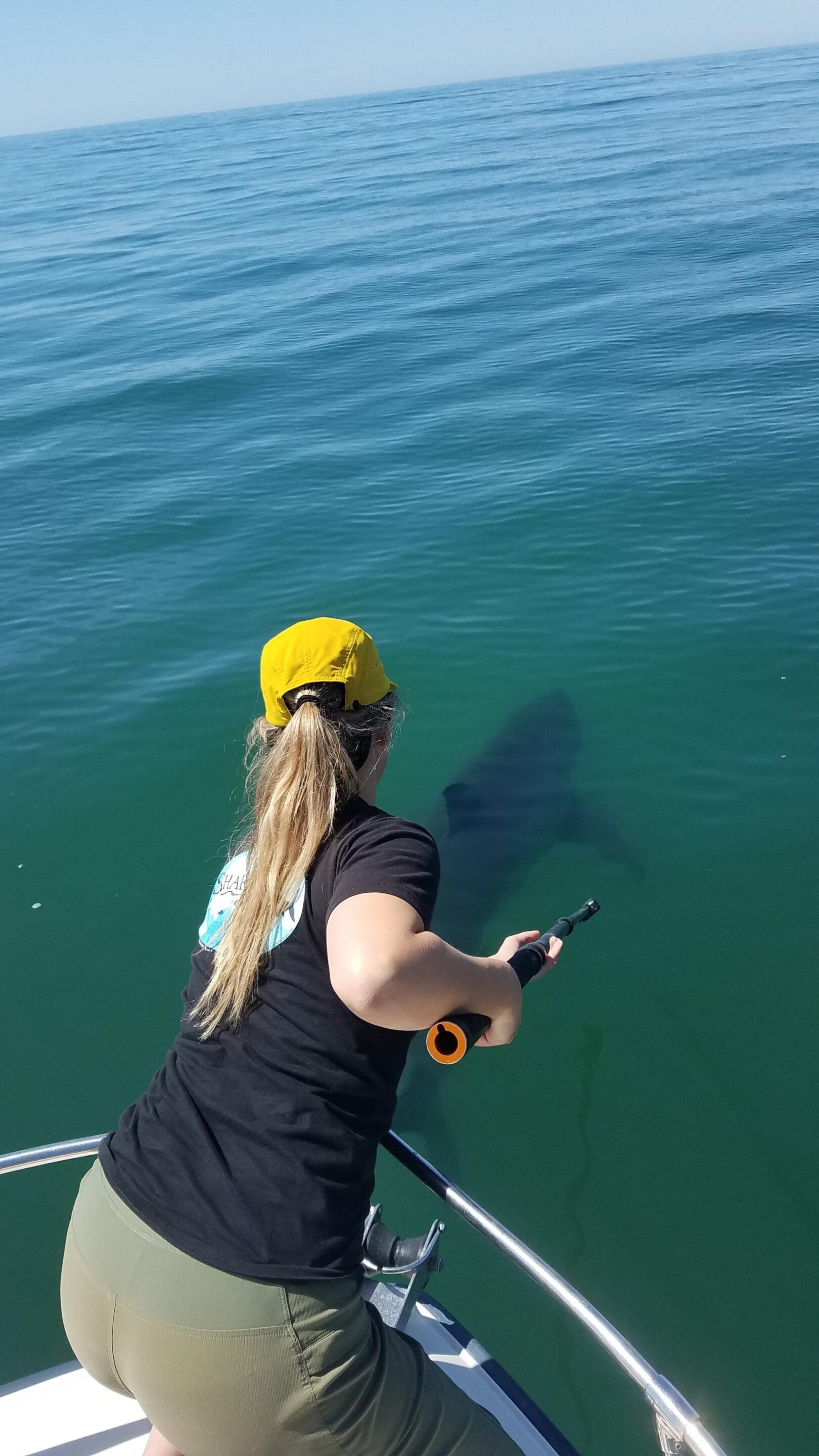
"Shallow Waters: Baby Great White Sharks' Shore Preference Revealed"
1 year ago•Source: Phys.org

The latest marine biology stories, summarized by AI
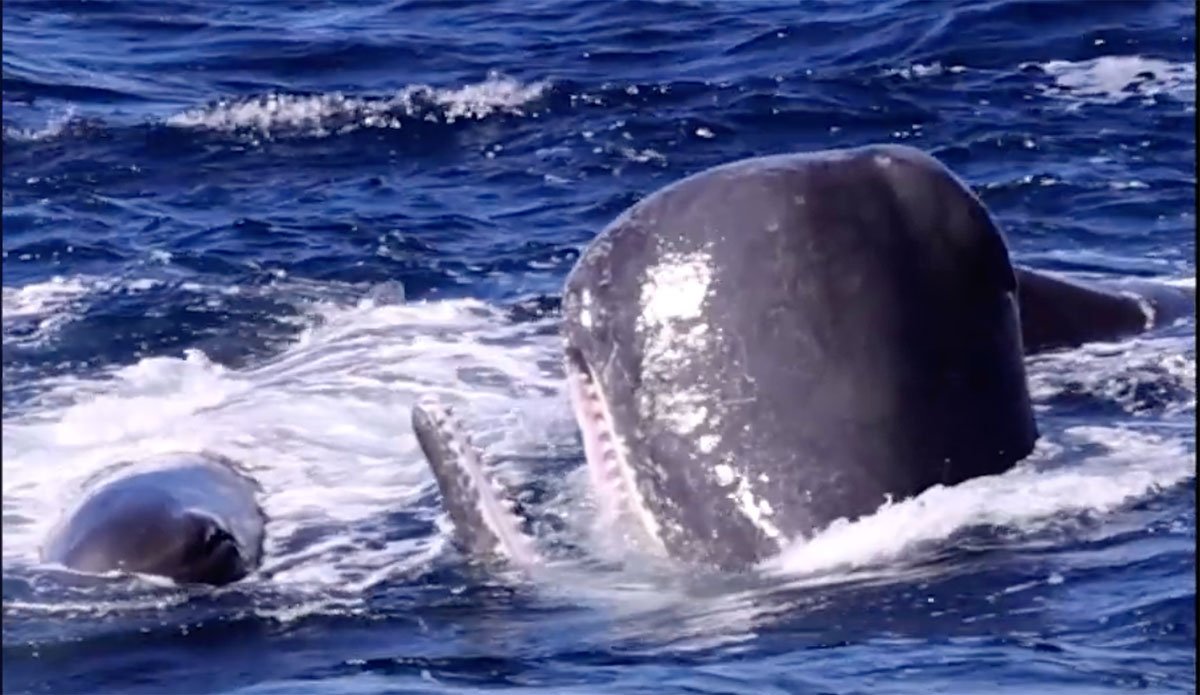
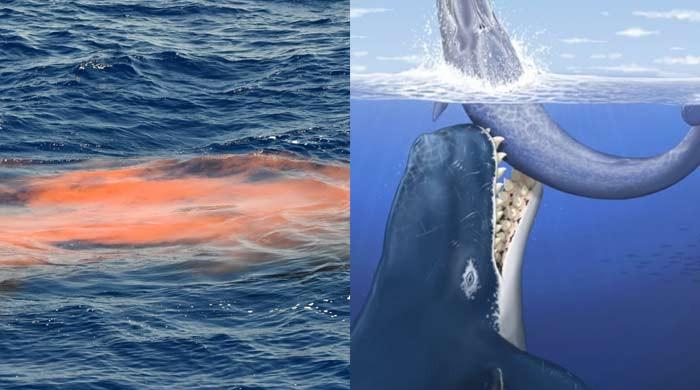
Sperm whales off the southern coast of Western Australia were observed using a unique defense tactic against hunting orcas by releasing a large cloud of watery, squid-filled feces, which is known as emergency or defensive defection. This tactic, believed to deter predators, was mistaken for blood at first due to the whales' squid-rich diet. While it may have been partially successful, the orcas were later seen with what appeared to be stolen chunks of giant squid, indicating that the defense mechanism may not have completely thwarted the hunting party.
Livescience.com•1 year ago
Yahoo Life•1 year ago
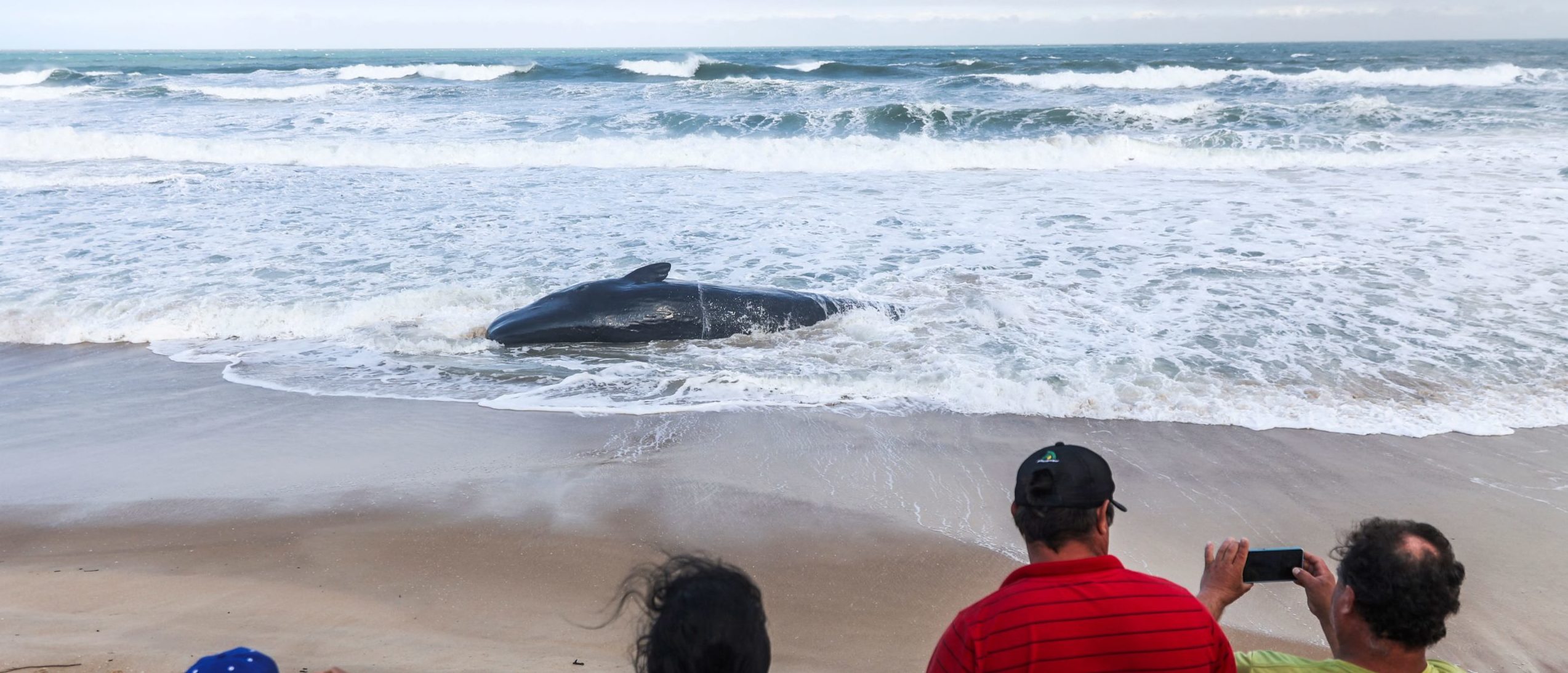
Sperm whales near the Australian coast successfully repelled a pod of orcas by releasing a "cloud of diarrhea," a defensive tactic witnessed by marine biologist Jennah Tucker. Initially mistaking the excretion for blood, Tucker and her team later realized the unusual defense mechanism had deterred the orcas, potentially saving the whales' lives. The incident is rare, as sperm whales are considered apex predators and typically immune to orca attacks.
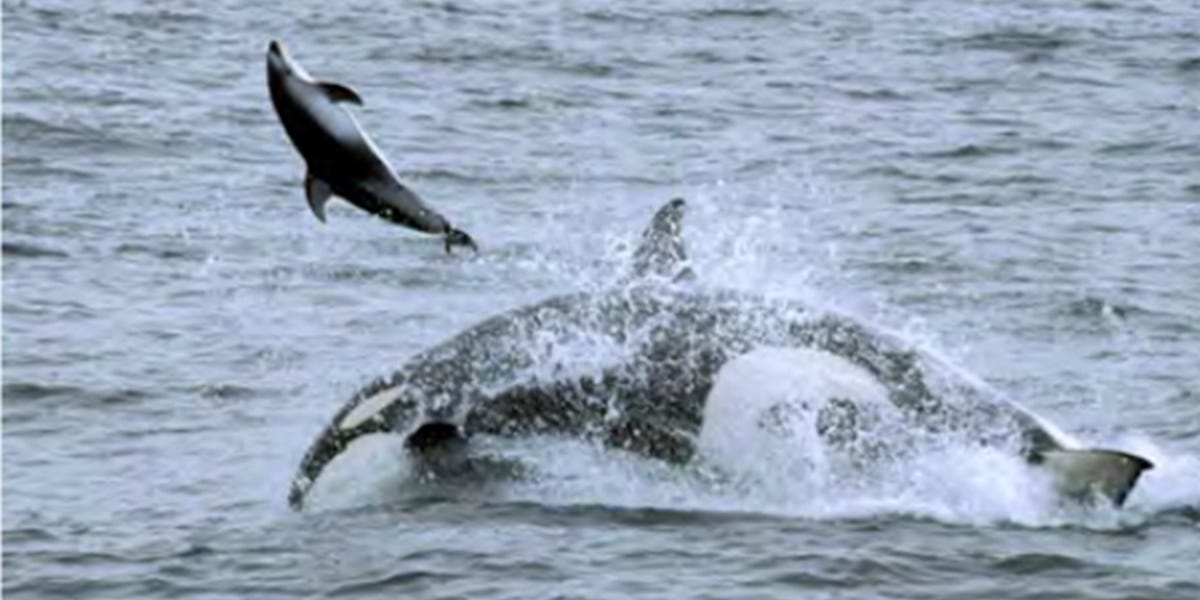
A new study reveals that a pod of 183 killer whales off the coast of California has been using a deep-sea canyon to trap and ambush their prey, including gray whale calves, elephant seals, minke whales, and dolphins. The orcas employ tactics such as tail slaps and body-blocking to separate and exhaust their prey before finishing them off and feeding on their carcasses. Understanding these behaviors is crucial for comprehending the impact of orcas on marine ecosystems and shaping conservation efforts to protect them from human threats.
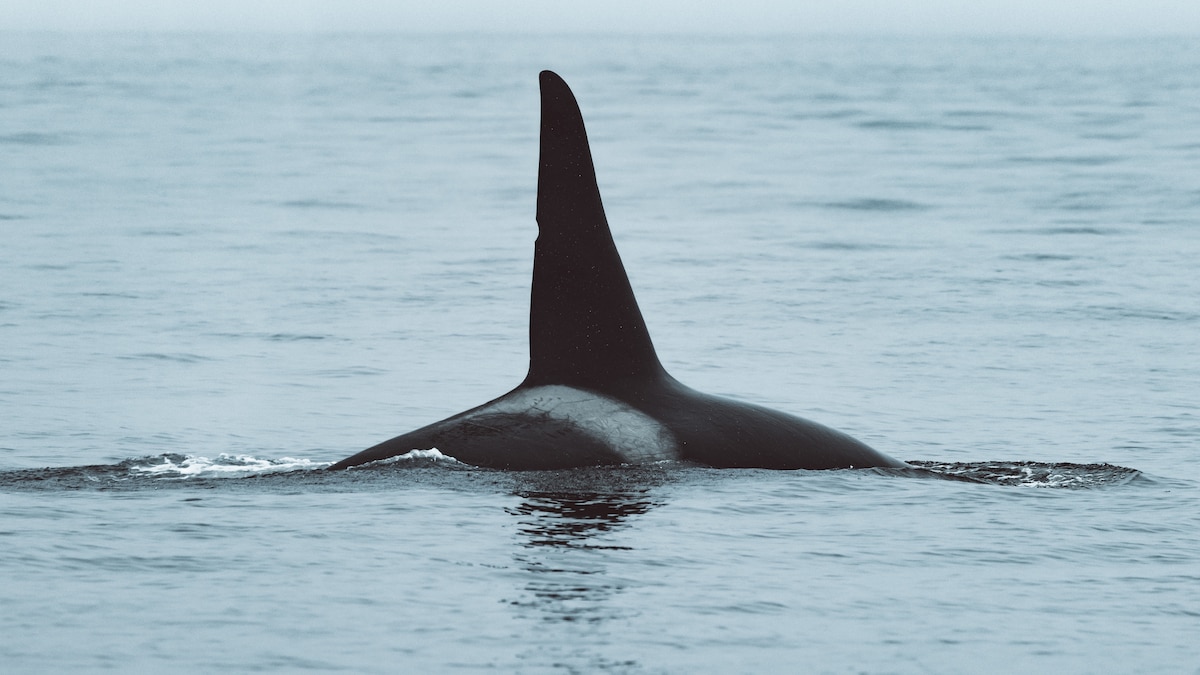
Scientists have discovered a potential new population of killer whales, dubbed the oceanics, that thrive in the open ocean and hunt large whales and other sizable prey. These orcas, distinct from known ecotypes, have been observed in the North Pacific, displaying unique physical characteristics and feeding behaviors. The study suggests that the oceanics may have formed as prey drew them farther from shore, and further research is needed to understand this mysterious population's genetic makeup and ecological impact.
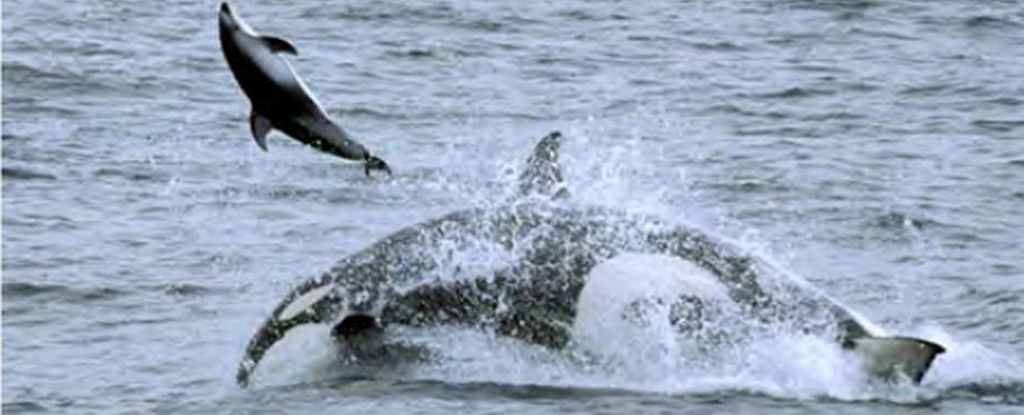
A population of transient orcas off the coast of California has developed specialized hunting techniques for catching marine mammals such as seals, whale calves, dolphins, and porpoises in open waters. These orcas use a mix of cunning and brute force, including ramming, tail slapping, and coordinated attacks to secure their prey. The study sheds light on the complex foraging behavior and ecology of transient orcas as apex predators in the North Pacific Ocean, highlighting their role in the marine ecosystem.
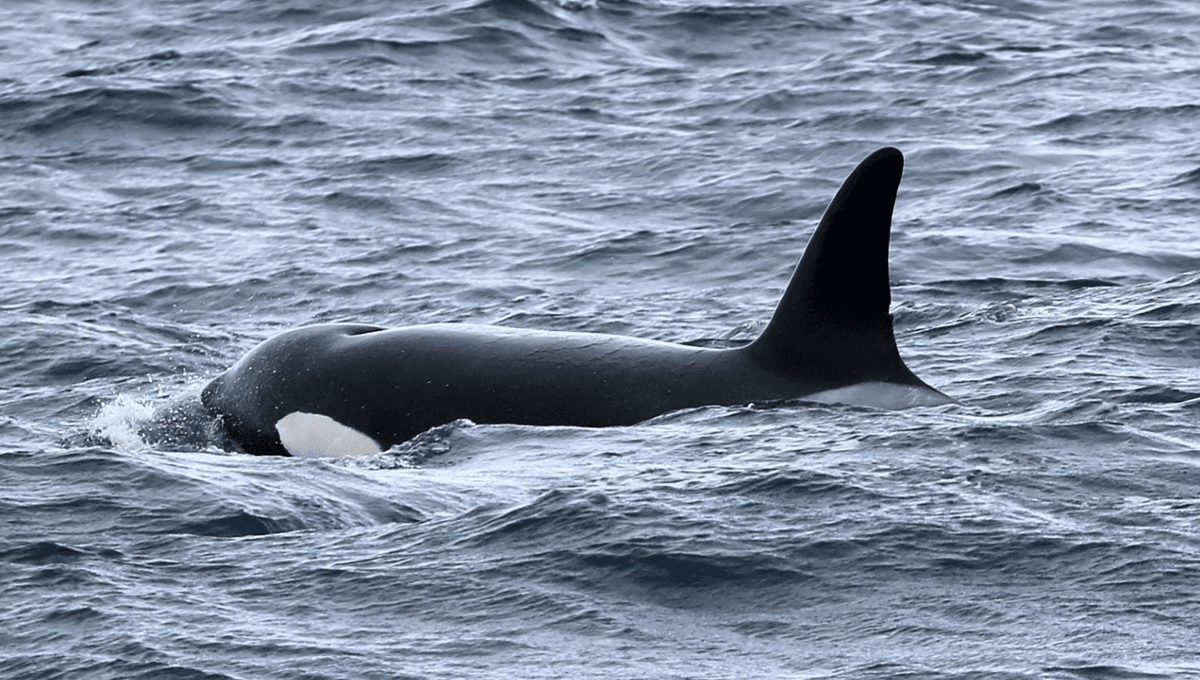
A newly identified population of 49 killer whales off America's west coast has puzzled marine biologists with their mix of physical characteristics and fearless behavior, including attacking sperm whales, a northern elephant seal, and a turtle, while also carrying marks of frequent duels with sharks. The population, observed since 1997, exhibits traits associated with different orca populations, leading researchers to hypothesize that they may represent a distinct oceanic subpopulation or an undescribed oceanic population feeding on marine mammals and sea turtles in the open ocean beyond the continental shelf break.
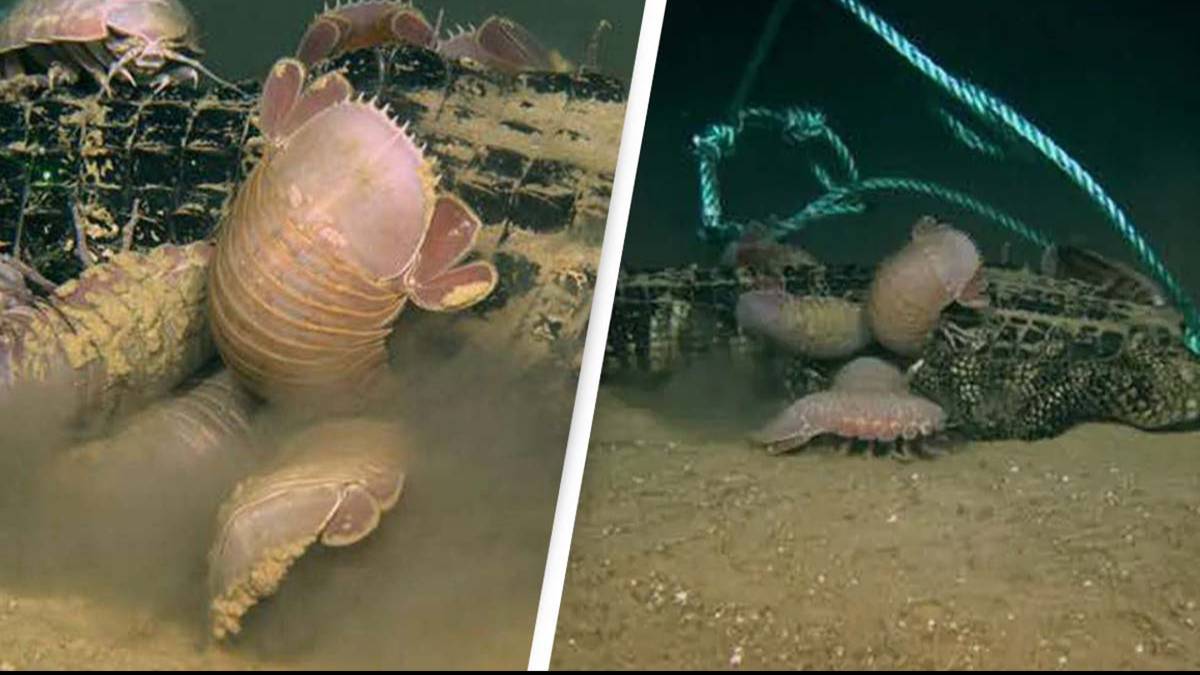
Scientists discovered a new bone-eating creature, a 'Zombie Worm', after dropping dead alligators into the deep sea floor in the Gulf of Mexico. Giant isopods and the 'Zombie Worm' were found to consume the alligator carcasses, with one alligator being carried off by a mysterious creature, likely a Greenland Shark or Six Gill Shark. This study sheds light on the scavenging behavior and biodiversity of deep sea creatures in response to unusual food sources.
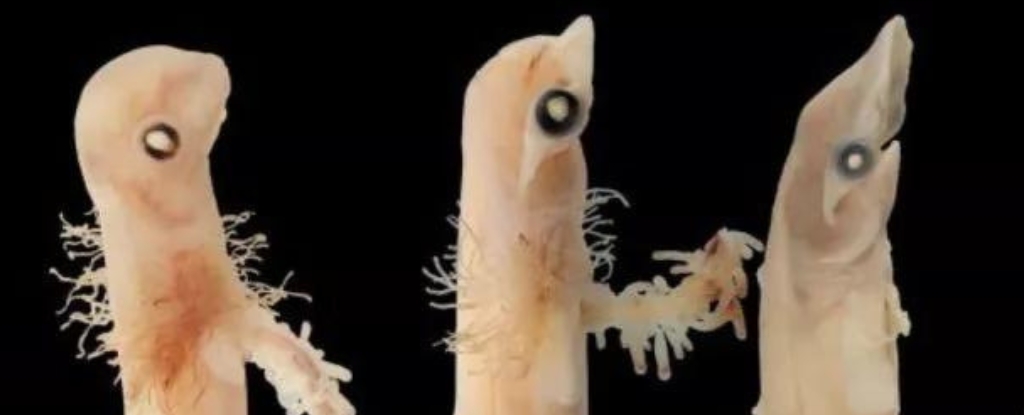
Scientists have gained rare access to the development of hammerhead shark embryos, shedding light on the mystery of their unique heads. Unlike most shark species, hammerheads gestate their pups in utero, with up to 16 embryos nourished by umbilical cords before live birth. By salvaging embryos from deceased adult female sharks, researchers were able to document the entire set of developmental stages, creating a visual growth chart and uncovering insights into the evolution of these peculiar sharks.
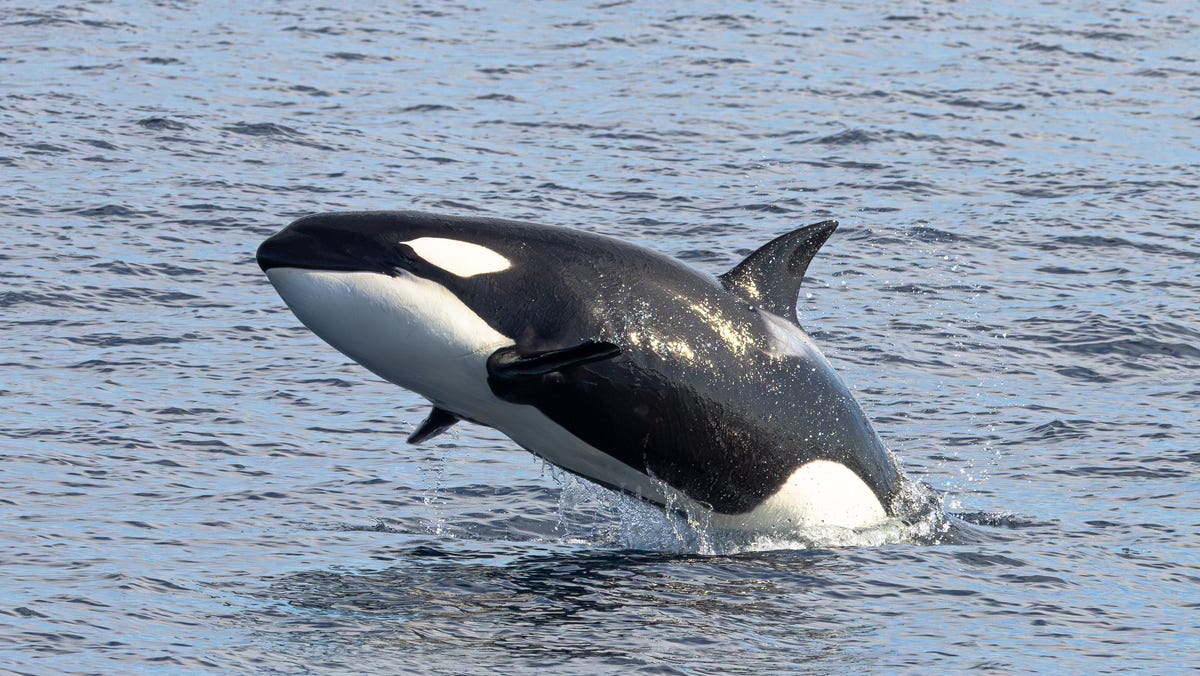
Scientists witnessed a lone orca named Starboard killing an 8-foot great white shark off the coast of South Africa, marking the first documented instance of a solitary orca preying on a great white. The incident, observed in June 2023, challenges conventional hunting behaviors and raises concerns about the orcas' impact on the area's ecosystem. Researchers believe that killer whales could potentially drive sharks out of South African waters, leading to changes in the marine ecosystem.
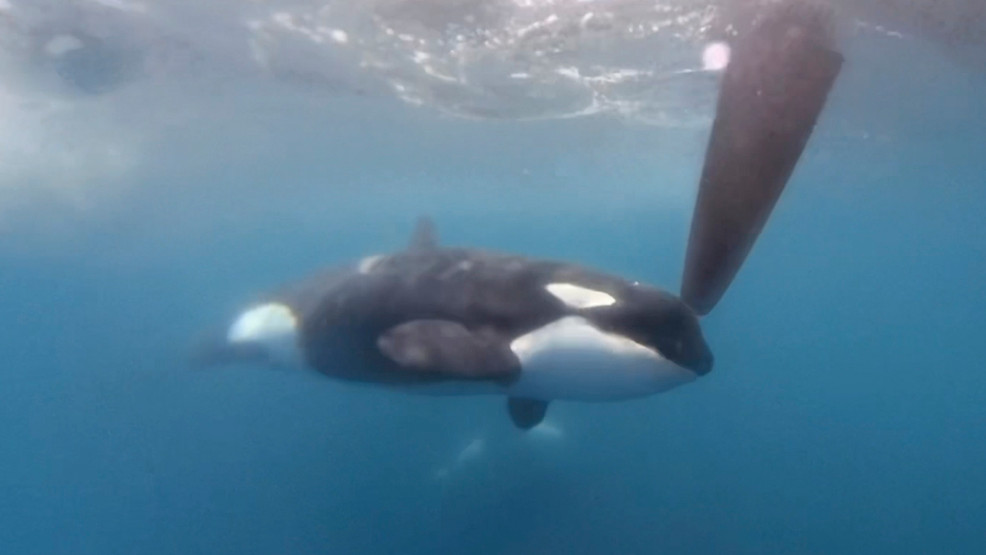
Scientists have observed a lone Orca, named Starboard, attacking and killing a great white shark in South Africa, marking the first documented instance of such behavior in the region. The orca swiftly killed the shark and consumed its liver, a behavior that has raised concerns among scientists about potential disruptions in the balance of apex predators in the ocean, possibly due to human activities such as climate change and industrial fishing. The incidents of orcas preying on great white sharks appear to be increasing, posing potential threats to other species in the marine ecosystem.
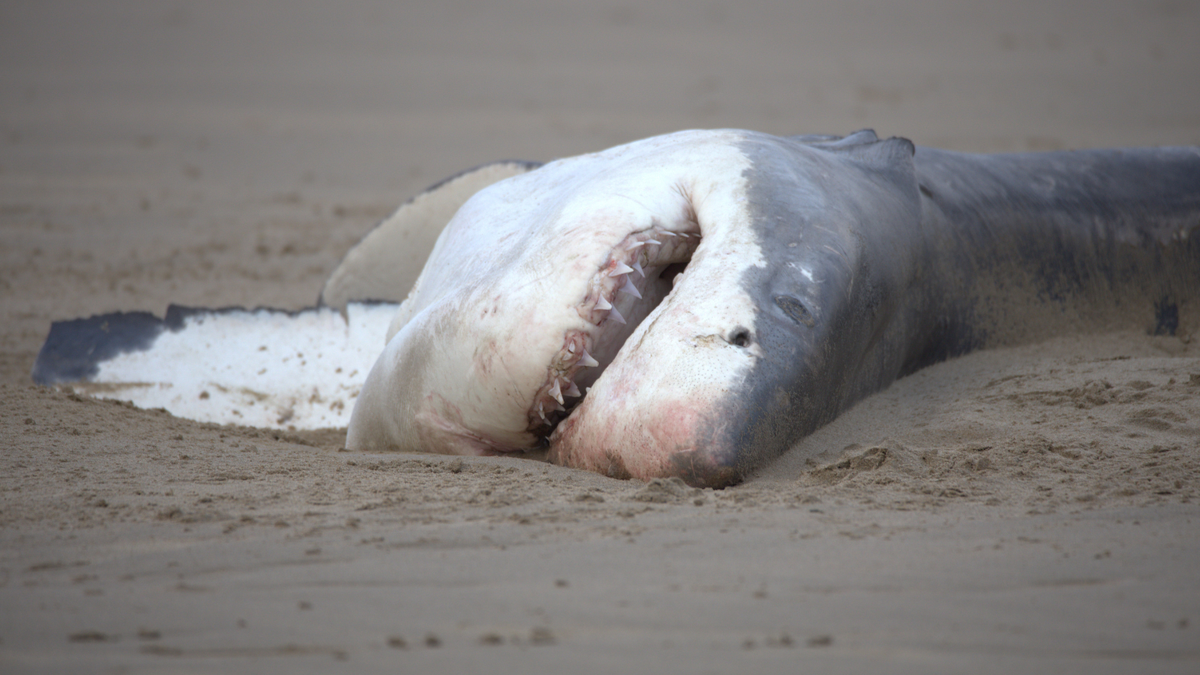
Researchers off the coast of South Africa observed a male orca, named Starboard, hunting and consuming a juvenile great white shark in just two minutes, showcasing a rare instance of solitary orca predation on a great white. This behavior, previously unseen, has raised concerns about the impact of orcas on the coastal marine ecology and the food chain in the ecosystem. The orcas' preference for extracting and consuming the nutrient-rich livers of great white sharks has been documented, and their predatory behavior has led to a decline in great white shark populations in certain areas. Additionally, orcas have been observed preying on other large marine animals and even engaging in aggressive behavior towards human vessels.