Tag

Archaeological Research

All articles tagged with #archaeological research

archaeologyhistory1 year ago

"Uncovering Coronado's Expedition: The Texas Artifact Trail"

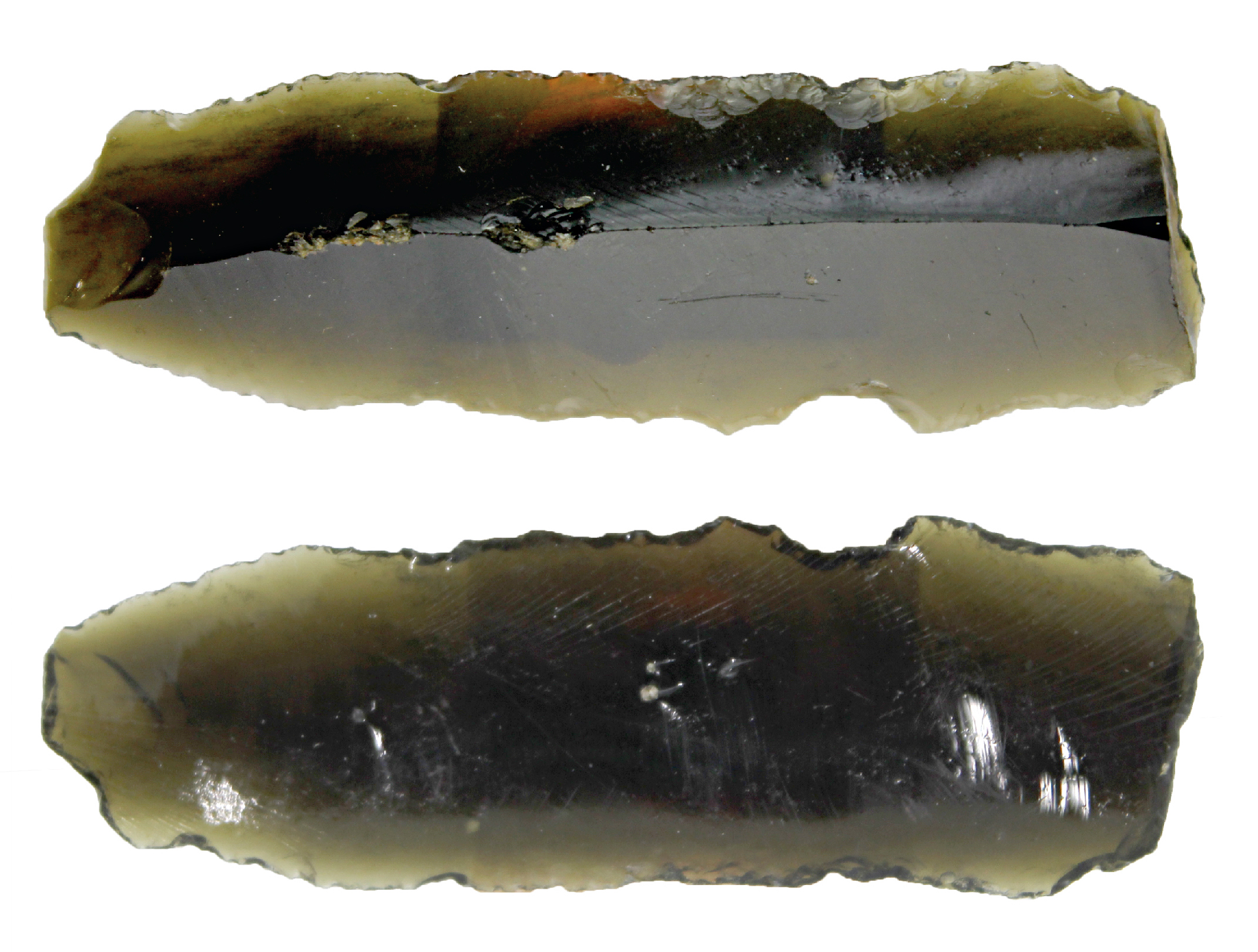
An obsidian blade found in Texas may provide new insights into the route taken by the 16th-century Spanish expedition led by Francisco Vázquez de Coronado in search of the fabled "city of gold." Research suggests that the artifact, originating from Central Mexico, could be linked to the expedition's presence in the Texas Panhandle. The blade's discovery offers potential physical evidence to help reconstruct the expedition's journey through the region, shedding light on a long-debated historical mystery.

archaeology1 year ago

"Down Syndrome in Ancient Societies: Noble Burials and Genetic Signatures"

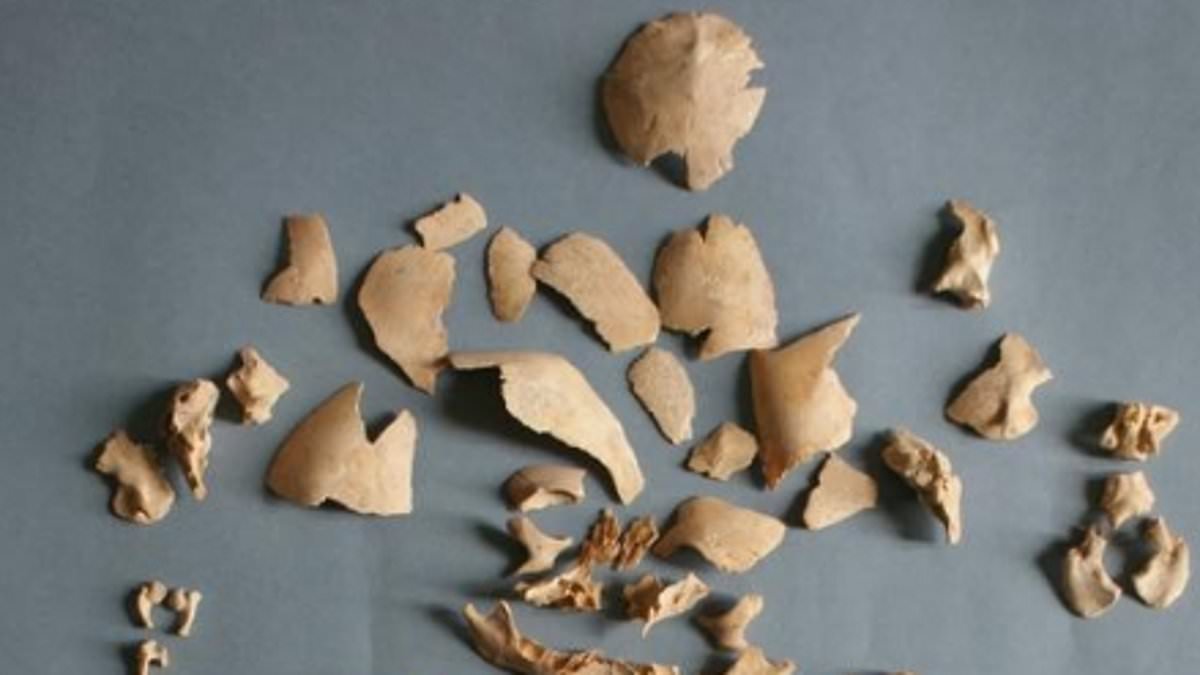
DNA analysis of ancient human remains dating back 5,000 years revealed six individuals with Down Syndrome, indicating that they were recognized and given noble burials in their respective communities. The research also uncovered an individual with Edwards Syndrome, a more severe genetic condition. The findings shed light on the care and appreciation these individuals received in ancient societies, providing insight into how ancient communities reacted to individuals with special needs.

archaeology1 year ago

"Uncovering 9 Distinct Stone Age Cultures Through Prehistoric Jewelry"

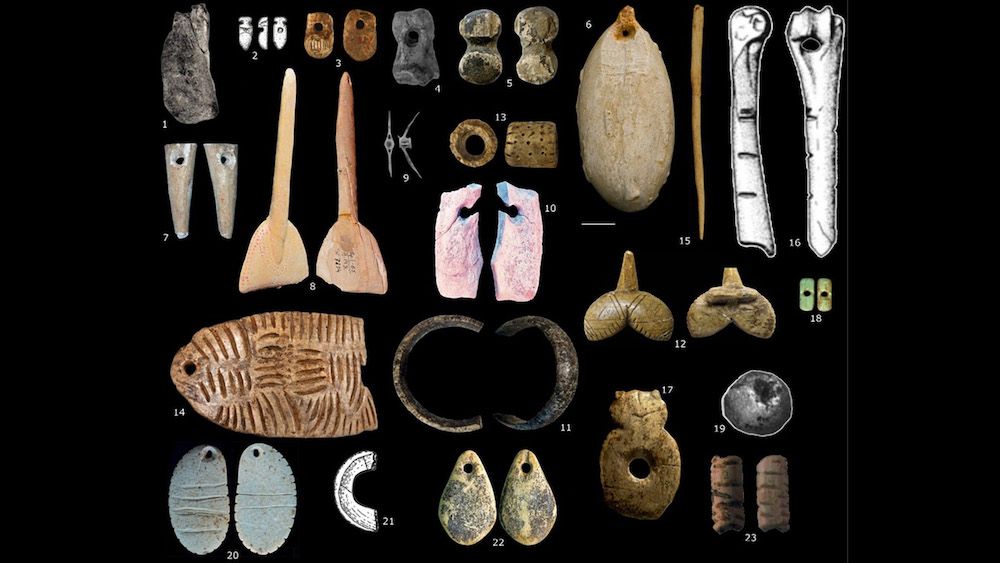
Researchers have identified nine distinct cultural groups in Stone Age Europe based on the variety of beads and ornaments found from the Gravettian period, 34,000 to 24,000 years ago. These groups were defined by their geographical locations and distinctive crafting styles, using materials such as ivory, bones, teeth, antlers, gemstones, shells, and amber. The study also revealed movement of materials between different groups and cultural differences in burial practices, shedding light on the diverse cultural landscape of prehistoric Europe.

archaeology2 years ago

"Revising the Hunter-Gatherer Narrative: New Research Unveils Surprising Insights"

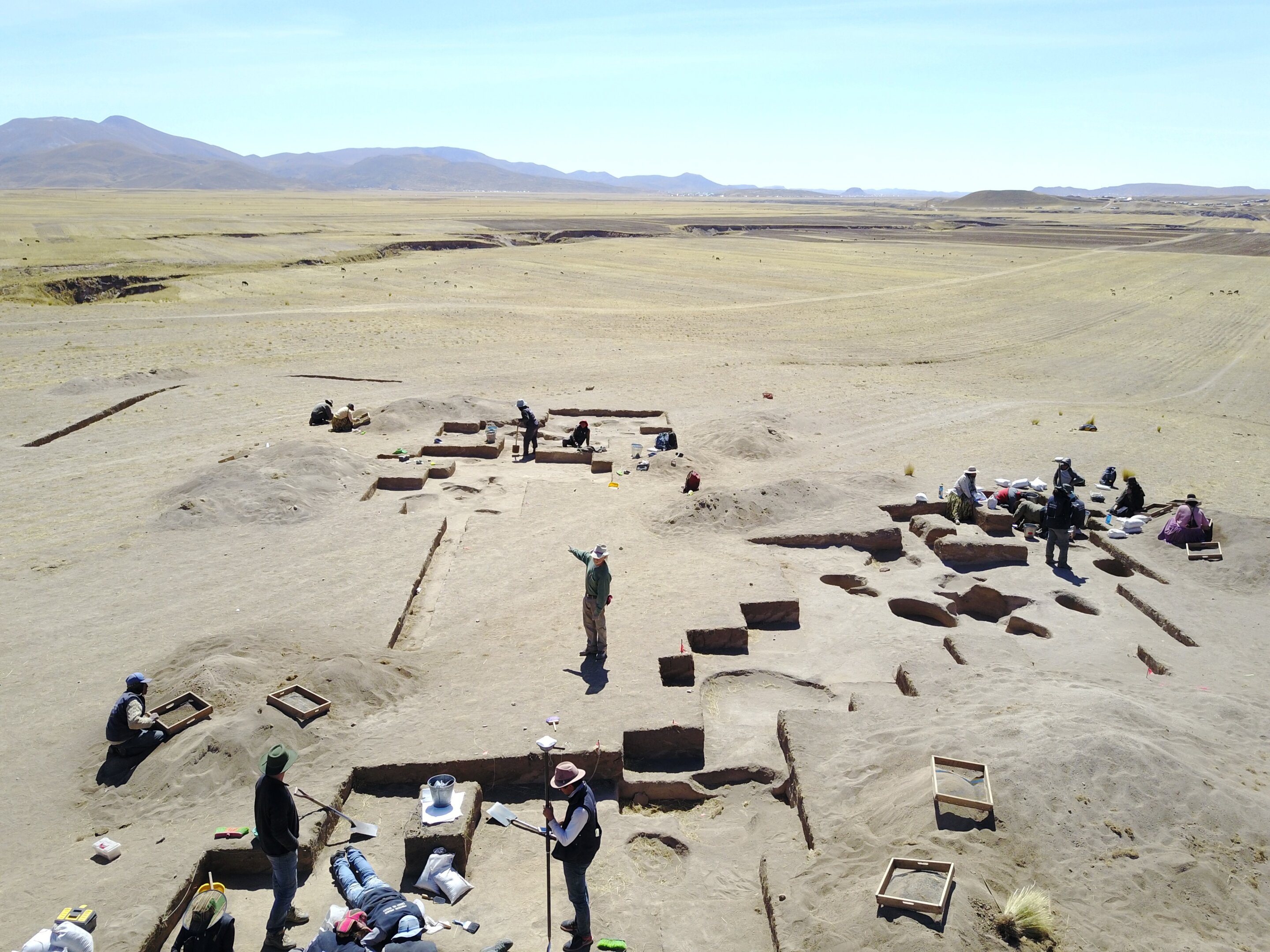
New research led by a University of Wyoming archaeologist challenges the traditional hunter-gatherer narrative by revealing that early human diets in the Andes Mountains were primarily plant-based, with 80% of the diet composed of plant matter and 20% meat. The study, published in PLOS ONE, utilized isotope chemistry and statistical modeling to analyze human remains from burial sites in Peru, providing a clearer understanding of early Andean diets and the pathway to agricultural economies. This groundbreaking research suggests that early human economies in at least one part of the world were plant-based, contrary to long-held beliefs about meat-heavy diets.

archaeologypaleontology2 years ago

"Neanderthals' Hunting of Giant Elephants Uncovered in New Research"

New research published in PNAS reveals that Neanderthals actively hunted and butchered straight-tusked elephants, as evidenced by cut marks on 125,000-year-old elephant bones found in Germany. The study suggests that this hunting was a regular activity, providing insights into Neanderthal behavior and challenging previous assumptions about group size and food storage. The researchers estimate that the yield from one elephant could have fed 2,500 Neanderthals, indicating the potential for larger group sizes or advanced food preservation techniques. Further research aims to uncover more about Neanderthal hunting methods and their impact on prey animals and the environment.

archaeology2 years ago

The Resurgence of Seaweed: A Forgotten European Staple Returns

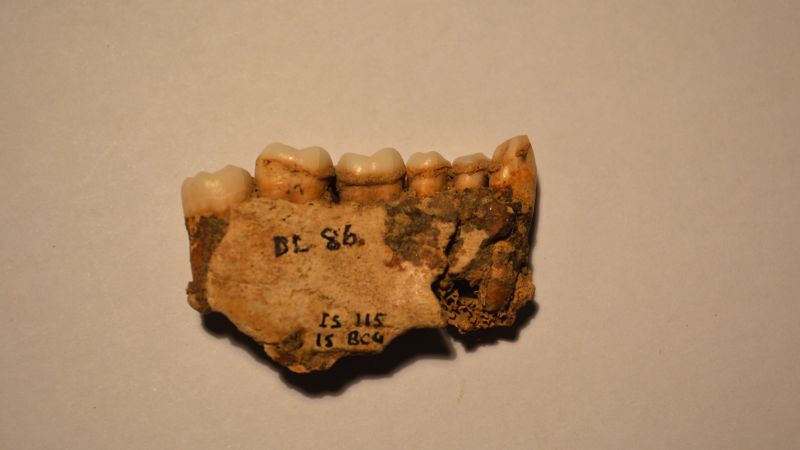
An analysis of fossilized dental plaque has revealed that seaweed and aquatic plants were once a staple food for ancient Europeans, despite being virtually absent from present-day Western diets. Previous archaeological evidence of seaweed consumption was often attributed to other uses such as fuel or food wrapping. The study examined the teeth of 74 early humans from various European sites and found chemical markers in dental calculus indicating the ingestion of seaweed or aquatic plants in 26 samples. The research suggests that ancient populations understood the nutritional benefits of seaweed and maintained their dietary link with the sea. The scientists hope that their findings will encourage the inclusion of more seaweeds and freshwater plants in modern diets.

archaeology2 years ago

Enigmatic Life-Size Camel Carvings Unearthed in Saudi Arabian Desert

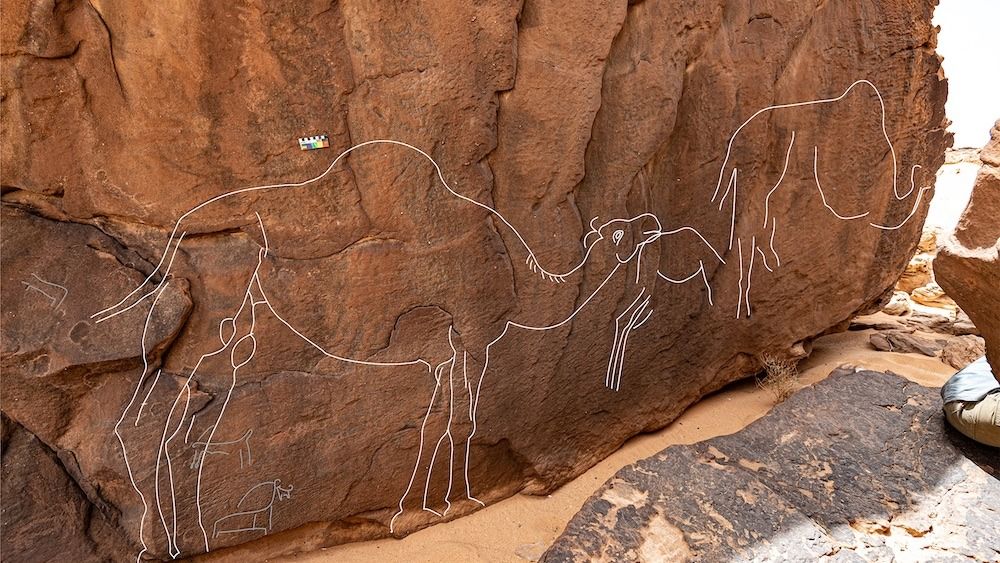
Archaeologists have discovered a cluster of beautifully carved, life-size camel carvings in the Saudi Arabian desert near the Nafud desert. The carvings depict a now-extinct species of wild camels that once roamed the area thousands of years ago. The site, named Sahout, contains rock art from various periods, making it difficult to determine the exact culture and time period of the carvings. Radiocarbon dating suggests that the site was occupied between the Pleistocene and Middle Holocene. The carvings, which show male camels with their dulla, may have been created during mating season. Further research is needed to understand the significance of the site.

archaeology2 years ago

Archaeologists Disprove Comet's Role in Hopewell Culture's Destruction

A team of scholars has refuted the claim that a comet explosion 1,500 years ago led to the decline of the ancient Indigenous Hopewell culture, finding the evidence to be inadequate and inconsistent. The researchers identified no catastrophic event or decline in the culture, and noted possible intentional data manipulations in the original research. They concluded that the presence of meteorites and other materials claimed to be associated with a comet explosion were likely brought to the Hopewell sites for ceremonial purposes, and that the cultural shifts observed in the Hopewell culture were due to changes in social and religious practices.