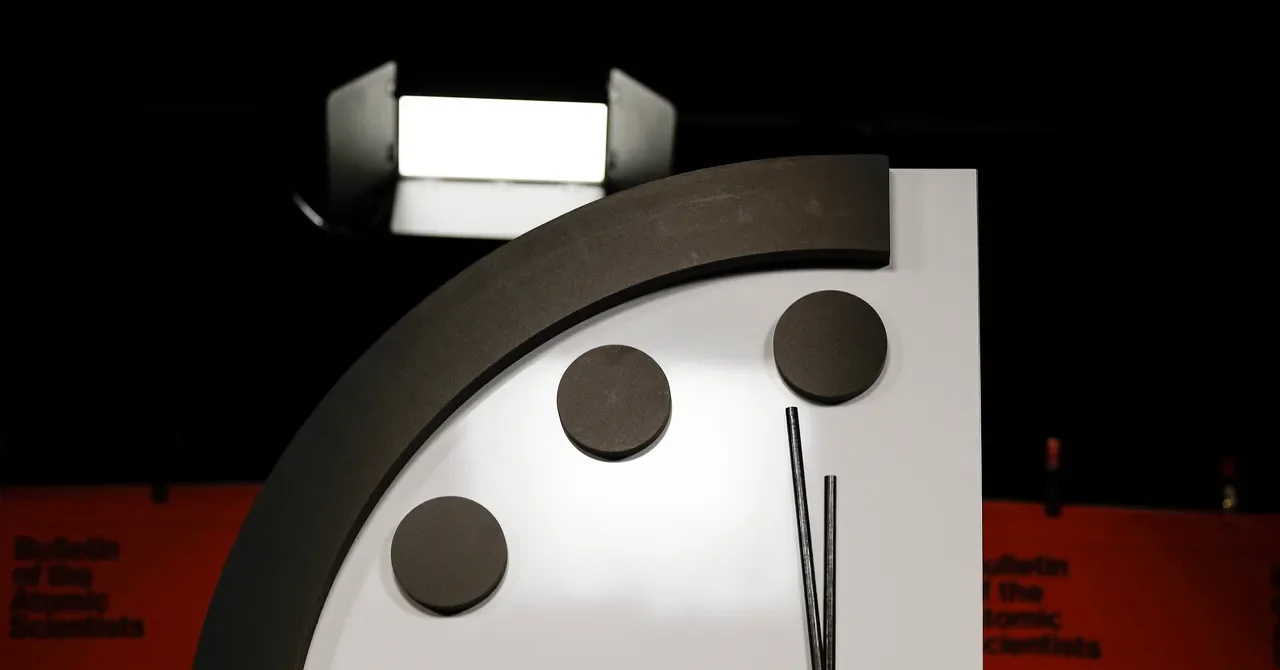
Doomsday Clock Reaches 85 Seconds to Midnight
The Doomsday Clock is now 85 seconds to midnight—the closest it has ever been—highlighting rising nuclear, AI, biosecurity, and climate threats and urging urgent international cooperation.

All articles tagged with #doomsday clock
The Doomsday Clock is now 85 seconds to midnight—the closest it has ever been—highlighting rising nuclear, AI, biosecurity, and climate threats and urging urgent international cooperation.
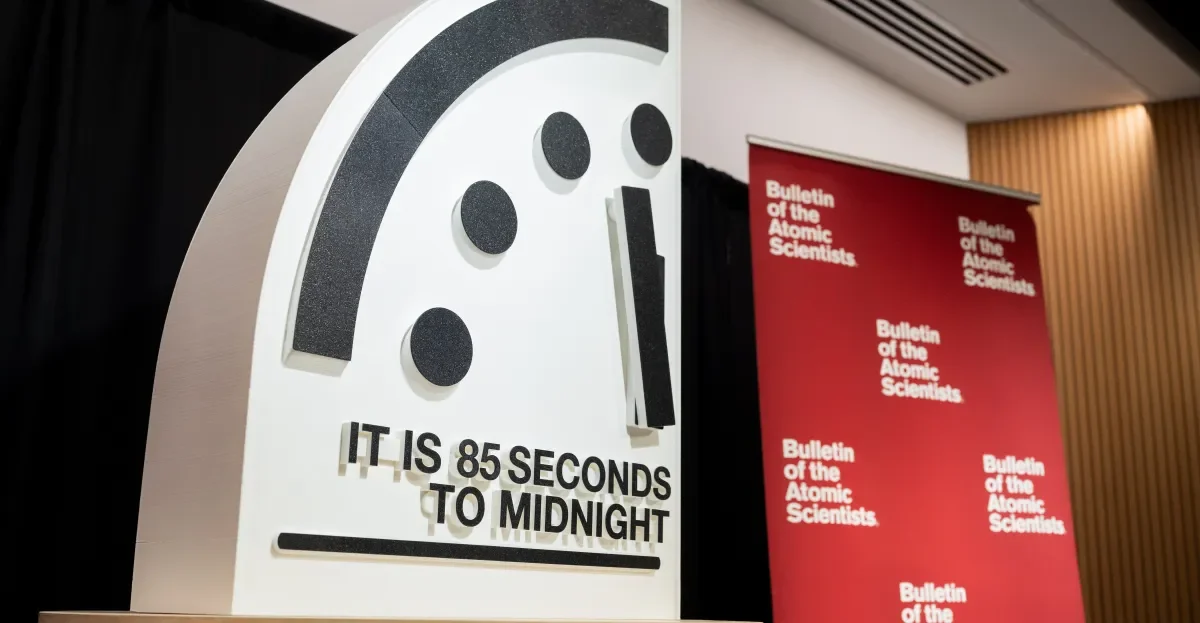
The 2026 Doomsday Clock sits at 85 seconds to midnight, but this Vox Future Perfect piece argues the warning is losing power: the Bulletin of the Atomic Scientists provides outsider alarms, while AI insiders like Anthropic’s Dario Amodei push to continue development even as they warn of risks. The piece analyzes the tension between credible, independent warnings and the inside-the-system influence of tech leaders, noting that as risks broaden—from AI to climate and autocracy—the Clock’s precise, alarmist messaging may no longer translate into policy. It asks what kind of new institutional mechanism could replace the Doomsday Clock to credibly warn and spur action on existential threats.
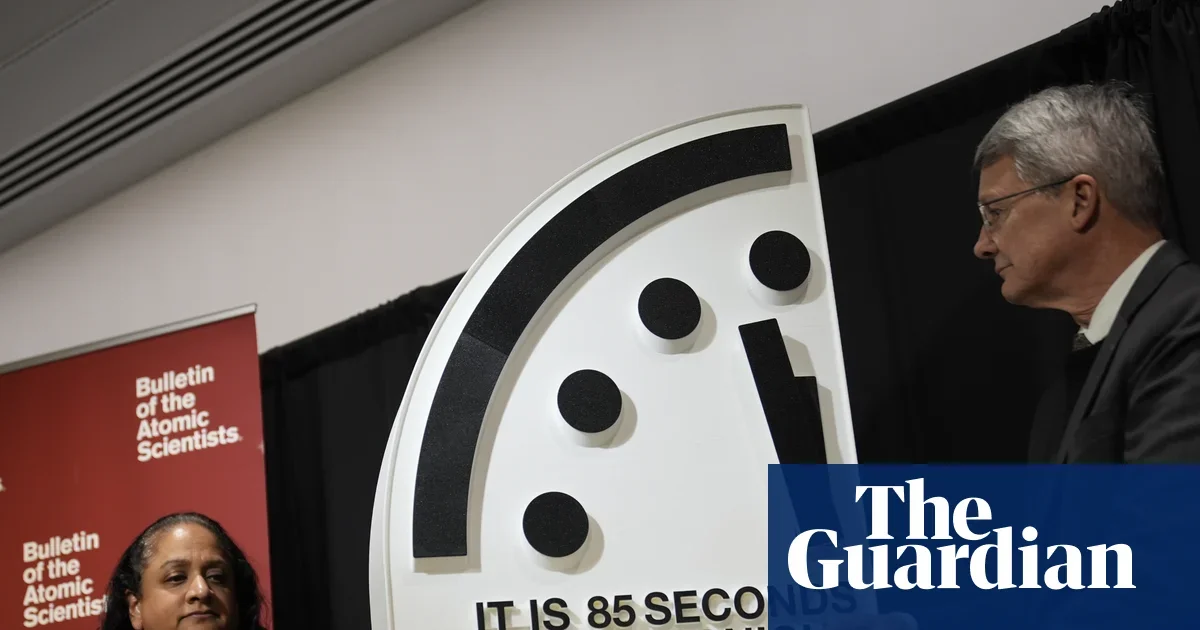
The Bulletin of the Atomic Scientists pushed the Doomsday Clock to 85 seconds before midnight, citing rising nuclear tensions, accelerating climate impacts, and potential AI misuse, alongside waning international cooperation and growing great-power rivalry; the clock was at 89 seconds last year, and experts say decisive global leadership could push it back.

The article reports that the Department of Homeland Security shared a viral Herzog penguin clip to comment on Greenland and Trump-era policy as the Doomsday Clock moves to 85 seconds to midnight, tying nuclear modernization, climate threats, and AI-driven misinformation to a critique of leadership and urging Americans not to “embrace the penguin.”
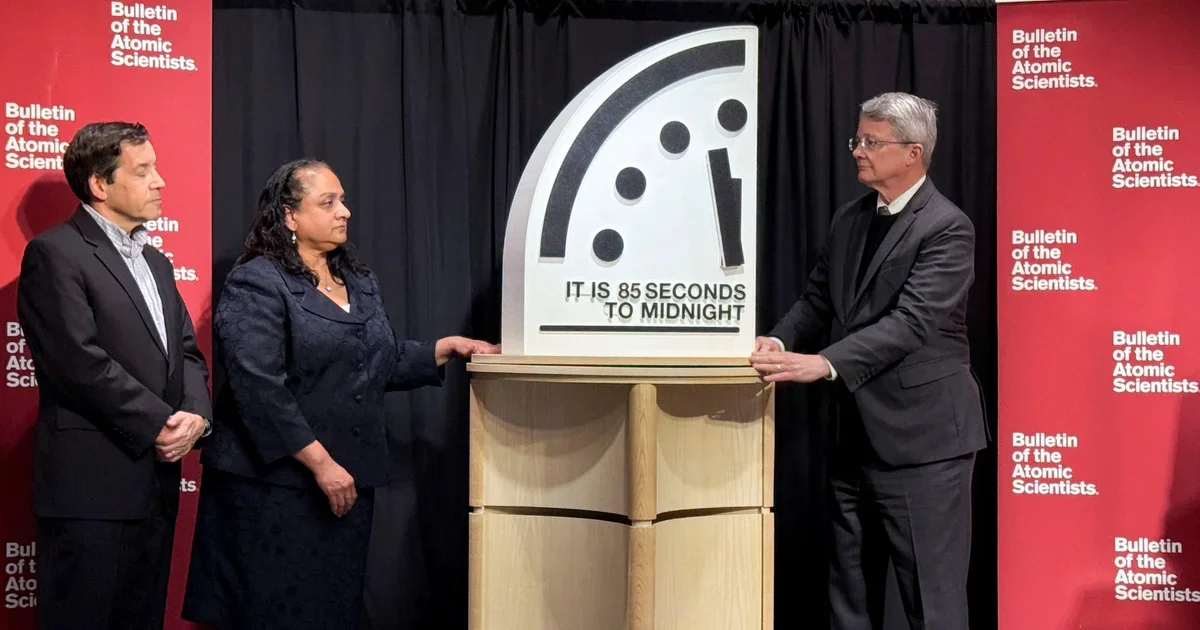
The Doomsday Clock is now set to 85 seconds to midnight, its closest position since its 1947 debut, signaling rising dangers from nuclear arms, climate change, AI disruption, and a surge in nationalist policies; experts warn progress to mitigate these existential threats has stalled and call for renewed international cooperation and action.
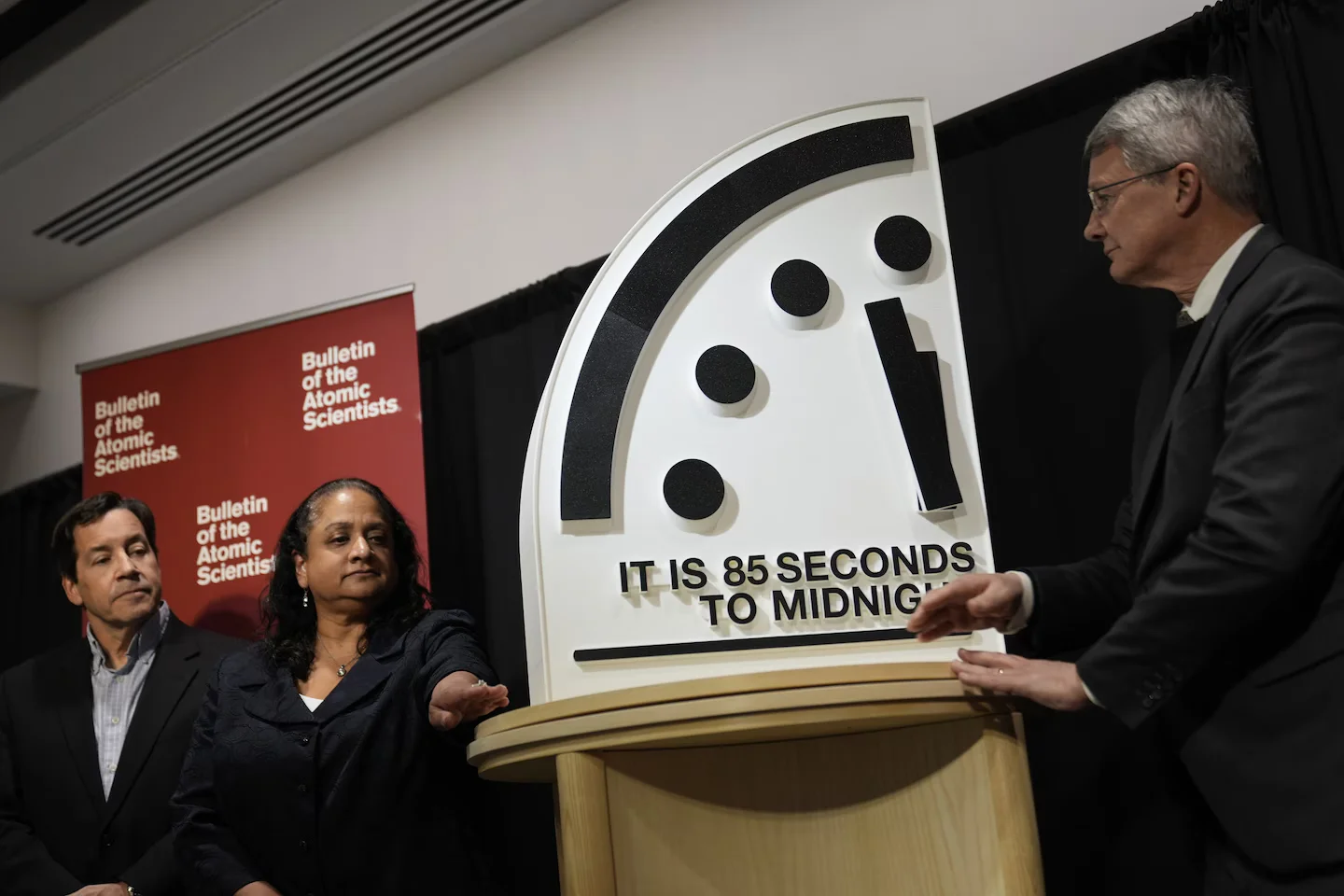
The Doomsday Clock for 2026 is set to 85 seconds to midnight—the closest it has ever been—after the Bulletin of the Atomic Scientists pushed the minute hand forward by four seconds amid rising risks from nuclear weapons, climate change, AI, autocracy and biotechnology.
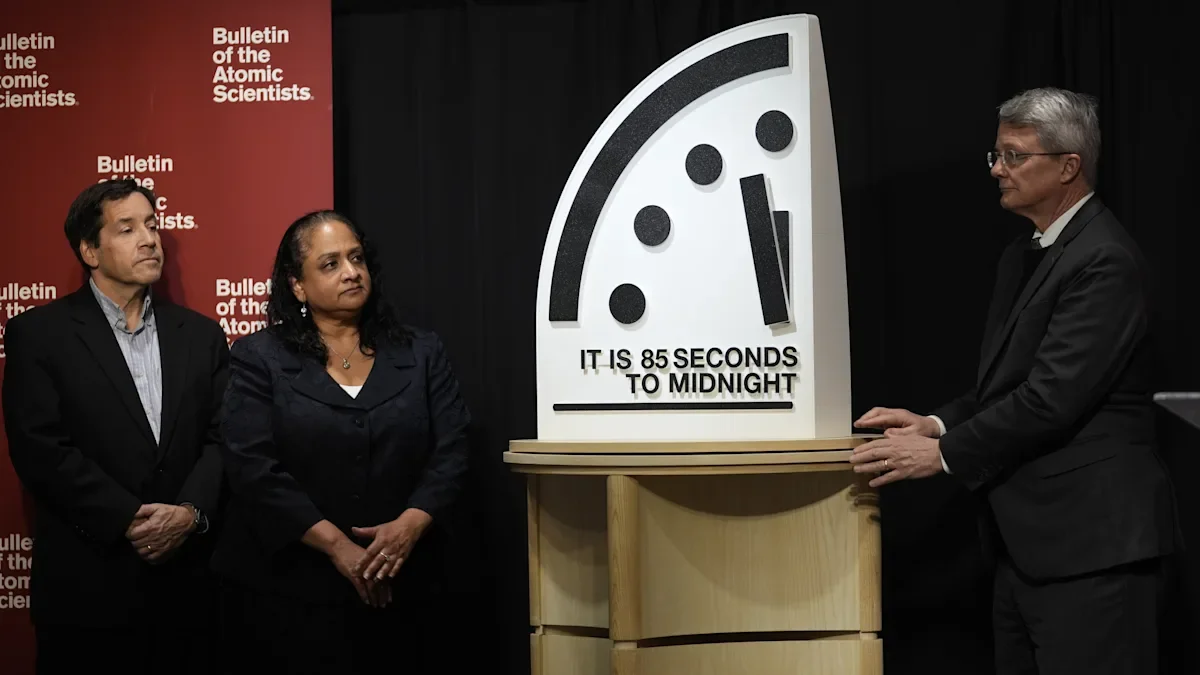
The Bulletin of the Atomic Scientists announced the Doomsday Clock is now 85 seconds to midnight—the closest it has ever been—citing a 'failure of leadership' and rising global risks from nuclear weapons, climate change, biotech threats, and rapid AI advances. The clock, updated annually by the SASB, reflects whether humanity is safer this year than last and than it was 78 years ago. Recent history shows the clock hovering near 89–90 seconds, with the 2023–2024 slate at 90 seconds and 2025 at 89 seconds. To move the hands away from midnight, experts urge renewed nuclear-arms talks, stronger biosecurity measures, accelerated renewable energy adoption, and meaningful AI governance for military use.
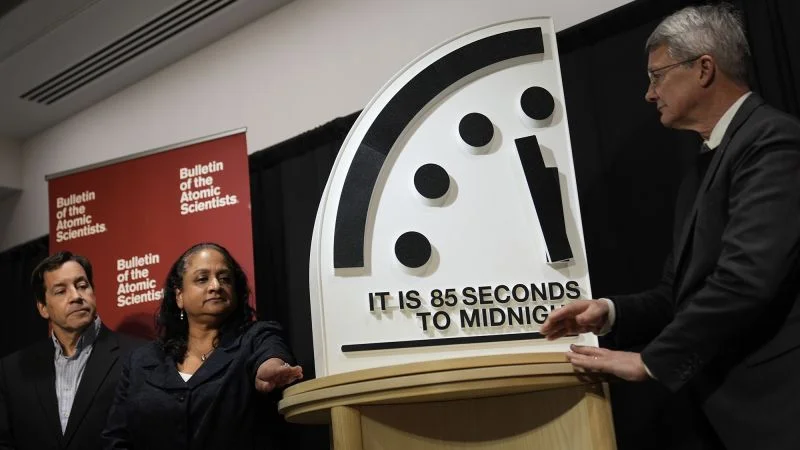
The Bulletin of the Atomic Scientists set the Doomsday Clock to 85 seconds to midnight for 2026—the closest it’s ever been—citing slow progress on nuclear risk, climate change, biological threats, and disruptive technologies like AI, along with widespread misinformation. Scientists urge bold global action to reduce existential threats and offer individual and policy steps to reduce risk.
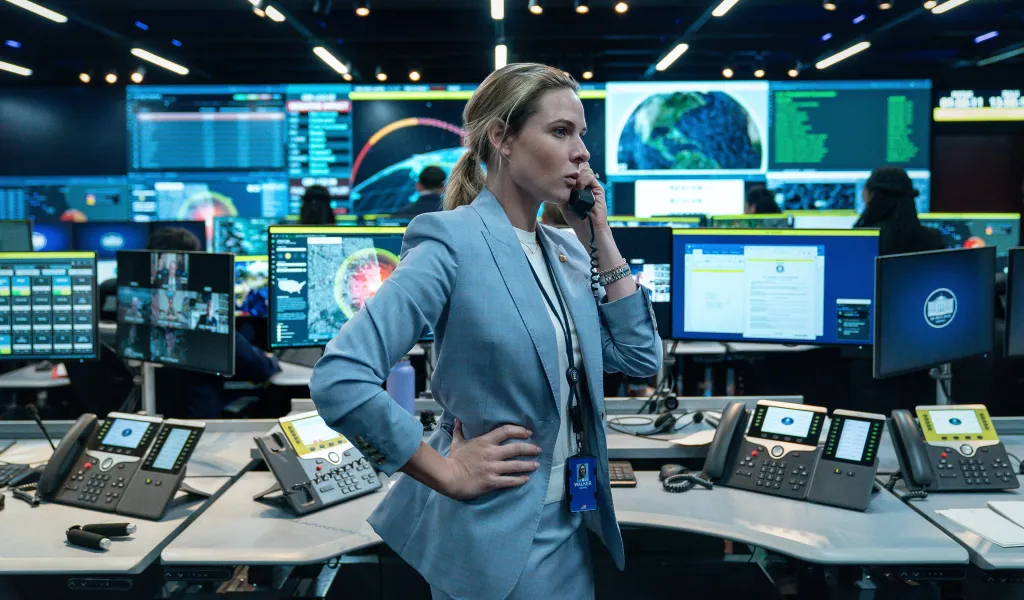
The article discusses Kathryn Bigelow's Netflix film 'A House of Dynamite,' which depicts a fictional nuclear attack on Chicago, and explores how it reflects real-world nuclear risks, the current state of nuclear deterrence, and the potential impact of AI on nuclear decision-making, emphasizing that the threat remains significant and underestimated.
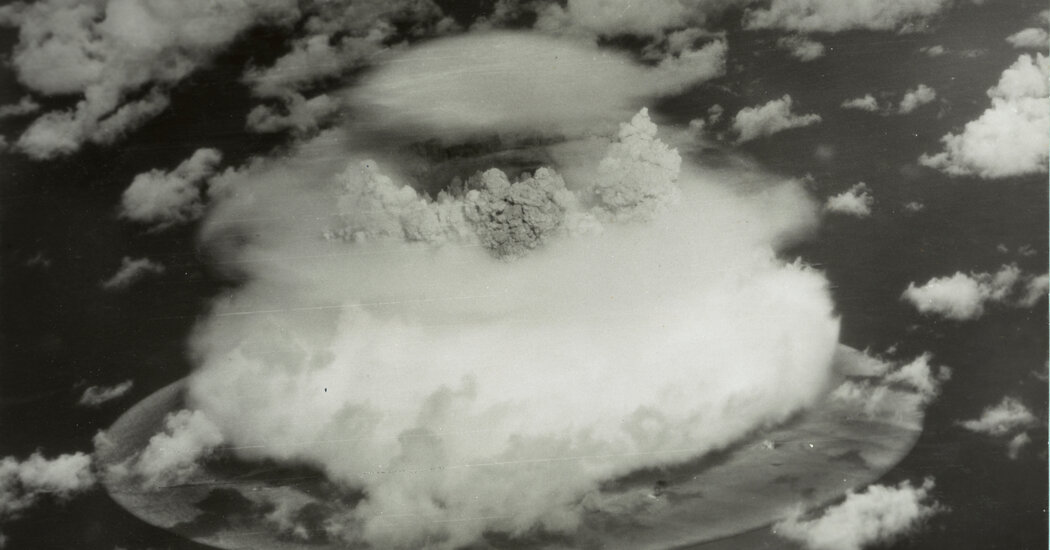
The Doomsday Clock, a metaphorical timepiece created in 1947 to symbolize the threat of nuclear Armageddon, remains at 90 seconds to midnight, the closest it has been to "The End." Originally designed with a 15-minute range, the clock now responds to threats like climate change and pandemics. Despite the diminished threat of nuclear weapons in Ukraine, the clock's setting has not changed, reflecting ongoing global concerns about self-destruction.
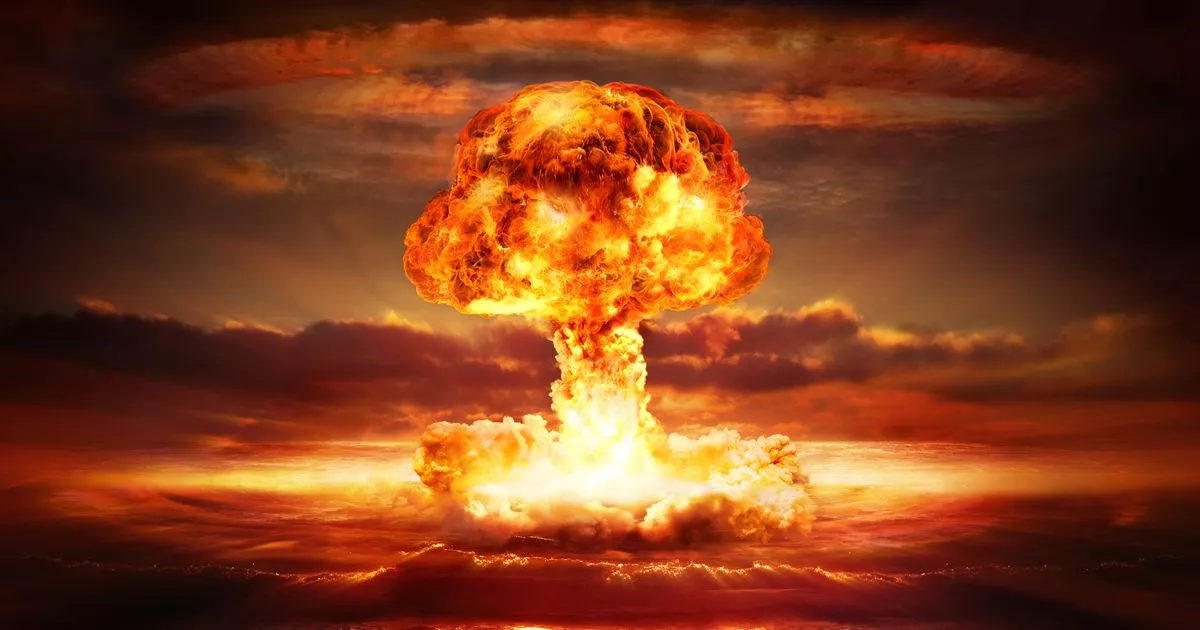
In the event of a nuclear war, scientists suggest that humanity could be saved from global starvation by seaweed, particularly kelp farms, which could potentially feed up to 1.2 billion people and replace 15% of current food consumption. With the Doomsday Clock ticking closer to midnight and fears of global conflicts reignited, researchers have found that seaweed could be an unlikely hero in the event of a nuclear war, helping to mitigate the drastic drop in global food production caused by the environmental effects of such a conflict.
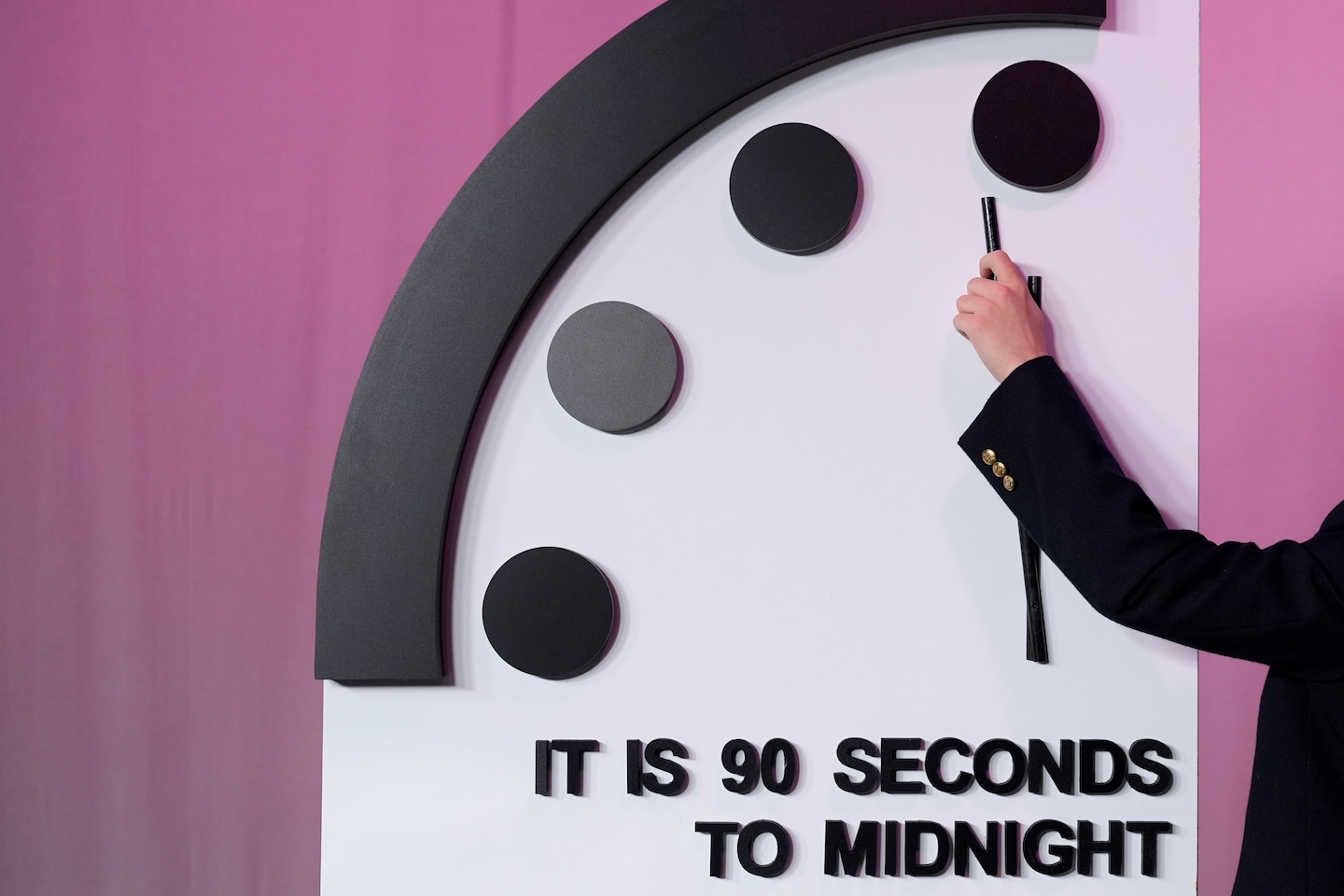
The Doomsday Clock has been set at 90 seconds to midnight, the closest it has ever been to symbolic apocalypse, due to ongoing nuclear threats, the rise of artificial intelligence, and the escalating climate crisis. The Bulletin of the Atomic Scientists highlighted concerns about AI's potential to magnify disinformation and its military uses, as well as the deterioration of nuclear arms reduction agreements and ongoing conflicts in Ukraine and the Middle East. Urgent action from global leaders is emphasized to prevent a catastrophic outcome, with the hope that younger generations will lead the charge in reducing the likelihood of global catastrophe.
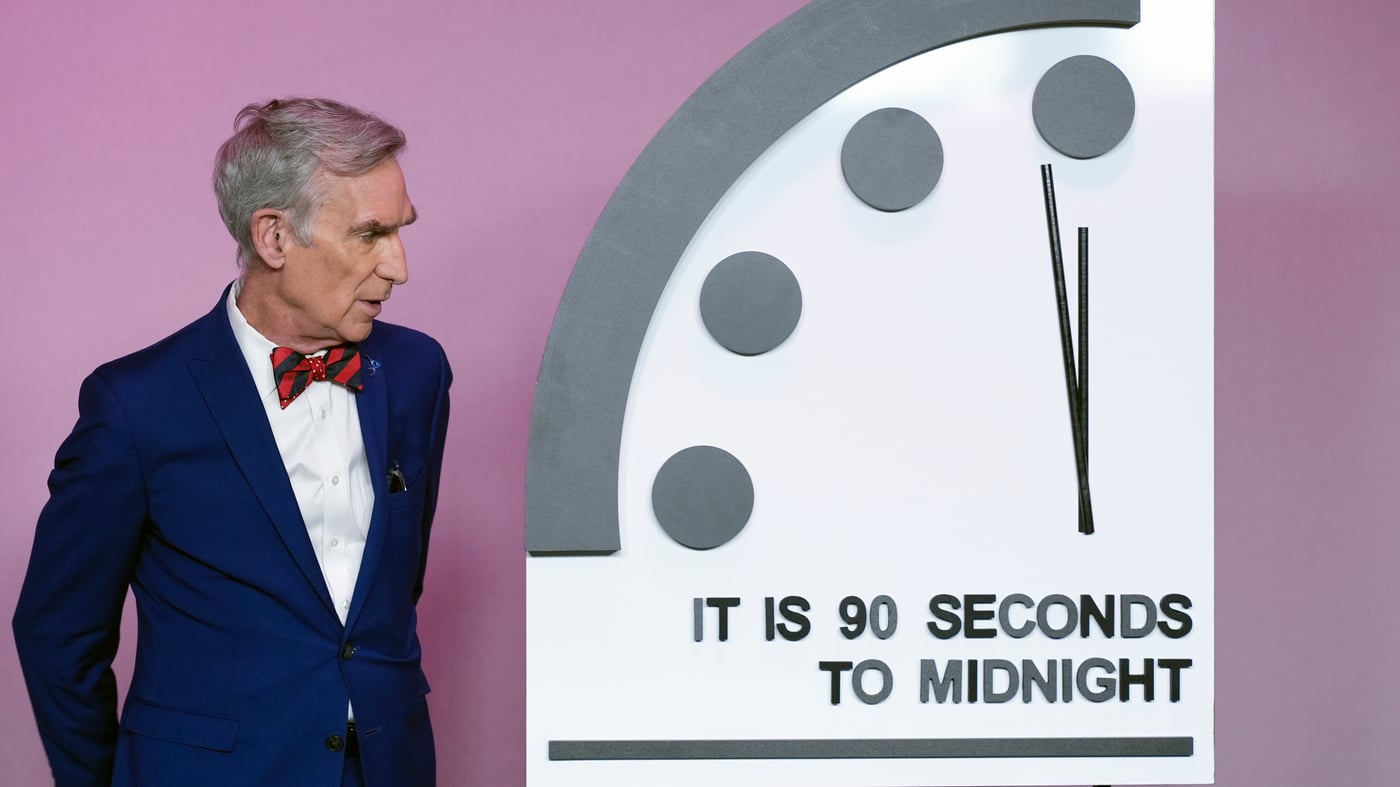
The Bulletin of Atomic Scientists has moved the "Doomsday Clock" to 90 seconds to midnight for the second year in a row, citing existential threats such as nuclear war, climate disasters, and the danger of generative artificial intelligence. The group emphasized the need for global cooperation and highlighted the potential for powerful countries like the United States, China, and Russia to make a positive impact and turn back the clock.
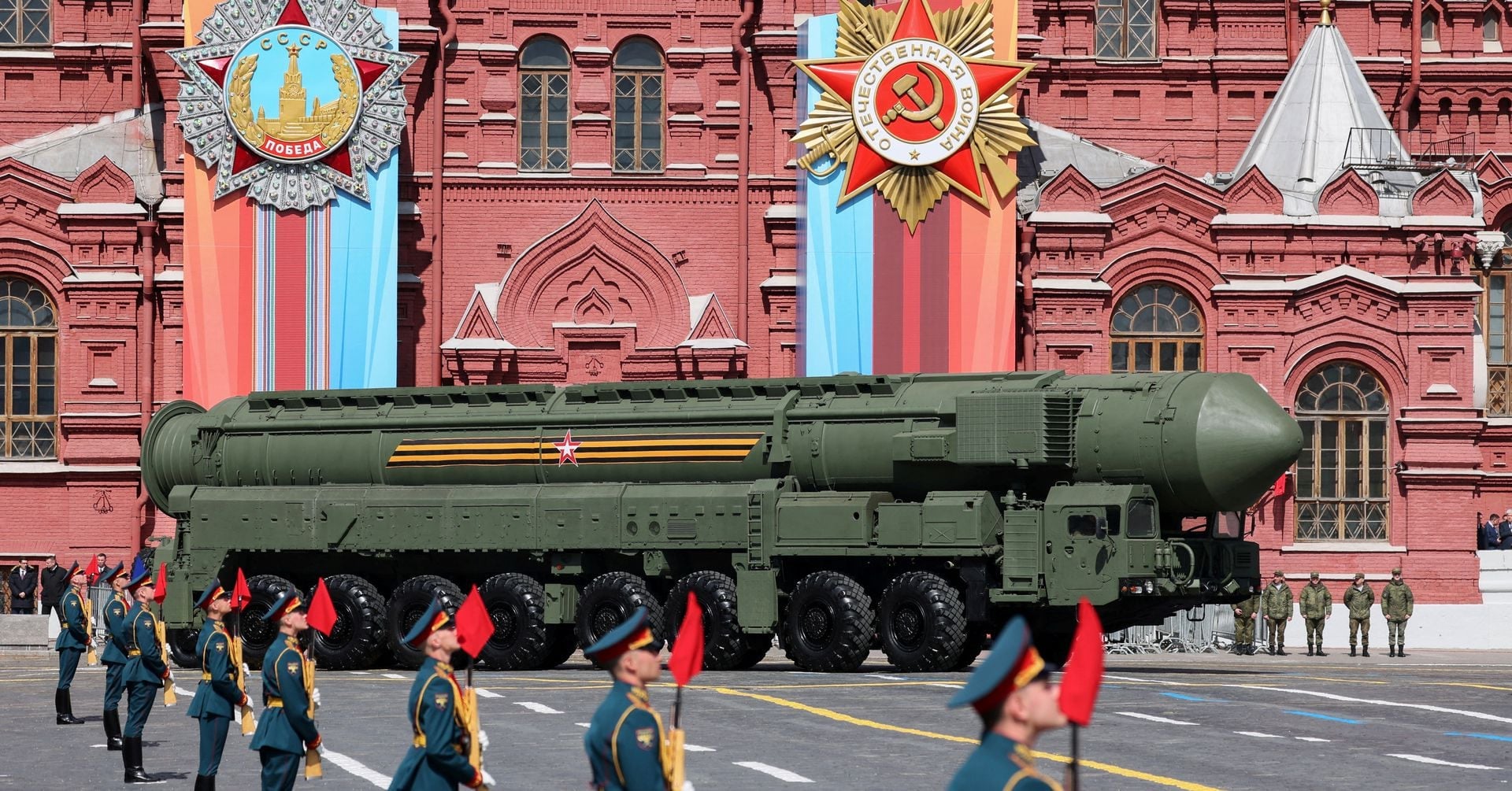
The "Doomsday Clock" remains at 90 seconds to midnight due to escalating nuclear threats, worsening climate change, and disruptive technologies. Factors driving the risk of global catastrophe include Russia's actions on nuclear weapons amid its invasion of Ukraine, Israel's conflict with Gaza, and the increasing nuclear arsenals of China, Russia, and the United States. Climate change also plays a significant role, with 2023 being the hottest year on record and global greenhouse gas emissions continuing to rise.
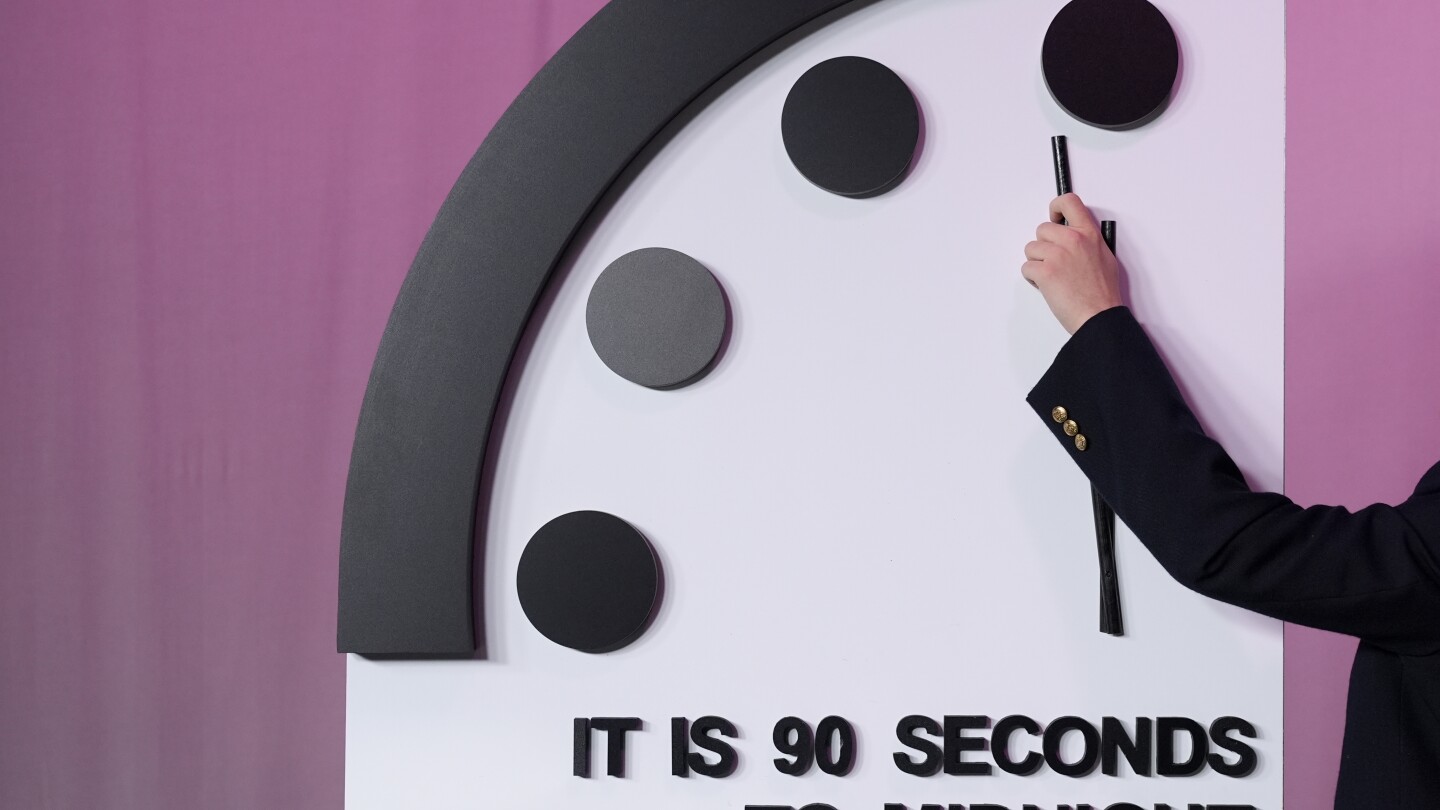
The Doomsday Clock, maintained by the Bulletin of the Atomic Scientists, remains at 90 seconds to midnight, signaling the ongoing threats of nuclear war, climate disasters, and generative artificial intelligence. The group cited the nuclear threat in Russia’s war on Ukraine, worsening climate-related disasters, and the danger of AI as factors contributing to the potential for global catastrophe. The organization emphasized the need for global cooperation and highlighted the role of powerful countries like the United States, China, and Russia in addressing these pressing issues.