Tag

Baleen Whales

All articles tagged with #baleen whales

Breakthrough: Minke Whales Proven to Hear Ultrasonic Frequencies

Originally Published 1 year ago — by NBC News

Featured image for Breakthrough: Minke Whales Proven to Hear Ultrasonic Frequencies
Source: NBC News

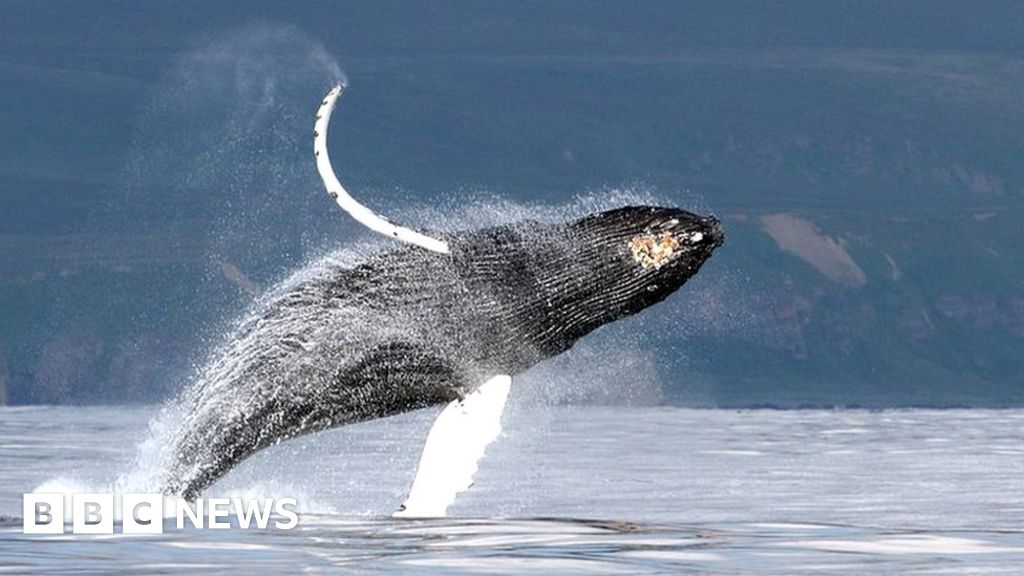
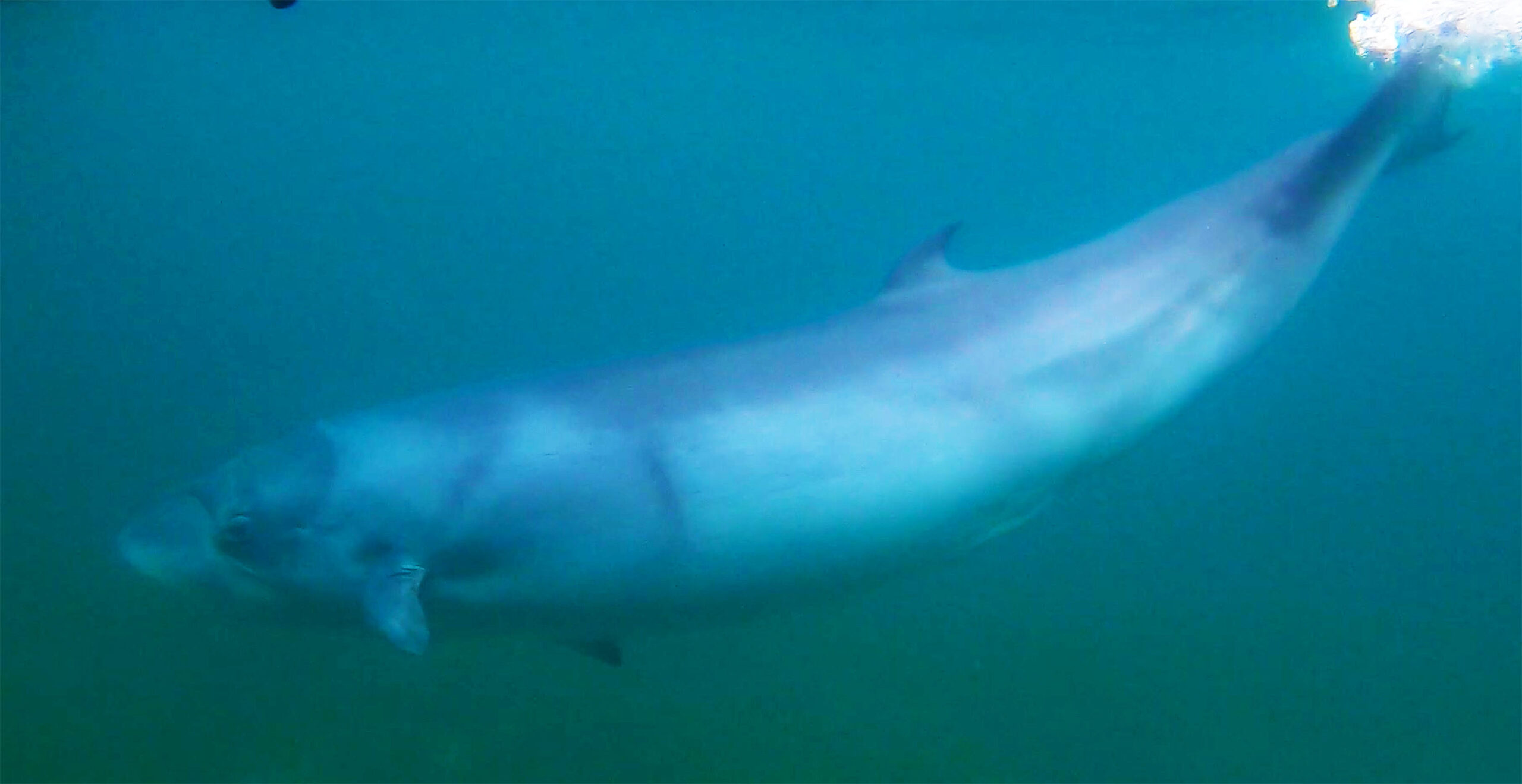
For the first time, researchers have captured baleen whales to study their hearing, revealing that minke whales can hear at higher frequencies than previously thought. This discovery, published in Science, suggests that these whales may use ultrasonic hearing to avoid predators like killer whales. The study, which involved capturing and testing two juvenile minke whales off Norway, has sparked controversy over potential stress and harm to the animals. The findings could influence regulations on ocean noise, as high-frequency sounds from human activities may impact whale behavior and health.

"Unraveling the Mystery of Baleen Whale Songs: How Scientists Solved the Underwater Serenade"

Originally Published 1 year ago — by BBC.com

Featured image for "Unraveling the Mystery of Baleen Whale Songs: How Scientists Solved the Underwater Serenade"
Source: BBC.com

Scientists have discovered how baleen whales, such as humpbacks, produce their haunting songs using a specialized "voice box" that recycles air and prevents water from being inhaled. This discovery also explains why human-made ocean noise disrupts whale communication, as their songs overlap with ship noise. The study provides crucial insight for the conservation of these endangered giants of the sea and sheds light on the evolutionary adaptations that enabled whales to communicate underwater.

Uncovering the Underwater Songs of Baleen Whales

Originally Published 1 year ago — by Reuters

Featured image for Uncovering the Underwater Songs of Baleen Whales
Source: Reuters

Scientists have discovered the unique anatomy behind the haunting songs of baleen whales, revealing that they use a larynx modified with a cushion of fat and muscle to produce sounds underwater. This novel structure allows baleen whales to communicate and find each other in dark oceans, with humpback whales using vocalization for communication and mating. The study also found that human-made shipping noises interfere with the whales' ability to communicate, as their vocalizations fall within the same frequency range and ocean depths.

"Uncovering the Secrets of Whales' Underwater Singing and the Impact of Shipping Noise"

Originally Published 1 year ago — by ABC News

Featured image for "Uncovering the Secrets of Whales' Underwater Singing and the Impact of Shipping Noise"
Source: ABC News

Scientists have discovered how baleen whales are able to sing underwater, shedding light on the impact of shipping noise pollution on their communication abilities. The study found that baleen whales use specialized larynxes to produce massive air flows and low-frequency sounds, crucial for long-distance communication. Shipping noise, falling within the same frequency range, disrupts whale communication and poses a threat to their survival. Efforts to regulate shipping speed and reduce noise pollution are underway, but consumer demand for fast shipping adds complexity to the issue. Ongoing research and collaboration with maritime industry and government agencies are crucial for finding solutions to protect marine wildlife.

Uncovering the Secrets of Whales' Underwater Singing

Originally Published 1 year ago — by The New York Times

Featured image for Uncovering the Secrets of Whales' Underwater Singing
Source: The New York Times

A recent study published in the journal Nature has shed light on how baleen whales produce sounds using their vocal cords. By conducting experiments on the larynx of three deceased whales, scientists discovered that the whales' larynx has evolved to accommodate their need to expel large amounts of air quickly while breathing at the sea surface. This adaptation allows them to produce the diverse range of sounds, including singing and whistling, that have intrigued humans for centuries.

"Surprising Discovery: Ancient Jaw Bone Rewrites Evolutionary History of Largest Whales"

Originally Published 2 years ago — by Phys.org

Featured image for "Surprising Discovery: Ancient Jaw Bone Rewrites Evolutionary History of Largest Whales"
Source: Phys.org

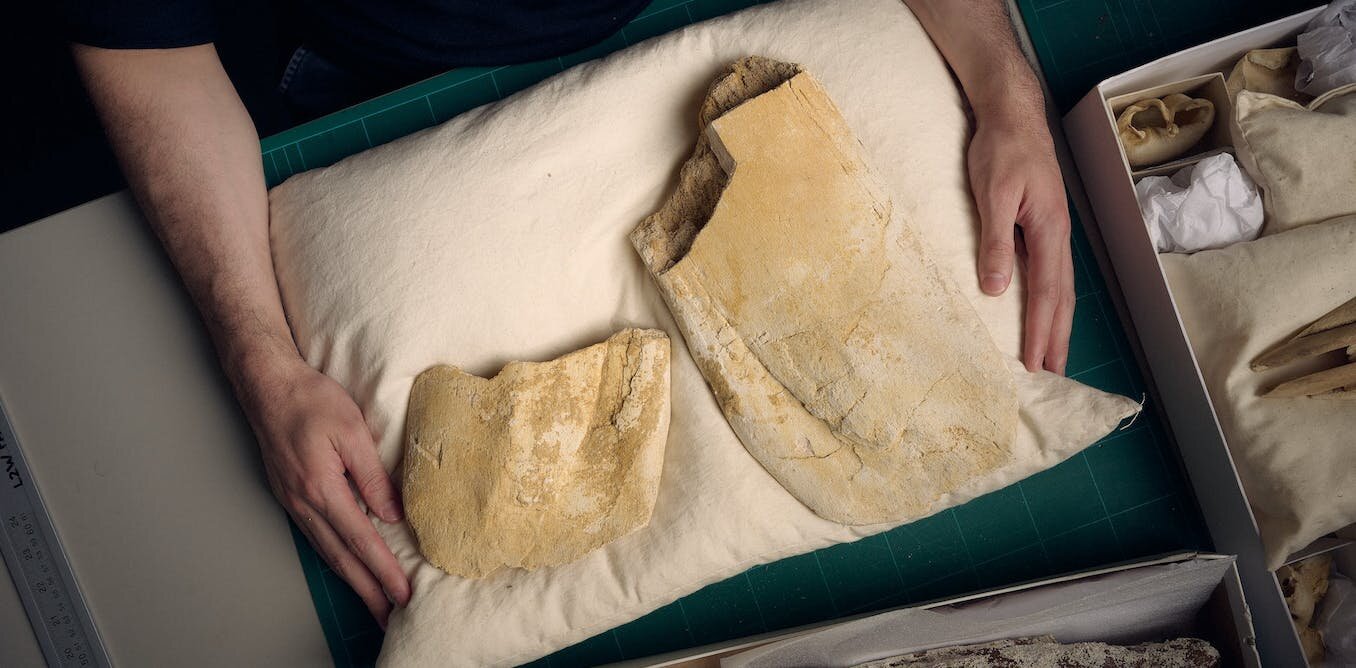
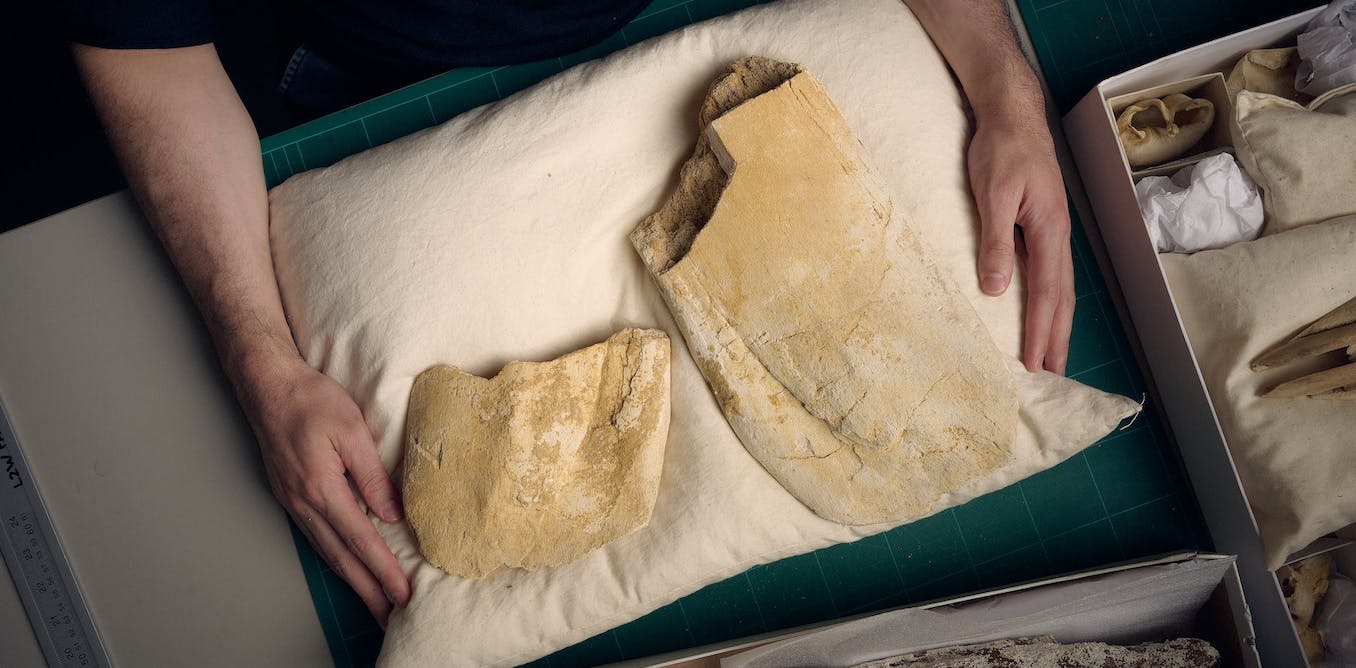
A 19-million-year-old fossil jaw bone discovered in South Australia suggests that the evolution of large baleen whales occurred much earlier than previously thought. The fossil, estimated to be from a nine-meter-long baleen whale, challenges the belief that baleen whales remained relatively small until the ice ages. Fossil finds from the Southern Hemisphere indicate that larger baleen whales may have emerged earlier in their evolutionary history, with the region potentially serving as the cradle of gigantic whale evolution. The findings shed light on the ancient role of whales in the ocean ecosystem and their potential response to global climate change.

Unexpected Discovery: Ancient Fossil Rewrites Evolutionary History of Baleen Whales

Originally Published 2 years ago — by The Conversation

Featured image for Unexpected Discovery: Ancient Fossil Rewrites Evolutionary History of Baleen Whales
Source: The Conversation

A 19-million-year-old fossil jaw bone discovered on the banks of the Murray River in South Australia suggests that the evolution of large baleen whales may have occurred much earlier than previously thought. The fossil, estimated to be from a nine-meter-long baleen whale, challenges the belief that baleen whales remained relatively small until the ice ages. The discovery, along with other fossils from the Southern Hemisphere, indicates that larger baleen whales may have emerged earlier in their evolutionary history. This finding suggests that the Southern Hemisphere played a significant role in the evolution of gigantic whales.

The Mystery of Whales' Seaweed Hats Unveiled as Over 100 Creatures Join the Trend

Originally Published 2 years ago — by The US Sun

Featured image for The Mystery of Whales' Seaweed Hats Unveiled as Over 100 Creatures Join the Trend
Source: The US Sun

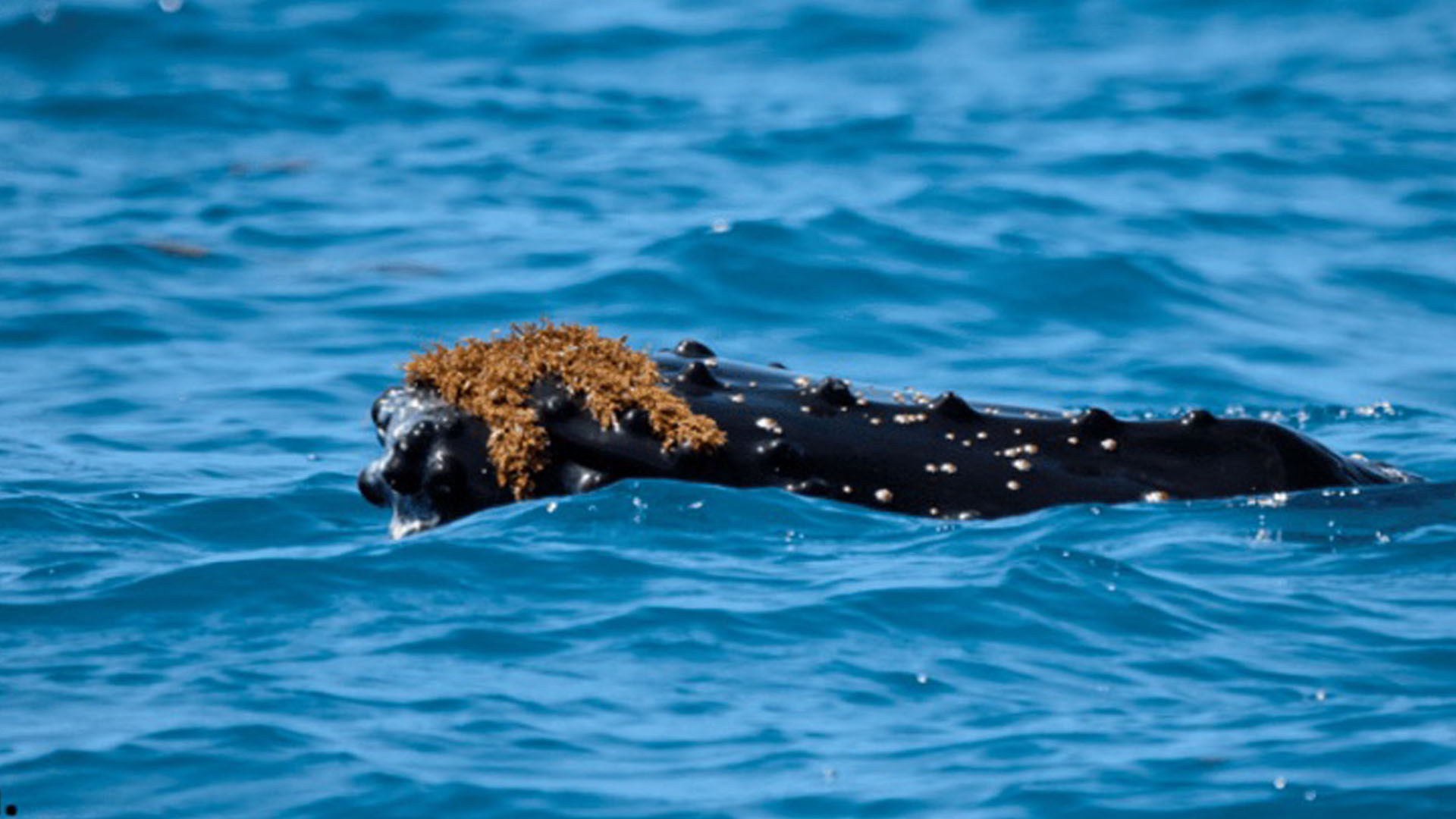
Scientists have discovered that whales wear seaweed for various reasons, including itch relief, barnacle removal, and potentially for fun. A study focused on baleen whales found that the seaweed is often worn in front of the blowhole or on the dorsal fin. Seaweed has antibacterial properties that could benefit the whales. The researchers suggest that this behavior may serve additional purposes such as learning, socializing, and skin treatment. The study highlights the need for further research on these giant marine creatures, with the hope that increased use of drones and cameras will provide more insights into this behavior.

Ancient Marine Reptile Unveils Whale-Like Filter-Feeding

Originally Published 2 years ago — by Phys.org

Featured image for Ancient Marine Reptile Unveils Whale-Like Filter-Feeding
Source: Phys.org

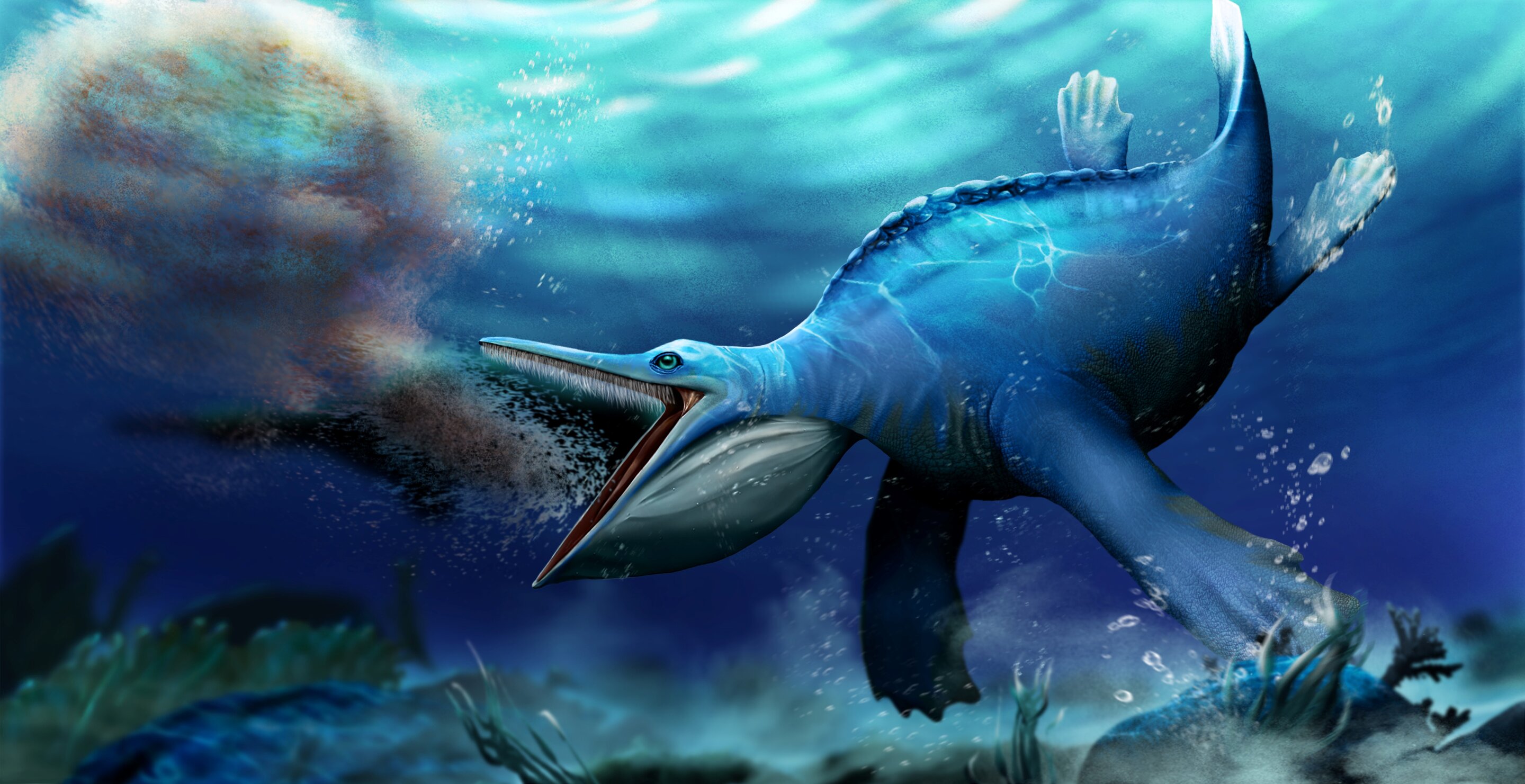
A new fossil discovery in China reveals that the marine reptile Hupehsuchus, which lived 250 million years ago, had adaptations for whale-like filter feeding. The skull of Hupehsuchus shows soft structures that allowed it to engulf water containing prey and baleen whale-like structures to filter food. The discovery suggests that these reptiles independently evolved a form of baleen, similar to modern baleen whales. This finding sheds light on the rapid re-population of the oceans after the end-Permian mass extinction and the ecological changes that occurred during the Early Triassic period.

Unveiling the Mystery: Pygmy Right Whales' Feeding Habits Revealed

Originally Published 2 years ago — by Earth.com

Featured image for Unveiling the Mystery: Pygmy Right Whales' Feeding Habits Revealed
Source: Earth.com

Scientists have gained new insights into the feeding habits of pygmy right whales, the smallest and most mysterious species of baleen whales. Using an innovative approach that analyzed stable isotopes in the whales' baleen plates, researchers discovered that these whales primarily feed on copepods and krill in mid-latitude waters off the coast of southern Australia. Unlike other baleen whales, they do not undertake long-distance migrations to Antarctic waters. The study highlights the vulnerability of pygmy right whales to environmental changes and emphasizes the need for conservation efforts to protect these unique oceanic creatures.

Size Matters: Only Large Whales Can Lunge-Feed Successfully

Originally Published 2 years ago — by Fox News

Featured image for Size Matters: Only Large Whales Can Lunge-Feed Successfully
Source: Fox News

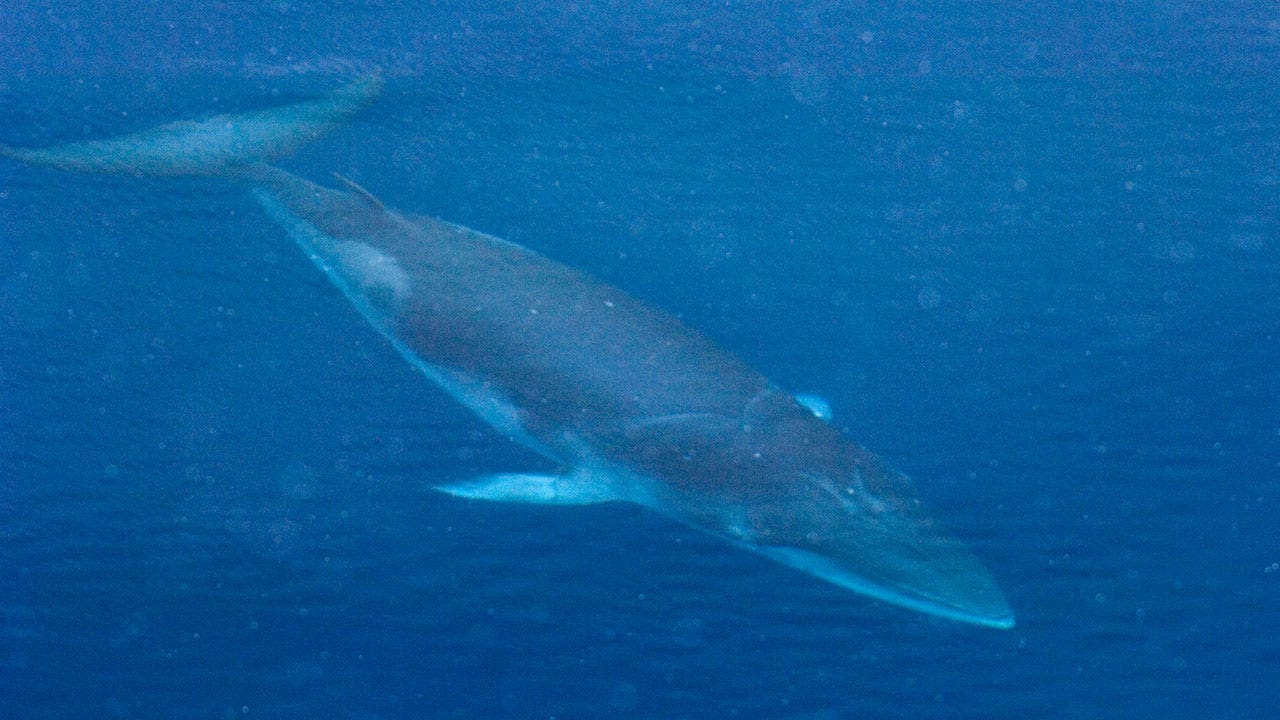
A new study has revealed that the Antarctic minke whale, the smallest of the baleen whales, has the smallest possible body size to capture enough prey to survive using the foraging behavior called lunge-feeding. The research showed that all filter-feeding whales are big, and that animals must have attained a large size before the unique behavior of lunge-feeding evolved. The repeated lunging requires a high investment of energy, and the efficiency of foraging this way favors a larger body size.