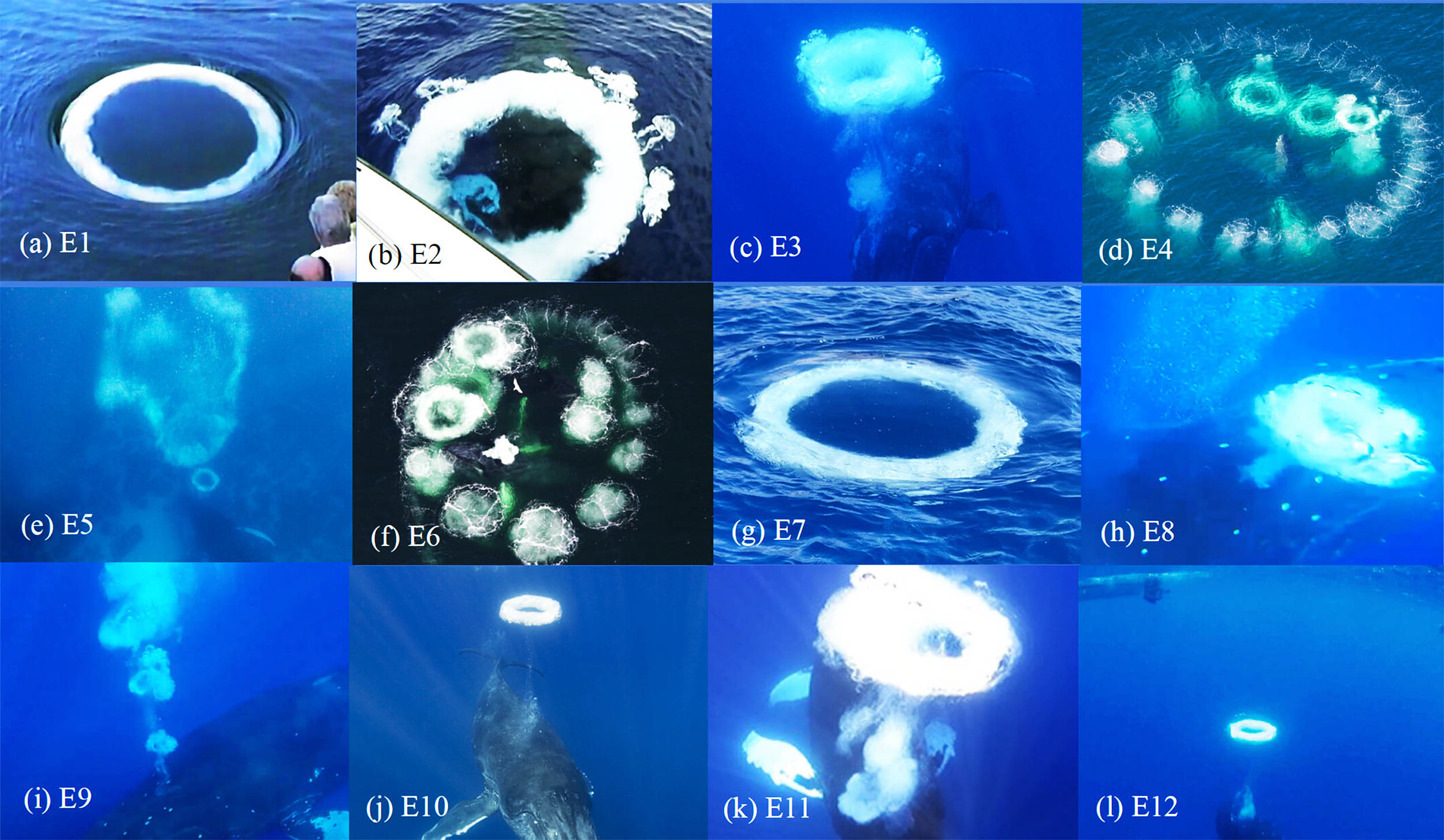
Scientists have documented humpback whales creating bubble rings during friendly encounters with humans, suggesting these behaviors may serve as a form of play, curiosity, or communication, and providing rare insights into nonhuman creativity and potential interspecies interaction.
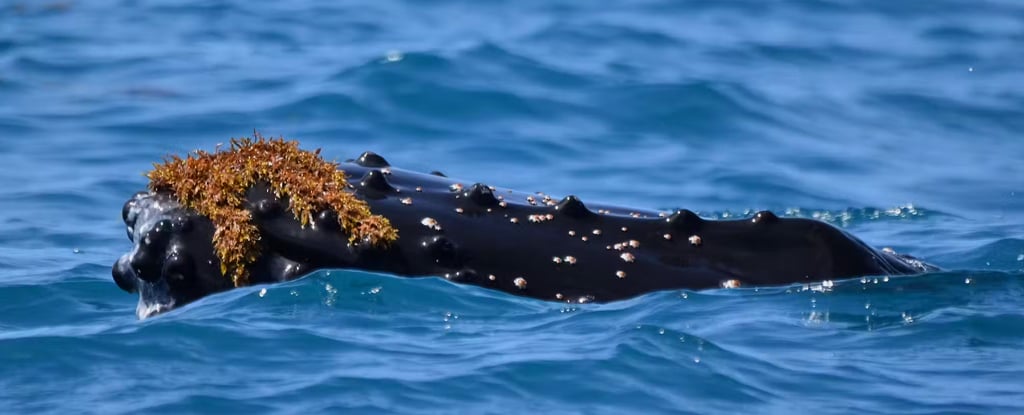
Whales have been observed playing with seaweed, known as "kelping," in over 100 instances captured on social media. This behavior is not limited to a single species, as gray whales, southern and northern right whales, and humpback whales have all been seen engaging in it. While it is considered playful, there is likely a useful component to it, such as using the seaweed to scratch an itch, brush off barnacles, or remove parasites. Whales tend to seek out kelp in regions where it is abundant, and drones have provided new insights into this behavior. Kelping may have long-term benefits for whales, such as improving their coordination and movement skills, and certain seaweed species may help reduce bacterial growth on their skin. This behavior highlights the mysteries that still exist in understanding whale species.
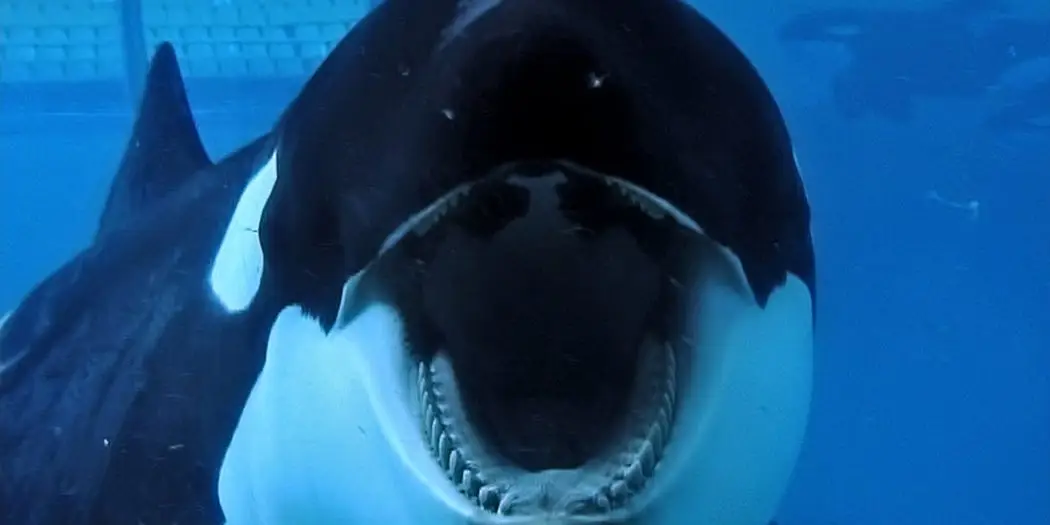
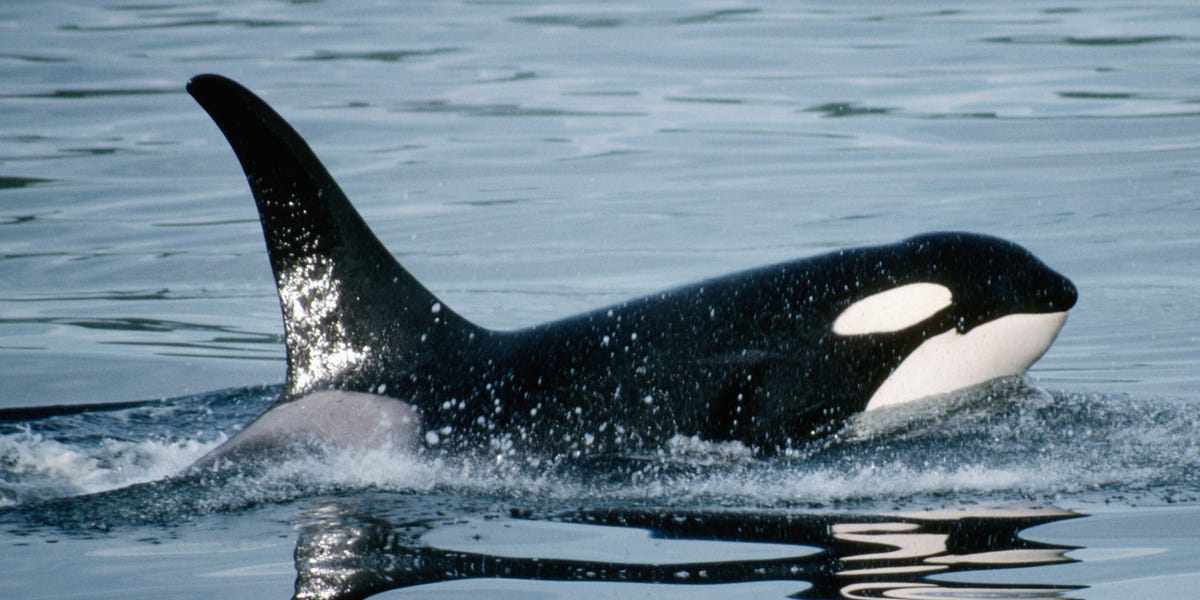
Killer whales have been ramming boats and ripping off rudders in the waters near southern Spain, but orca experts believe that these encounters are not out of revenge, but rather the orcas just want to play. Orcas are very social and curious animals that often engage with their environments, and their natural curiosity and playfulness are likely the cause for these encounters. Orcas might simply enjoy the sensation of ramming into boats, and they might also be enticed by a boat speeding through the water and get a thrill out of chasing it. However, this behavior could put orca lives at risk.
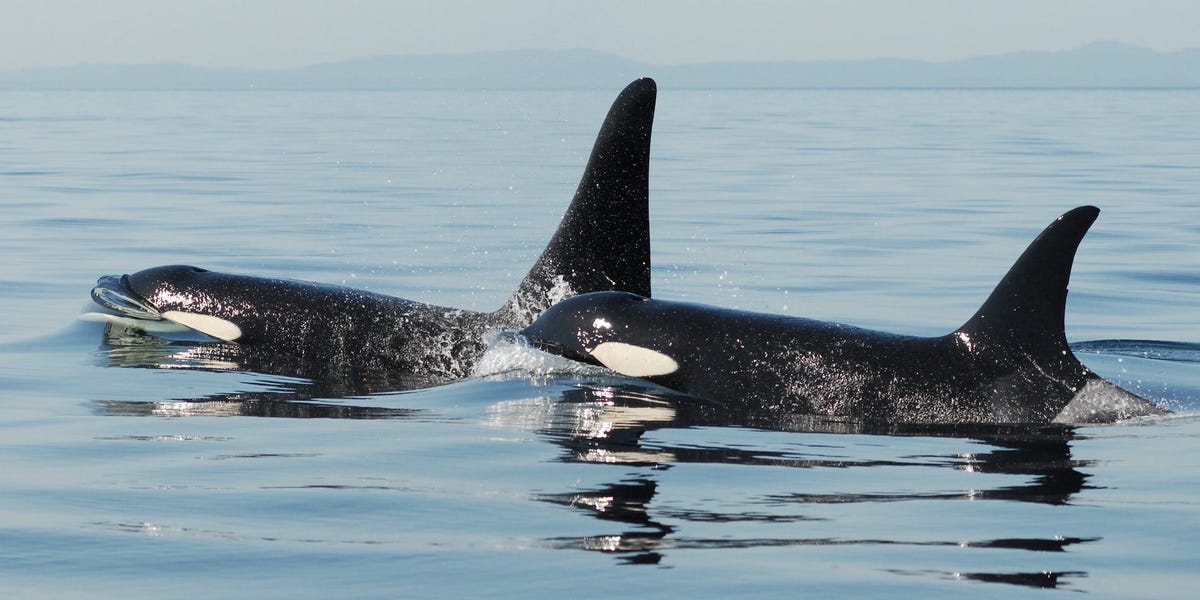
Killer whales near Spain and Portugal are colliding with and sinking boats, and researchers believe they may be imitating the behavior of a single female orca named White Gladis. The behavior may have been triggered after White Gladis was hit by a boat, or it may be playful. Orcas are highly intelligent and social creatures, and the behavior is spreading among the population. While the behavior is unlikely to spread to other orca populations, continued clashes with boats could result in serious injury or death to a person or a whale.
A traumatized female orca named White Gladis may have triggered the recent incidents of killer whales ramming into and sinking sailboats near Portugal and Spain, but at least one other orca, Luna, has previously engaged in similar behavior for playful reasons. Luna, who lived alone and befriended humans, was killed by a tugboat in 2005. Orcas are known to be tactile and intelligent, and the fact that other orcas are mimicking the behavior suggests it is being positively reinforced. These interactions can be dangerous for both whales and humans.