Tag

Retina

All articles tagged with #retina

Indoor Light and Close-Range Viewing May Drive the Global Myopia Rise
science4 days ago

Indoor Light and Close-Range Viewing May Drive the Global Myopia Rise

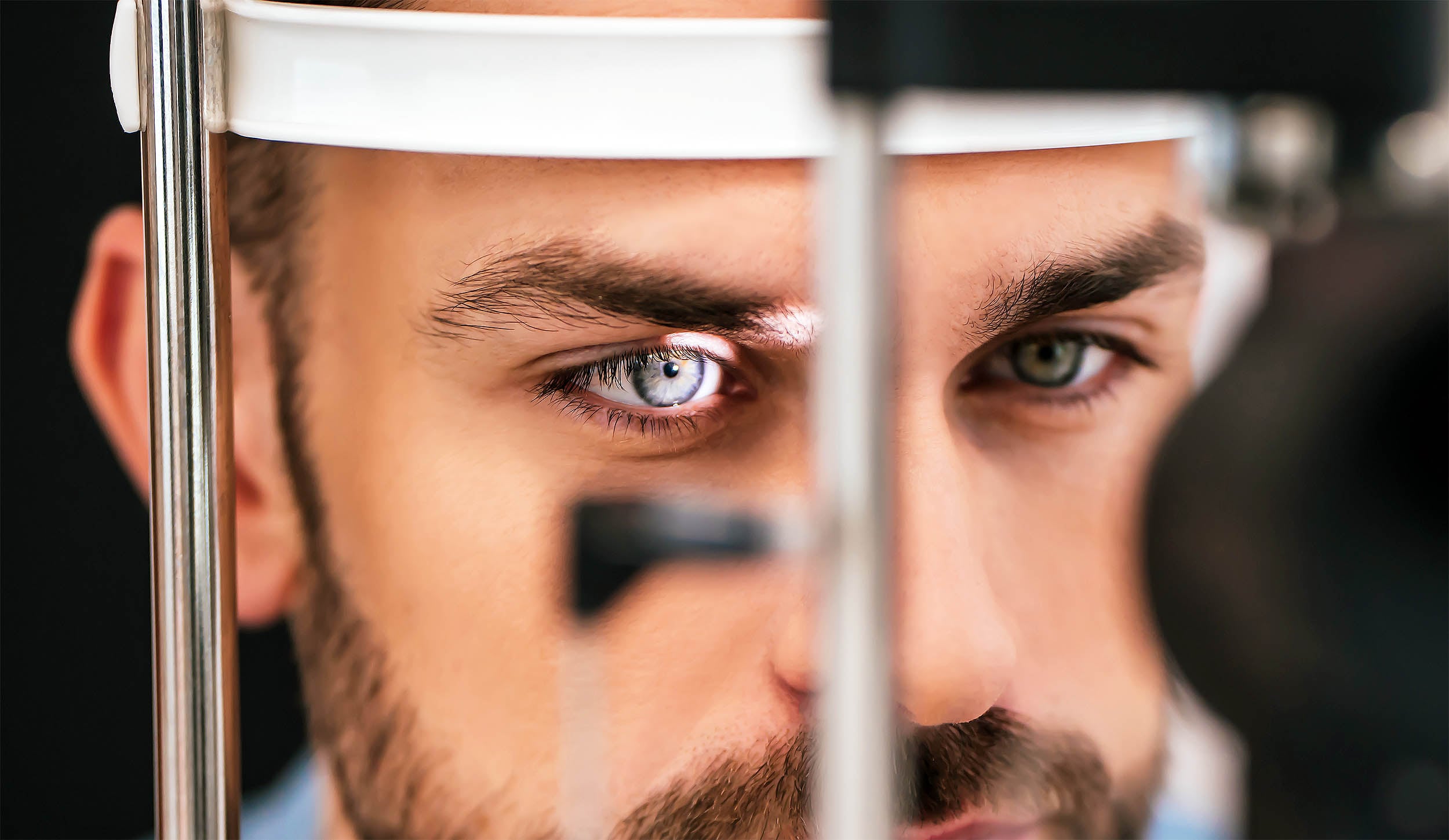
A SUNY College of Optometry study with 34 participants suggests indoor lighting and sustained near-work can alter how the eye accommodates, converges, and constricts pupils in myopes, with contrast more influential than brightness in driving inward eye movements. This may weaken a retinal pathway and create a feedback loop that worsens myopia, offering a new hypothesis for the global rise (projected ~40% of youth affected by 2050). The study is small and not longitudinal, so outdoor vs indoor effects remain unproven and more research is needed.

Eye-dwelling bacteria linked to Alzheimer's risk could aid early detection
science5 days ago

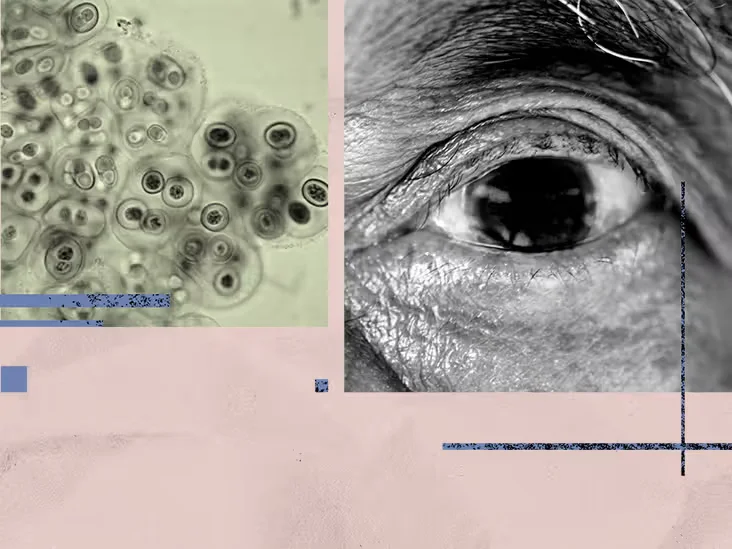
Eye-dwelling bacteria linked to Alzheimer's risk could aid early detection

A Nature Communications study found higher levels of the bacterium Chlamydia pneumoniae in retinal tissue of people with Alzheimer's disease, with greater bacterial burden associated with more severe cognitive decline. The findings, supported by lab and mouse models, suggest retinal infection and inflammation may reflect brain pathology and that APOE4 carriers had higher retinal bacterial levels, pointing to retinal imaging as a potential noninvasive biomarker and possible infection-targeted therapies.

Eye-Window to Alzheimer's: Pneumonia Bacterium Linked to Neurodegeneration
health-and-medicine8 days ago

Eye-Window to Alzheimer's: Pneumonia Bacterium Linked to Neurodegeneration

A Cedars-Sinai study shows Chlamydia pneumoniae can invade the retina and brain, triggering inflammation, nerve cell loss, and amyloid-beta buildup linked to Alzheimer's; higher bacterial levels correlate with worse cognition, especially in APOE4 carriers. The research suggests chronic infection and inflammation could drive Alzheimer's, and the retina might serve as a noninvasive window for early detection and new treatments targeting infection and inflammation.

Dim Indoor Light May Be Fueling the Global Myopia Boom
health10 days ago

Dim Indoor Light May Be Fueling the Global Myopia Boom

A SUNY College of Optometry study published in Cell Reports suggests that dim indoor lighting combined with prolonged close focus may excessively constrict the pupil and reduce retinal illumination, potentially contributing to the global rise in nearsightedness; the idea is still speculative and requires more testing, but it could influence prevention strategies.

Retinal Chlamydia pneumoniae Tied to Faster Alzheimer’s Progression
science12 days ago

Retinal Chlamydia pneumoniae Tied to Faster Alzheimer’s Progression

A Cedars-Sinai study found the pneumonia-causing bacterium Chlamydia pneumoniae in the retina, with higher bacterial loads in individuals with Alzheimer’s disease; the bacteria may amplify brain pathology by triggering the NLRP3 inflammasome, increasing inflammation and amyloid beta, and the retina could serve as a noninvasive biomarker for disease status while anti-inflammatory or antibiotic strategies are being explored, though questions remain about how and when infection occurs.

Retinal Bacteria May Signal Alzheimer's Progress
science24 days ago

Retinal Bacteria May Signal Alzheimer's Progress

A Cedars-Sinai study finds Chlamydia pneumoniae in the retina—more abundant in people with Alzheimer's—where infection correlates with cognitive decline. Lab tests in neurons and animal models show infection-driven inflammation, neuron death, and amyloid-beta buildup, suggesting retinal infection could reflect brain pathology and serve as a noninvasive biomarker and potential treatment target, though causality is not proven.

Centuries-Old Greenland Sharks Reveal Enduring Night Vision
science1 month ago

Centuries-Old Greenland Sharks Reveal Enduring Night Vision

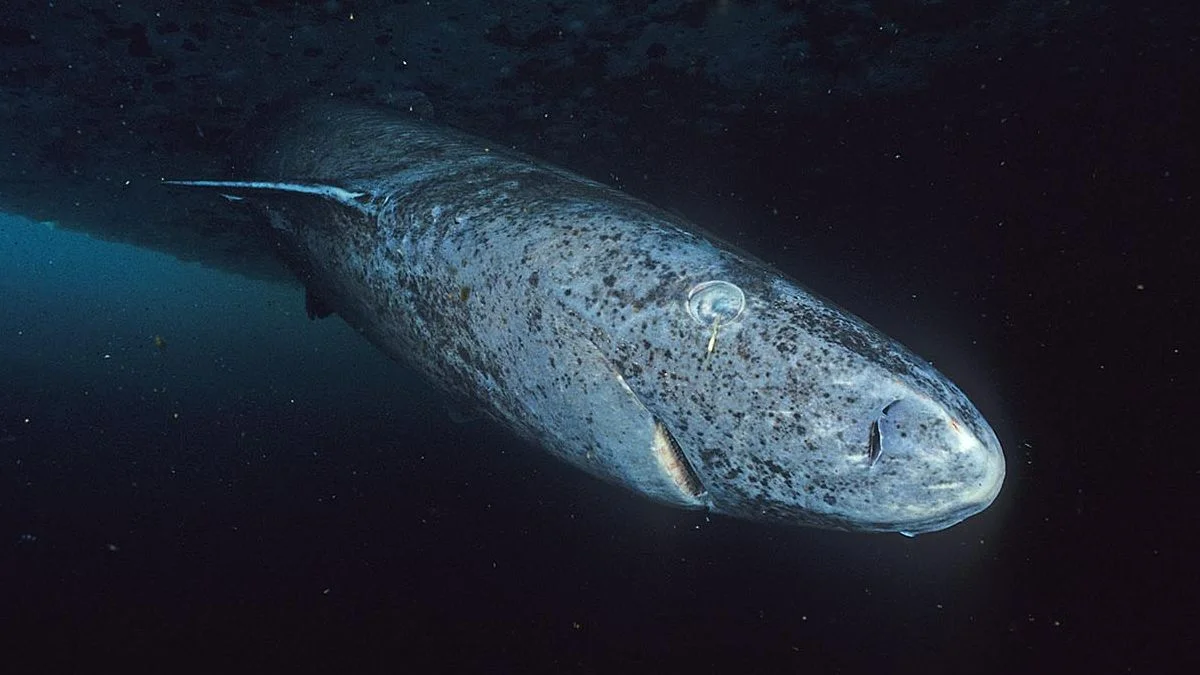
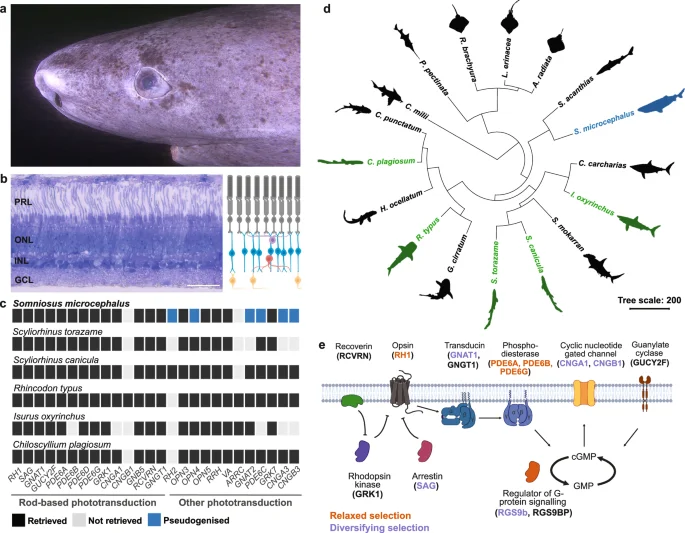
Researchers studying Greenland sharks aged over a century find a preserved, functional visual system: their retinas lack cones, but rod-based vision uses rhodopsin tuned to blue light (458 nm), and corneas continue to transmit most light. The findings hint that a DNA repair toolkit linked to extreme longevity may help maintain retinal health, with unclear implications for human eye health; study published in Nature Communications.

Vision Scientist Teresa Puthussery Awarded MacArthur Genius Grant
science4 months ago

Vision Scientist Teresa Puthussery Awarded MacArthur Genius Grant

Teresa Puthussery, a UC Berkeley vision scientist, received the 2025 MacArthur 'genius' award for her groundbreaking research on retinal cells, which could lead to new treatments for eye diseases and vision restoration. Her work focuses on understanding how different retinal cells encode visual information and developing innovative therapies for degenerative eye conditions.

DNA Damage: A Crucial Factor in Macular Degeneration
health1 year ago

DNA Damage: A Crucial Factor in Macular Degeneration

Researchers have identified accumulated DNA damage in the retina as a key factor in age-related macular degeneration (AMD), a leading cause of blindness in people over 50. The study, published in Aging Cell, suggests that targeting specific retinal cells could lead to treatments that slow or stop AMD progression. The research highlights the importance of DNA repair in maintaining retinal health and suggests potential interventions to counteract oxidative stress and enhance DNA repair. The study involved collaboration from multiple universities and was supported by various foundations and the NIH.

"COVID-19 Linked to Potential Vision Damage, Study Reveals"
health1 year ago

"COVID-19 Linked to Potential Vision Damage, Study Reveals"

A study published in PLOS Pathogens reveals that COVID-19 can infect the retina and cause significant eye damage, even if the virus does not enter through the eyes. Researchers at the University of Missouri found that the virus can breach the blood-retinal barrier, inducing a hyperinflammatory response and causing cell death. This discovery highlights the potential long-term visual complications of COVID-19, especially for immunocompromised individuals or those with pre-existing conditions like hypertension or diabetes. The study emphasizes the need for further research and monitoring of retinal health in COVID-19 patients.

"Rising Cases of Post-Eclipse Eye Problems Prompt Concern Among Doctors"
health1 year ago

"Rising Cases of Post-Eclipse Eye Problems Prompt Concern Among Doctors"

A New Jersey ophthalmologist has reported an increase in patients with eye problems following the recent solar eclipse, with about 25 individuals seeking treatment for eye pain and damage. Some patients admitted to not using proper protective glasses during the event, leading to concerns about potential long-term damage such as solar retinopathy. The doctor emphasized the importance of seeking immediate medical attention for any eclipse-related symptoms and warned about the risks of viewing the sun without proper eye protection.