Tag

Myopia

All articles tagged with #myopia

Expert Claims Vision Can Be Improved at Any Age

Originally Published 3 months ago — by The Times

Featured image for Expert Claims Vision Can Be Improved at Any Age
Source: The Times

Dr. Bryce Appelbaum emphasizes that vision can be improved at any age through exercises and lifestyle adjustments, challenging the notion that eyesight decline is inevitable. He advocates for practices like the 20-20-20 rule, eye push-ups, and outdoor activities to enhance eye and brain function, potentially delaying or reducing dependence on glasses, even for myopia and presbyopia. Additionally, he highlights the importance of proper screen habits, diet rich in omega-3s and antioxidants, and eye coordination exercises to maintain and improve visual health.

Omega-3 Fatty Acids May Protect Against Myopia

Originally Published 4 months ago — by Hacker News

Research suggests that dietary omega-3 polyunsaturated fatty acids may help protect against myopia and support neurological health, with sources including fatty fish, seafood, and certain plant oils. Quality and sourcing are important to avoid rancidity and contamination. While eating fish like salmon provides benefits, supplements can be useful, especially if dietary intake is low. Overall, increasing omega-3 intake through diet or supplements may offer significant health benefits, but individual needs vary.

"Eye Exercises: Ophthalmologist Debunks the Hype"

Originally Published 1 year ago — by The Conversation

Featured image for "Eye Exercises: Ophthalmologist Debunks the Hype"
Source: The Conversation

An ophthalmologist explains that there is no strong scientific evidence supporting the effectiveness of eye exercises in eliminating the need for glasses or providing long-term benefits for conditions like myopia, hyperopia, or presbyopia. While some vision therapy may help with specific ocular issues like eye misalignment, general eye health is best maintained through regular eye exams, limiting screen time, following the 20-20-20 rule, spending time outdoors, and avoiding smoking. Blue light blockers and supplements lack substantial evidence for improving vision or reducing eye strain.

"Rising Concern: Screen Addiction and Children's Eye Health"

Originally Published 1 year ago — by Daily Mail

Featured image for "Rising Concern: Screen Addiction and Children's Eye Health"
Source: Daily Mail

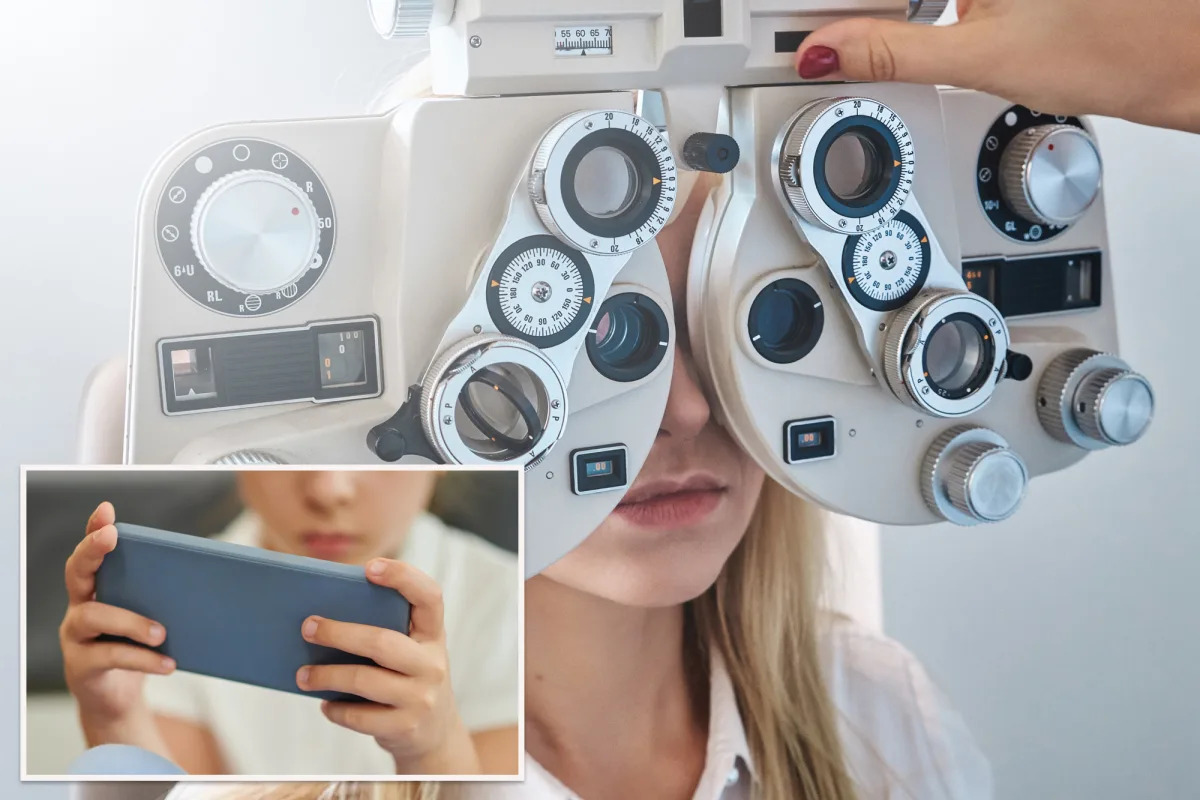
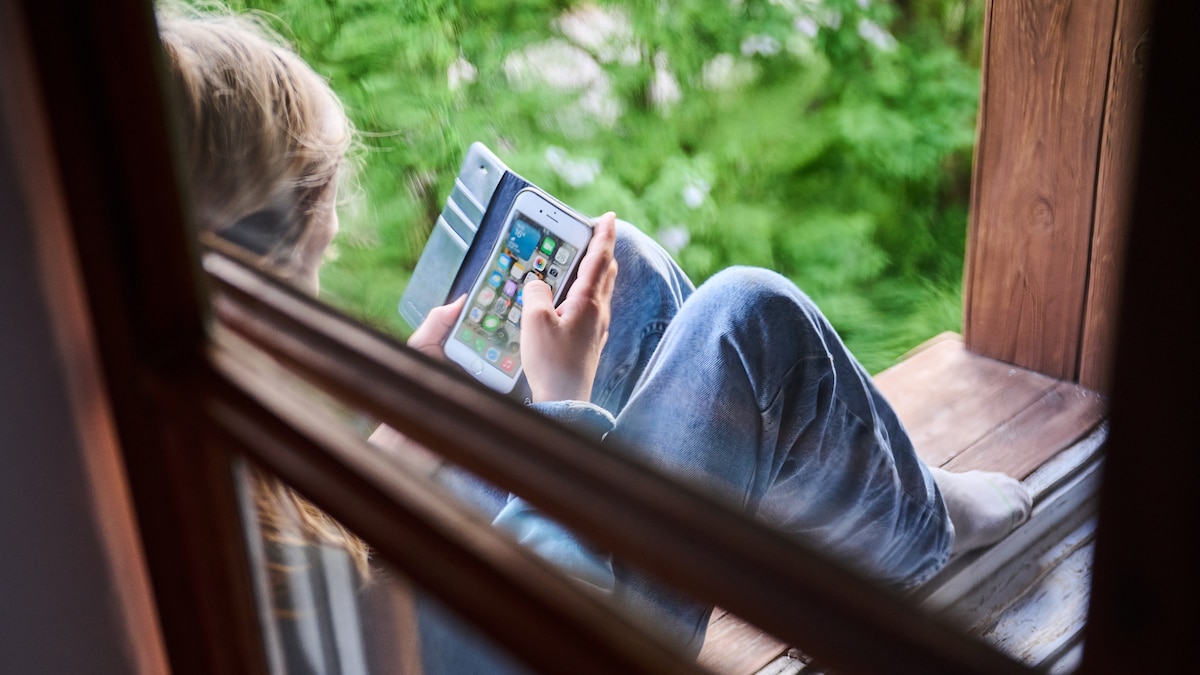
Top eye surgeons are warning of a growing risk of blindness in children due to excessive screen time and lack of outdoor activities, leading to a surge in cases of myopia. Children as young as four are now wearing special contact lenses to counter the problem, with some experiencing severe short-sightedness. The prolonged use of screens and reduced time spent outdoors during the Covid pandemic have exacerbated the issue, prompting calls for parents to limit screen time and ensure children get ample daylight exposure.

"Report: Gen Zers at Risk of 'Blindness Epidemic' from Excessive Phone Use"

Originally Published 1 year ago — by Yahoo Life

Featured image for "Report: Gen Zers at Risk of 'Blindness Epidemic' from Excessive Phone Use"
Source: Yahoo Life

Gen Zers are facing a potential epidemic of near-sightedness due to excessive screen time and lack of sunlight exposure, leading to serious vision problems and even blindness, according to a leading eye surgeon. The pandemic has exacerbated this trend, with studies showing a strong link between time spent outdoors and lower risk of near-sightedness. Experts are urging parents to limit screen time and encourage outdoor activities to mitigate the risk of vision problems among young people.

"Report: Gen Zers at Risk of 'Blindness Epidemic' from Excessive Phone Use"

Originally Published 1 year ago — by New York Post

Featured image for "Report: Gen Zers at Risk of 'Blindness Epidemic' from Excessive Phone Use"
Source: New York Post

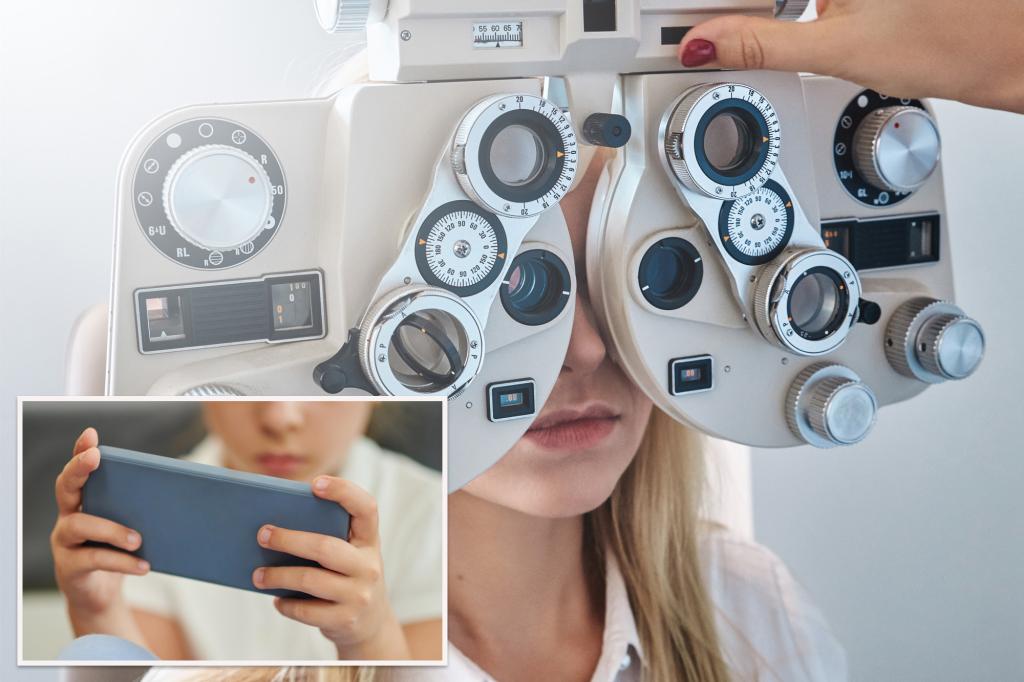
Gen Zers are facing a potential blindness epidemic due to increased screen time and lack of sunlight exposure, leading to a significant rise in myopia rates. Experts warn that the lack of natural sunlight and excessive screen time are causing serious vision problems, with near-sightedness increasing by 46% in the UK and 59% among teenagers in the US. The pandemic has exacerbated this trend, and studies show that time spent outdoors is strongly linked to a lower risk of near-sightedness. Urgent action is needed to address this issue and prevent a future surge in vision-related health problems among young people.

"Rising Risk of Gen Z Blindness Due to Lack of Outdoor Time"

Originally Published 1 year ago — by Daily Mail

Featured image for "Rising Risk of Gen Z Blindness Due to Lack of Outdoor Time"
Source: Daily Mail

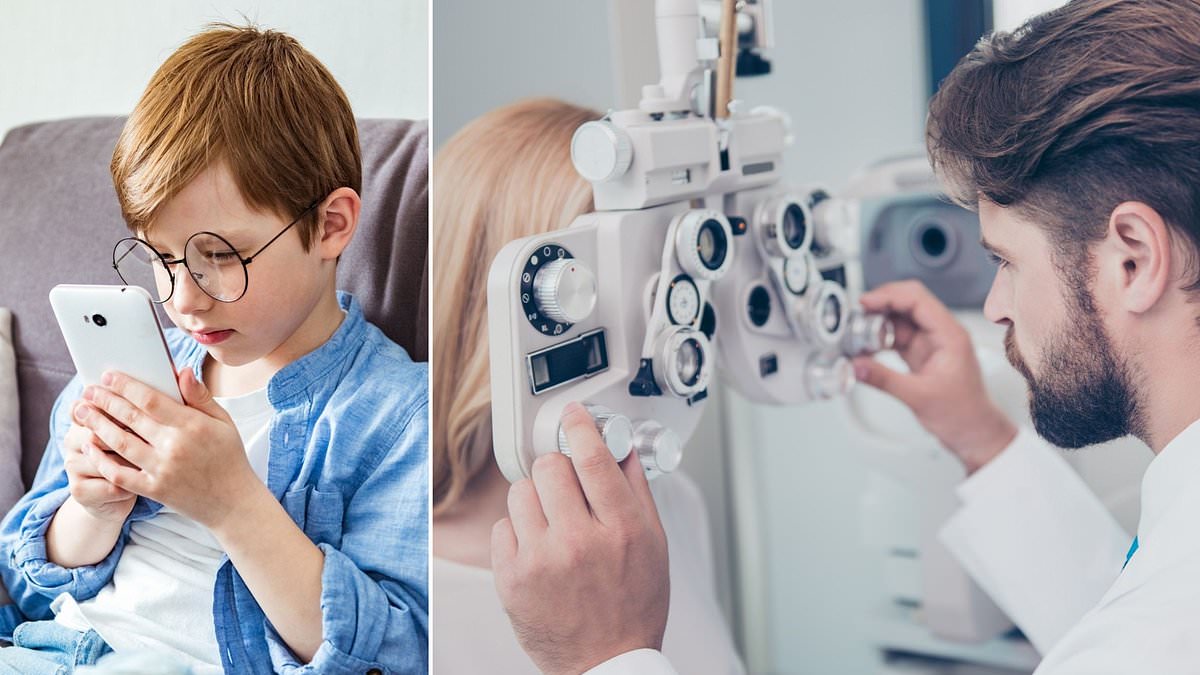
Leading eye surgeon warns of a potential future blindness crisis among Gen Z due to excessive screen time and lack of outdoor activity, leading to a significant increase in myopia. The surge in short-sightedness, particularly among children, is attributed to prolonged screen exposure and reduced time spent outdoors. Serious cases of myopia can lead to blindness and increase the risk of developing other eye conditions, posing a significant burden on healthcare systems like the NHS. Efforts to address this issue include calls for more NHS funding and increased awareness about the impact of screen time on eye health.

Understanding and Treating Nearsightedness: A Comprehensive Guide

Originally Published 1 year ago — by USA TODAY

Featured image for Understanding and Treating Nearsightedness: A Comprehensive Guide
Source: USA TODAY

Myopia, or nearsightedness, affects 4 out of 10 people globally, with the number expected to rise to 5 out of 10 by 2050, prompting concerns from the American Academy of Ophthalmology. Genetics and environmental factors play a role in its development, with extensive close-up activities and decreased time spent outdoors being contributing factors. While myopia cannot be permanently reversed, treatments such as specialized contact lenses, eye drops, vision therapy, and lifestyle adaptations can help slow its progression. Surgery and orthokeratology are also options, but the most common treatment is wearing corrective lenses.

"iPhone Screen Distance: Protecting Eyes and Reducing Eye Strain"

Originally Published 2 years ago — by 9to5Mac

Featured image for "iPhone Screen Distance: Protecting Eyes and Reducing Eye Strain"
Source: 9to5Mac

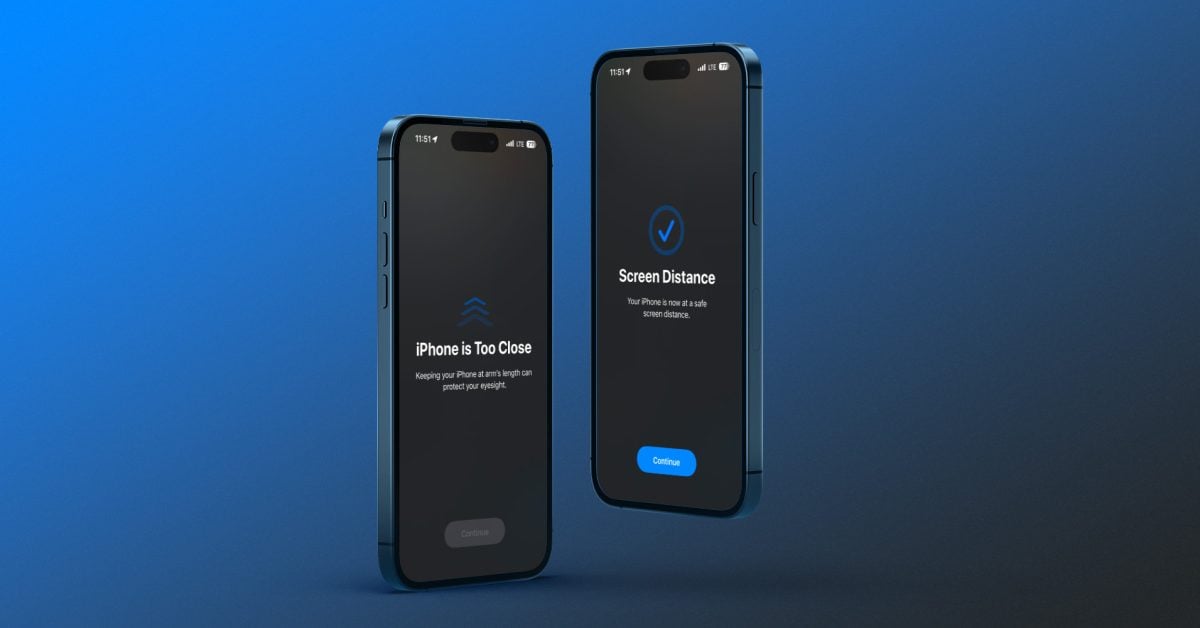
Apple's new health feature, Screen Distance, available on iOS 17 and iPadOS 17, helps prevent eye strain and reduce the risk of myopia by encouraging users to keep their devices at least 12 inches away from their eyes. The feature measures the distance between the screen and the user's eyes, and the data collected remains on the device and is not shared with Apple. Users can enable Screen Distance in the Settings app under Screen Time.

The Rising Epidemic of Childhood Myopia: Causes and Solutions

Originally Published 2 years ago — by National Geographic

Featured image for The Rising Epidemic of Childhood Myopia: Causes and Solutions
Source: National Geographic

The prevalence of myopia, or nearsightedness, in children is increasing at an alarming rate, with projections suggesting that by 2050, half of the world's population will be affected. While genetics play a role, researchers believe that environmental factors, such as a lack of outdoor time, contribute to the rise. Myopia can lead to vision problems later in life, including retinal detachment and glaucoma. Studies have shown that interventions like special contact lenses and low-concentration atropine eye drops can slow the progression of myopia. Researchers are also working on predicting and preventing myopia in children through clinical trials.

The Impact of Screen Time on Kids' Myopia: TED Radio Hour

Originally Published 2 years ago — by NPR

Featured image for The Impact of Screen Time on Kids' Myopia: TED Radio Hour
Source: NPR

The prevalence of myopia, or nearsightedness, is increasing among children worldwide, with experts attributing the rise to excessive screen time and lack of outdoor activities. Spending too much time indoors and staring at screens causes the eyes to prioritize near vision over distance vision, leading to elongation of the eyeballs and myopia. Early onset myopia can result in severe vision problems later in life. To combat this, experts recommend limiting screen time, encouraging outdoor play, and taking regular breaks to exercise distance vision. Orthokeratology, a treatment involving overnight hard contact lenses, has shown promise in slowing down the progression of myopia in children.

Reviving Our Fading Vision: A Simple Solution

Originally Published 2 years ago — by Newser

Featured image for Reviving Our Fading Vision: A Simple Solution
Source: Newser

Myopia, or near-sightedness, is on the rise globally, particularly in Asia, where about 90% of teens and young adults in China and Taiwan are myopic. The trend is also increasing in the US and Europe. Research suggests that spending too much time indoors, including in classrooms, is a contributing factor. Sunlight stimulates the release of dopamine from the retina, and getting kids outside more often, starting at an early age, could help combat the problem.

The Rising Epidemic of Myopia in Kids and Adults

Originally Published 2 years ago — by NPR

Featured image for The Rising Epidemic of Myopia in Kids and Adults
Source: NPR

Myopia, or nearsightedness, is on the rise globally, especially among children. Dr. David Epley, a pediatric ophthalmologist, explains that spending more time outdoors and engaging in activities that require looking at objects farther away can help prevent myopia. Other factors such as low levels of vitamin D and diet can also contribute to its development. Highly myopic individuals are at a higher risk of developing serious eye conditions such as glaucoma, cataracts, macular degeneration, and retinal detachment. While myopia cannot be reversed, there are ways to slow its progression, including medication, contact lenses, orthokeratology, and specialized glasses lenses.

Ineffective Low-Dose Eyedrops Fail to Slow Myopia Progression

Originally Published 2 years ago — by National Institutes of Health (.gov)

Featured image for Ineffective Low-Dose Eyedrops Fail to Slow Myopia Progression
Source: National Institutes of Health (.gov)

A randomized controlled trial funded by the National Eye Institute (NEI) found that low-dose atropine eyedrops (0.01%) were no more effective than a placebo in slowing the progression of myopia (nearsightedness) in children over a two-year period. The results contradict previous studies in East Asia that showed a benefit from low-dose atropine. The findings highlight the need for further research to identify effective strategies for managing myopia, which is becoming increasingly common and can lead to irreversible vision loss.