Tag

Eye Damage

All articles tagged with #eye damage

"Rising Cases of Post-Eclipse Eye Problems Prompt Concern Among Doctors"

Originally Published 1 year ago — by Daily Mail

Featured image for "Rising Cases of Post-Eclipse Eye Problems Prompt Concern Among Doctors"
Source: Daily Mail

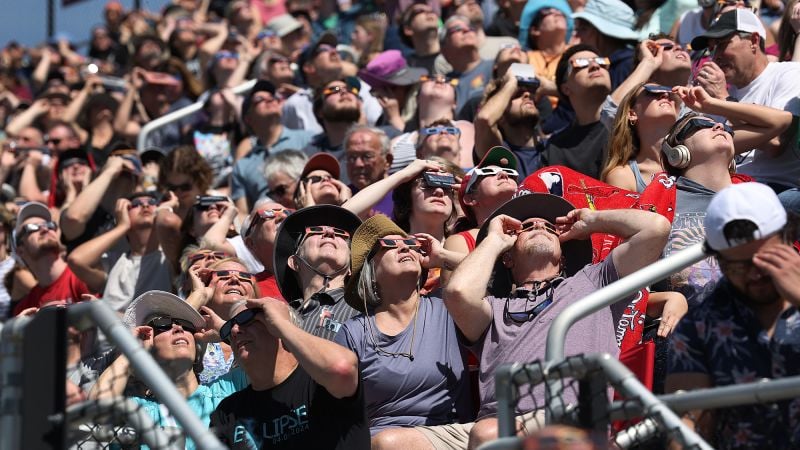
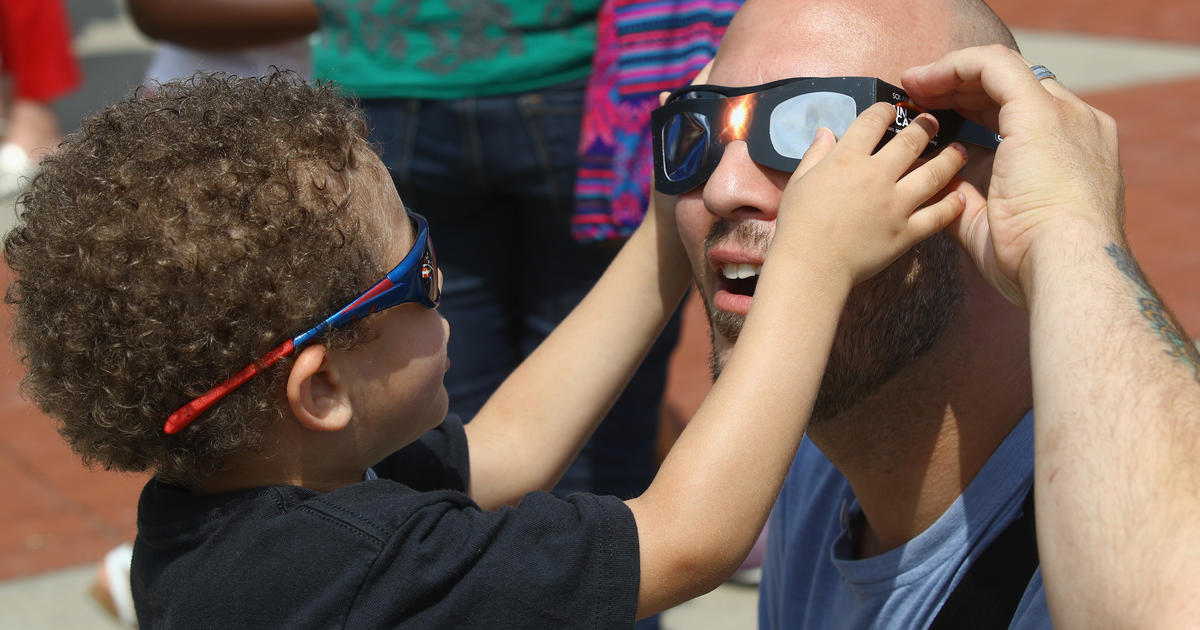
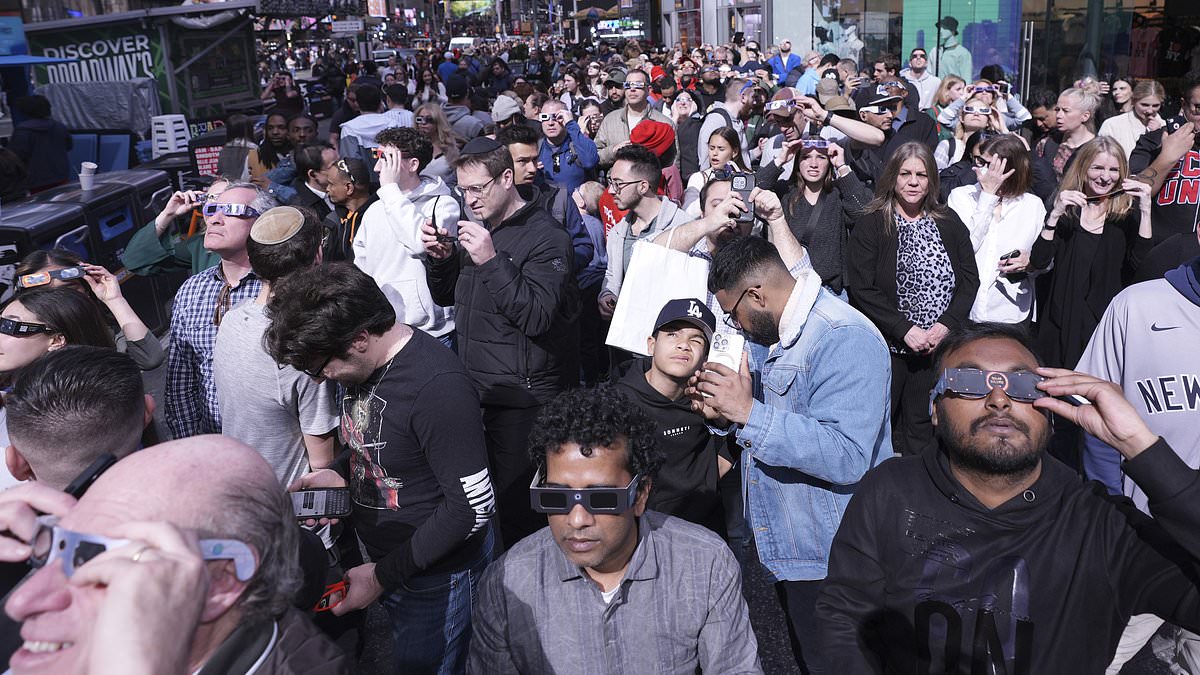
A New Jersey ophthalmologist has reported an increase in patients with eye problems following the recent solar eclipse, with about 25 individuals seeking treatment for eye pain and damage. Some patients admitted to not using proper protective glasses during the event, leading to concerns about potential long-term damage such as solar retinopathy. The doctor emphasized the importance of seeking immediate medical attention for any eclipse-related symptoms and warned about the risks of viewing the sun without proper eye protection.
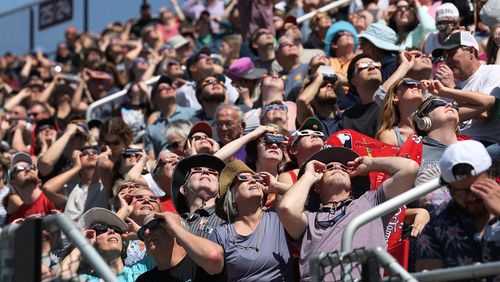
"Signs of Eye Damage from Viewing the Eclipse"

Originally Published 1 year ago — by WXII12 Winston-Salem

Featured image for "Signs of Eye Damage from Viewing the Eclipse"
Source: WXII12 Winston-Salem

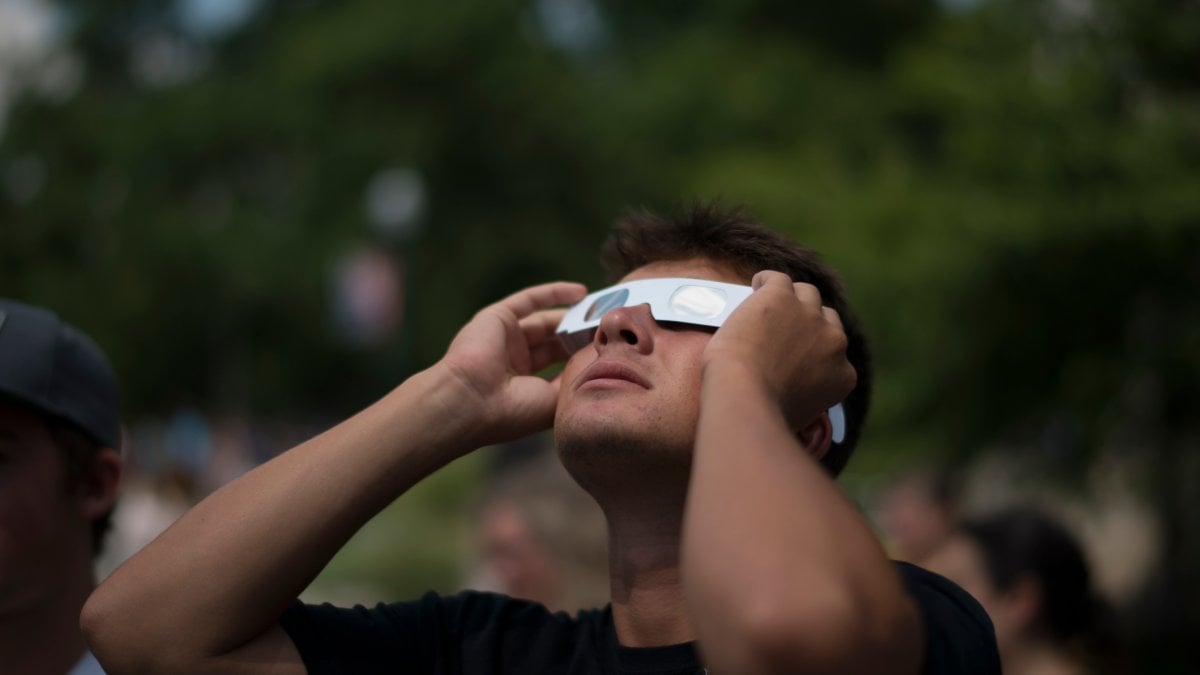
Viewing the solar eclipse without proper eye protection can result in solar retinopathy, causing permanent retinal damage. Symptoms of eye damage may include loss of central vision, altered color vision, or distorted vision, which can manifest hours or days after exposure. If experiencing any symptoms or discomfort, seek immediate medical attention. There is no treatment for solar retinopathy, and prevention is the only option. Parents should talk to their children about potential symptoms of eye discomfort and seek medical help if there are concerns about exposure during the eclipse.

"Recognizing Eye Damage Post-Eclipse Viewing"

Originally Published 1 year ago — by KCCI Des Moines

Featured image for "Recognizing Eye Damage Post-Eclipse Viewing"
Source: KCCI Des Moines

Viewing the solar eclipse without proper eye protection can result in solar retinopathy, causing retinal damage from exposure to solar radiation. Symptoms of eye damage may include loss of central vision, altered color vision, or distorted vision, and can manifest hours or days after viewing the eclipse. If experiencing eye discomfort, it's important to seek immediate medical attention. There is no treatment for solar retinopathy, and the damage can be permanent. Parents should talk to their children about potential symptoms of eye discomfort if they viewed the eclipse without proper protection.

"Recognizing Eye Damage Post-Eclipse Viewing"

Originally Published 1 year ago — by KSBW Monterey

Featured image for "Recognizing Eye Damage Post-Eclipse Viewing"
Source: KSBW Monterey

Viewing the solar eclipse without proper eye protection can result in solar retinopathy, causing permanent retinal damage from exposure to solar radiation. Symptoms of eye damage, such as loss of central vision or altered color vision, may take hours or days to manifest. If you experience eye discomfort after viewing the eclipse, seek immediate medical attention. There is no treatment for solar retinopathy, and prevention is the only option. Parents should talk to their children about potential symptoms of eye discomfort and ensure they understand the importance of using certified eclipse glasses or solar viewers.

"Recognizing Eye Damage Post-Eclipse Viewing"

Originally Published 1 year ago — by KOAT New Mexico

Featured image for "Recognizing Eye Damage Post-Eclipse Viewing"
Source: KOAT New Mexico

Viewing the solar eclipse without proper eye protection can result in solar retinopathy, causing permanent retinal damage from exposure to solar radiation. Symptoms of eye damage, such as loss of central vision or altered color vision, may take hours or days to manifest. If you experience eye discomfort after viewing the eclipse, seek immediate medical attention. There is no treatment for solar retinopathy, and prevention is the only option. Parents should talk to their children about potential symptoms of eye discomfort and seek medical help if there are concerns about eye damage.

"Understanding and Treating Eclipse-Related Eye Irritation"

Originally Published 1 year ago — by FOX 59 Indianapolis

Featured image for "Understanding and Treating Eclipse-Related Eye Irritation"
Source: FOX 59 Indianapolis

Optometrists warn that symptoms of solar retinopathy, caused by direct exposure to sunlight during the eclipse, may include blurry vision, distortion, and permanent spots that move with vision. There is no treatment for this kind of damage, but some people may regain vision over time. Children and younger adults are at higher risk due to their lenses letting in more light, and anyone concerned should schedule an eye exam for evaluation.

"Understanding the Risks: Solar Eclipse Eye Damage vs. Eye Strain"

Originally Published 1 year ago — by USA TODAY

Featured image for "Understanding the Risks: Solar Eclipse Eye Damage vs. Eye Strain"
Source: USA TODAY

Solar retinopathy, or permanent eye damage from viewing a solar eclipse without proper protection, is incredibly rare, but there are signs to look for, such as a blind spot in central vision, increased sensitivity to light, distorted vision, changes in color perception, blurry vision, and vision-induced headaches. Symptoms can develop hours or days after viewing the eclipse, and urgent medical attention is advised if they persist. While there is no treatment for solar retinopathy, most cases reported to doctors are likely to be eye strain, which can occur even with proper eye protection. Permanent eye damage from the eclipse is very rare, with only a few documented cases, but it's important to seek medical attention if symptoms persist.

"Eclipse Eye Safety: Tips for Protecting Your Vision"

Originally Published 1 year ago — by CNN

Featured image for "Eclipse Eye Safety: Tips for Protecting Your Vision"
Source: CNN

Viewing the solar eclipse without proper eye protection can result in solar retinopathy, causing permanent retinal damage with symptoms like altered color vision or distorted vision. The damage may not cause immediate pain or discomfort, but can manifest within hours or days. If you experience any symptoms or eye discomfort after viewing the eclipse, seek immediate medical attention. There is no treatment for solar retinopathy, and the changes in vision depend on the type of damage done, which can occur in one or both eyes.

"Protecting Your Eyes During a Solar Eclipse: Safety Tips and Symptoms of Damage"

Originally Published 1 year ago — by NBC DFW

Featured image for "Protecting Your Eyes During a Solar Eclipse: Safety Tips and Symptoms of Damage"
Source: NBC DFW

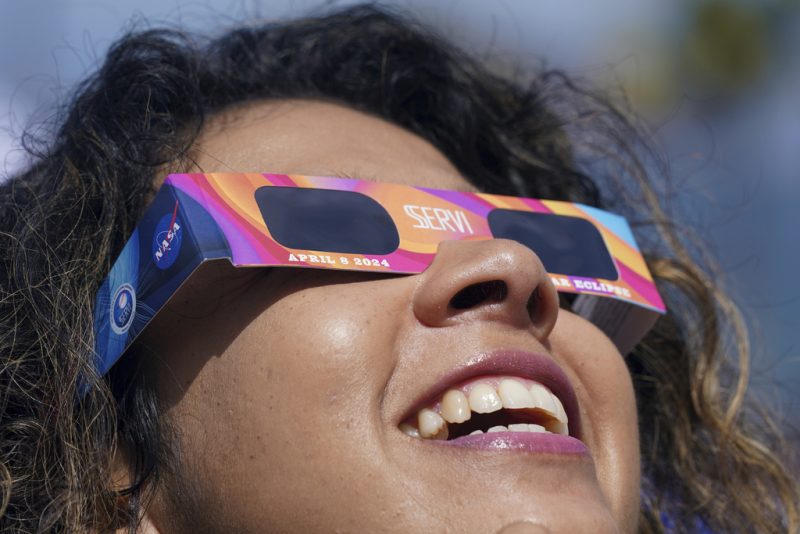
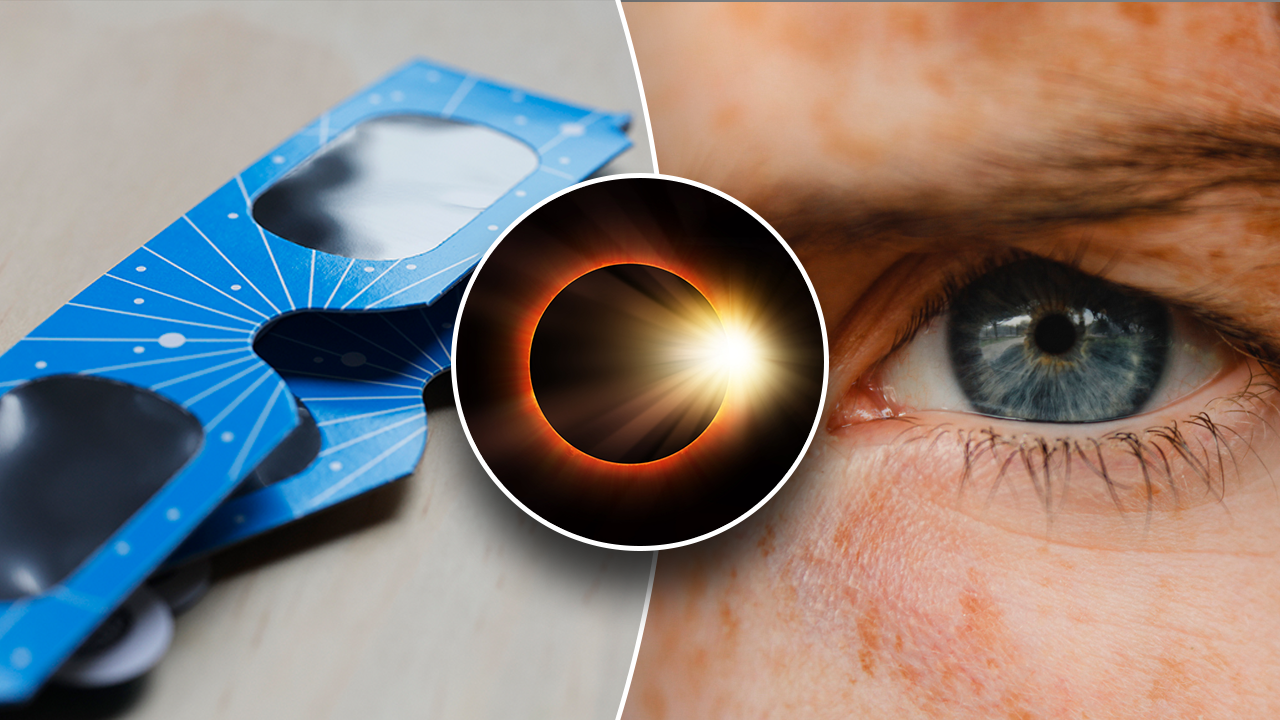
Staring directly at the sun during a solar eclipse can cause permanent eye damage, known as solar retinopathy, with symptoms including watery eyes, color distortion, headaches, and sensitivity to light. Proper eclipse glasses with a silver appearance on the front, black on the inside, and an ISO certification are crucial for protection. Cloudy weather does not provide safety from solar damage, so eye protection is essential regardless of the forecast.

"Spotting Solar Eclipse Eye Damage: Symptoms and Safe Viewing Tips"

Originally Published 1 year ago — by New York Post

Featured image for "Spotting Solar Eclipse Eye Damage: Symptoms and Safe Viewing Tips"
Source: New York Post

Staring at the sun during a solar eclipse without proper eye protection can lead to solar retinopathy or "eclipse blindness," causing symptoms such as blurry vision, blind spots, and sensitivity to light. While eye injuries are rare, they can result in permanent central vision loss, and visual symptoms may not be immediately noticeable. There is no treatment for solar retinopathy, so it's crucial to visit an ophthalmologist for assessment. While many may recover in three to six months, permanent vision loss is a possibility, as evidenced by cases of individuals experiencing irreversible eye damage after viewing the eclipse without proper eye protection.
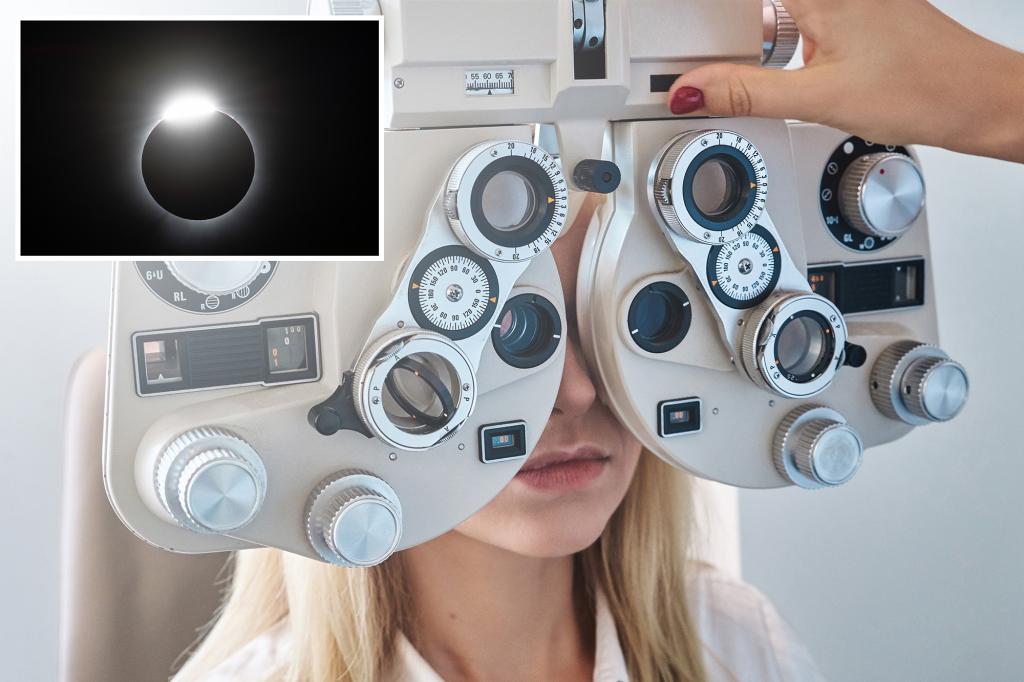
"Understanding Solar Eclipse Eye Damage: Symptoms and Prevention"

Originally Published 1 year ago — by CBS News

Featured image for "Understanding Solar Eclipse Eye Damage: Symptoms and Prevention"
Source: CBS News

Looking at a solar eclipse, even for a short period without protection, can cause eye damage due to solar ultraviolet rays and infrared radiation. Signs of eye damage include headaches, blurred vision, dark spots, color changes, and distorted lines, which may not be immediately apparent. If experiencing symptoms, it's important to seek an ophthalmologist's advice as there is no specific treatment for solar retinopathy. Prevention through wearing protective glasses is crucial, as any amount of time looking at the eclipse without protection is considered too long.

"Protecting Your Eyes: Safely Viewing and Recovering from Solar Eclipse Damage"

Originally Published 1 year ago — by WJW FOX 8 News Cleveland

Featured image for "Protecting Your Eyes: Safely Viewing and Recovering from Solar Eclipse Damage"
Source: WJW FOX 8 News Cleveland

Looking at the sun during a solar eclipse without proper eye protection can cause permanent eye damage, leading to symptoms such as blurred vision, sensitivity, color distortion, and temporary "floaters" or "flashers." Mild cases may heal within one to six months, but serious damage can be irreversible. If you suspect solar retinopathy, it's important to seek an appointment with an ophthalmologist, as there is no set rule for the duration of a glance that can lead to permanent damage.

"10-Second Gaze at 2017 Eclipse Causes Irreversible Eye Damage"

Originally Published 1 year ago — by New York Post

Featured image for "10-Second Gaze at 2017 Eclipse Causes Irreversible Eye Damage"
Source: New York Post

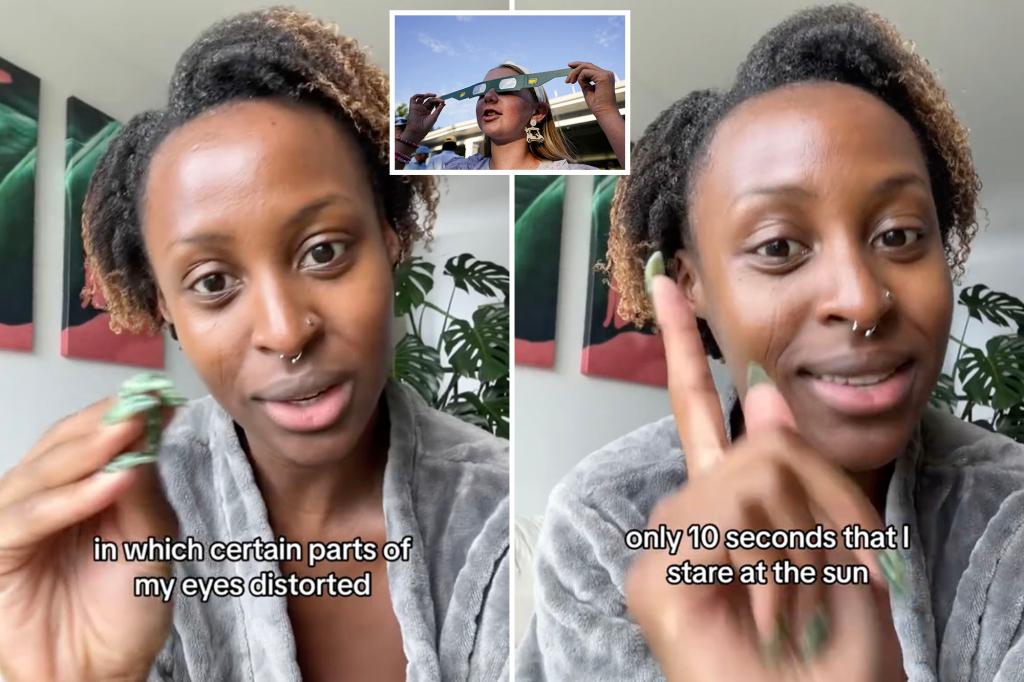
A Brooklyn woman suffered irreversible eye damage, including a blind spot in the middle of her left iris, after staring at the 2017 solar eclipse for just 10 seconds without proper eye protection. Bridget Kyeremateng, 29, experienced distortion to her vision and slow 20/20 vision as a result of the sun damage, along with headaches, migraines, and an astigmatism. She now warns others to take necessary precautions to protect their eyes and not to view the eclipse without proper eyewear, emphasizing that the irreversible eye damage is not worth the curiosity of witnessing the spectacle.
"Staying Safe: Understanding the Dangers of Watching a Solar Eclipse Without Proper Eye Protection"

Originally Published 1 year ago — by CBS News

Featured image for "Staying Safe: Understanding the Dangers of Watching a Solar Eclipse Without Proper Eye Protection"
Source: CBS News

Looking directly at a solar eclipse, even when it's partially covered, can cause serious eye damage due to solar ultraviolet rays and infrared radiation. Special eclipse glasses that comply with safety standards are necessary for safe viewing, as regular sunglasses or makeshift solutions are not sufficient. Children and adults alike should take precautions to protect their eyes, as damage from viewing an eclipse without proper protection can be permanent. Symptoms of eye damage include headaches, blurred vision, and changes in color perception, and there is currently no treatment for solar retinopathy.

"Protecting Your Eyes During the Solar Eclipse: Safety Precautions and Viewing Tips"

Originally Published 1 year ago — by Fox News

Featured image for "Protecting Your Eyes During the Solar Eclipse: Safety Precautions and Viewing Tips"
Source: Fox News

Eye doctors are warning people not to look directly at the sun during the upcoming solar eclipse on April 8th, as it could lead to blindness and permanent eye damage in less than a second. Staring at the sun can cause a rare type of retinal injury called solar retinopathy, with symptoms including blurred vision, blind spots, and light sensitivity. It is crucial to use special-purpose solar filter sunglasses labeled as "ISO 12312-2" compliant and to avoid using binoculars or special lenses that magnify the eclipse. Additionally, children require special attention when using solar eclipse glasses, and alternative safe viewing methods such as pinhole cameras are recommended.