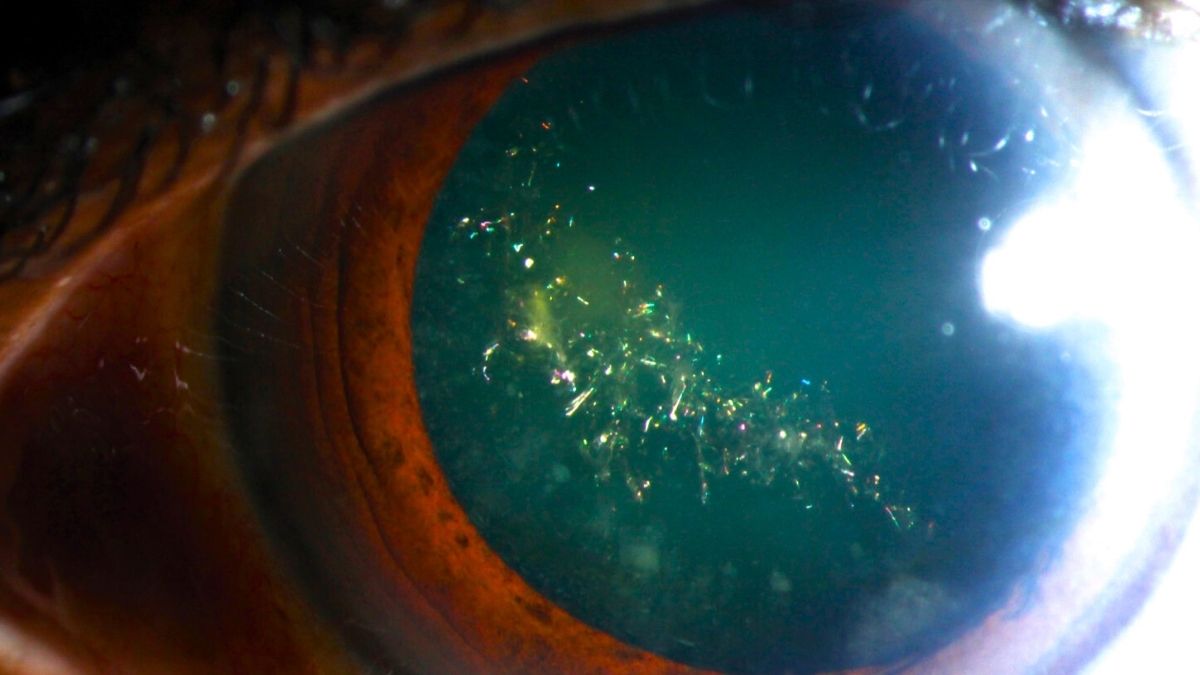
Christmas tree cataracts are a rare, age-related eye condition characterized by multicolored crystalline structures in the lens that resemble Christmas lights, often associated with myotonic dystrophy and caused by calcium buildup and protein breakdown in the eye.
Eating pumpkin regularly offers numerous health benefits, including boosting immunity, improving eye health, aiding weight management, lowering diabetes risk, and reducing cancer risk, thanks to its rich content of nutrients like beta-carotene, vitamins, and minerals.
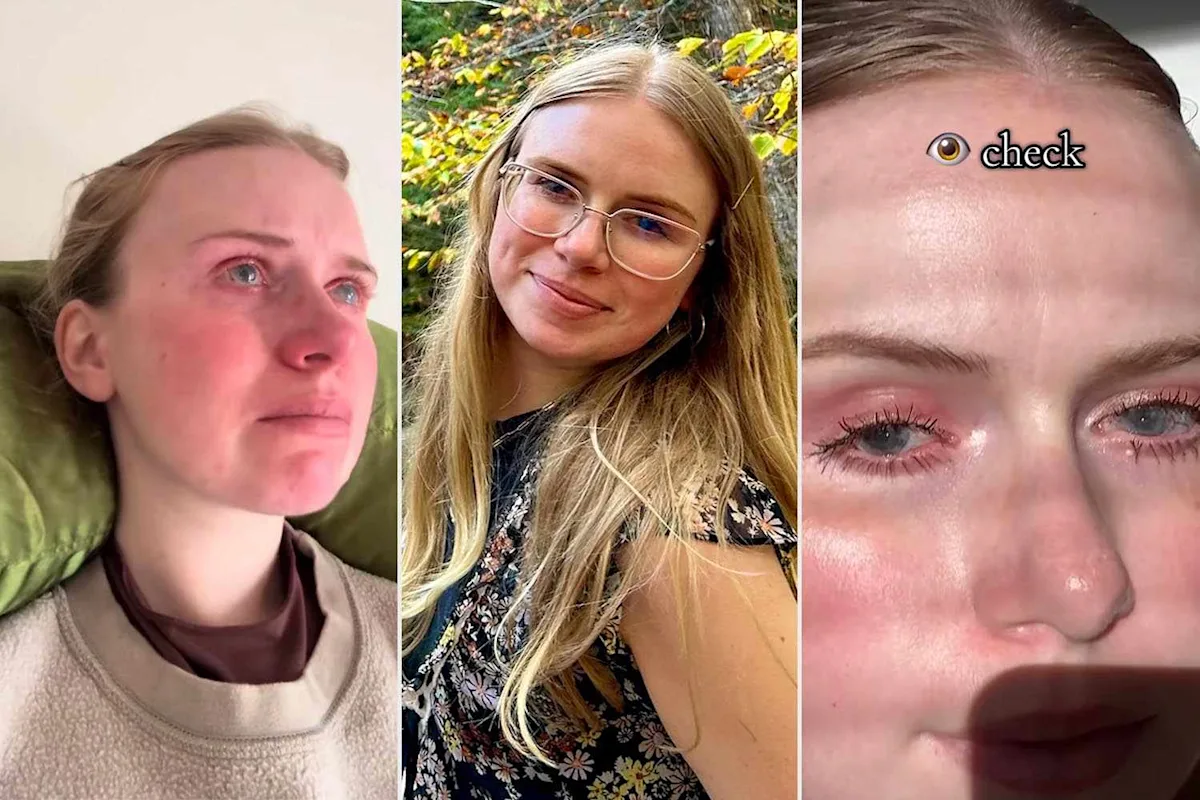
A 26-year-old woman, McEwen Baker, shares her emotional journey of gradually losing her vision due to corneal damage and inflammation, undergoing multiple surgeries, and coping with her diagnosis through social media and support groups, highlighting the challenges and resilience involved in her condition.
A 26-year-old woman, McEwen Baker, is documenting her rapid progression to blindness due to corneal cell death and her emotional journey through this life-changing experience, seeking community and support online.
Incorporating blueberries, oranges, papaya, and kiwi into your diet can support eye health by providing antioxidants, vitamin C, carotenoids, and anti-inflammatory nutrients that help protect against age-related eye conditions and improve vision. These fruits are easy, affordable, and beneficial for maintaining eye function, especially for those exposed to digital screens or environmental stressors.
Menopause can affect women's eyesight, particularly causing dry eyes and irritation, which are often overlooked. These symptoms may be linked to hormonal changes, and treatments like eye drops, warm compresses, or hormone therapy can help. Women are encouraged to seek regular eye checks and consult a doctor if symptoms persist.
Dr. Bryce Appelbaum emphasizes that vision can be improved at any age through exercises and lifestyle adjustments, challenging the notion that eyesight decline is inevitable. He advocates for practices like the 20-20-20 rule, eye push-ups, and outdoor activities to enhance eye and brain function, potentially delaying or reducing dependence on glasses, even for myopia and presbyopia. Additionally, he highlights the importance of proper screen habits, diet rich in omega-3s and antioxidants, and eye coordination exercises to maintain and improve visual health.
Eating a variety of nutrient-rich foods such as broccoli, salmon, carrots, sunflower seeds, kiwi, oysters, spinach, eggs, almonds, yogurt, oranges, and strawberries can help protect and maintain eye health as you age by providing essential vitamins, antioxidants, and omega-3 fatty acids. Additional lifestyle practices like exercising, taking screen breaks, and wearing sunglasses can further support eye health.
Low vitamin D levels can impact eye health and potentially cause blindness; it's important to monitor retinal health, consider individual genetic and lifestyle factors, avoid high-dose bolus supplements without medical supervision, and maintain a balanced diet and lifestyle to support ocular health.
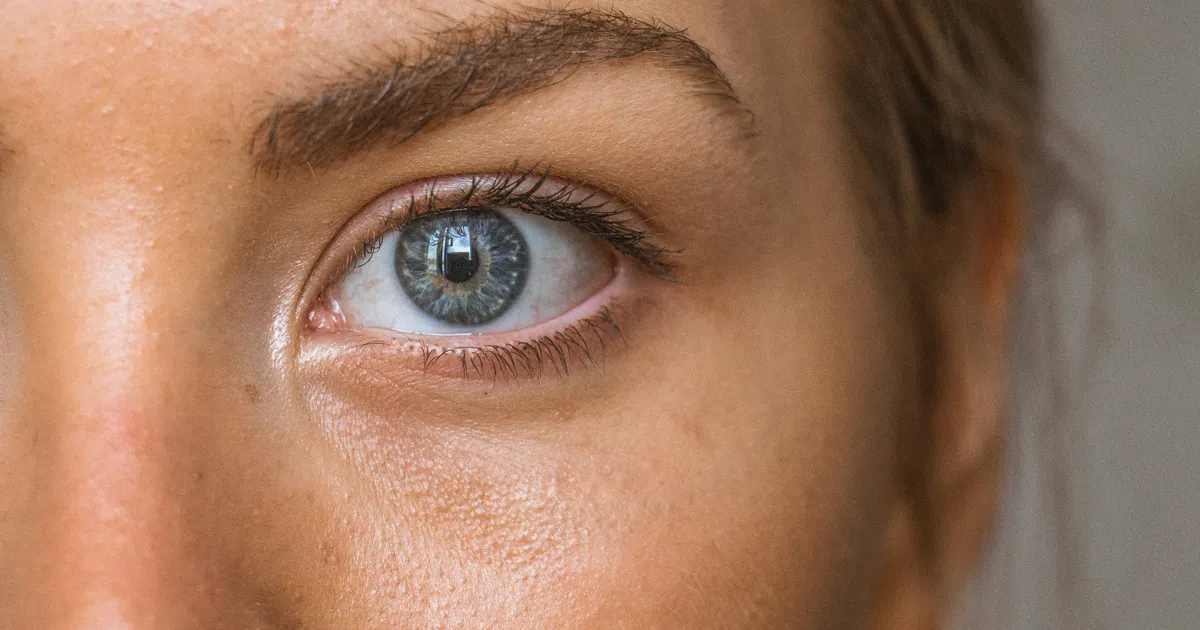
A sudden red spot on the eye, known as subconjunctival hemorrhage, is usually harmless and resolves on its own, but recurrent cases or those in older adults may indicate underlying health issues like high blood pressure or systemic vascular problems. It often results from minor trauma, eye rubbing, or increased venous pressure from activities like coughing or straining, and requires medical attention only if persistent or accompanied by other symptoms.
Researchers are developing a safer, cheaper alternative to LASIK called electromechanical reshaping (EMR), which uses electrical pulses to reshape the cornea without incisions, showing promising results in animal studies and potentially offering a reversible and less invasive option for vision correction.
The article discusses how a balanced diet rich in specific vitamins and supplements such as vitamin A, C, E, omega-3s, zinc, lutein, and zeaxanthin can support eye health and protect against common eye issues, especially during summer. It emphasizes consulting a doctor before starting any new supplement regimen and offers additional tips like wearing sunglasses, taking screen breaks, exercising, avoiding smoking, and regular eye exams to preserve vision.
Recent studies suggest a potential link between popular weight-loss medications like semaglutide and tirzepatide and increased risks of serious eye conditions, including sudden vision loss and diabetic retinopathy, especially in people with type 2 diabetes. While these drugs offer benefits in managing diabetes and cardiovascular health, experts recommend regular eye screenings for users to monitor for complications. More research is needed to confirm causality, but caution and ophthalmic care are advised.
Eye doctors recommend avoiding sleeping in contact lenses, ignoring eye exams, staring at screens without breaks, ignoring sudden vision changes, leaving makeup on overnight, looking directly at the sun, smoking or vaping, rinsing contacts with tap water, eating an unbalanced diet, and neglecting eye lubrication to maintain healthy eyes and prevent serious issues as we age.
Research shows that as people age, their perception of color can diminish due to changes in the eyes and brain, with older adults often perceiving colors as duller, especially in terms of saturation, which is primarily linked to brain processing rather than eye health. Routine eye exams and surrounding oneself with vibrant colors may help mitigate some effects, but lifestyle changes currently have limited impact on this natural aging process.