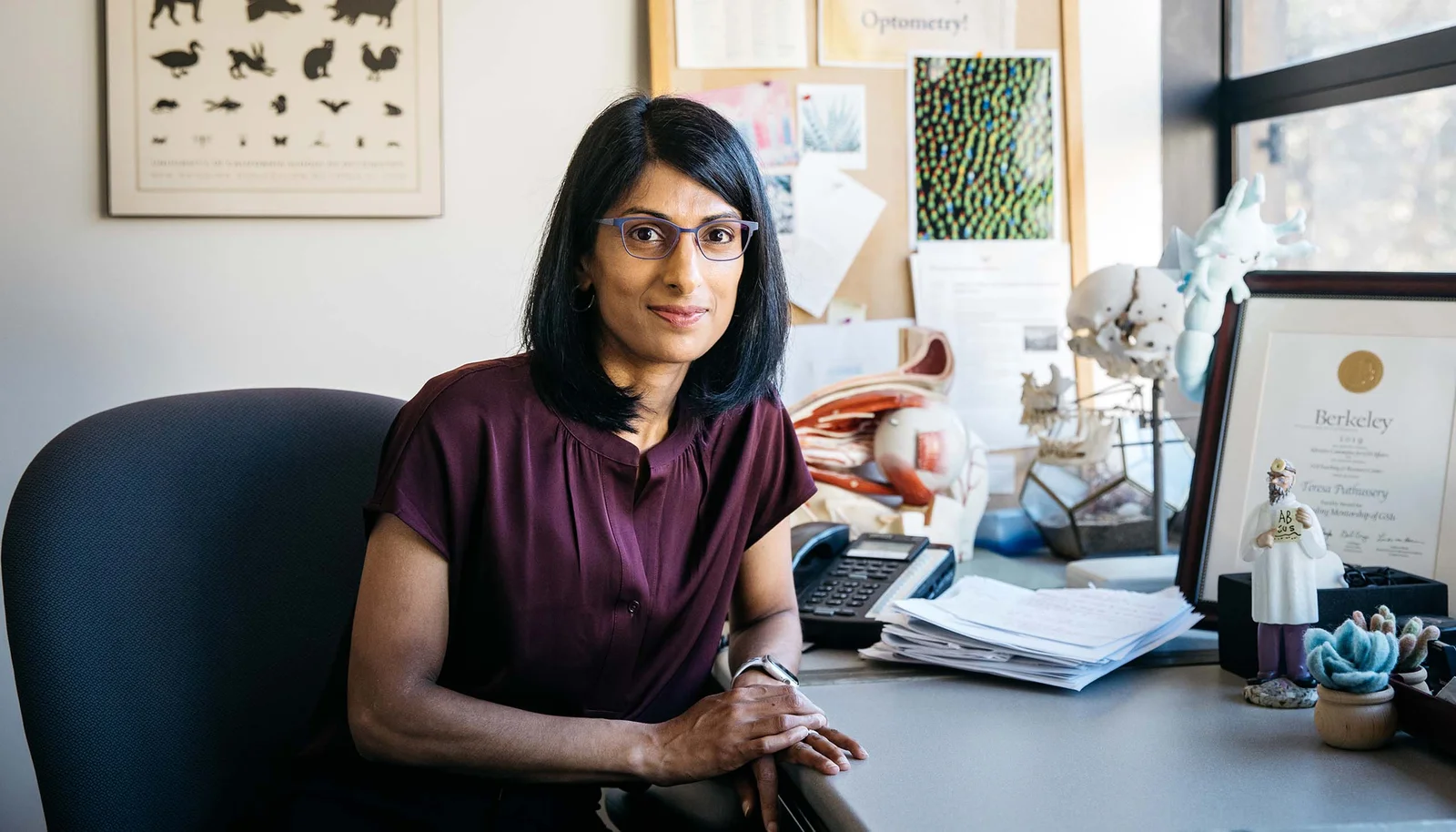
Teresa Puthussery, a UC Berkeley vision scientist, received the 2025 MacArthur 'genius' award for her groundbreaking research on retinal cells, which could lead to new treatments for eye diseases and vision restoration. Her work focuses on understanding how different retinal cells encode visual information and developing innovative therapies for degenerative eye conditions.
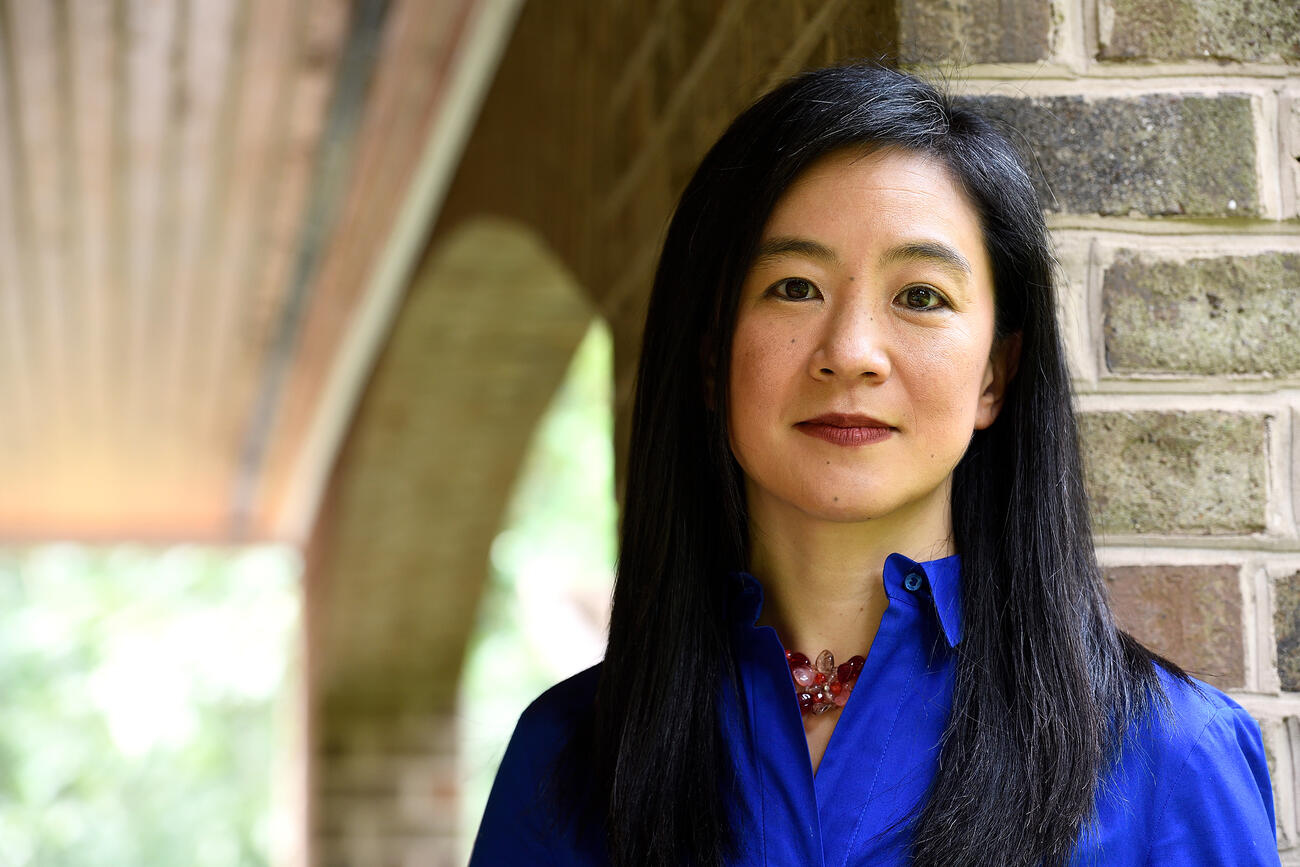
Hahrie Han, a Johns Hopkins political scientist and director of the SNF Agora Institute, received the prestigious 2025 MacArthur Genius Grant for her work on political organizing and democracy, marking her as the first Hopkins faculty member to earn this honor since 2008.
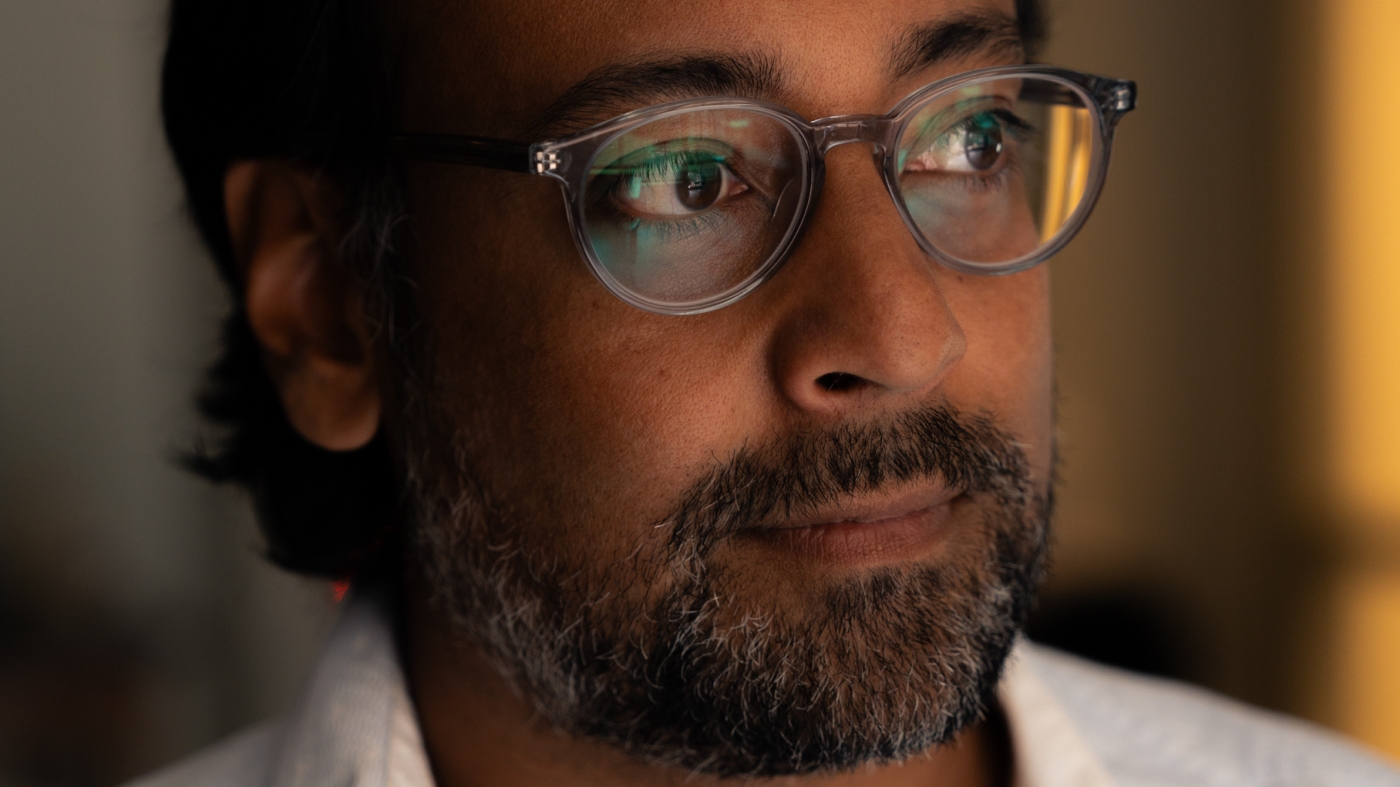
Nabarun Dasgupta, a UNC researcher specializing in street drug supply and overdose data, was awarded the MacArthur 'genius' grant for his work in understanding and reducing the U.S. overdose crisis, including early detection of declining overdose deaths and promoting harm reduction programs. His efforts have contributed to saving tens of thousands of lives, despite ongoing challenges with drug-related fatalities.
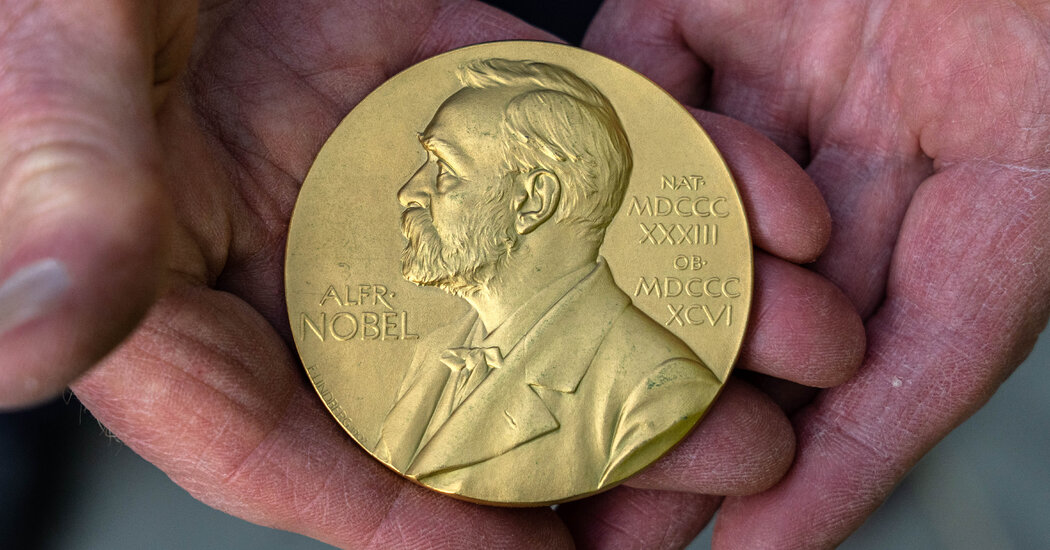
A study conducted by researchers at Stanford University suggests that winning major awards like the Nobel Prize or the MacArthur Fellowship may actually lower a scientist's productivity and impact. The study analyzed publication and citation patterns of Nobel laureates and MacArthur fellows and found that post-award productivity either remained the same or decreased. Older scientists were particularly affected, with declining citations and publication counts after winning the award. However, some argue that productivity cannot be solely measured by papers and citations, as there are other factors that contribute to a scientist's impact.