Tag

Ophthalmology

All articles tagged with #ophthalmology

health1 year ago

Link Found Between Sleep Apnea and Eye Disease Risk

A study by the Centre for Eye Research Australia has found that moderate-to-severe obstructive sleep apnea (OSA), which causes low oxygen levels at night, is linked to an increased risk of developing wet age-related macular degeneration (AMD). The research suggests that nocturnal hypoxia may damage the retina, which requires high oxygen levels at night, potentially making OSA a modifiable risk factor for wet AMD. The study involved 225 participants and indicates that treating OSA could reduce the risk of AMD progression.

health1 year ago

Unseen Eye Symptoms: Early Indicators of Diabetes Risk

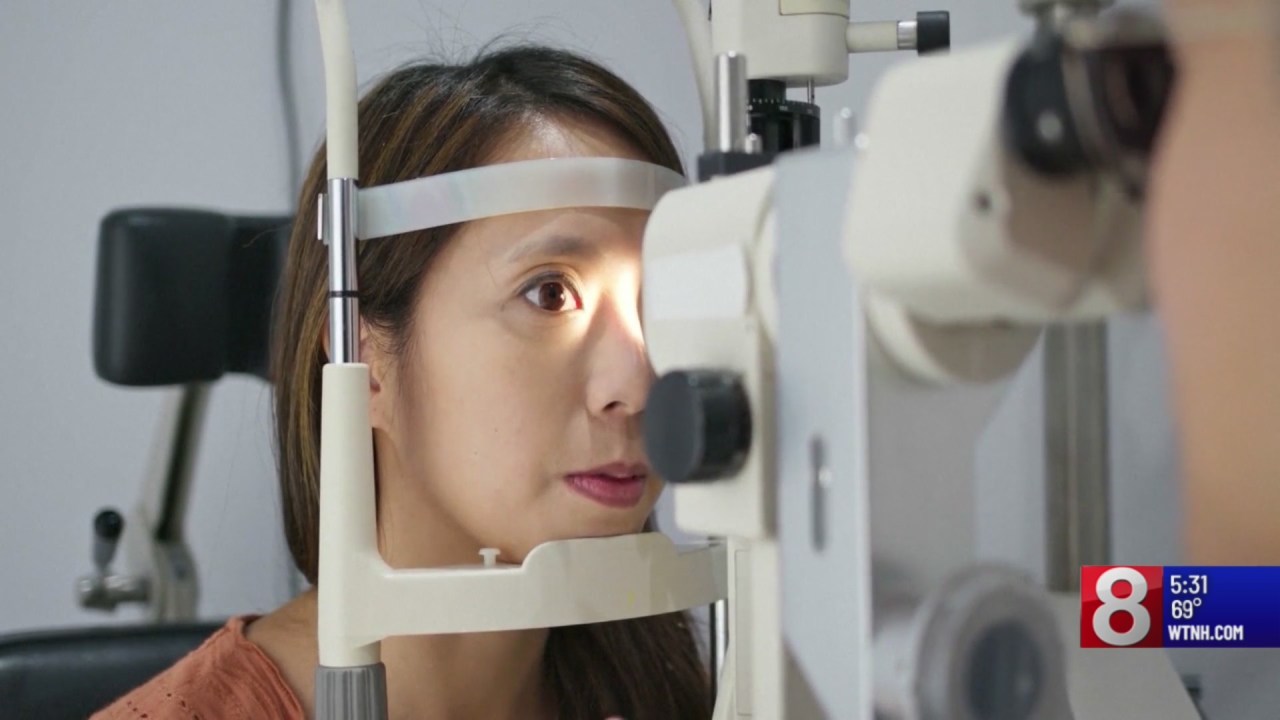
An overlooked symptom of diabetes, diabetic retinopathy, can lead to blindness if untreated, warns ophthalmologist Cindy Cai. This condition, caused by high blood sugar damaging the retina's blood vessels, highlights the importance of regular eye exams and lifestyle changes to manage blood sugar, blood pressure, and cholesterol. Early detection and treatment are crucial to prevent vision loss, especially for those with long-term diabetes, high blood pressure, or high cholesterol.

health1 year ago

Revolutionary Laser Eye Surgery Promises 'Super-Vision' Beyond 20/20

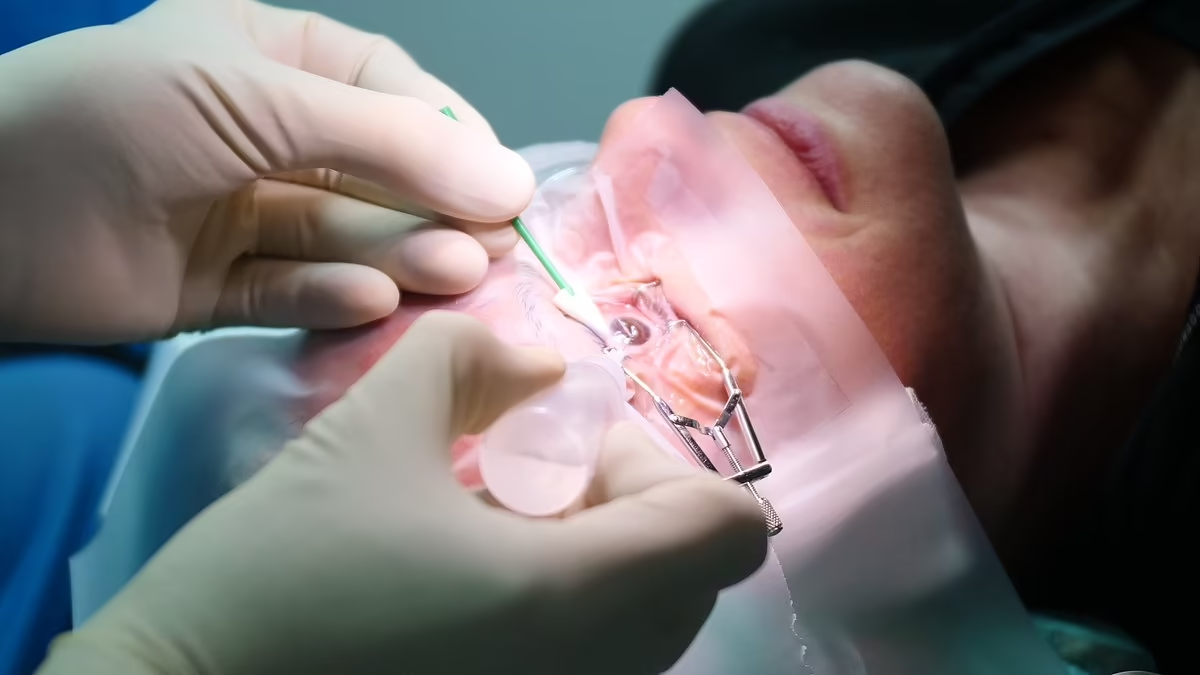
A new personalized laser eye surgery, performed for the first time in the UK, uses 3D digital clones of patients' eyes to achieve 'super-vision' better than 20/20. The technology, called 'Eyevatar', allows surgeons to perfect the procedure virtually before actual surgery, resulting in improved vision outcomes. Trials show a 100% success rate for achieving 20/20 vision, with some patients reaching 20/12.5 or even 20/10 vision. This innovative approach could become the standard for corrective eye surgery, offering enhanced night vision and reducing the need for glasses.

health1 year ago

"COVID-19 Linked to Potential Vision Damage, Study Reveals"

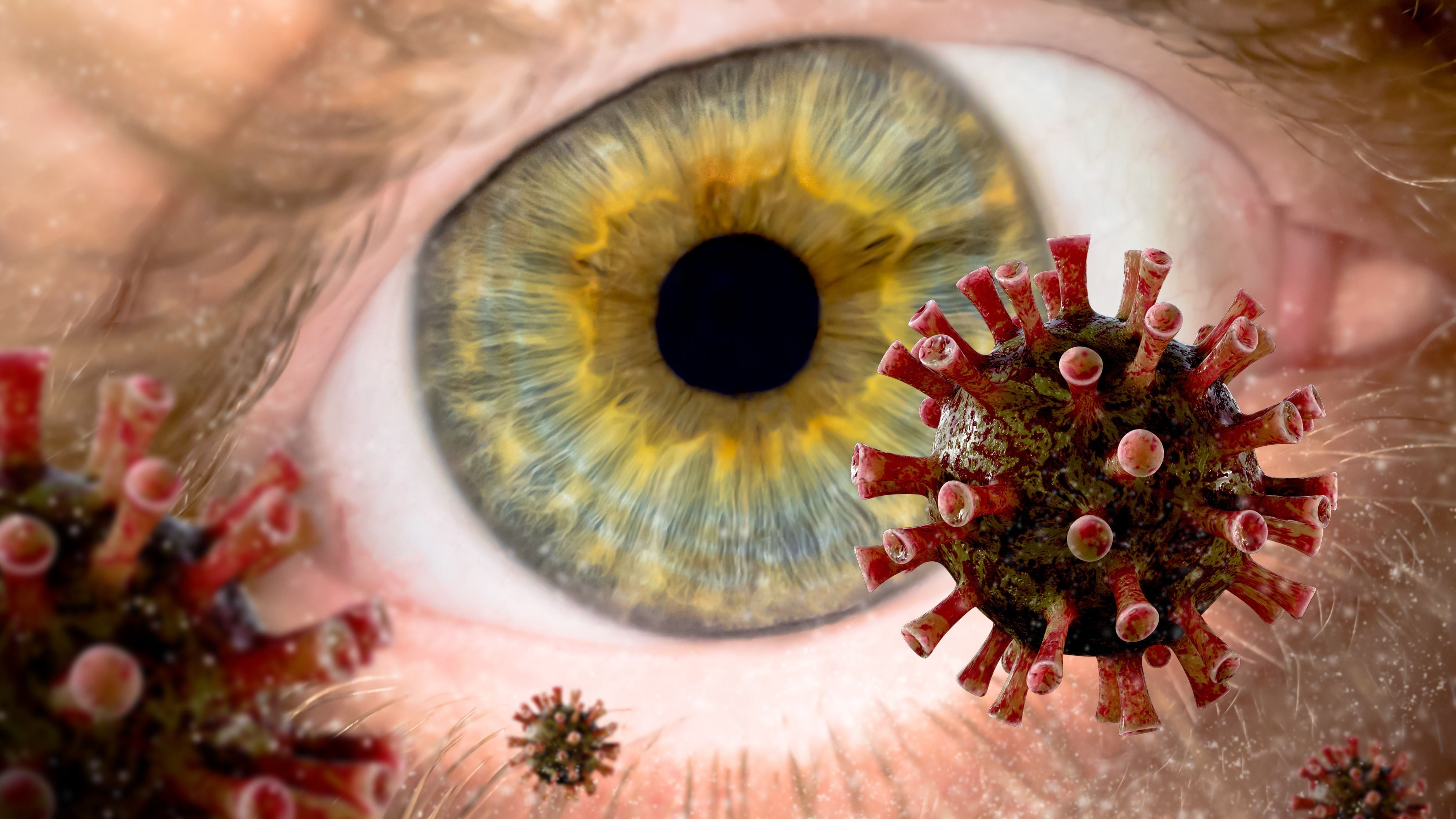
A study published in PLOS Pathogens reveals that COVID-19 can infect the retina and cause significant eye damage, even if the virus does not enter through the eyes. Researchers at the University of Missouri found that the virus can breach the blood-retinal barrier, inducing a hyperinflammatory response and causing cell death. This discovery highlights the potential long-term visual complications of COVID-19, especially for immunocompromised individuals or those with pre-existing conditions like hypertension or diabetes. The study emphasizes the need for further research and monitoring of retinal health in COVID-19 patients.

business1 year ago

Merck Eyes $3B Acquisition of EyeBio for Ophthalmology Expansion

Merck is set to acquire EyeBio, an ophthalmology-focused biotech company, for up to $3 billion, including an upfront payment of $1.3 billion and potential milestone payments. The acquisition includes EyeBio's lead candidate, Restoret™, which targets diabetic macular edema and neovascular age-related macular degeneration, and is expected to enter pivotal trials in late 2024. This move aims to expand Merck's pipeline and presence in ophthalmology.

health1 year ago

"Warning: Eye Pain and Eclipse Glasses Recall After Solar Eclipse"

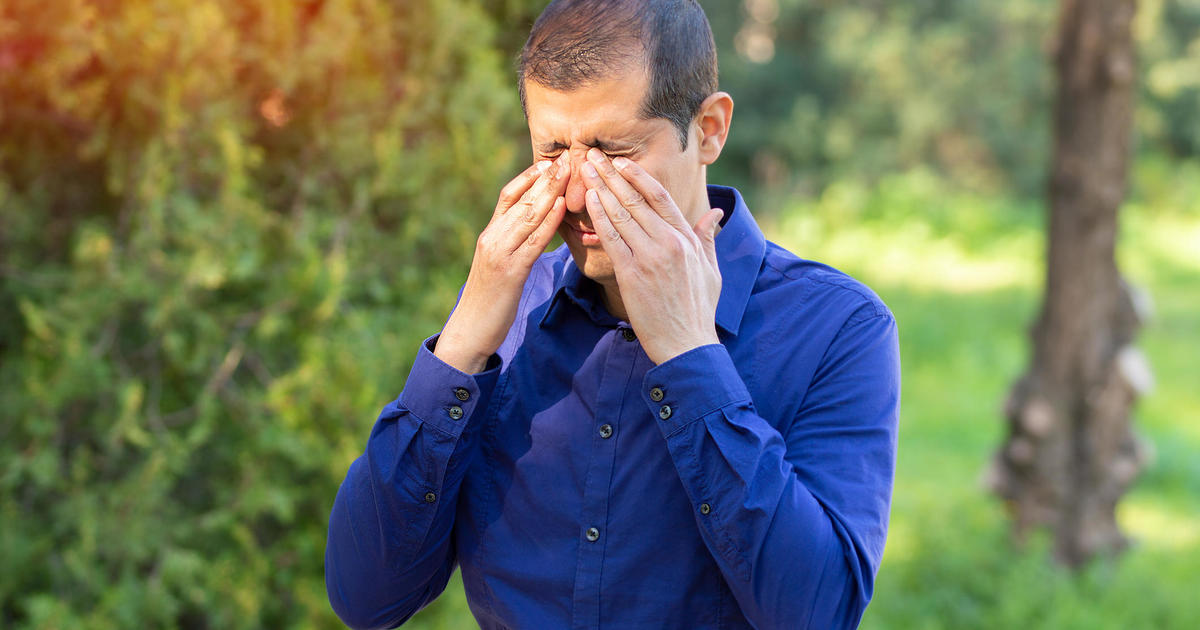
Dr. Vincente Diaz, Chief of Ophthalmology at Yale New Haven Hospital, warns of an increase in patients experiencing eye pain after Monday's solar eclipse, with three cases already attended to and more expected. Symptoms can range from mild discomfort to potential permanent vision loss, particularly affecting younger individuals who have less natural eye protection. Dr. Diaz advises those with symptoms such as red eyes, soreness, or vision loss to seek medical attention as symptoms may take days to appear.

health1 year ago

"Preparing for the Next Total Solar Eclipse: Tips to Avoid Post-Eclipse Headaches"

Ophthalmologists advise that unless you stared directly at the sun for an extended period during the recent solar eclipse, any resulting headaches or eye discomfort are likely due to regular eye strain. However, prolonged direct sun exposure can cause solar retinopathy, leading to blind or blurry spots in vision. While recovery is possible, permanent damage may occur, so it's important to seek medical attention if experiencing symptoms.

health1 year ago

"Understanding Solar Eclipse Eye Damage: Symptoms and Prevention"

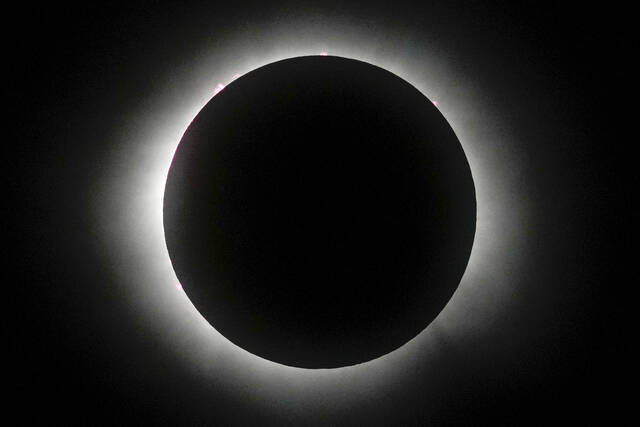
Looking at a solar eclipse, even for a short period without protection, can cause eye damage due to solar ultraviolet rays and infrared radiation. Signs of eye damage include headaches, blurred vision, dark spots, color changes, and distorted lines, which may not be immediately apparent. If experiencing symptoms, it's important to seek an ophthalmologist's advice as there is no specific treatment for solar retinopathy. Prevention through wearing protective glasses is crucial, as any amount of time looking at the eclipse without protection is considered too long.

health1 year ago

"Staying Safe: Understanding the Dangers of Watching a Solar Eclipse Without Proper Eye Protection"

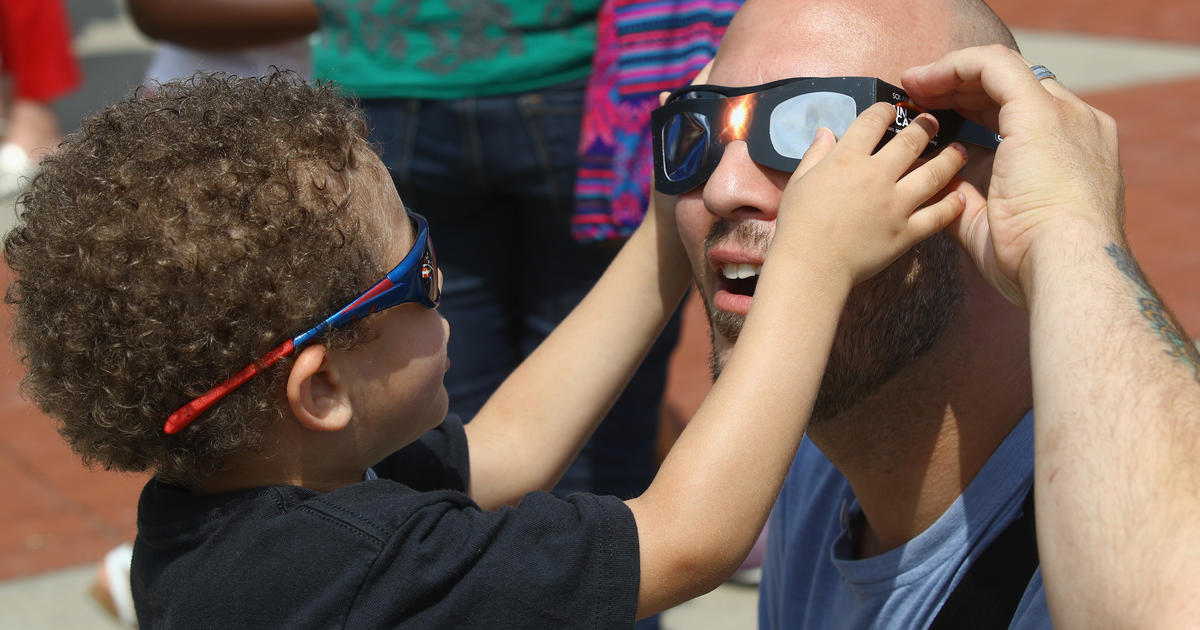
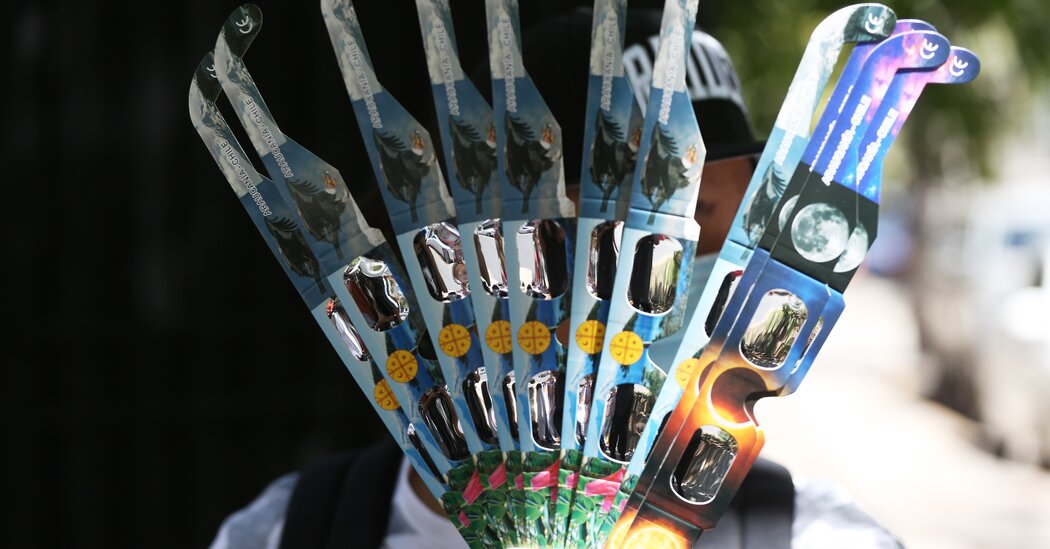
Looking directly at a solar eclipse, even when it's partially covered, can cause serious eye damage due to solar ultraviolet rays and infrared radiation. Special eclipse glasses that comply with safety standards are necessary for safe viewing, as regular sunglasses or makeshift solutions are not sufficient. Children and adults alike should take precautions to protect their eyes, as damage from viewing an eclipse without proper protection can be permanent. Symptoms of eye damage include headaches, blurred vision, and changes in color perception, and there is currently no treatment for solar retinopathy.

health1 year ago

"The Truth About Cataract Surgery: Expert Insights"

Cataract surgery is a common and successful procedure, with over 90% of patients achieving 20/20 vision with glasses after surgery. Complications are rare, with a less than 0.1% rate of post-surgery infection. The surgery involves removing the clouded lens and replacing it with a clear one, and patients usually go home the same day. Advanced technology intraocular lenses offer multifocality, but determining the ideal candidate for these lenses is an area of active research.

health1 year ago

"Safe Viewing: Protecting Your Eyes During a Total Solar Eclipse"

Ophthalmologists warn of the dangers of looking at the sun during a solar eclipse without proper eye protection, citing a case where a woman suffered permanent retinal burns in the shape of the sun's corona after viewing the 2017 eclipse. They advise that even brief glances at the sun can cause damage in less than a minute, emphasizing the importance of using proper precautions to avoid long-term eye injuries.

health1 year ago

"Why Do My Eyes Get Bloodshot Frequently? Ask a Doctor"

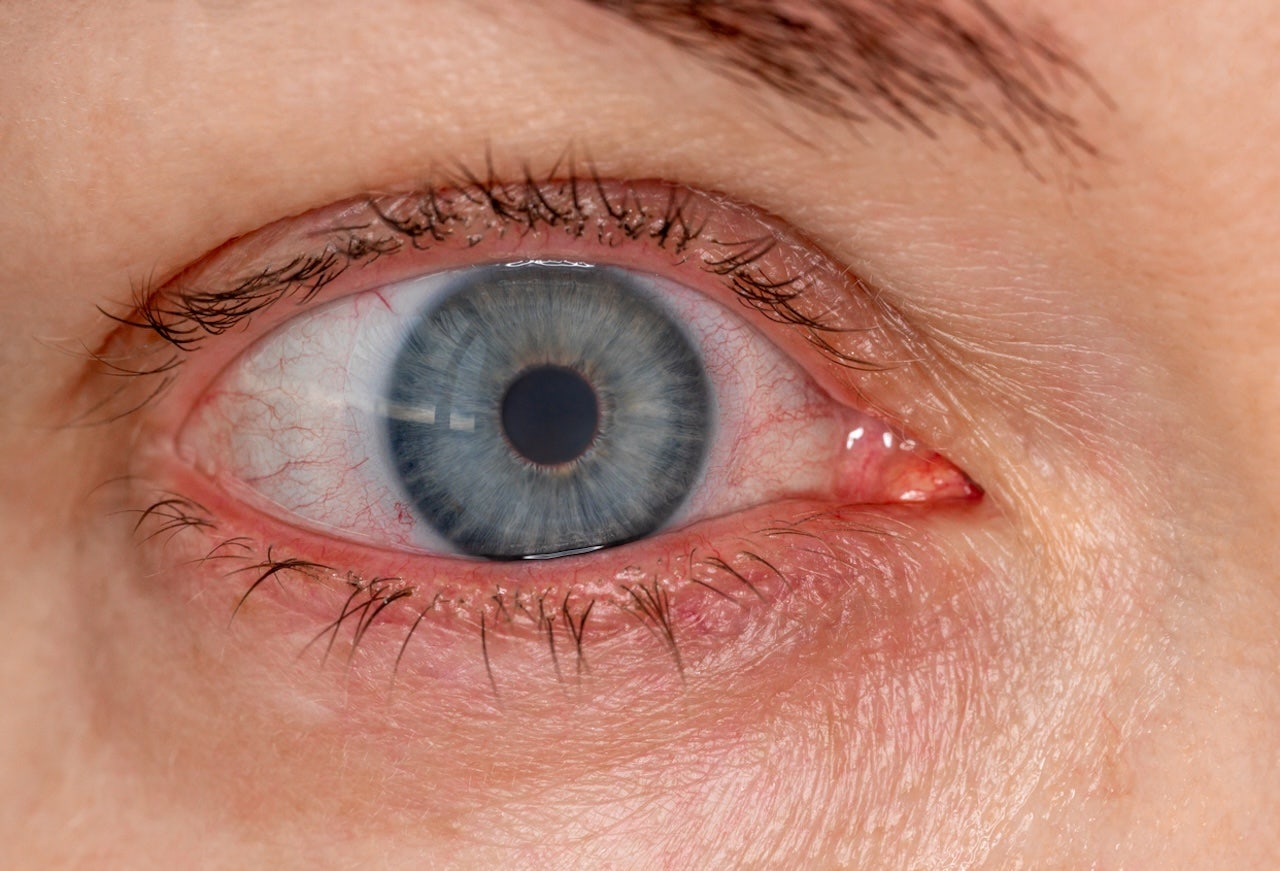
Bloodshot eyes can be caused by various factors such as allergies, dry eyes, tiredness, contact lenses, and eye infections. Ophthalmologists recommend using over-the-counter artificial tears and antihistamine drops, avoiding decongestant drops, and applying cool compresses to relieve redness. If symptoms persist after a week of home remedies, it's advisable to consult an ophthalmologist for diagnosis and treatment, as more serious conditions like ocular inflammation or eye infections may be present. Regular eye exams are also recommended to catch any signs of eye disease early on.

science-and-technology1 year ago

"Expert Tips for Safe and Unique Solar Eclipse Viewing"

Dr. Andrew Reynolds, a clinical associate professor of ophthalmology at the University at Buffalo, emphasizes the dangers of looking at the sun and provides guidance for safely viewing the upcoming solar eclipse. He warns that even small amounts of direct exposure to the sun can lead to permanent vision loss and advises against looking at the sun without special glasses. Reynolds also discusses how visually impaired individuals can experience the eclipse safely and highlights scientific advancements, such as the development of devices and apps, to make astronomy more accessible to the low-vision community.

healthtech1 year ago

"Spiral-Shaped Lenses: A Game-Changer in Eyewear Technology"

Ophthalmologists have developed a spiral-shaped contact lens, known as the spiral diopter, that maintains clear focus at different distances and in varying light conditions, potentially revolutionizing ophthalmology. The lens, inspired by severe corneal deformations, creates an optical vortex that allows for multiple clear focus points, simplifying the process of creating optical vortices and marking a significant advancement in optics. The lens could benefit contact lens technologies, cataract implants, and compact imaging systems, offering a powerful tool for depth perception in advanced imaging applications.