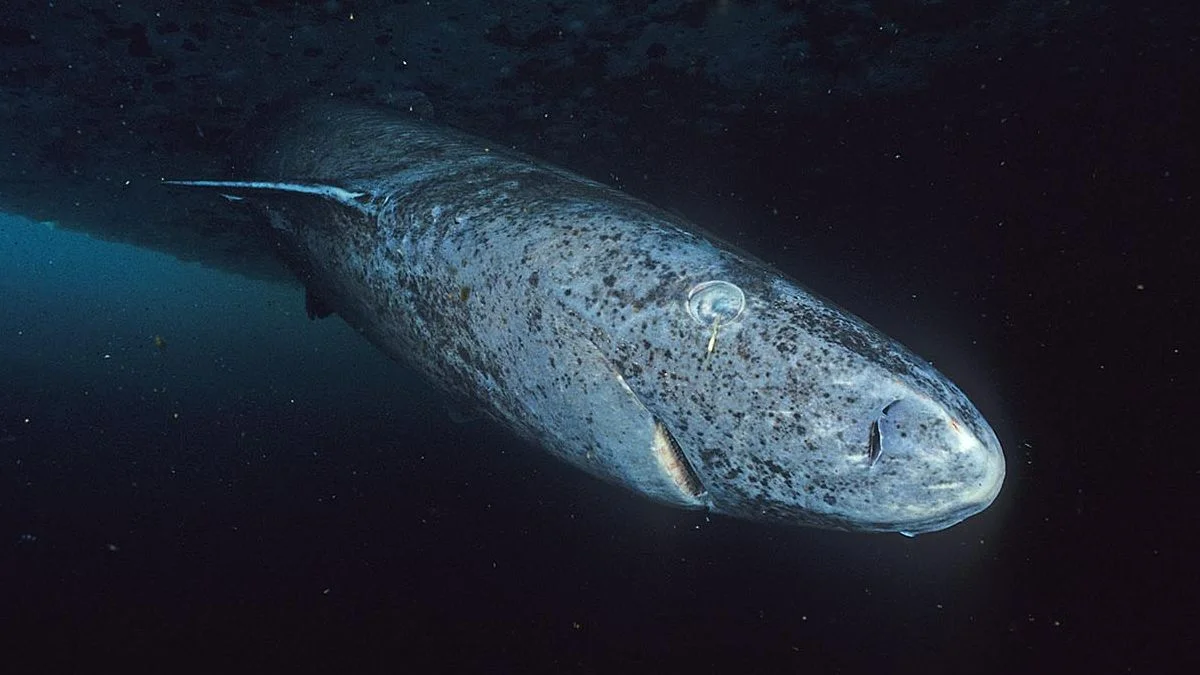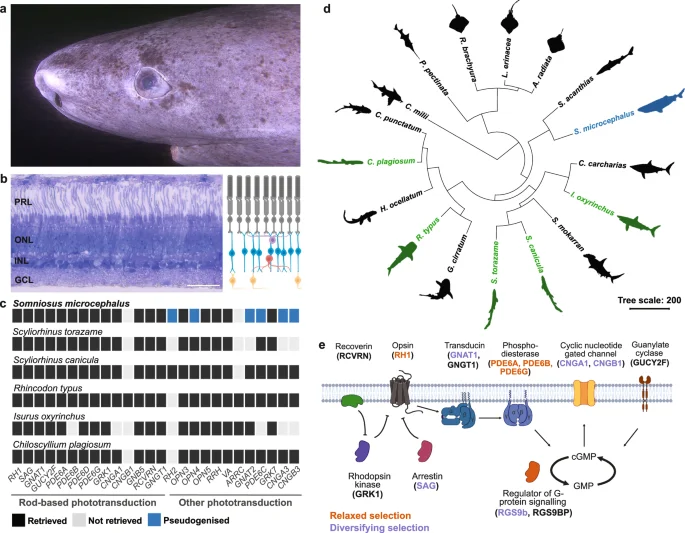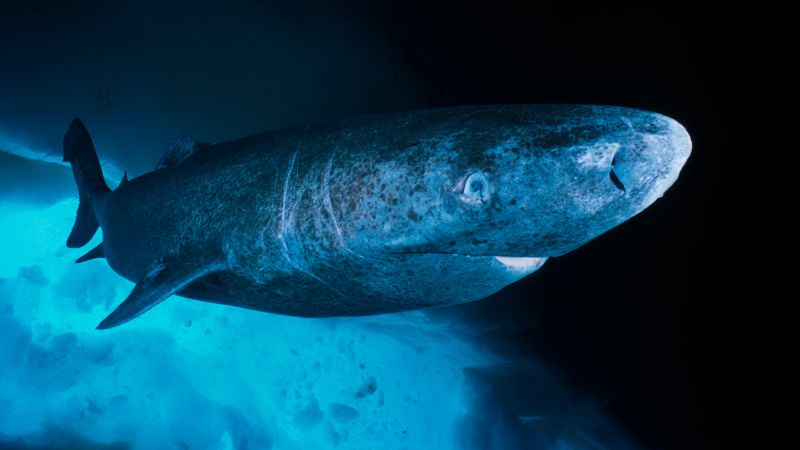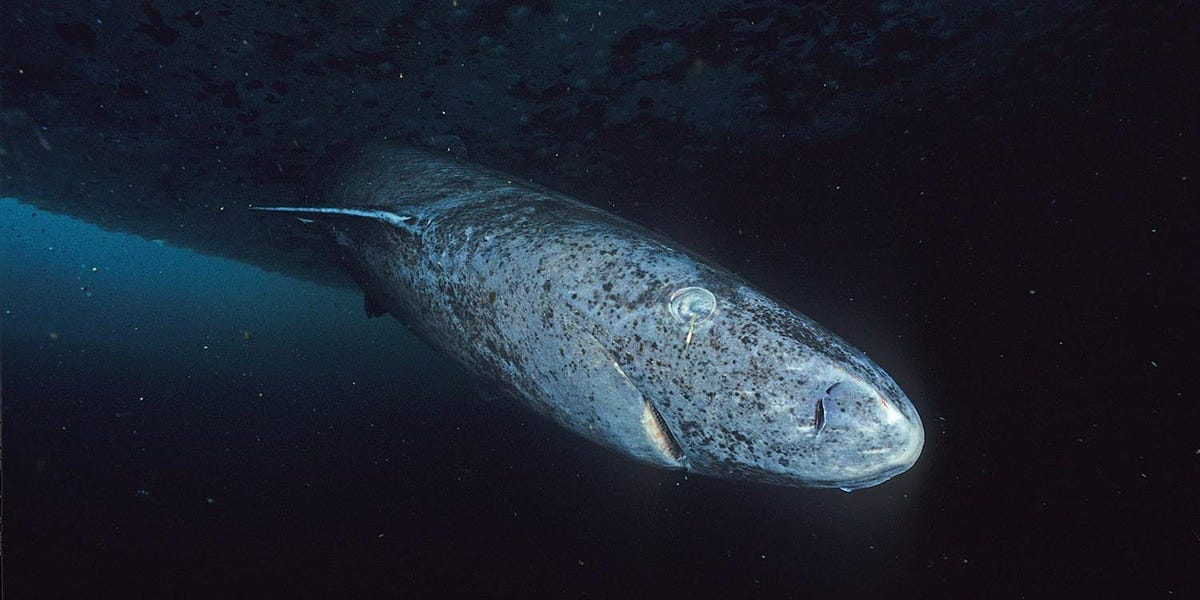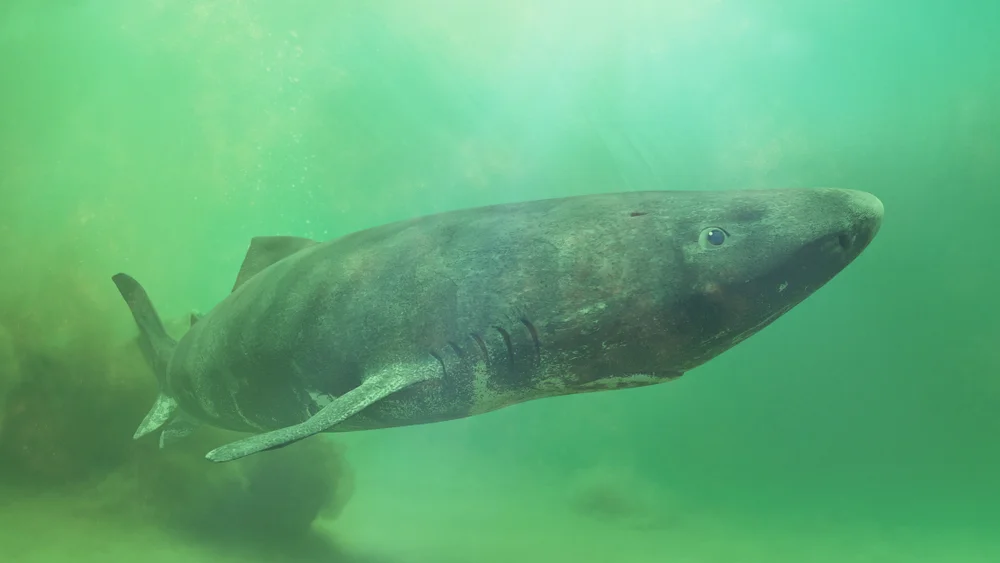
The Greenland shark, the longest-living vertebrate with an estimated lifespan of up to 400 years, retains a functional rod-based visual system adapted for deep-sea, low-light environments, supported by genomic, histological, and spectrophotometric evidence, despite parasitism and extreme longevity.
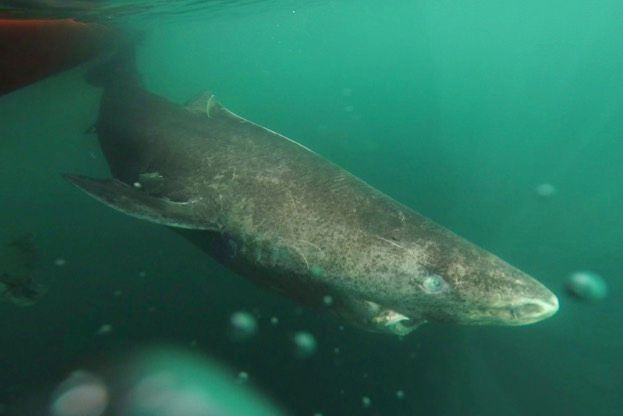
Greenland sharks are among the longest-living vertebrates, with an estimated lifespan of at least 272 years and some reaching up to 400 years, based on radiocarbon dating of their eye lenses, making them the oldest known vertebrate animals.
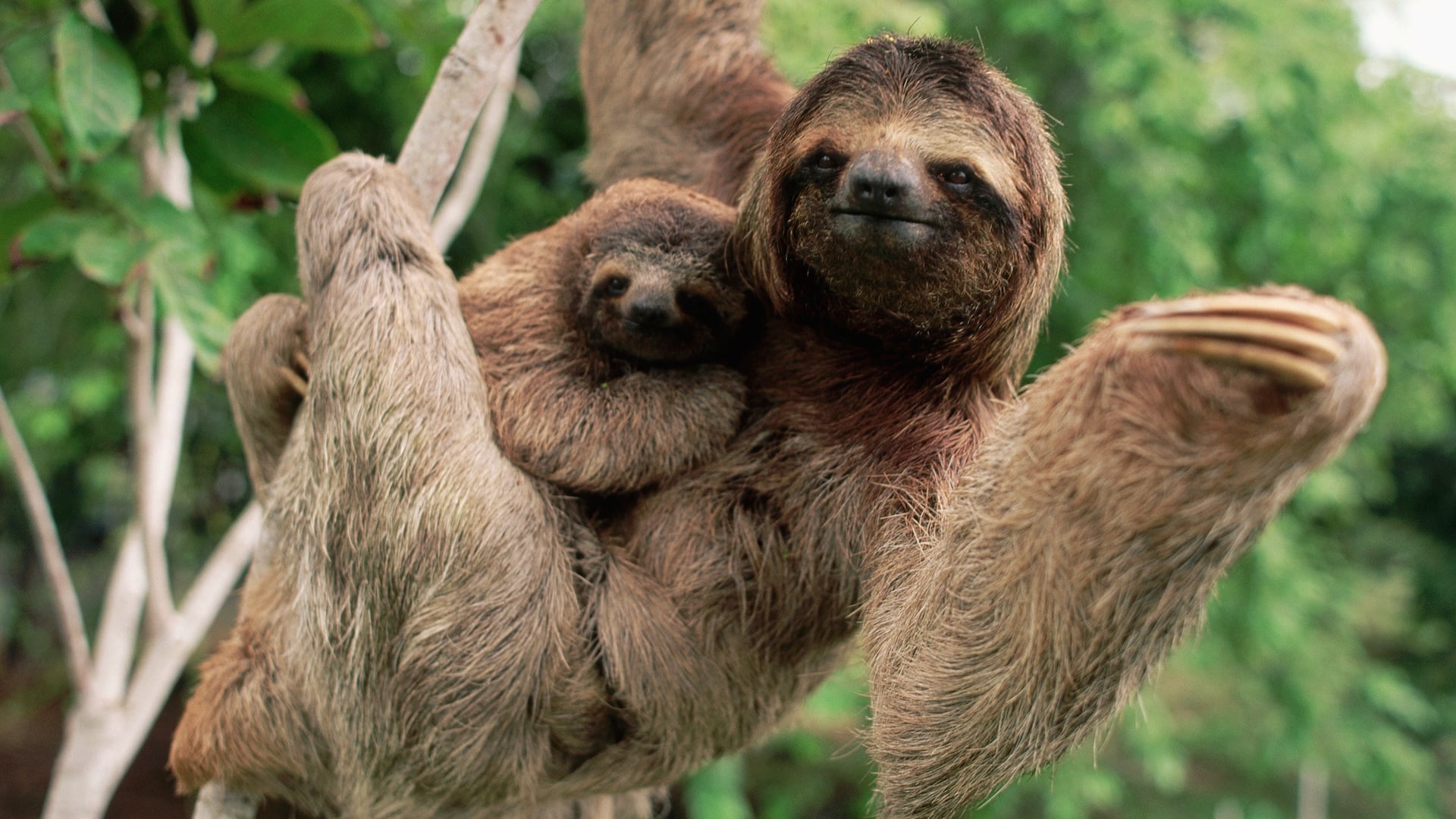
The world's slowest animals include the three-toed sloth, sea anemone, dwarf seahorse, and Greenland shark, with sloths often considered the slowest due to their extremely low movement speeds and slow metabolism, which are adaptations for their survival strategy.
Scientists have mapped the genome of the Greenland shark, a species known for its extraordinary longevity, with some individuals living up to 400 years. This research, which sequenced about 92% of the shark's DNA, aims to uncover the genetic mechanisms behind its long lifespan. The study suggests that the shark's large genome, rich in jumping genes, may contribute to its ability to repair DNA, a trait linked to longevity. Understanding these mechanisms could provide insights into extending human lifespans and improving DNA repair.
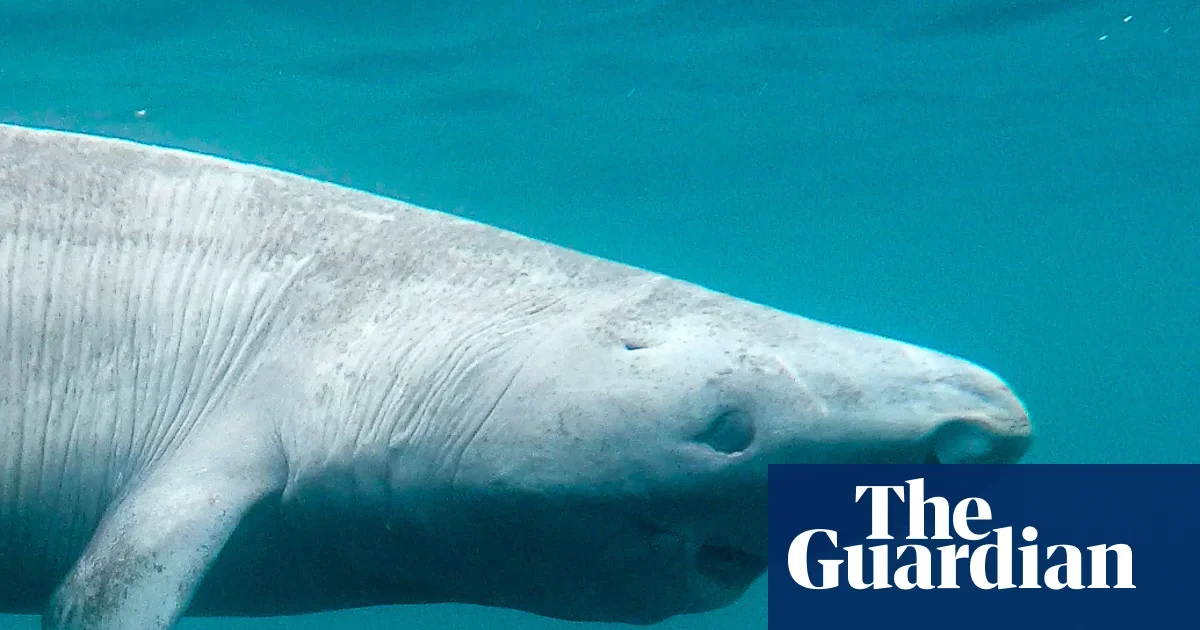
Biologists conducting a marine study in Belize were surprised to find a Greenland shark, a species typically found in the Arctic, swimming in the Caribbean Sea. The Greenland shark, known for its exceptionally long lifespan of 250-500 years, was discovered thousands of miles away from its natural habitat. The researchers initially mistook it for a sixgill shark, but upon closer examination, confirmed its identity. The discovery raises questions about whether this particular shark migrated from the Arctic or spent most of its life in the Caribbean's deep waters. It also highlights the mysterious nature of these sharks, which live in pitch darkness and are rarely seen or photographed.
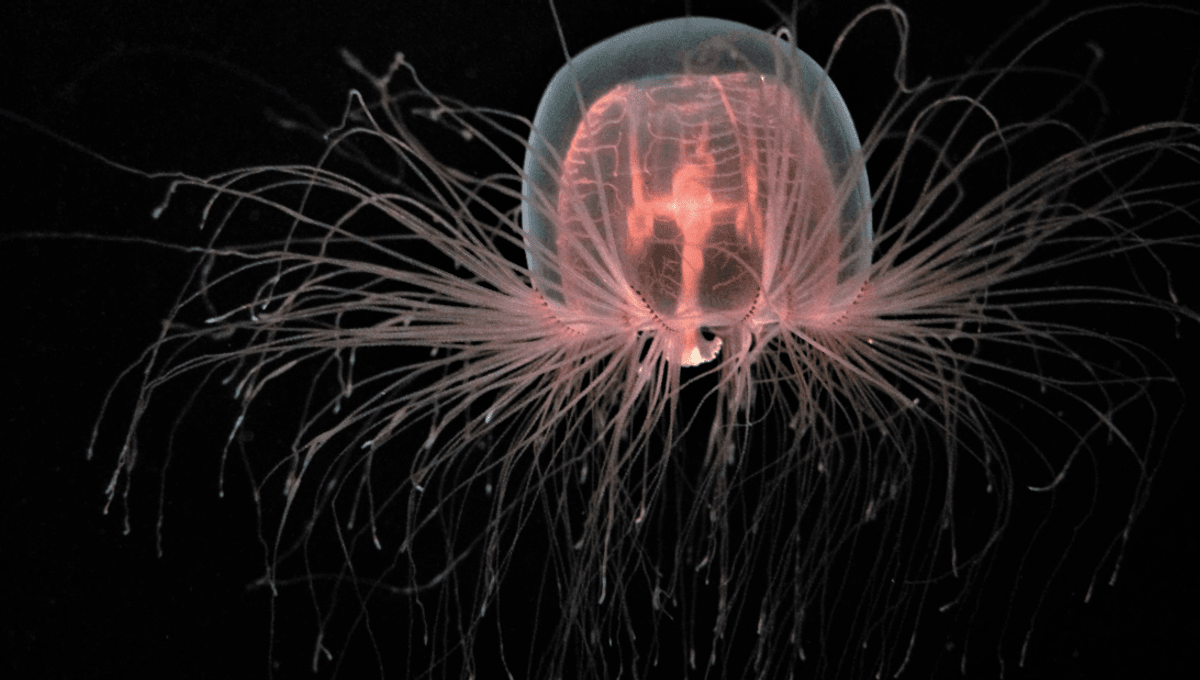
The ocean quahog, a clam species, holds the record for the longest-living animal on Earth, with the oldest recorded individual reaching 507 years old. Other long-lived creatures include sponges, which can live for over 2,300 years, and the immortal jellyfish, which has the ability to regenerate and is considered "biologically immortal." The Greenland shark, known for its extreme longevity, can live for around 400 years. Bowhead whales have adapted to live longer by slowing cell division, but this has resulted in smaller testicles and reduced fertility. The oldest known terrestrial animal is Jonathan, a Seychelles giant tortoise, who is currently 190 years old.