Tag

Eye Disease

All articles tagged with #eye disease

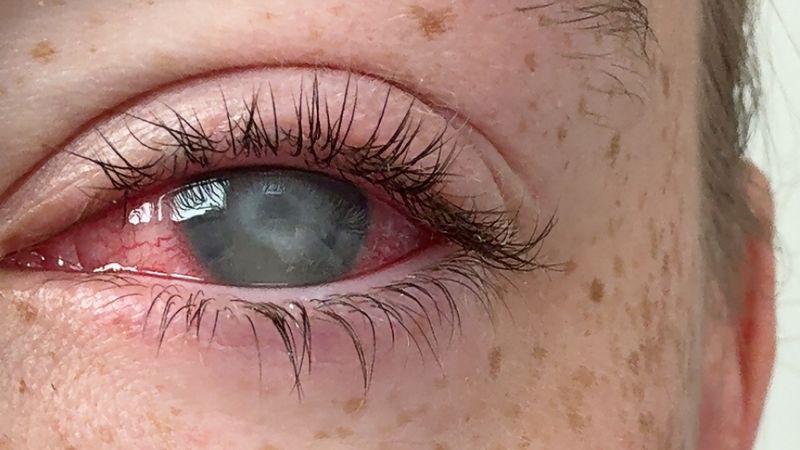
Preventing a Rare Parasitic Eye Disease in Contact Lens Users

Originally Published 1 day ago — by CNN

Featured image for Preventing a Rare Parasitic Eye Disease in Contact Lens Users
Source: CNN

Acanthamoeba keratitis is a rare but serious eye infection primarily affecting contact lens wearers, caused by a parasite found in water and soil, which can lead to permanent vision loss if not diagnosed and treated early. Proper lens hygiene, avoiding water contact, and prompt medical attention are crucial for prevention and management.
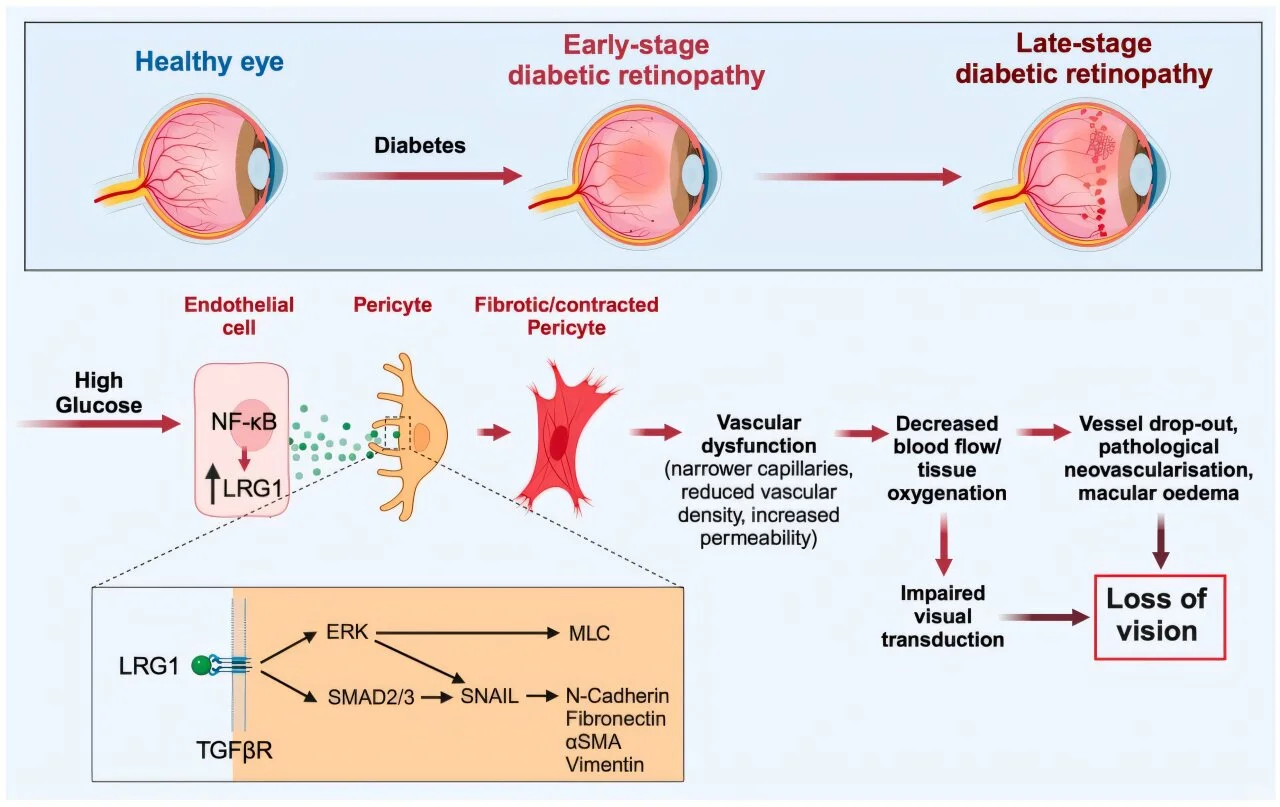

New Insights into Early Detection and Impact of Diabetes on Eye Health

Originally Published 2 months ago — by Medical Xpress

Featured image for New Insights into Early Detection and Impact of Diabetes on Eye Health
Source: Medical Xpress

UCL scientists have identified the protein LRG1 as a key early trigger of diabetic retinopathy, suggesting that targeting this protein could prevent vision loss in people with diabetes before irreversible damage occurs. A drug targeting LRG1 is already in pre-clinical development, offering hope for more effective early intervention compared to current treatments.

Vision Scientist Teresa Puthussery Awarded MacArthur Genius Grant

Originally Published 3 months ago — by Berkeley News

Featured image for Vision Scientist Teresa Puthussery Awarded MacArthur Genius Grant
Source: Berkeley News

Teresa Puthussery, a UC Berkeley vision scientist, received the 2025 MacArthur 'genius' award for her groundbreaking research on retinal cells, which could lead to new treatments for eye diseases and vision restoration. Her work focuses on understanding how different retinal cells encode visual information and developing innovative therapies for degenerative eye conditions.

GLP-1 Drugs May Increase Risk of Serious Eye Disease in Diabetics

Originally Published 7 months ago — by statnews.com

Featured image for GLP-1 Drugs May Increase Risk of Serious Eye Disease in Diabetics
Source: statnews.com

A new observational study suggests that GLP-1 drugs, used for diabetes and weight management, may be linked to a doubled risk of developing a serious eye condition called neovascular age-related macular degeneration, which can lead to blindness, especially in older adults. While the absolute risk remains low, the findings raise concerns about eye health and highlight the need for further research and monitoring for patients on these medications.

Eye Clock: A Revolutionary Tool to Assess Disease Risk Based on Age

Originally Published 2 years ago — by ScienceAlert

Featured image for Eye Clock: A Revolutionary Tool to Assess Disease Risk Based on Age
Source: ScienceAlert

Scientists from Stanford University have developed a new tool for determining the age of eye cells without the need for tissue sampling, potentially leading to more personalized and targeted treatments for eye diseases. By analyzing eye fluid, an artificial intelligence system was trained to predict a person's age based on the proteins detected in the fluid. The researchers also identified specific proteins linked to eye aging and found that certain eye diseases could accelerate cell aging. This new approach could provide valuable biomarkers for treating and preventing diseases in various parts of the body, not just the eyes.

Boosting Vision in Preterm Babies with Omega Fatty Acids

Originally Published 2 years ago — by Neuroscience News

Featured image for Boosting Vision in Preterm Babies with Omega Fatty Acids
Source: Neuroscience News

A study conducted in Sweden involving 178 extremely preterm babies found that those given a combination of omega-3 and omega-6 fatty acid supplements showed improved visual function by age two and a half. The supplement not only reduced the risk of a sight-threatening eye disease but also appeared to enhance the brain's ability to interpret visual stimuli. These findings could influence new guidelines for neonatal care regarding the administration of fatty acid supplements to extremely preterm babies.

FDA Approves Higher Dose of Eylea for Eye Disease Treatment

Originally Published 2 years ago — by Reuters

Featured image for FDA Approves Higher Dose of Eylea for Eye Disease Treatment
Source: Reuters

The U.S. Food and Drug Administration (FDA) has approved a higher dose version of Regeneron Pharmaceuticals' drug Eylea for the treatment of wet age-related macular degeneration (AMD), diabetic macular edema (DME), and diabetic retinopathy (DR). The higher dose, known as Eylea HD, is priced at $2,625 per single-use vial in the U.S. and has been shown to be as effective as the lower dose version in late-stage trials. The FDA had previously declined to approve the higher dose version due to outstanding questions regarding a third-party manufacturer, but those issues have now been addressed.

Apellis Eye Drug Safety Review Reveals Link to Rare Blindness Cases

Originally Published 2 years ago — by STAT

Featured image for Apellis Eye Drug Safety Review Reveals Link to Rare Blindness Cases
Source: STAT

Five elderly patients have experienced blindness in one eye after receiving injections of Apellis Pharmaceuticals' newly approved eye disease treatment, Syfovre. The cause of this severe side effect, a type of eye inflammation, is still unknown. Apellis conducted its own internal review, finding fewer cases of the severe eye inflammation, but maintains that the rate of occurrence remains very rare and there is no evidence linking the drug or its manufacturing to the side effect.

Henry Winkler on How 'The Fonz' Would React to His 'Barry' Character

Originally Published 2 years ago — by Yahoo Entertainment

Featured image for Henry Winkler on How 'The Fonz' Would React to His 'Barry' Character
Source: Yahoo Entertainment

Henry Winkler, known for his roles in Happy Days, Arrested Development, and HBO's Barry, is partnering with Apellis to raise awareness about geographic atrophy, an advanced form of macular degeneration. He shares his family's experience with the disease and encourages older adults to have their eyes checked. Winkler also discusses his new memoir, Being Henry ... The Fonz and Beyond, and his thoughts on his Barry character, Gene Cousineau. The fourth and final season of Barry premiered on Sunday, and Winkler reflects on the end of the show and his past experiences with Happy Days and Arrested Development.