Tag

Refrigeration

All articles tagged with #refrigeration

health-and-wellness1 year ago

"Top 5 Supplements to Store in Your Fridge, Say Dietitians"

Certain supplements, including fish oil, probiotics, liquid iron, flaxseed oil, and vitamin C, should be stored in the refrigerator to maintain their potency and effectiveness. Refrigeration helps protect these supplements from heat, light, and air, which can degrade their quality. Always check the label for specific storage recommendations to ensure maximum benefits.

technology1 year ago

"Breakthrough Fridge Design Accelerates Quantum Computing"

Scientists at the National Institute of Standards and Technology (NIST) have developed a new prototype refrigerator that can achieve temperatures close to absolute zero much more quickly and efficiently than current models. This breakthrough could significantly reduce the time and cost associated with quantum computing and other scientific experiments requiring extremely low temperatures. The new design improves the efficiency of pulse tube refrigerators (PTRs) by preventing helium waste, potentially saving 27 million watts of power annually and reducing global energy costs by $30 million. The technology is expected to accelerate advancements in quantum computing and benefit the cryogenics industry.

technology1 year ago

"Breakthrough Fridge Design Accelerates Quantum Computing to Absolute Zero"

Scientists at the National Institute of Standards and Technology (NIST) have developed a new prototype refrigerator that can achieve temperatures close to absolute zero much more quickly and efficiently than current models. This breakthrough could significantly reduce the time and cost associated with quantum computing and other scientific experiments requiring extremely low temperatures. The new design could save 27 million watts of power annually and reduce global energy consumption by $30 million. The technology is expected to benefit both the quantum computing and cryogenics industries.

health-and-safety1 year ago

"Expert Warns: Improper Mayo Storage Linked to Death and Infections"

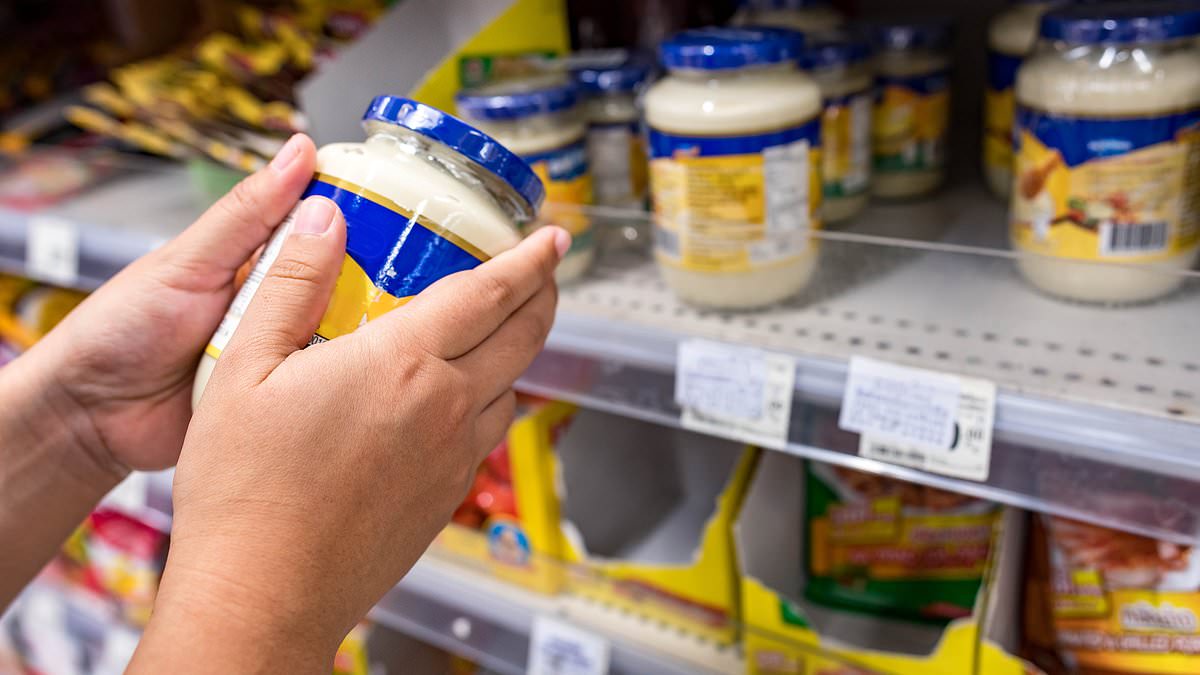
Dr. Darin Detwiler, a food safety expert, warns against storing condiments like mayonnaise, pesto, and barbecue sauce in the pantry due to the risk of botulism, a rare but severe food-borne illness. Following an outbreak in Saudi Arabia linked to contaminated mayonnaise, Detwiler emphasizes the importance of refrigerating these condiments after opening to prevent bacterial growth. He also advises against consuming products from bulging or leaking containers and highlights the symptoms of botulism, urging prompt treatment if they appear.

health-and-science1 year ago

"The Importance of Refrigerating Lettuce: New Research Findings"

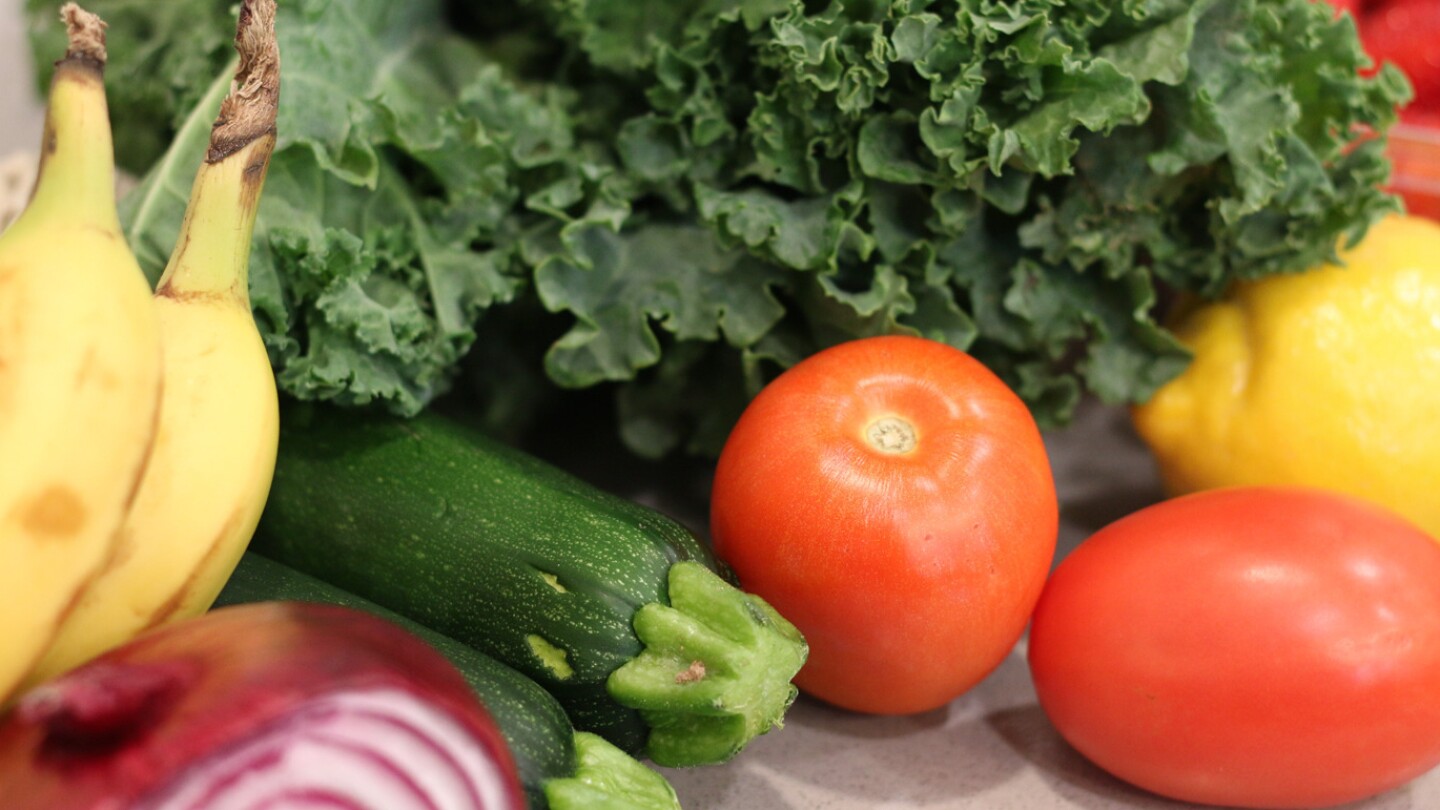
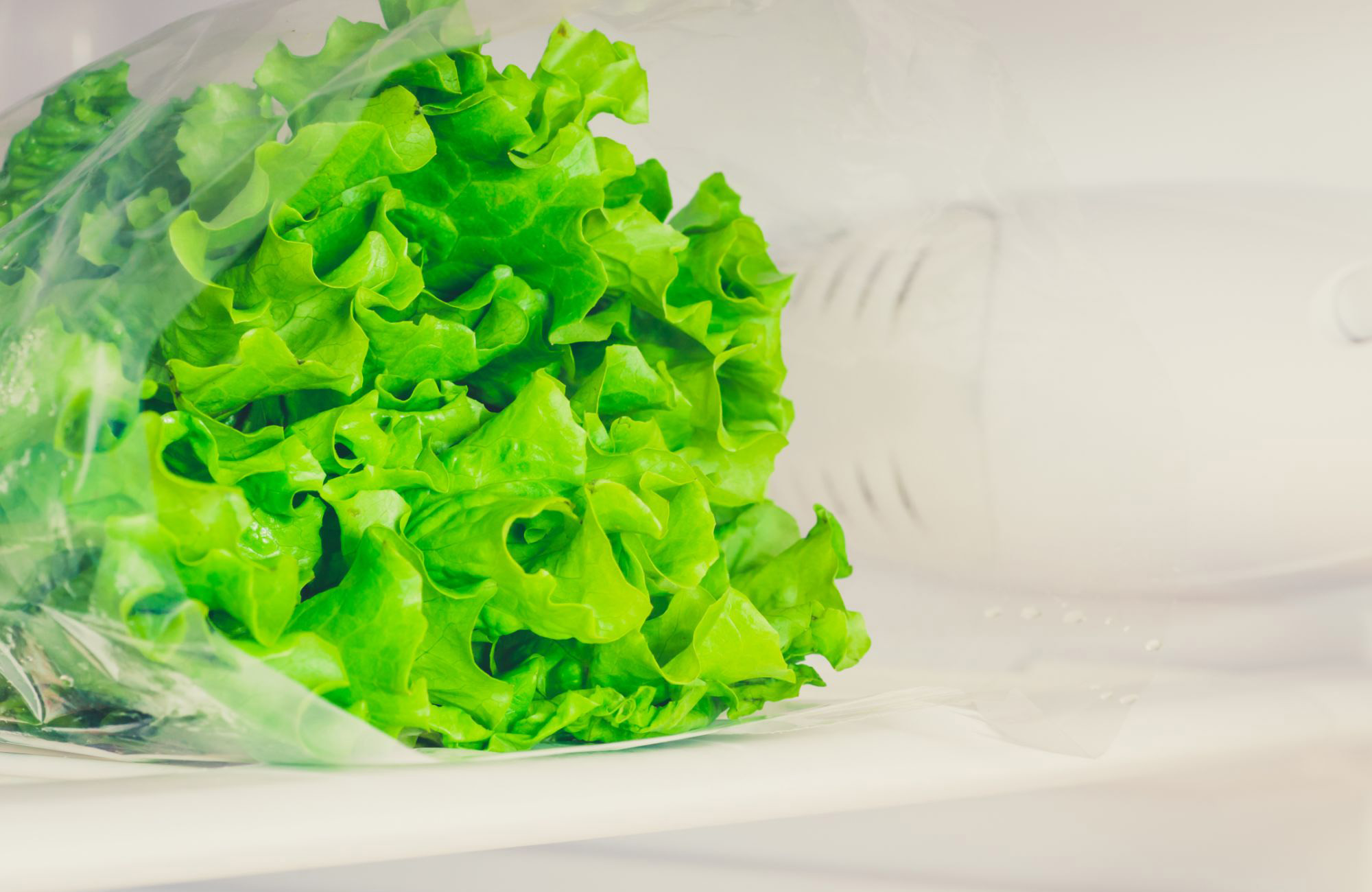
A new study from the University of Illinois Urbana-Champaign explores E. coli contamination in leafy greens, finding that factors like temperature and leaf characteristics affect susceptibility. Lettuce is particularly vulnerable, while kale and collards show promise as less susceptible options due to their natural antimicrobial properties when cooked. The researchers found that refrigerating lettuce at 4°C significantly reduces E. coli population, but rinsing may not remove all bacteria due to their tight attachment to the leaf. Potential applications of the findings include using kale and collard juice as a natural antimicrobial agent to control foodborne pathogen contaminations. The researchers emphasize the importance of following food safety guidelines and paying attention to food safety recalls while still encouraging the consumption of fresh fruits and vegetables as part of a healthy diet.

food-and-cooking2 years ago

The Truth Revealed: How Long Can Butter Stay at Room Temperature?

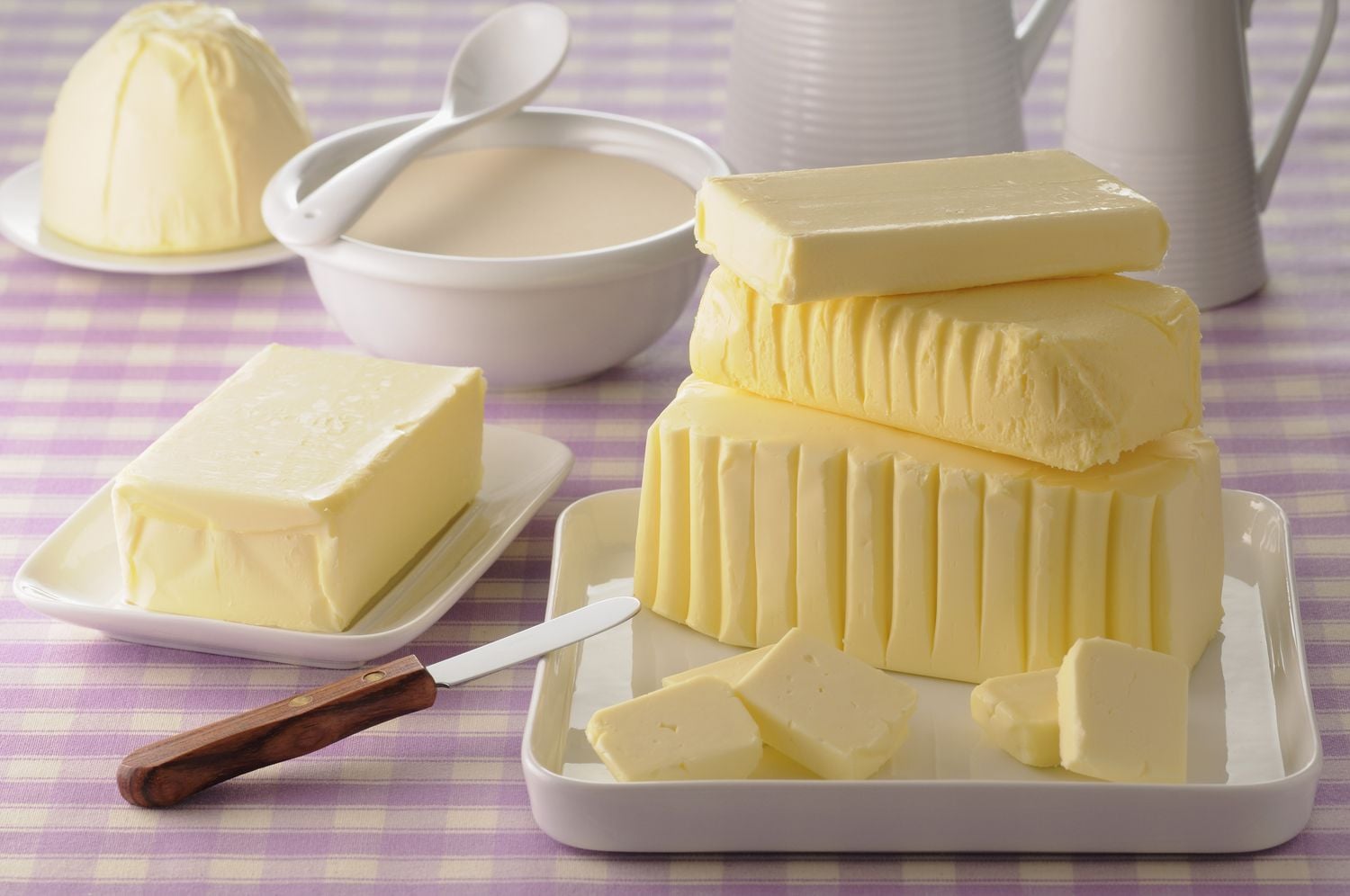
Land O'Lakes settles the debate on whether butter can be left out on the counter. While butter is safe to consume at room temperature, leaving it out for too long can cause it to go bad and become rancid, affecting its flavor. Land O'Lakes recommends following the "Keep Refrigerated" instructions on the label but suggests taking butter out of the fridge for 30 to 60 minutes before use to soften it. It is advised not to leave butter at room temperature for more than 4 hours. Storing butter in the fridge ensures it lasts longer and doesn't absorb unwanted odors or flavors. The fastest way to soften butter is to cut it into small chunks and let it stand at room temperature for about 15 minutes, or grate frozen butter using a cheese grater.

health-and-food-safety2 years ago

"Hygiene Experts Warn: Consume These 5 Foods Immediately After Cooking or Opening to Prevent Illness"

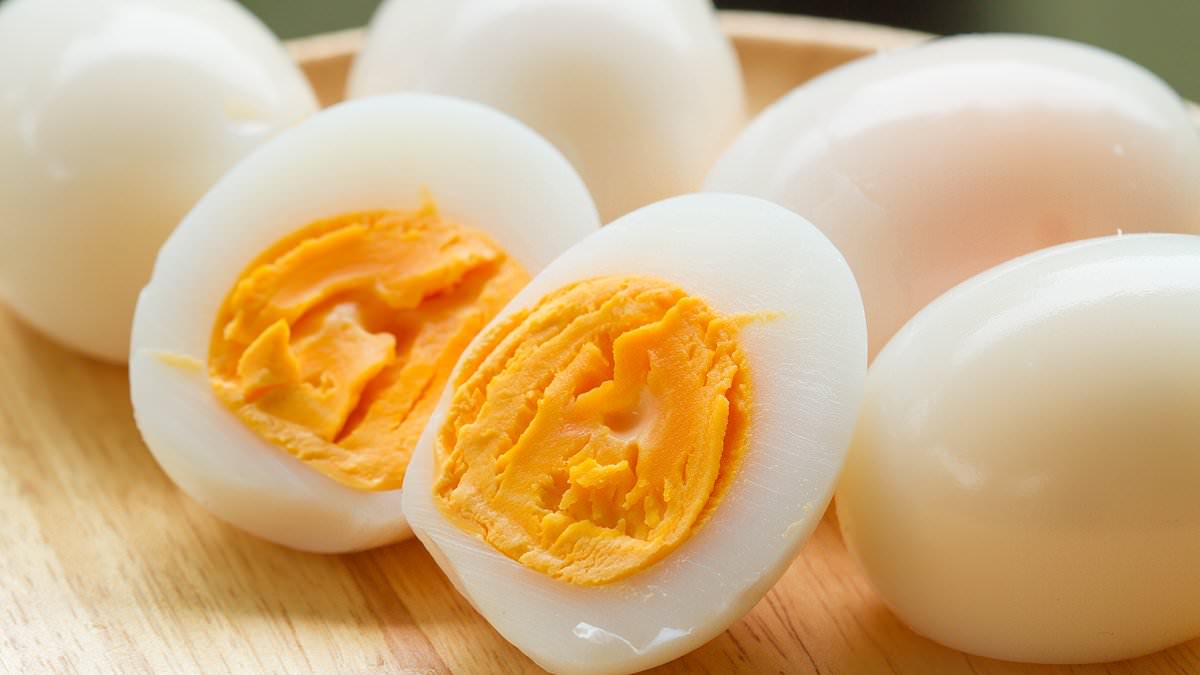
Certain perishable foods, such as hardboiled eggs, ground meat, cantaloupe melon, raw chicken, and cooked rice, can become unsafe to eat within a day or two of being cooked or opened. These foods are prone to bacterial growth and can cause illnesses such as listeriosis, salmonella, E. coli infections, and Bacillus cereus. It is important to refrigerate leftovers promptly, store them in airtight containers, and consume them within the recommended timeframes to avoid foodborne illnesses.

food-and-cooking2 years ago

The Ultimate Guide to Properly Storing and Freezing Eggs

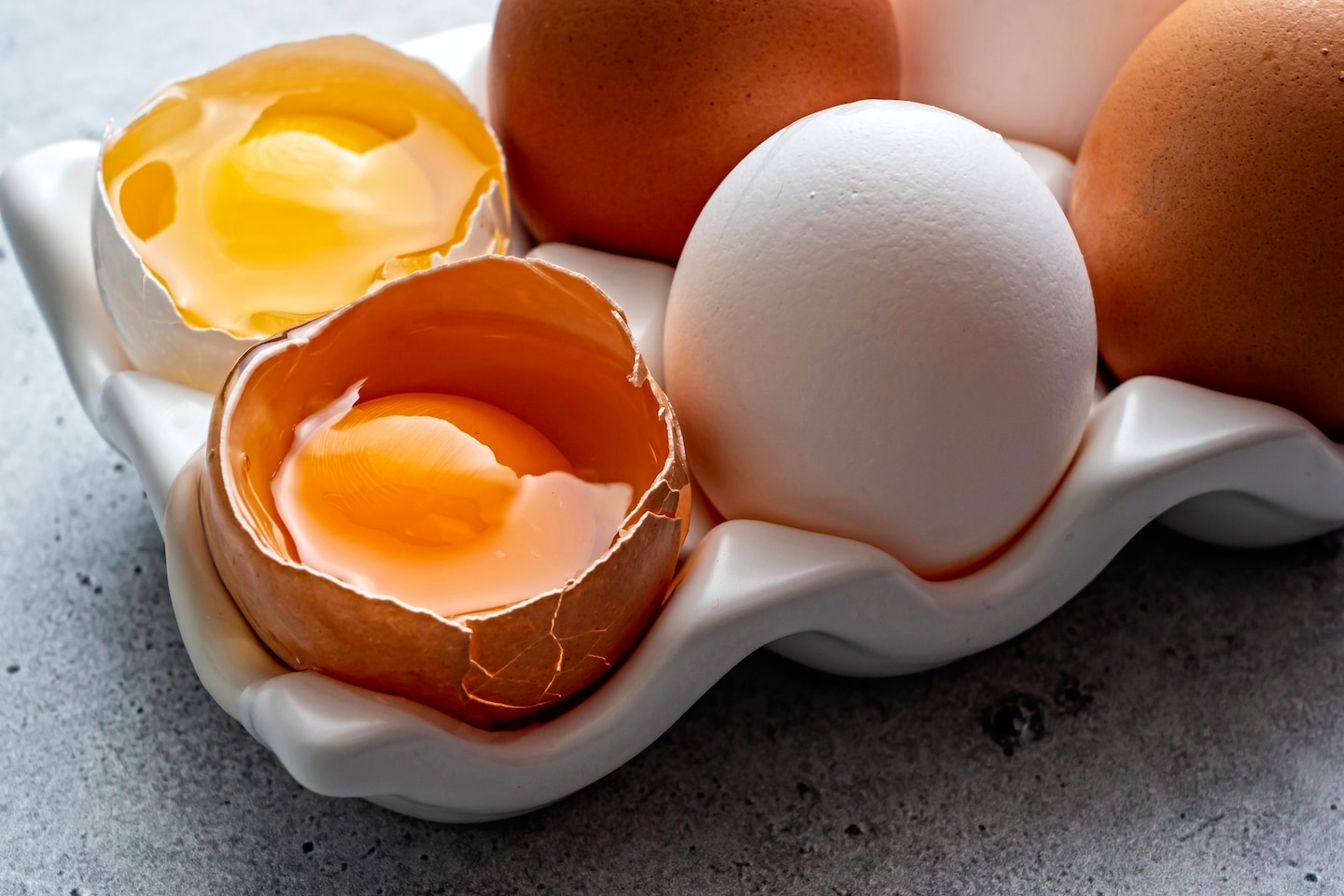
Properly storing eggs is essential to prevent food poisoning and maintain freshness. Fresh eggs from backyard flocks can be left at room temperature for up to four weeks, but refrigerating them can extend their shelf life to two or three months. Store-bought eggs should always be refrigerated due to the removal of their natural protective coating. Eggs should be stored in a carton with the large end facing up to keep the yolk centered. Avoid washing eggs before storing them to prevent the removal of their protective coating. Cracked eggs should be discarded to avoid bacterial contamination. If freezing eggs, crack them into a bowl, whisk, and freeze in a freezer-safe container for up to one year.

food-and-cooking2 years ago

The Truth About Refrigerating Vinaigrette: To Chill or Not to Chill?

While vinegar and oil do not need to be refrigerated, homemade vinaigrettes should be stored in the fridge, especially if they contain perishable ingredients like eggs, cream, citrus juice, fresh herbs, or vegetables. Store-bought vinaigrettes should also be refrigerated after opening. Homemade vinaigrettes with shelf-stable ingredients can be left unrefrigerated, but refrigeration is recommended for optimal flavor. Properly stored vinaigrettes can last around 3 days for homemade versions with fresh ingredients, 3 to 5 days for preservative-free refrigerated store-bought vinaigrettes, and longer for inexpensive, shelf-stable bottled dressings.

food-safety2 years ago

The Importance of Refrigerating Eggs: Explained

Refrigerating eggs is important for food safety due to the risk of salmonella contamination. Salmonella, a common pathogen found in chickens' intestinal tracts, can be deposited on eggs as they are laid and potentially passed on to people. Refrigeration at temperatures below 40 degrees Fahrenheit helps inhibit bacterial growth and spoilage. Previously refrigerated eggs should be kept cold to prevent condensation and bacterial growth. Refrigerated eggs also maintain their quality longer compared to unrefrigerated eggs. Washing eggs removes the protective cuticle, making refrigeration necessary. Ultimately, the decision to refrigerate eggs depends on personal risk tolerance, but the benefits of longer-lasting eggs and peace of mind make refrigeration worthwhile.

home-and-kitchen2 years ago

"7 Surprising Items to Keep Out of Your Kitchen Cabinets"

Chef Molly Gordon advises against storing unsalted butter, bananas, cleaning supplies, scented products, nuts, pure maple syrup, and natural nut butters in kitchen cabinets. Unsalted butter should be refrigerated to prevent bacterial growth, bananas should be kept cool on the countertop, cleaning supplies should be stored in a safer space, scented products should be kept away from edible items, nuts should be stored in an airtight container in the freezer, pure maple syrup should be refrigerated due to the lack of preservatives, and natural nut butters can go rancid if kept in a kitchen cabinet.

science-and-technology2 years ago

Revolutionary Refrigeration Process Discovered by Scientists

Scientists from the Lawrence Berkeley National Laboratory and the University of California, Berkeley have developed a new method called ionocaloric cooling, which has the potential to replace traditional refrigeration systems with a safer and more environmentally friendly process. By utilizing the energy stored or released during a material's phase change, such as ice melting, the researchers demonstrated that adding ions to a substance can effectively cool its surroundings. The ionocaloric cycle was shown to achieve a temperature shift of 25 degrees Celsius (45 degrees Fahrenheit) with less than a single volt of charge, surpassing the efficiency of other caloric technologies. This new technology could contribute to reducing greenhouse gas emissions and improving energy efficiency in refrigeration systems.

food-and-beverage2 years ago

The Great Ketchup Debate: Fridge or Pantry? Heinz Settles the Score

Kraft Heinz sparked a debate on Twitter about whether ketchup should be stored in the fridge or pantry. The company's UK branch tweeted that ketchup belongs in the fridge, which was supported by 63.2% of respondents in a subsequent poll. Some argued that ketchup is stored at room temperature in restaurants, while others believed it should be refrigerated once opened. Heinz previously stated that their ketchup is shelf-stable but should be refrigerated after opening for optimal quality.