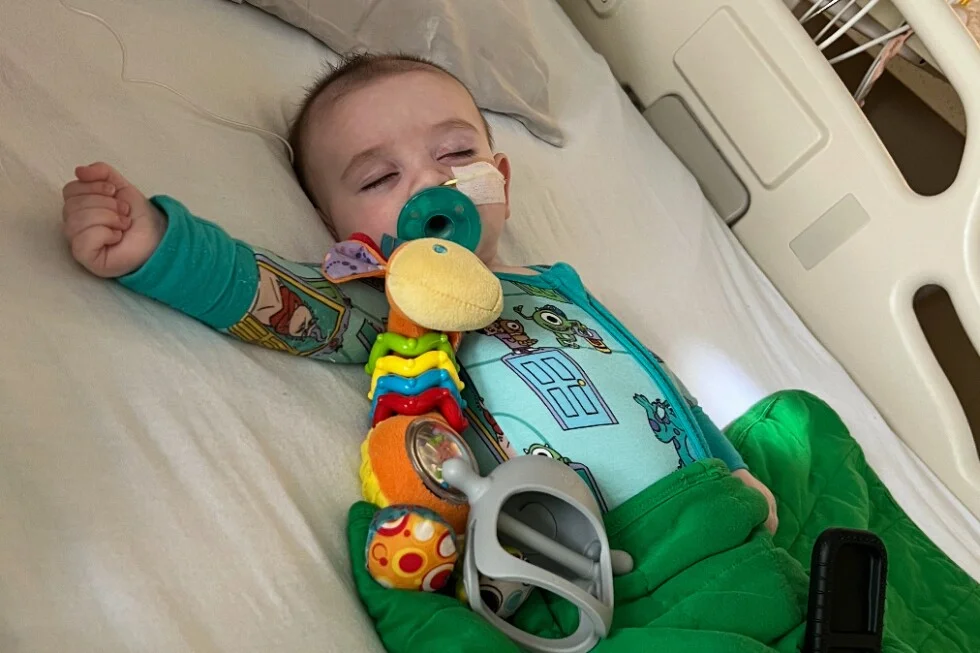
California’s Infant Botulism Treatment and Prevention Program sends handmade birthday cards to families of babies hospitalized for infant botulism, offering support months after treatment linked to ByHeart formula.
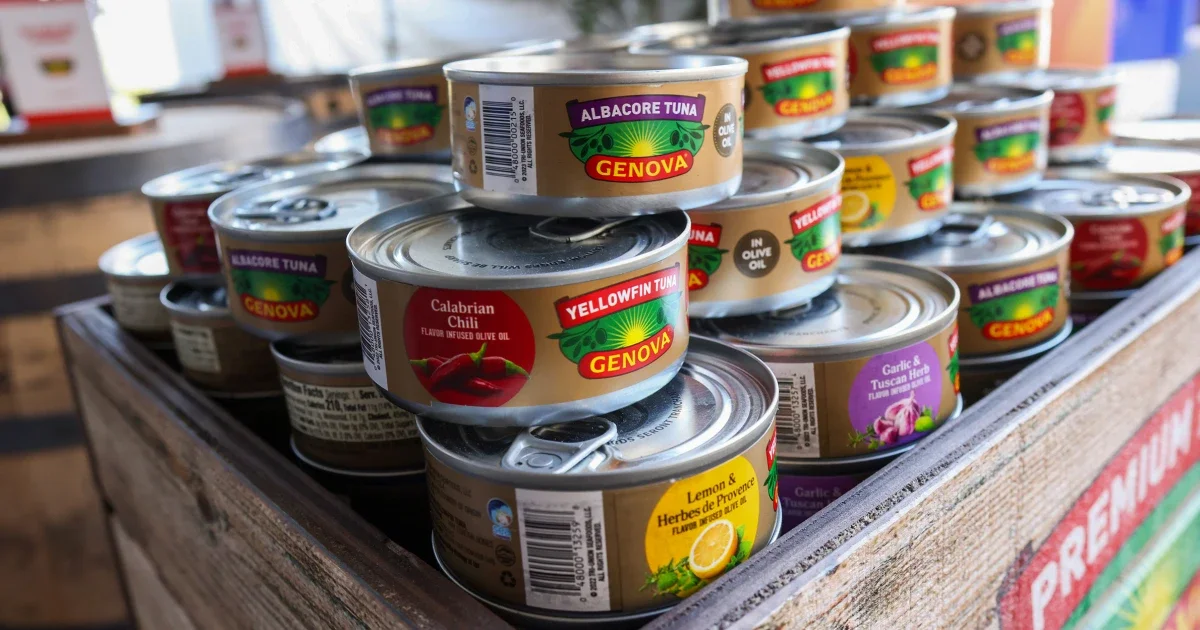
FDA warns that Genova Yellowfin Tuna cans from a February recall could be contaminated with botulinum; some suspect cans were inadvertently shipped by a third-party distributor to six chains across nine states (Meijer in IL/IN/KY/MI/OH/WI, Giant Foods in MD/VA, and Safeway/Albertsons/Vons/Pavilions in CA). Affected products include four 5-ounce cans in Olive Oil (UPC 4800073265; codes S84N D2L or S84N D3L; best-by Jan 21/24, 2028) and five-ounce cans in Extra Virgin Olive Oil with Sea Salt (UPC 4800013275S88N; best-by Jan 17, 2028; code D1M1/17/2028). Discard or return for refunds and seek medical care if unwell; questions go to Tri-Union Seafoods.
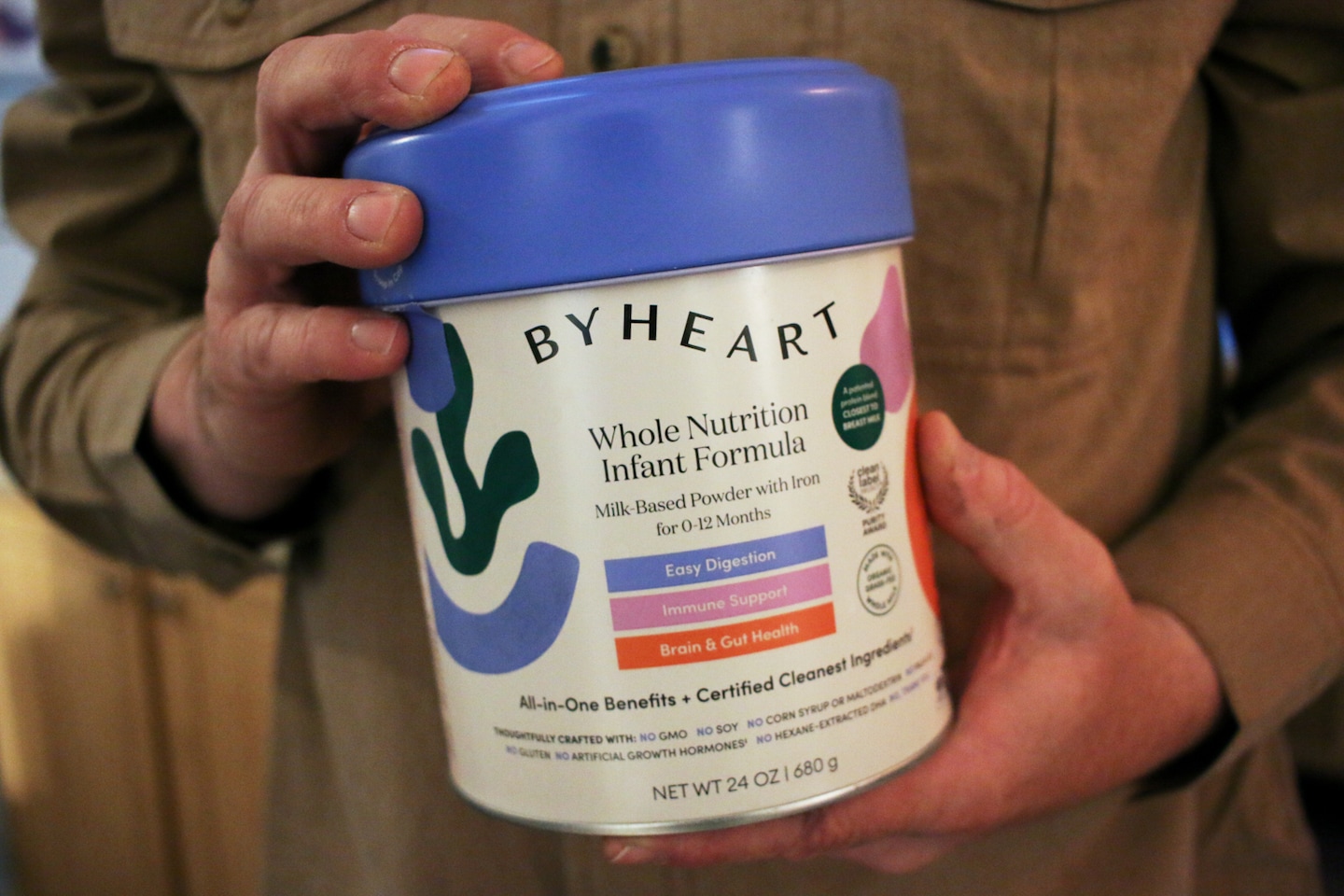
The FDA has issued warning letters to Target, Walmart, Kroger, and Albertsons for selling baby formula that was recalled due to its link to an ongoing infant botulism outbreak, with some stores still stocking the contaminated products.
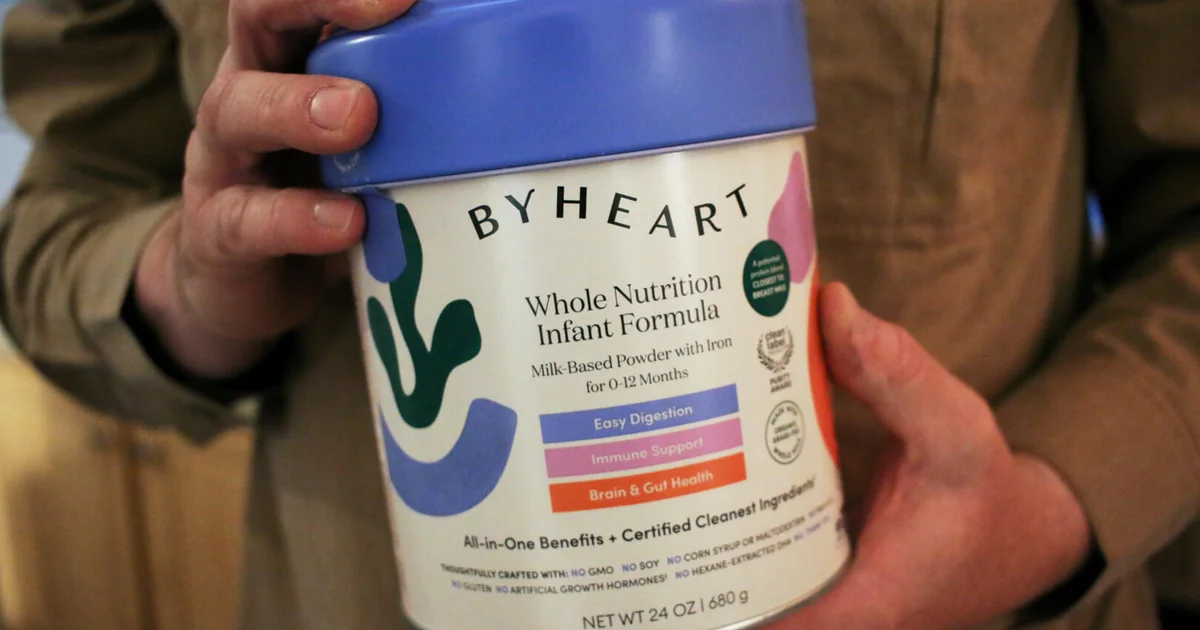
The FDA has warned major retailers Walmart, Target, Kroger, and Albertsons for failing to promptly remove recalled ByHeart infant formula linked to a botulism outbreak, which has sickened over 50 babies across 19 states. Despite a recall issued on Nov. 11, the formula was still sold at various stores for weeks, with some promotional sales continuing after the recall. The companies have been asked to respond within 15 days and are accused of not providing evidence of corrective actions. The outbreak has led to hospitalizations, and the FDA criticizes its slow communication with local health officials.
The FDA criticized major retailers Walmart, Target, Kroger, and Albertsons for failing to promptly remove ByHeart baby formula from shelves after a recall due to a botulism outbreak that has sickened over 50 infants, highlighting delays and inadequate response in the supply chain.
Two people in Italy have died from botulism after eating contaminated sandwiches from a food truck, with over 17 others hospitalized; a separate incident involved a woman dying from contaminated guacamole, prompting health warnings and investigations into food safety.
Two people in Italy have died and over 17 are hospitalized after consuming sausage and broccoli sandwiches contaminated with botulism toxin, prompting a food safety investigation and recall of the affected products.
Luigi Di Sarno, a 52-year-old artist, died in Italy after consuming a contaminated sausage and broccoli sandwich, likely infected with botulism from preserved broccoli in oil. The outbreak has led to the seizure of the food truck and recalls of contaminated products, with health authorities providing antidotes and emphasizing proper food handling to prevent such cases.
A deadly outbreak of botulism in Italy has resulted in one death and nine hospitalizations after people consumed contaminated broccoli and sausage sandwiches, prompting a nationwide recall and distribution of antitoxin serum to treat affected individuals.
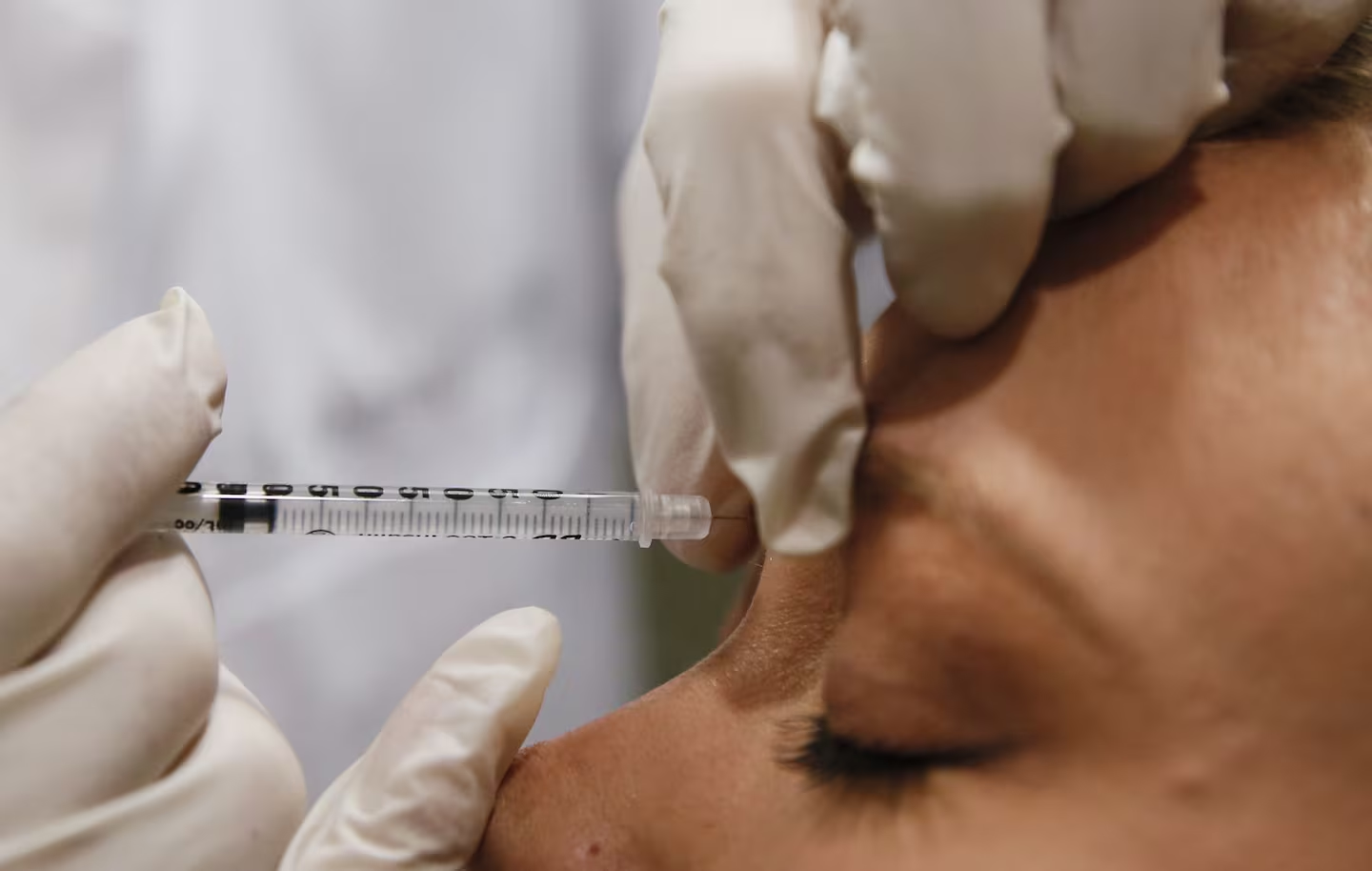
A Georgia mother of three was left paralyzed after receiving Botox and Dysport injections, which led to her contracting botulism and experiencing mini-strokes, highlighting the risks associated with cosmetic procedures. Despite initial tests showing no issues, she later learned her condition was caused by iatrogenic botulism, resulting in serious health consequences and a prolonged recovery.
At least four people in Peterborough have been hospitalized due to complications from unlicensed or counterfeit Botox-like products used in private, home-based cosmetic procedures, raising concerns about safety and regulation in the industry. Authorities are investigating, and experts warn of serious health risks from unregulated botulinum toxin use.
The article discusses rare cases of botulism linked to Botox injections, emphasizing the importance of receiving treatments from licensed providers and highlighting risks associated with counterfeit products and improper administration. It also notes that genuine Botox, used correctly, is generally safe for cosmetic use, and urges caution and awareness of symptoms that require medical attention.
Massachusetts health officials are investigating four suspected cases of botulism linked to Botox injections in the South Shore area, with details about the cases and whether they involved licensed procedures still unclear. The advisory highlights the risks of improper Botox use, including potential severe illness, and urges healthcare providers to monitor for symptoms of botulism.
A TikTok video by @latingenx72 showing her covering an opened can of tomato sauce with aluminum foil and storing it in the fridge has sparked debate among viewers. Some warn of the risks of botulism, while others claim they've done it for years without issues. The USDA advises transferring unused portions of canned food to glass or plastic containers for optimal safety and quality.
The FDA has announced a voluntary recall of all canned coffee products made by Snapchill LLC due to a botulism risk from improper manufacturing processes. No illnesses have been reported, but consumers are advised to dispose of or return the affected products for a refund. The recall affects over 100 brands distributed nationwide.