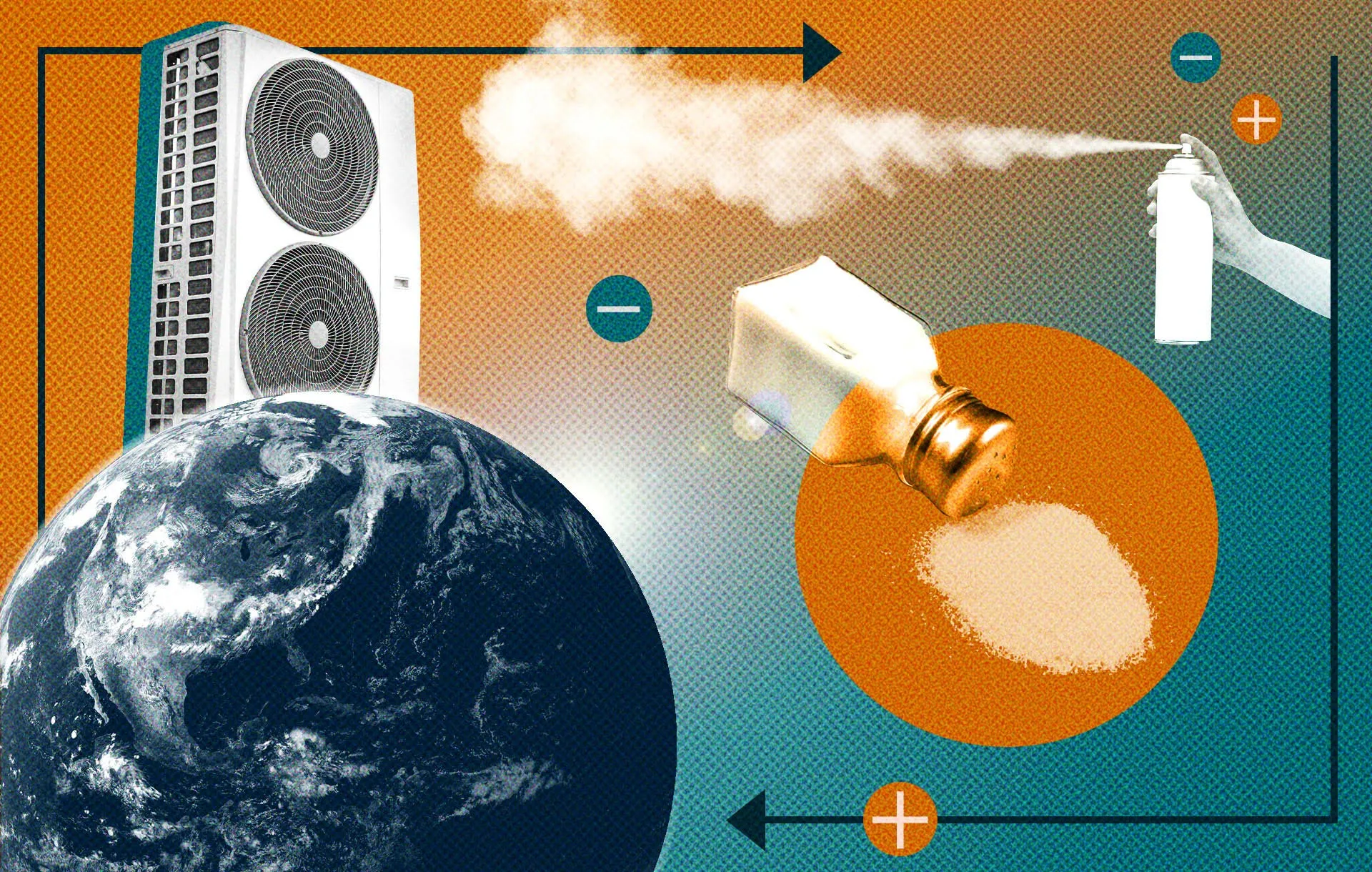
Scientists have developed a new ionocaloric cooling method that uses salt and phase change principles to cool efficiently and environmentally friendly, potentially replacing traditional refrigerants with high global warming potential.
Scientists at Berkeley Lab have developed a new ionocaloric cooling method that uses ionic motion to produce refrigeration without harmful greenhouse gases, potentially offering a more energy-efficient and environmentally friendly alternative to traditional refrigerators and air conditioners, with the added benefit of possibly removing carbon dioxide from the atmosphere.
Scientists from the Lawrence Berkeley National Laboratory and the University of California, Berkeley have developed a new method called ionocaloric cooling, which has the potential to replace traditional refrigeration systems with a safer and more environmentally friendly process. By utilizing the energy stored or released during a material's phase change, such as ice melting, the researchers demonstrated that adding ions to a substance can effectively cool its surroundings. The ionocaloric cycle was shown to achieve a temperature shift of 25 degrees Celsius (45 degrees Fahrenheit) with less than a single volt of charge, surpassing the efficiency of other caloric technologies. This new technology could contribute to reducing greenhouse gas emissions and improving energy efficiency in refrigeration systems.