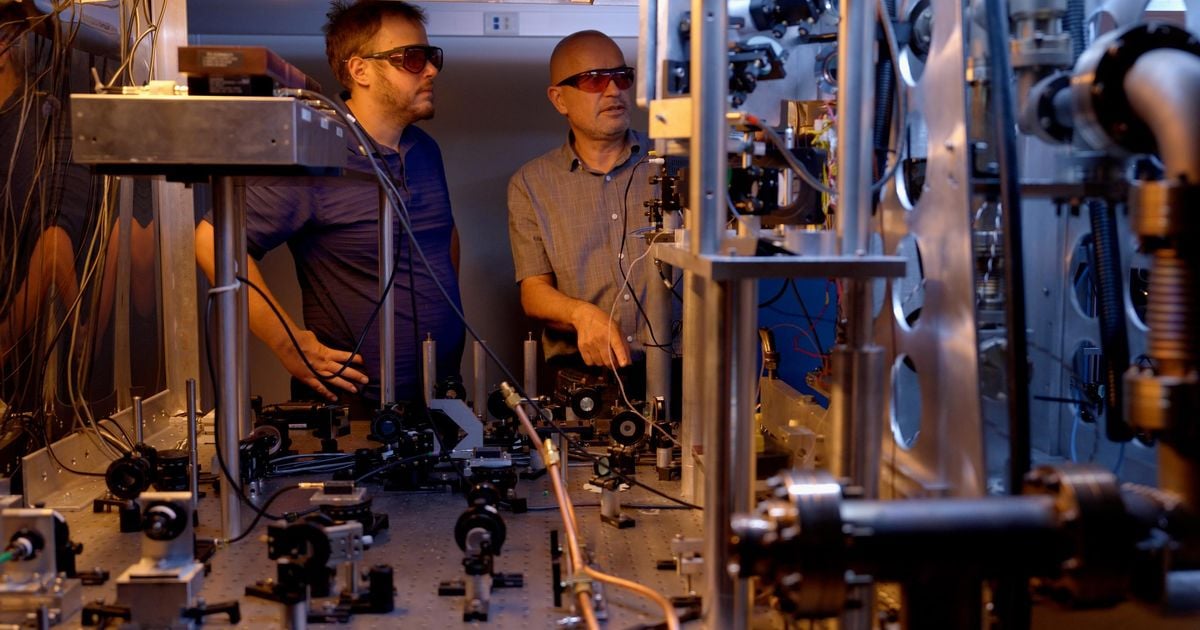
A power outage at NIST in Boulder caused a disruption in atomic clock operations, affecting internet time servers globally. Backup systems were activated, restoring accurate time within nanoseconds, but the incident highlights the critical role of atomic clocks in modern technology like GPS and financial systems.
NIST is investing $20 million to establish two centers in collaboration with MITRE to advance AI technology solutions in U.S. manufacturing and critical infrastructure cybersecurity, aiming to strengthen American leadership and innovation in AI.
A power outage caused by preemptive shutdowns in Boulder temporarily affected the NIST F-4 atomic clock, resulting in a minimal 4 microsecond drift in time measurement, but the system's redundancies ensure no significant impact on global timekeeping or critical industries.
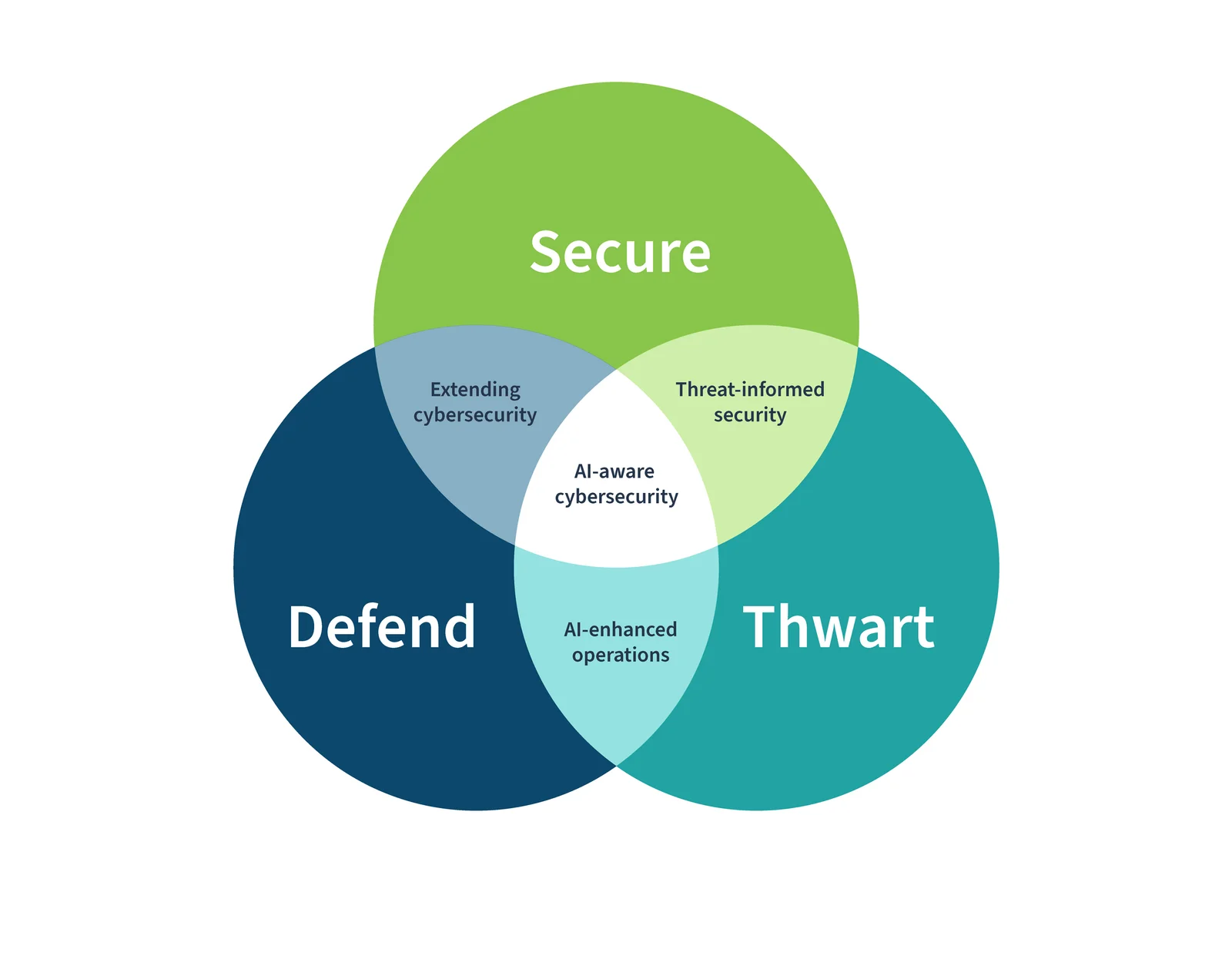
NIST has released a draft of its Cyber AI Profile to guide organizations in securely adopting AI by focusing on securing AI systems, enhancing AI-enabled cyber defense, and preventing AI-driven cyberattacks, with public feedback sought to refine the framework.
NIST has finalized a new lightweight cryptography standard based on Ascon algorithms to protect small, resource-constrained devices like IoT gadgets, RFID tags, and medical implants from cyberattacks, offering various options for encryption, hashing, and future expandability.
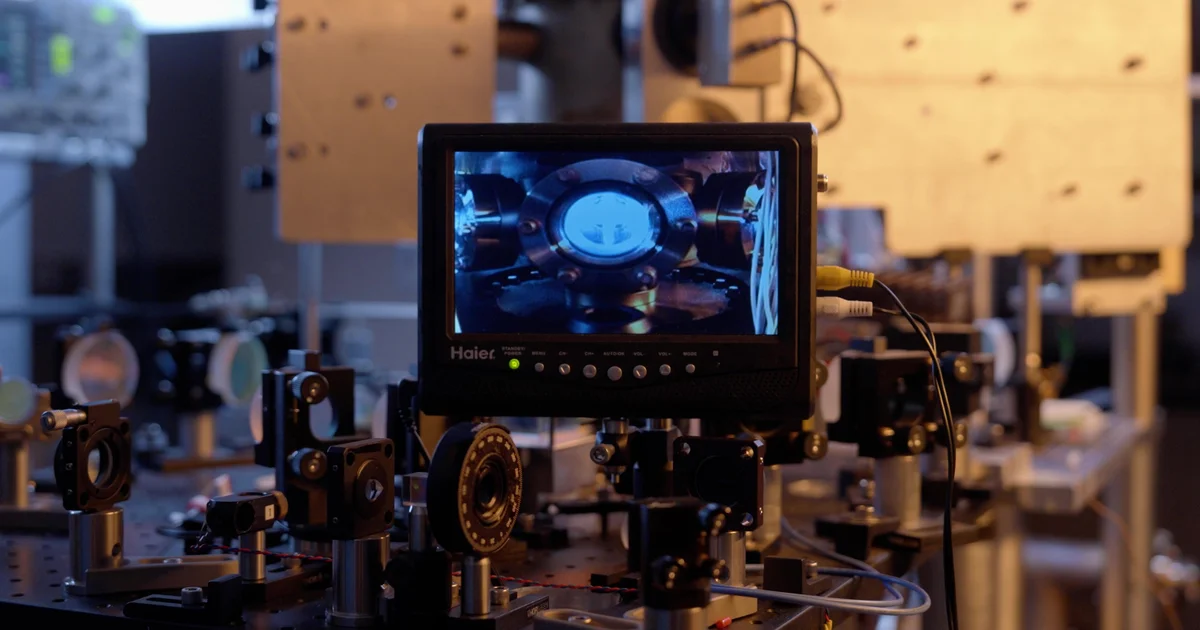
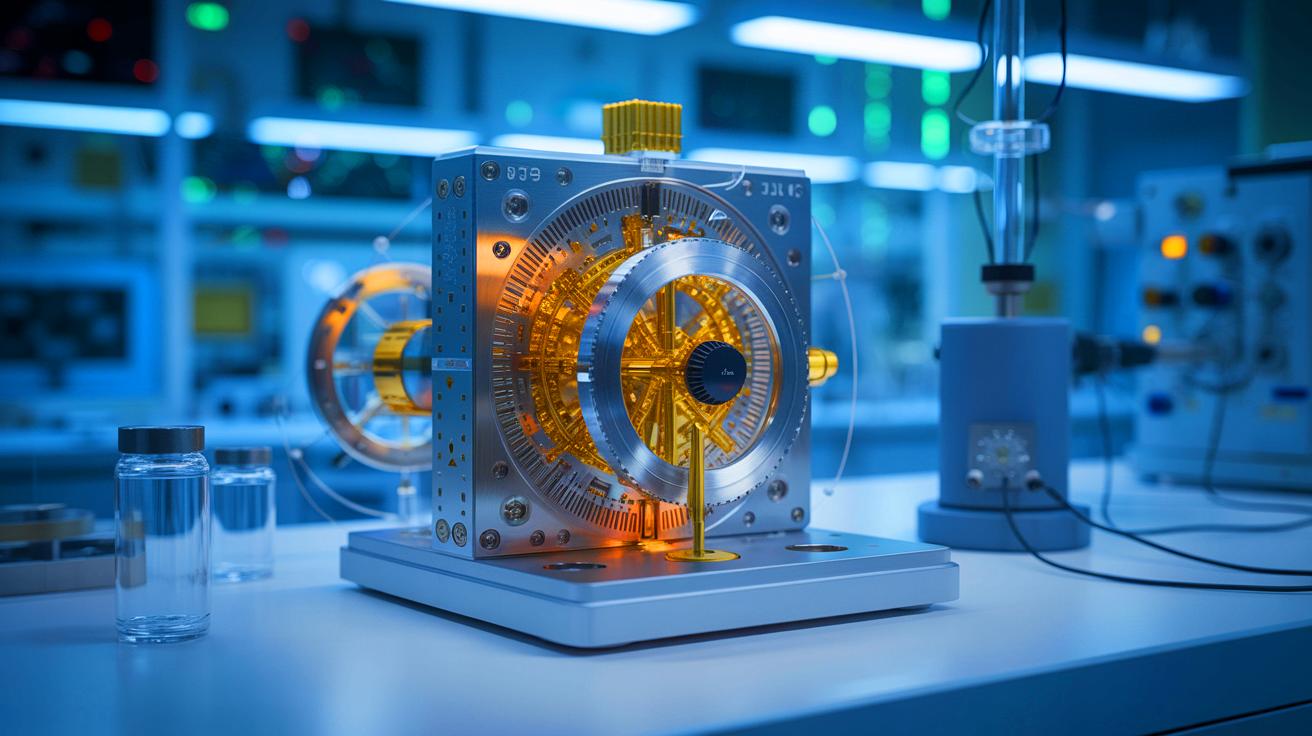
NIST has developed the most precise atomic clock using aluminum ions, measuring time with unprecedented accuracy to the 19th decimal place, which could revolutionize scientific research, quantum technology, and geodesy.
Researchers at NIST have developed the most precise atomic clock using aluminum ion technology, achieving 19-decimal accuracy and surpassing previous records in stability and accuracy, with potential applications in redefining the second, geodesy, and quantum physics research.
Researchers at NIST have developed the most accurate atomic clock based on a trapped aluminum ion, achieving 19 decimal places of accuracy and surpassing previous records by 41%. The clock's enhanced stability and precision are due to improvements in the ion trap design, vacuum chamber, and laser stability, enabling new scientific research and potential redefinition of the second.
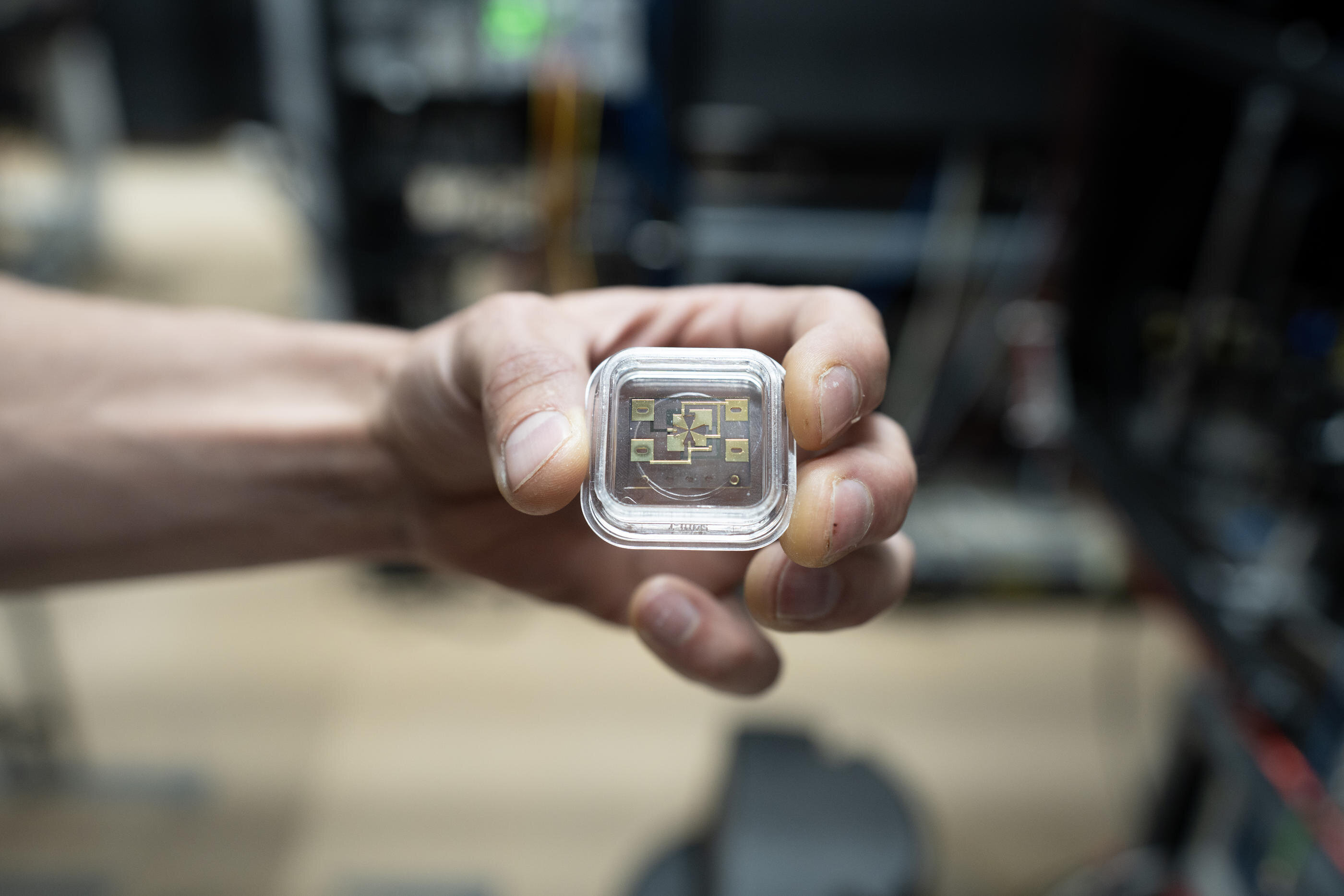
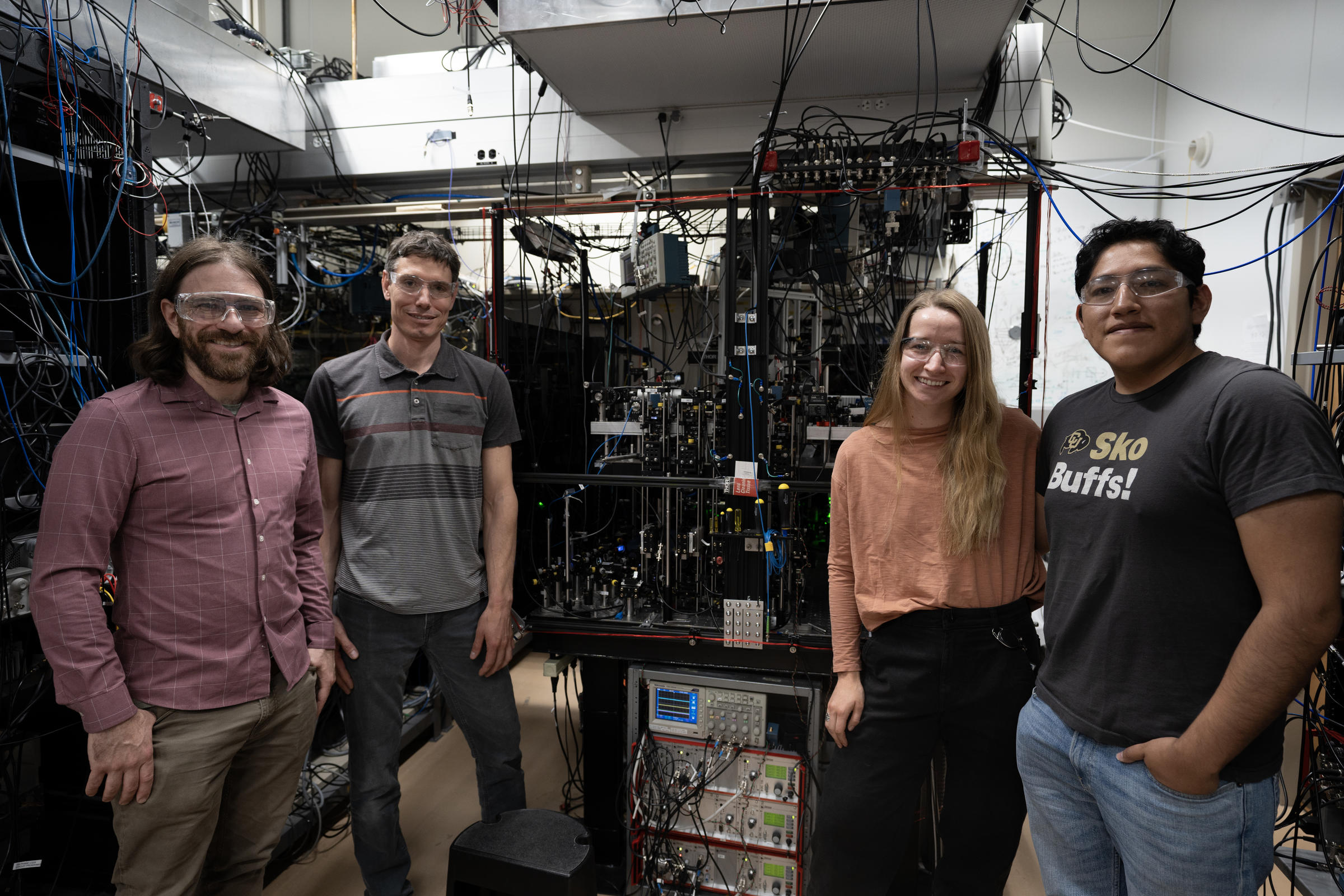
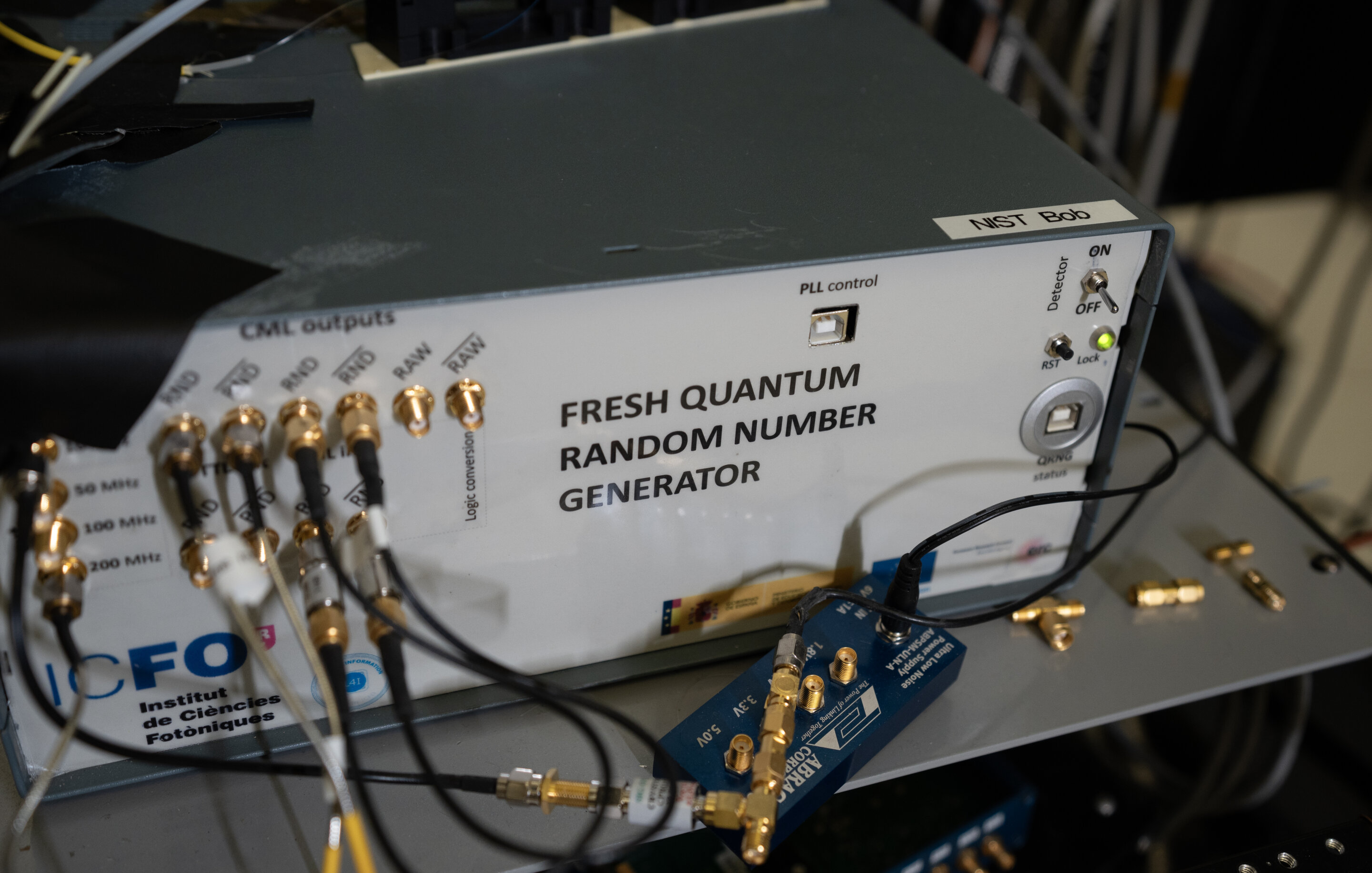
Researchers at NIST and the University of Colorado Boulder have developed a public, verifiable quantum random number generator called CURBy, which uses quantum nonlocality and Bell tests to produce truly random numbers that are certifiable and traceable, marking a significant milestone in the use of quantum physics for secure and unbiased randomness generation.
Scientists at the National Institute of Standards and Technology (NIST) have developed a new prototype refrigerator that can achieve temperatures close to absolute zero much more quickly and efficiently than current models. This breakthrough could significantly reduce the time and cost associated with quantum computing and other scientific experiments requiring extremely low temperatures. The new design improves the efficiency of pulse tube refrigerators (PTRs) by preventing helium waste, potentially saving 27 million watts of power annually and reducing global energy costs by $30 million. The technology is expected to accelerate advancements in quantum computing and benefit the cryogenics industry.
Scientists at the National Institute of Standards and Technology (NIST) have developed a new prototype refrigerator that can achieve temperatures close to absolute zero much more quickly and efficiently than current models. This breakthrough could significantly reduce the time and cost associated with quantum computing and other scientific experiments requiring extremely low temperatures. The new design could save 27 million watts of power annually and reduce global energy consumption by $30 million. The technology is expected to benefit both the quantum computing and cryogenics industries.
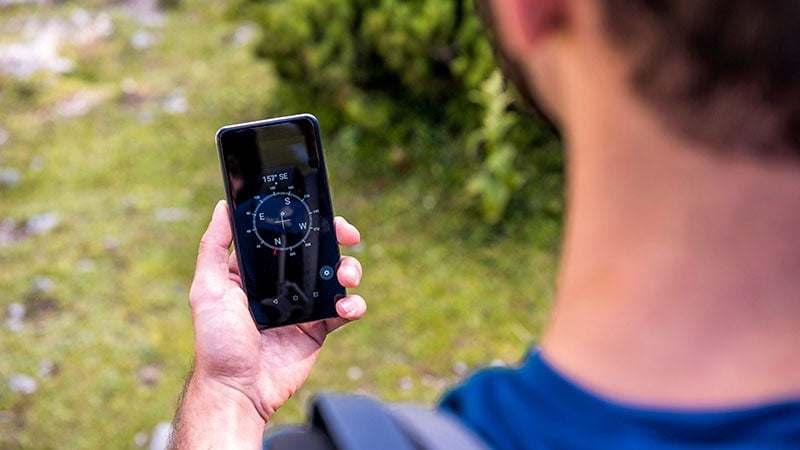
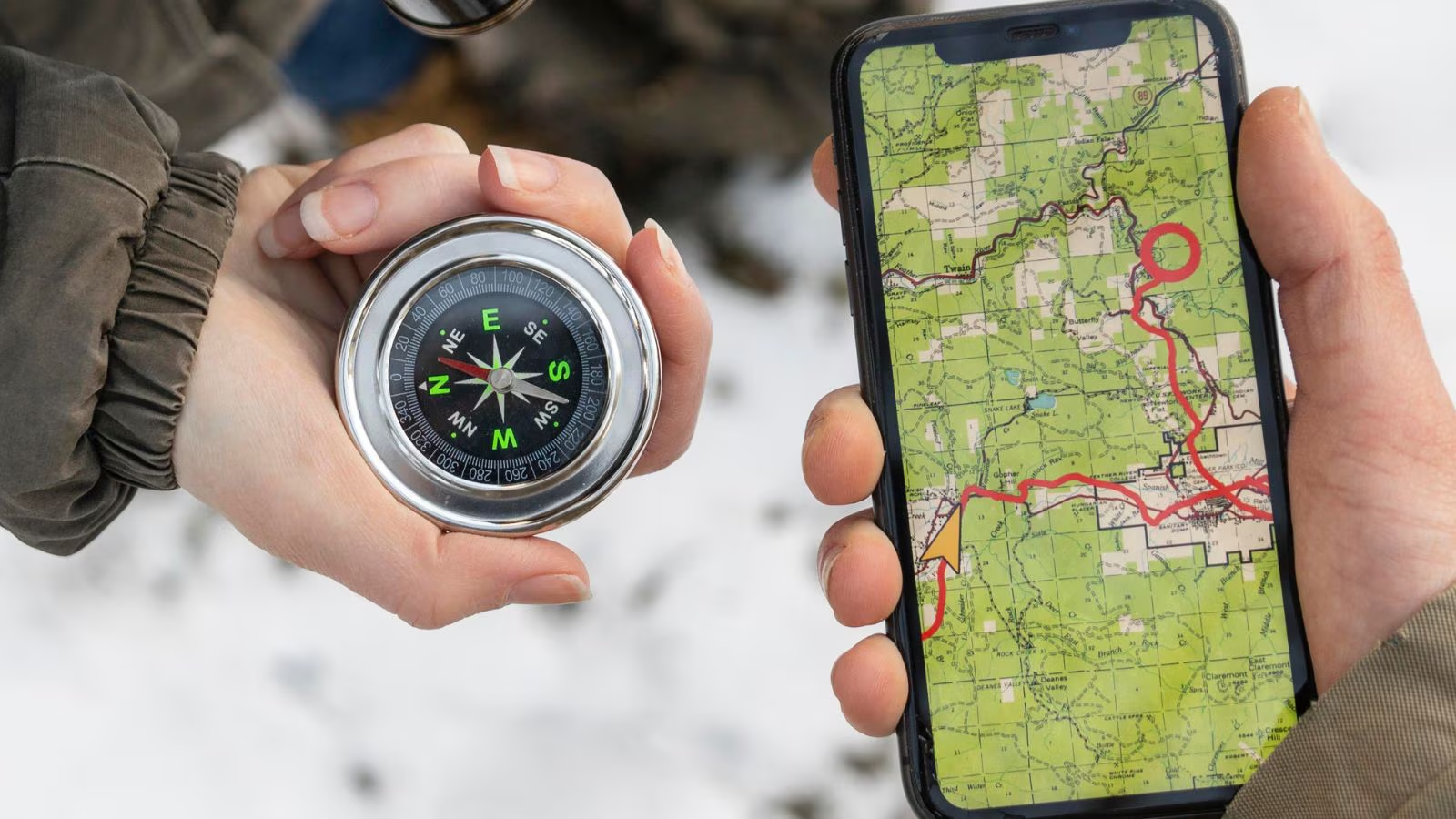
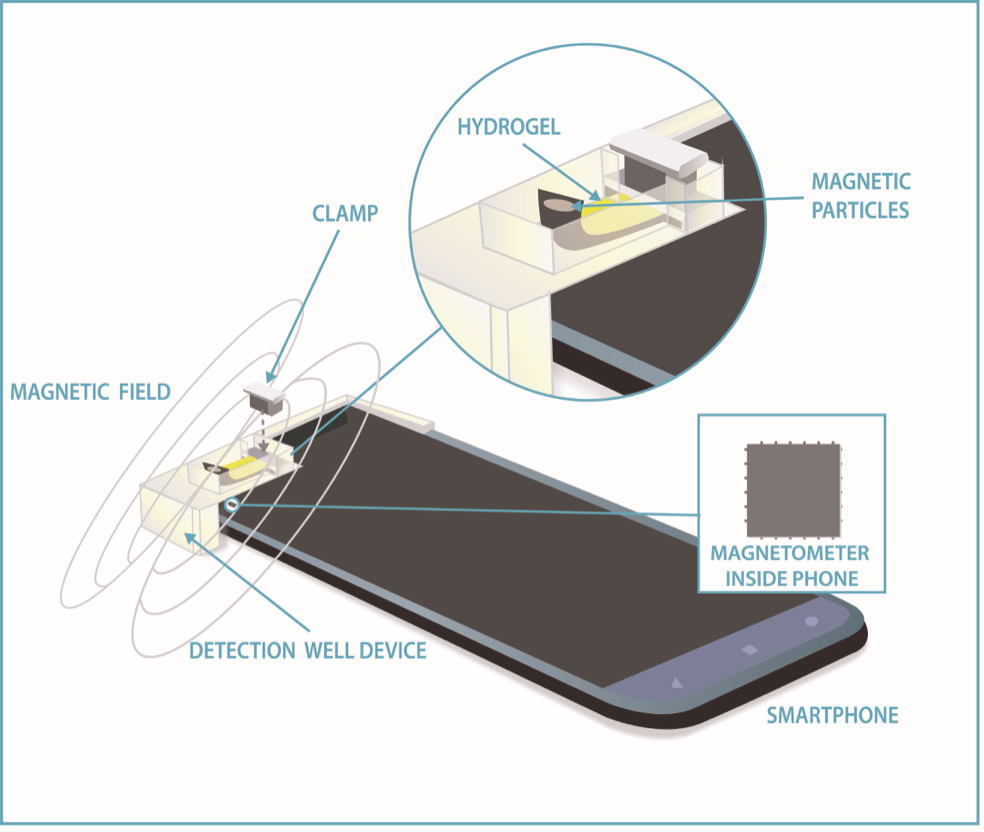
Researchers at NIST have developed a method to use a smartphone's compass to analyze biomarkers in body fluids, potentially allowing for the monitoring and diagnosis of diseases. In a proof-of-concept study, they successfully measured glucose and pH levels in various liquids. The technique involves a small magnet embedded in a hydrogel strip that interacts with the smartphone's magnetometer. While more testing is needed for biological fluids, this innovation could lead to affordable and portable medical sensing capabilities, with potential applications in healthcare and environmental monitoring.
Researchers at NIST have developed a technique using the magnetometer in smartphones to measure blood glucose levels with high accuracy. By attaching a tiny well containing a solution and a strip of hydrogel to a cellphone, they were able to detect changes in magnetic field strength caused by the hydrogel's reaction to glucose or pH levels. This low-cost method could lead to the development of inexpensive glucose testing kits that can be attached to smartphones, potentially revolutionizing at-home blood glucose monitoring.
Researchers at NIST have developed a technique that utilizes an ordinary cellphone magnetometer to measure the concentration of glucose and pH levels with high accuracy, using magnetized hydrogel test strips. This method has the potential to rapidly and inexpensively measure various biomedical properties for disease monitoring and environmental toxin detection. The proof-of-concept study demonstrated the ability to measure glucose concentrations as small as a few millionths of a mole, and future improvements could enable the detection of DNA strands, specific proteins, and histamines at extremely low concentrations. The technique offers an inexpensive way to conduct testing, even in resource-limited locations, and could have applications in fields such as healthcare, environmental science, and food and beverage production.
Investigators are focusing on construction flaws in the pool deck as the cause of the 2021 collapse of the Champlain Towers South condominium in Surfside, Florida, which resulted in 98 deaths. The National Institute of Standards and Technology (NIST) has found that the concrete used in the pool deck and supporting columns was weaker than required by building codes, and the added weight from planters contributed to increased stress. While the collapse likely initiated in the pool deck, NIST has not ruled out a failure initiation in some part of the tower structure. The investigation is examining at least 40 potential failure hypotheses and aims to complete its technical work by summer, with a draft report and recommendations expected in May 2025.