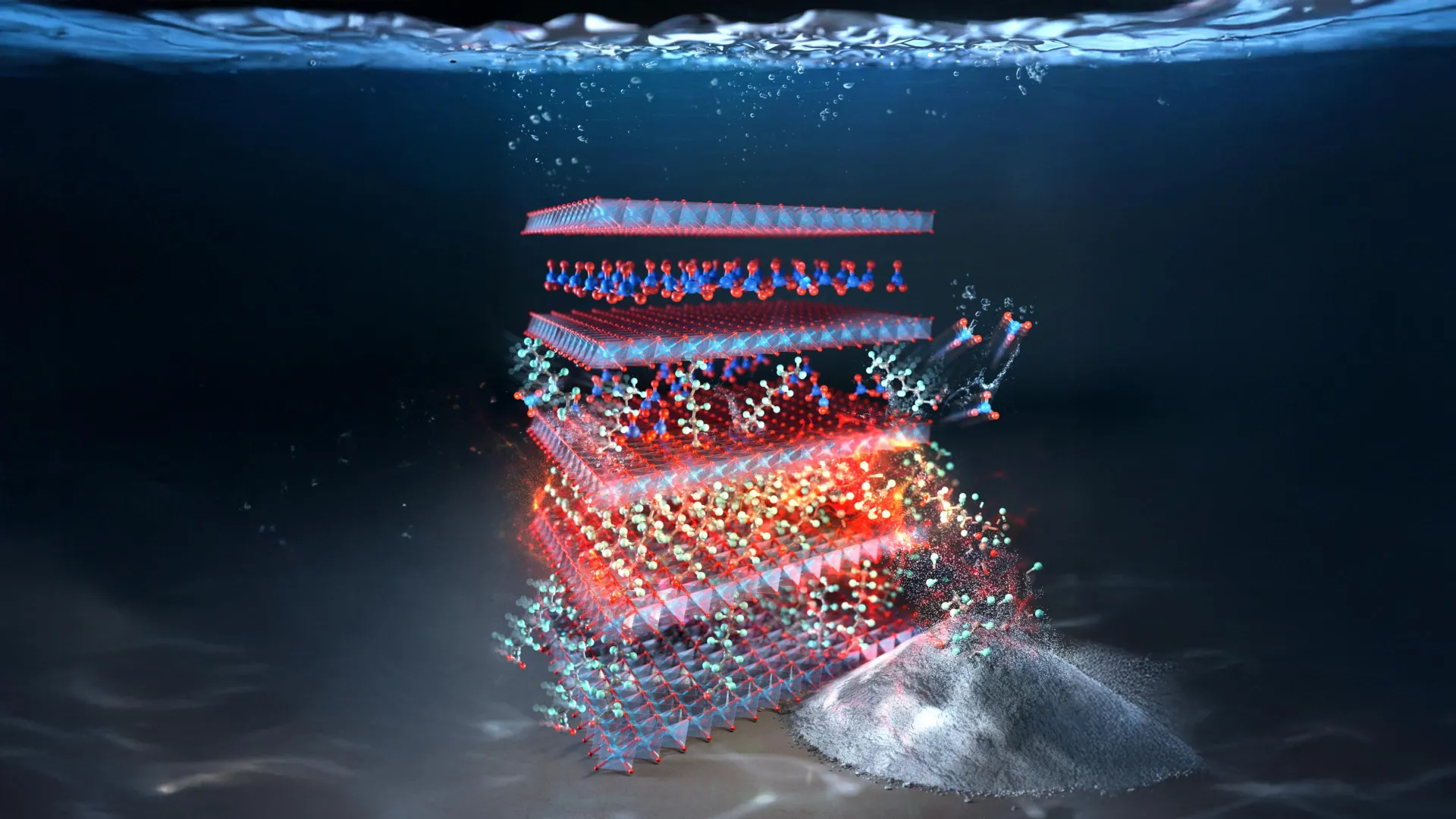
Researchers at Rice University have developed a rapid, eco-friendly technology using layered double hydroxide (LDH) materials to efficiently capture and destroy 'forever chemicals' (PFAS) in water, with potential for reuse and application in municipal and industrial water treatment.
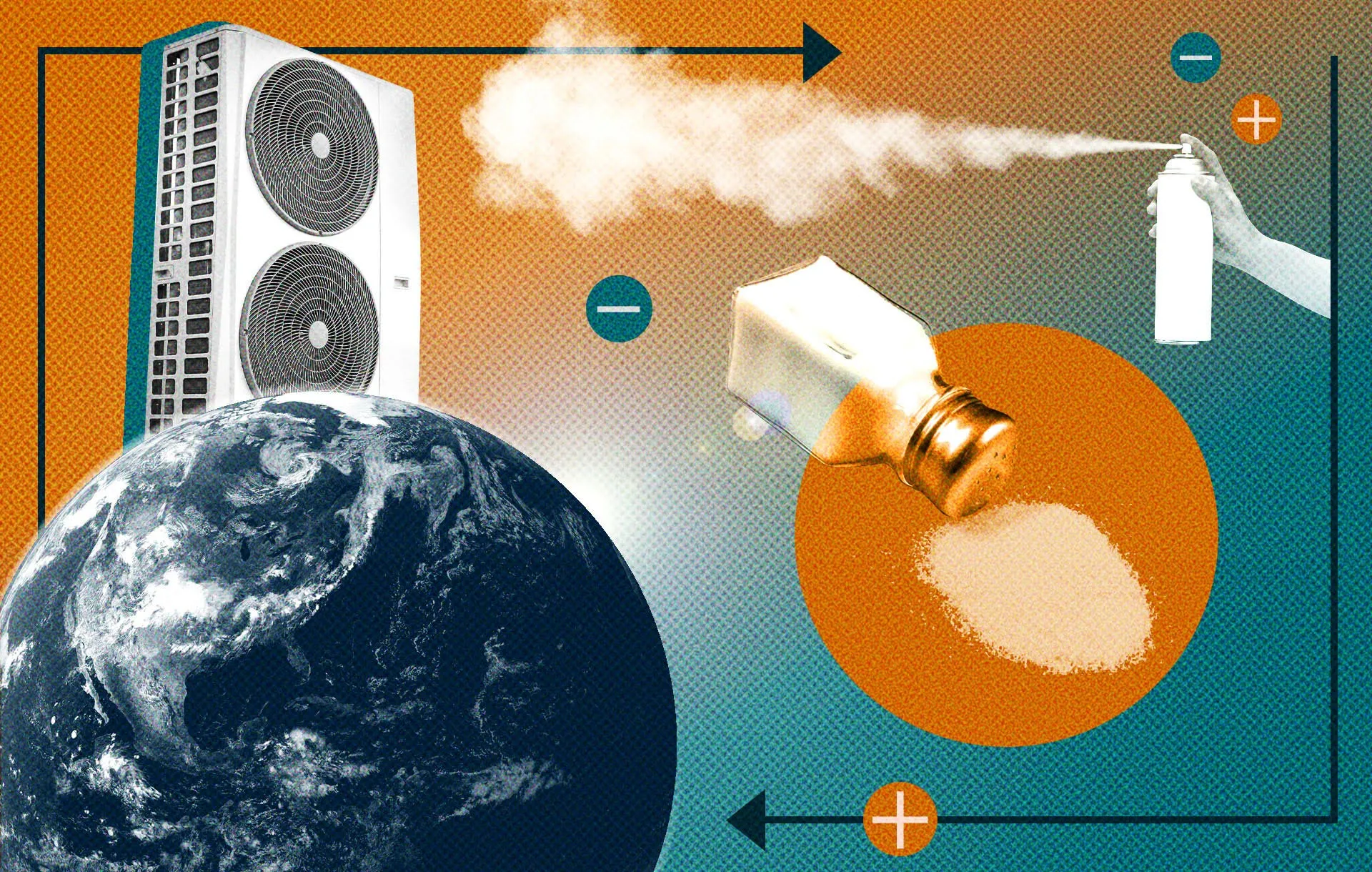
Scientists have developed a new ionocaloric cooling method that uses salt and phase change principles to cool efficiently and environmentally friendly, potentially replacing traditional refrigerants with high global warming potential.
Scientists at Berkeley Lab have developed a new ionocaloric cooling method that uses ionic motion to produce refrigeration without harmful greenhouse gases, potentially offering a more energy-efficient and environmentally friendly alternative to traditional refrigerators and air conditioners, with the added benefit of possibly removing carbon dioxide from the atmosphere.
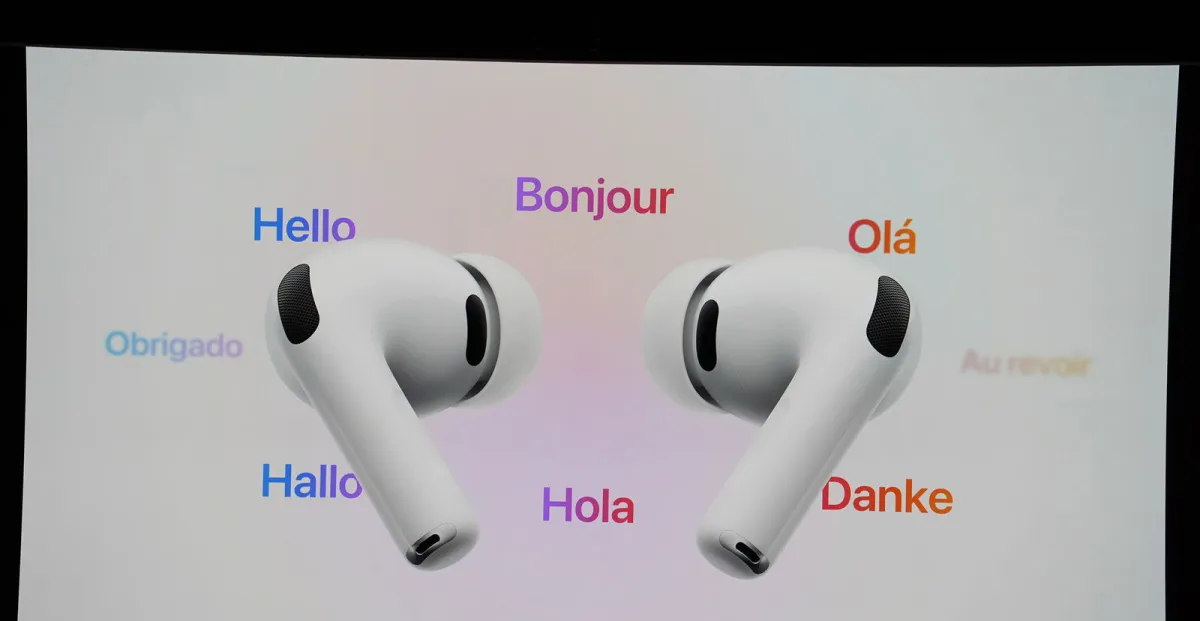
Apple's AirPods Pro 3 do not include a charging cable in the box, requiring users to purchase one separately or use wireless charging, reflecting a shift towards environmental considerations and a trend of reducing bundled accessories.
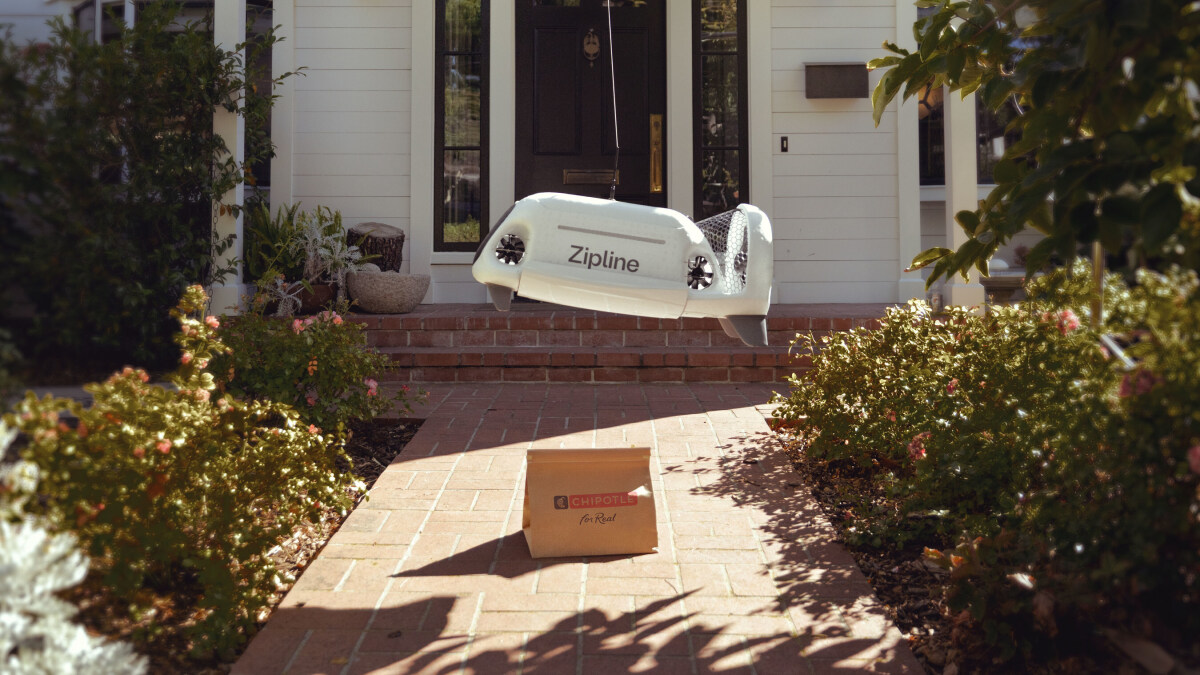
Chipotle is testing drone delivery called 'Zipotle' in Rowlette, Texas, using Zipline's autonomous drones to deliver burritos, promoting an environmentally friendly and convenient delivery method.
Fairphone 6 is adopting a new, more sustainable design, reflecting ongoing efforts in the smartphone industry to prioritize environmental impact and innovative features, amidst ongoing debates about fingerprint sensors and facial recognition technologies.
SpinLaunch, a California startup, has developed a revolutionary electric-powered system that uses a giant slingshot mechanism to launch satellites into orbit, aiming to reduce costs and environmental impact compared to traditional rocket launches. The system relies on a rotating arm inside a vacuum chamber to fling small satellites into low Earth orbit, with successful tests already conducted and plans for a full-scale launch site underway. This innovative approach draws on ancient physics and modern materials, representing a significant shift in space launch technology.
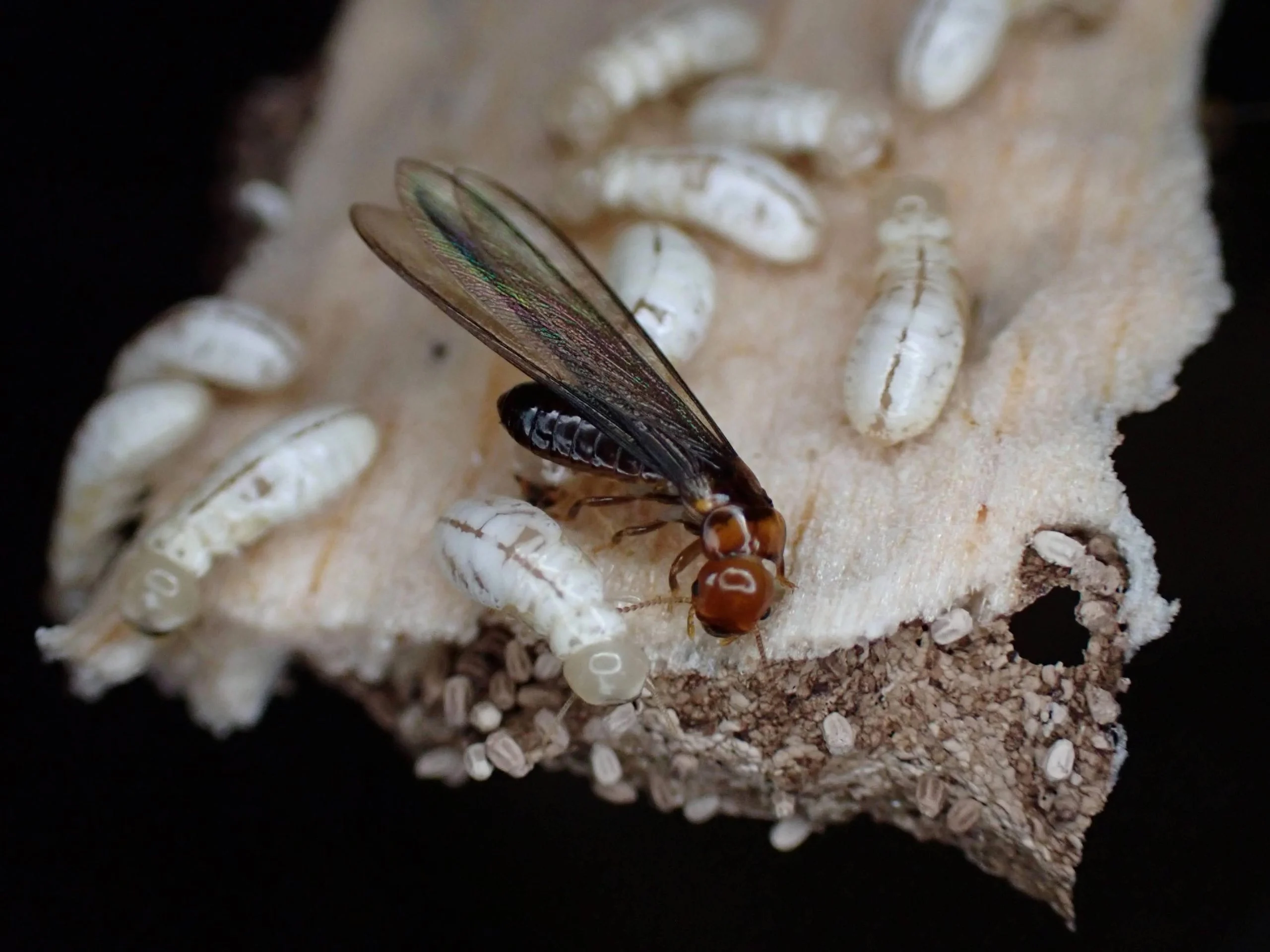
Researchers at UC Riverside have developed a new chemical treatment using bistrifluron that effectively kills up to 95% of drywood termite colonies by preventing their molting process, offering a safer and potentially more effective alternative to traditional fumigation methods, with the chemical spreading through colonies via wood ingestion and being harmless to humans.
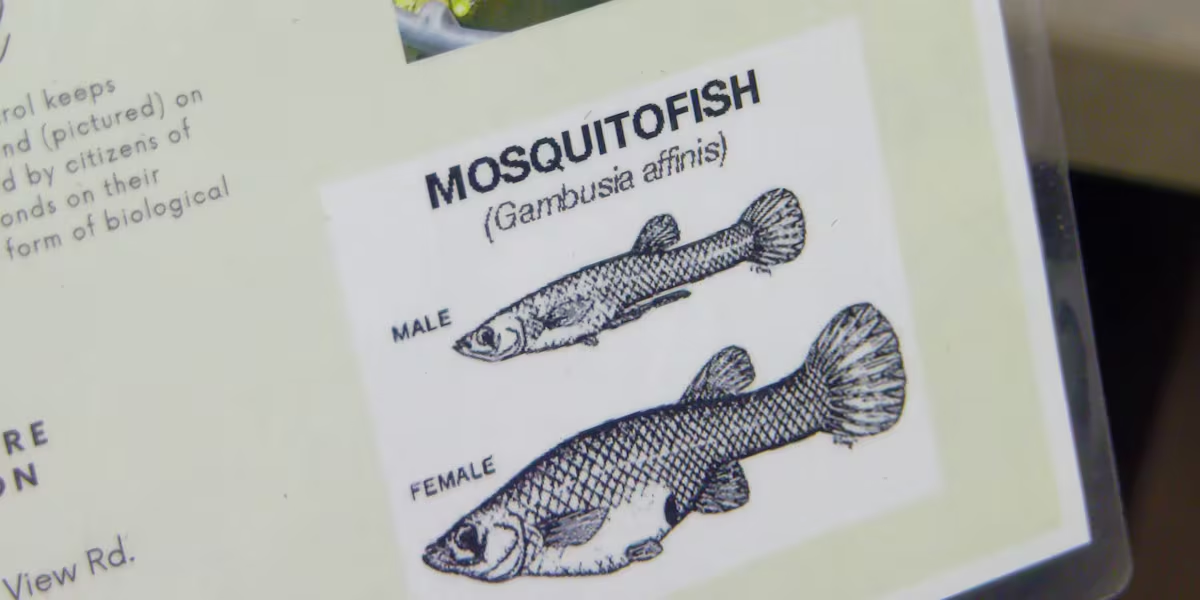
The Shelby County Health Department is distributing free Gambusia fish to help control mosquito populations and reduce the risk of West Nile virus, as part of its mosquito mitigation efforts in stagnant water sources.
Sheetz is offering a 40-cent discount per gallon on Unleaded 88 gasoline at 505 locations through November 30. Customers can verify availability via the Sheetz app or website. Unleaded 88, approved by the EPA for vehicles from 2001 onwards, contains more ethanol than Unleaded 87, burns cleaner, and is said to enhance engine performance.
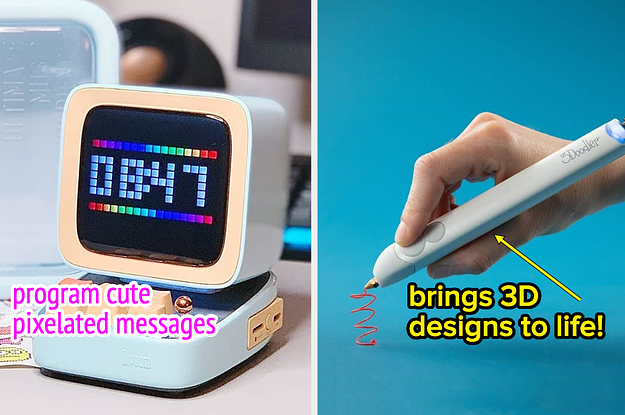
Drill Brush offers a set of six different bristle strengths for various cleaning needs, with a promising review highlighting its effectiveness in cleaning a 30+ year old shower/tub. Priced at $18.95, this product is praised for its ability to eliminate the need for chemical cleaners and reduce waste, making it an environmentally friendly option.
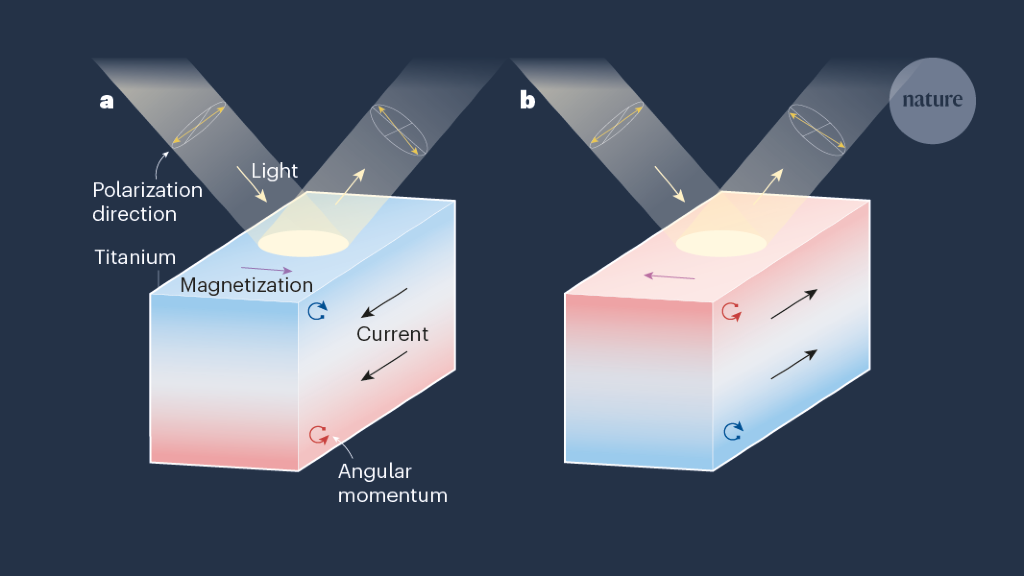
Physicists have detected the orbital Hall effect, a phenomenon that sorts electrons based on their rotational motion, opening up possibilities for orbitronics, a branch of spintronics that encodes data in orbitals. This breakthrough could lead to the development of cheaper and more environmentally friendly electronic devices.
Youthforia, an Asian woman-owned small business, offers environmentally friendly and cruelty-free makeup made with renewable ingredients. Their color-changing makeup adjusts to the skin's pH, providing a personalized and long-lasting rosy glow. Customers praise its smooth texture and easy application. Available in two colors for $36.
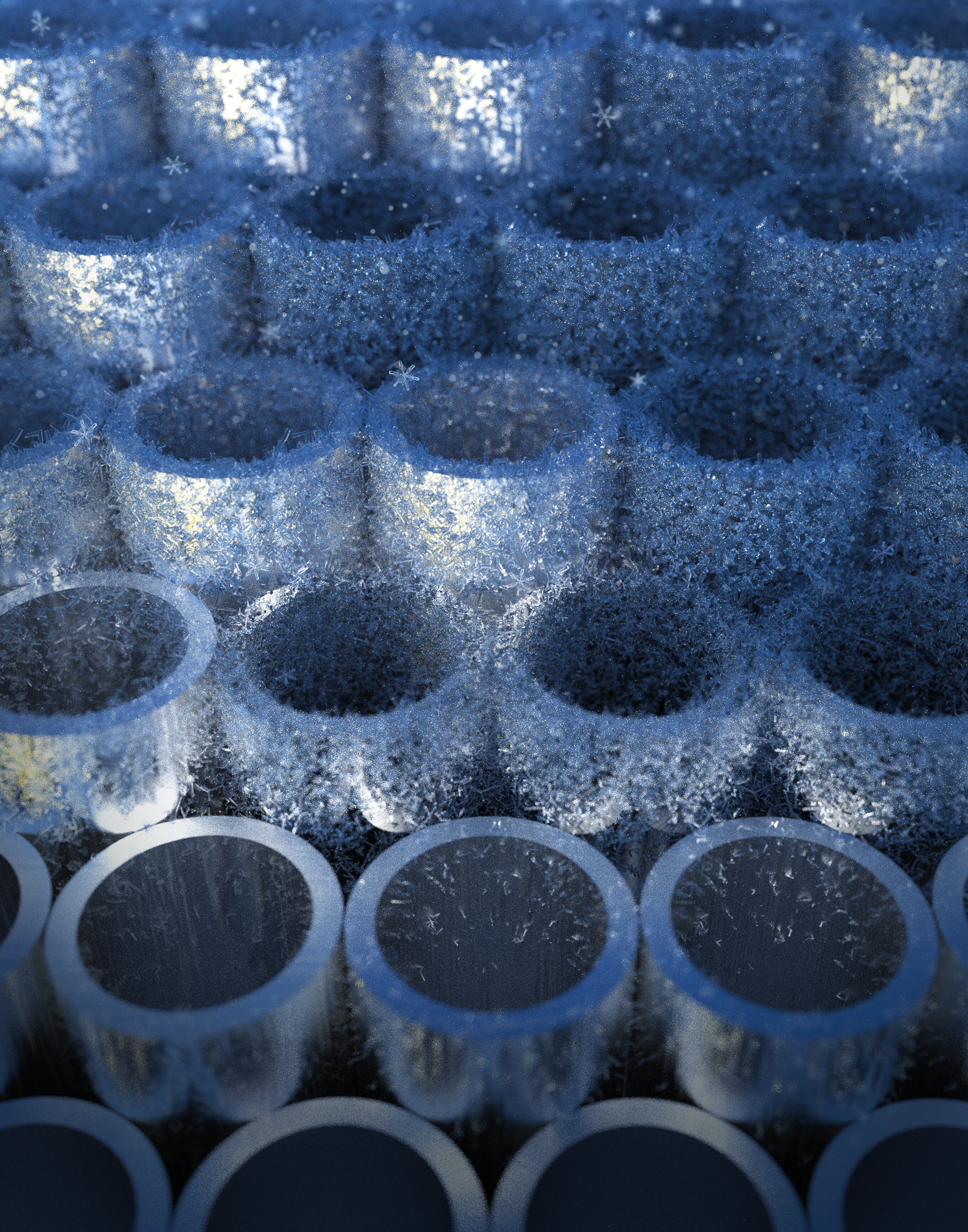
A team of Maryland Engineering Professors has introduced a high-performance elastocaloric cooling system that could represent the next generation of cooling devices. The system relies on pushing and pulling pieces of metal to create cooling, bypassing chemical refrigerants. The key feature is the compression and release of fatigue-resistant nickel-titanium tubes configured in a versatile, multimode heat exchange architecture. The team says it's possible to improve the performance of its system enough to make the technology commercially viable within several years.
A researcher at the University of Central Florida has developed an eco-friendly, lightweight, and long-lasting plasmonic paint inspired by butterflies. The paint uses nanoscale structural arrangements of colorless materials, such as aluminum and aluminum oxide, to produce colors, making it more environmentally friendly and energy-efficient than traditional pigment-based paint. The paint is also extremely lightweight, with a full coloration achieved at a thickness of only 150 nanometers, making it the lightest paint in the world. Future research will focus on scaling up production and exploring the paint’s energy-saving potential for commercial applications.