Tag

Bacterial Infections

All articles tagged with #bacterial infections

New Study Links Bacterial Infections to Heart Attack Risks

Originally Published 4 months ago — by Medical News Today

Featured image for New Study Links Bacterial Infections to Heart Attack Risks
Source: Medical News Today

A new study suggests that bacteria from the mouth, particularly Streptococcus viridans, may trigger heart attacks by contributing to inflammation and plaque rupture in arteries, highlighting the importance of oral health and infection prevention in cardiovascular risk management.

Tiny Nose Robots Could Revolutionize Sinus Infection Treatment

Originally Published 6 months ago — by ZME Science

Featured image for Tiny Nose Robots Could Revolutionize Sinus Infection Treatment
Source: ZME Science

Researchers have developed a swarm of magnetically guided micro-robots that can be injected into the sinuses to create on-site bacteria-killing reactions, offering a potential non-invasive treatment for nasal congestion and infections, though it is still in animal testing stages and faces public acceptance hurdles.

Innovative Surface Patterns on Plastics Prevent Bacterial Infections

Originally Published 6 months ago — by Phys.org

Featured image for Innovative Surface Patterns on Plastics Prevent Bacterial Infections
Source: Phys.org

Scientists at the University of Nottingham have developed surface patterns on plastics that prevent bacteria from forming biofilms, potentially reducing infections on medical devices like catheters and activating the immune system to clear bacteria, offering a promising alternative to antibiotics and helping to combat antimicrobial resistance.

Breakthrough Antibiotic Offers Hope Against Superbugs

Originally Published 1 year ago — by SciTechDaily

Featured image for Breakthrough Antibiotic Offers Hope Against Superbugs
Source: SciTechDaily

Researchers have developed a modified version of the antibiotic darobactin, showing effectiveness against drug-resistant bacteria like E. coli in animal trials. This advancement, published in ACS Infectious Diseases, highlights the potential of darobactin D22 as a new treatment option against pathogens that evade current antibiotics. The study, conducted during World Antimicrobial Resistance Awareness Week, demonstrated promising results in zebrafish and mice, suggesting further development towards clinical trials.

"Velcro-Inspired Tech: A New Weapon Against Bacteria"

Originally Published 1 year ago — by SciTechDaily

Featured image for "Velcro-Inspired Tech: A New Weapon Against Bacteria"
Source: SciTechDaily

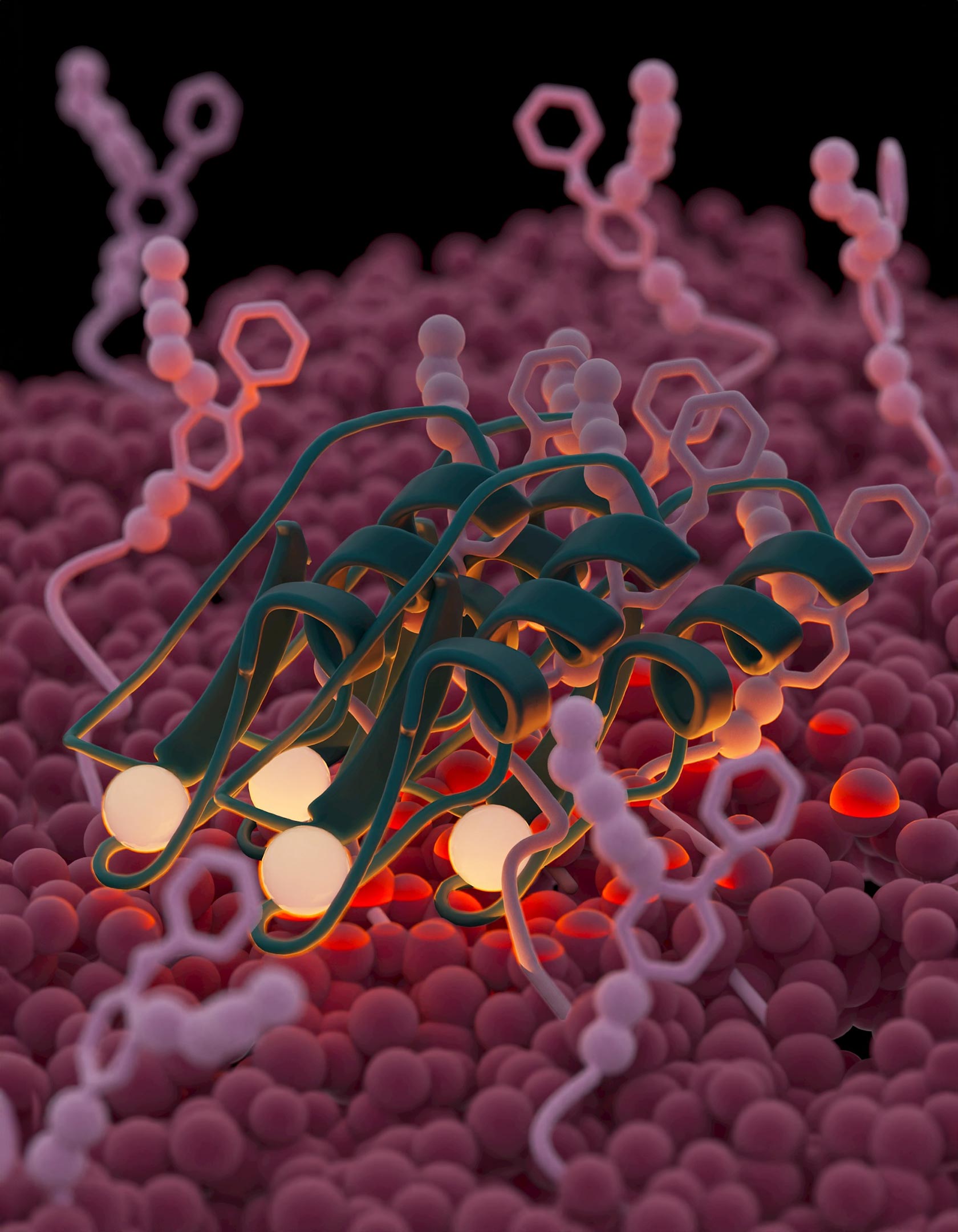
Researchers have discovered that the antibiotic plectasin forms Velcro-like structures on bacterial cell surfaces, trapping crucial components and enhancing its effectiveness. This novel mechanism, detailed in a study published in Nature Microbiology, could guide the development of new antibiotics to combat antimicrobial resistance. The presence of calcium ions further boosts plectasin's antibacterial activity, offering new insights for future drug design.

"FDA Greenlights Versatile New Antibiotic for Triple Applications"

Originally Published 1 year ago — by FDA.gov

Featured image for "FDA Greenlights Versatile New Antibiotic for Triple Applications"
Source: FDA.gov

The FDA has approved Zevtera (ceftobiprole medocaril sodium for injection) for the treatment of Staphylococcus aureus bloodstream infections, acute bacterial skin and skin structure infections, and community-acquired bacterial pneumonia in adults and pediatric patients. The antibiotic was found to be effective in clinical trials, with common side effects including nausea, diarrhea, and headache. However, patients with a history of severe hypersensitivity to ceftobiprole or cephalosporin antibacterial class should not use Zevtera. The approval was granted with Priority Review, Fast Track, and Qualified Infectious Disease Product designations for the specified indications.

CDC Warns of Rising Cases of Meningococcal Disease

Originally Published 1 year ago — by Yahoo News

Featured image for CDC Warns of Rising Cases of Meningococcal Disease
Source: Yahoo News

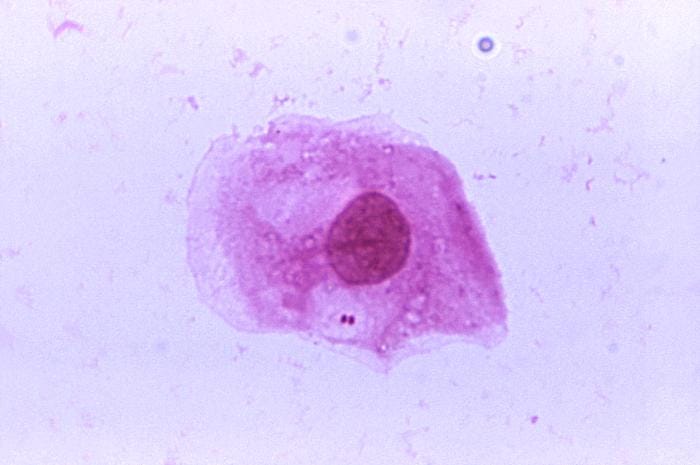
The CDC has issued an alert to healthcare providers about a rise in bacterial infections, specifically a strain of meningococcal disease caused by Neisseria meningitidis serogroup Y, which has seen 140 reported cases in 2024 targeting adults aged 30 to 60. Those at higher risk include Black and African Americans or individuals with HIV. Symptoms of the disease include meningitis and bloodstream infection, with Virginia currently experiencing a statewide outbreak. Awareness of symptoms and prompt medical attention are crucial in addressing this concerning trend.

"Rapid Spread of Deadly Bacterial Infections Baffles Japan"

Originally Published 1 year ago — by Press TV

Featured image for "Rapid Spread of Deadly Bacterial Infections Baffles Japan"
Source: Press TV

A highly virulent and infectious form of streptococcus pyogenes, causing severe and potentially deadly infections, is spreading at a record rate in Japan, with officials struggling to identify the cause of the epidemic. Experts link the fast spread of the disease to the lifting of COVID-19 restrictions, prompting concerns about people abandoning basic hygiene measures. The rare streptococcal toxic shock syndrome (STSS) can cause serious illnesses and even death, particularly in adults over 30, and is estimated to be fatal in about 30 percent of cases. Japan's Ministry of Health, Labour and Welfare recommends people to resume the hygiene level they had during the COVID-19 pandemic to stop the spread of strep A.

"CDC Warns of Deadly Bacterial Infections in Tap Water: Is Your Water Safe?"

Originally Published 1 year ago — by PennLive

Featured image for "CDC Warns of Deadly Bacterial Infections in Tap Water: Is Your Water Safe?"
Source: PennLive

The CDC has reported that between 2015 and 2020, there were 214 outbreaks of intestinal diseases caused by pathogens such as E.coli, campylobacter, or shigella, with over 2,000 cases of illness linked to drinking water, 80% of which were associated with public water systems, raising concerns about the safety of tap water.

"Rising Threat: CDC Warns of Deadly Bacterial Infections in U.S. Tap Water"

Originally Published 1 year ago — by New York Post

Featured image for "Rising Threat: CDC Warns of Deadly Bacterial Infections in U.S. Tap Water"
Source: New York Post

The CDC warns that deadly bacterial infections have been spreading through tap water, with 214 enteric disease outbreaks and over 2,000 illnesses linked to drinking water from 2015 to 2020. Legionella, a biofilm bacteria causing Legionnaires’ disease, was the most common culprit. While U.S. tap water is generally safe, it may not be the best choice for certain uses, such as in neti pots, CPAP machines, and humidifiers. Experts advise against using tap water for wound cleaning, contact lenses, and preparing infant formula, as it can pose health risks. Boiling water, using filters, and inspecting pipes can help ensure better water quality, and residents are encouraged to report any changes in water appearance, taste, or smell to their water utility.

"Deadly Kisses: Ancient Scandinavian Bodies Uncover Surprising Secrets"

Originally Published 1 year ago — by Yahoo! Voices

Featured image for "Deadly Kisses: Ancient Scandinavian Bodies Uncover Surprising Secrets"
Source: Yahoo! Voices

A new study published in Scientific Reports reveals that ancient Scandinavian bodies dating back 6,000 years show evidence of deadly bacterial infections, including Y. pestis, the bacteria that causes the plague, making it the oldest case of the plague found in remains to date. The shift from nomadic to agricultural communities led to increased population density and interactions with livestock, resulting in infections from food, water, and close human contact. The presence of bacteria causing meningitis and gonorrhea reflects the cultural change as people became less nomadic and started living in larger communities at the end of the Stone Age.

"Breakthrough: Scientists Develop Synthetic Antibiotic to Combat Drug-Resistant Superbugs"

Originally Published 1 year ago — by Phys.org

Featured image for "Breakthrough: Scientists Develop Synthetic Antibiotic to Combat Drug-Resistant Superbugs"
Source: Phys.org

Researchers at the University of Illinois Chicago and Harvard University have developed a new antibiotic, cresomycin, that effectively suppresses drug-resistant bacteria by evading their defenses. The antibiotic, described in Science, targets the ribosome and is designed to overcome common bacterial resistance mechanisms. In animal experiments, cresomycin protected against infections with multidrug-resistant strains of common disease-causing bacteria. The next step is to assess its effectiveness and safety in humans, highlighting the critical role of structural biology in designing the next generation of antibiotics.

"Synthetic Molecule: A Potent Antibiotic Against Drug-Resistant Superbugs"

Originally Published 1 year ago — by EurekAlert

Featured image for "Synthetic Molecule: A Potent Antibiotic Against Drug-Resistant Superbugs"
Source: EurekAlert

Harvard researchers have developed a new synthetic antibiotic, cresomycin, which effectively kills drug-resistant bacteria, including Staphylococcus aureus and Pseudomonas aeruginosa. The compound demonstrates improved binding to bacterial ribosomes, overcoming resistance mechanisms. Supported by a $1.2 million grant from CARB-X, the team aims to advance cresomycin through preclinical studies. The fully synthetic molecule draws inspiration from lincosamides and utilizes a component-based synthesis approach, showing promise in the fight against superbugs and addressing the global public health crisis of antimicrobial resistance.