Nearly 40,000 cases of McCain Foods' tater tots, including Ore-Ida and Sysco brands, were recalled across multiple states due to the potential presence of hard plastic fragments, prompting a voluntary safety recall by the company.
Over 38,000 cases of popular tater tots from Ore-Ida and Sysco brands have been recalled across 26 states due to the presence of hard plastic fragments, with the recall classified as a moderate health risk (Class II).
Scientists have developed a novel patch with microneedles loaded with bacteriophages that can be applied to food to target and destroy bacteria like E. coli and Salmonella, potentially reducing food poisoning risks before consumption, though practical and perceptual challenges remain.
Iowa restaurants and stores have been cited for numerous food safety violations, including expired food, unclean kitchens, pest droppings, and improper food handling, during recent inspections across the state.
Two new French studies suggest that common food preservatives may be linked to increased risks of certain cancers and type 2 diabetes, highlighting the need for further research and potential reevaluation of food additive regulations.
Nestle has recalled certain batches of its SMA infant and follow-on formulas due to potential contamination with cereulide, a toxin that can cause food poisoning, as a precaution despite no confirmed illnesses. The company is offering refunds and advises parents to check batch codes, emphasizing that other products are safe.
Nestlé is recalling specific batches of SMA infant and follow-on formulas due to the possible presence of cereulide toxin produced by Bacillus cereus, which can cause nausea and vomiting in infants. Consumers are advised not to feed these batches to children, and retailers are instructed to remove affected products from sale.
The Natrona County health department conducted unannounced inspections of various food establishments, identifying violations such as lack of certified food protection managers and sanitation issues, with most violations corrected within 10 days and no serious safety concerns reported.
Scientists explore whether dinosaur meat could have been edible and what it might have tasted like, based on muscle structure, diet, and modern bird descendants, but no practical way exists to test this due to the age of fossils and lack of DNA.
Lancaster County restaurants underwent inspections on Jan. 2, 2025, with most passing but some violations noted, including improper food handling, grease buildup, and sanitation issues, highlighting ongoing food safety concerns.
A review highlights that widely used farm pesticides, especially neonicotinoids, may harm male reproductive health by reducing sperm quality and causing testicular damage, with animal studies suggesting potential risks for humans, though further research is needed.
A Minnesota-based grocery distributor, Gold Star Distribution, has recalled hundreds of products sent to over 50 stores across Minnesota and nearby states due to unsanitary conditions at their Minneapolis facility, including rodent and bird droppings, which pose a risk of contamination, though no illnesses have been reported.
A multistate salmonella outbreak linked to raw oysters has sickened over 60 people across 22 states. Health officials advise avoiding raw oysters, especially for vulnerable groups, and emphasize proper cooking and handling practices to reduce infection risks. Salmonella can cause gastrointestinal illness with symptoms like diarrhea and fever, and cooking oysters thoroughly is the best way to kill bacteria. People should stay informed about recalls and advisories, and practice good hygiene to prevent illness from seafood and other high-risk foods.
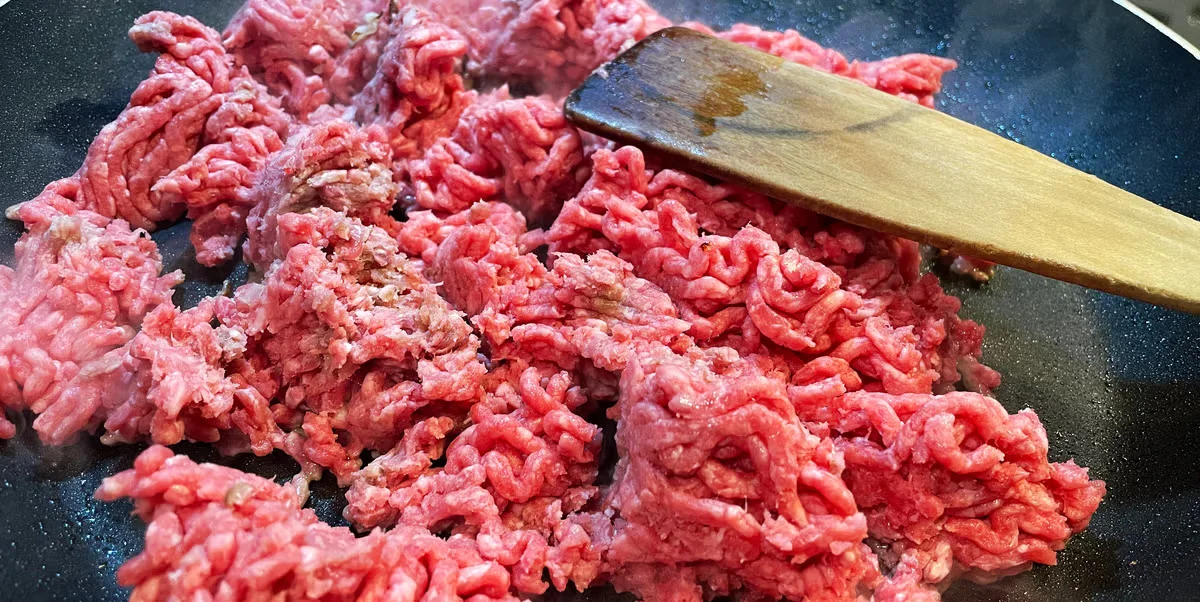
An Idaho company recalled nearly 3,000 pounds of ground beef due to potential E. coli contamination, with no confirmed illnesses reported. The recall involves vacuum-sealed packages produced in December, and consumers are advised to discard or return the product and cook ground beef to 160°F to ensure safety.
An Idaho-based company recalled nearly 3,000 pounds of ground beef due to potential E. coli contamination, with no confirmed illnesses reported. The affected products were produced in December and shipped to multiple states, and consumers are advised to discard or return the meat and cook ground beef to 160°F to ensure safety.