Tag

Radio Telescopes

All articles tagged with #radio telescopes

science6 months ago

Ancient Radio Signals May Unveil the Universe's First Stars and Galaxies

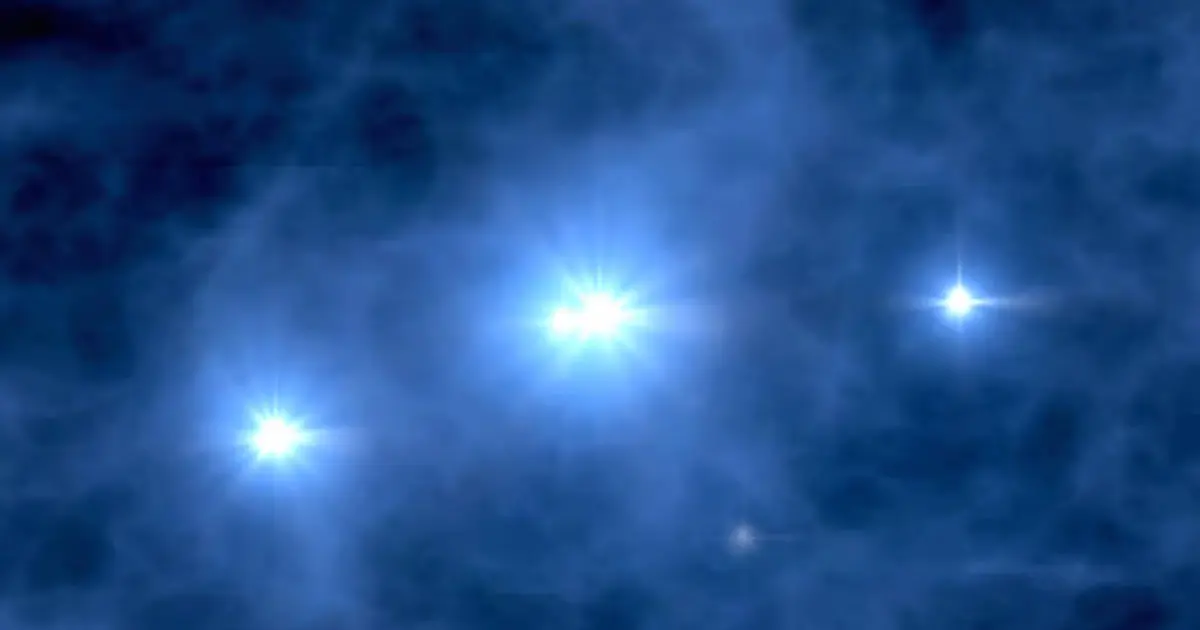
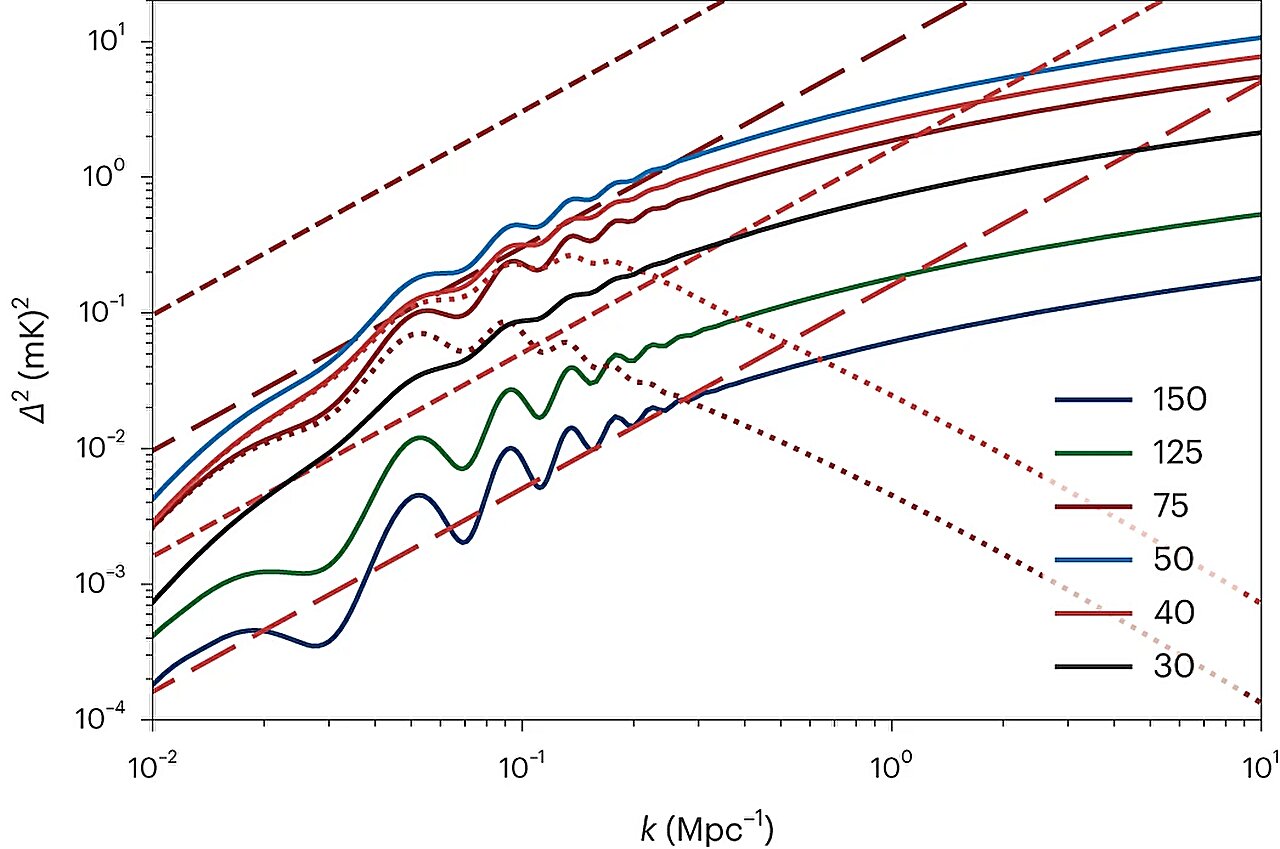
Scientists are exploring the faint radio signals emitted by neutral hydrogen in the early universe to potentially identify and understand the properties of the first stars, using advanced radio telescopes like SKA and REACH. Modeling suggests these signals could reveal the masses and characteristics of these primordial stars, shedding light on the universe's transition from darkness to light.

science7 months ago

New Telescope to Discover the Universe's First Stars

The James Webb Space Telescope has advanced our understanding of distant galaxies but is unlikely to detect the very first stars due to cosmic extinction. Future telescopes focusing on longer wavelengths, such as far-infrared or radio observations from the Moon's far side, hold promise for uncovering the universe's earliest stellar populations, potentially revealing the first stars formed after the Big Bang.

space-exploration1 year ago

"Challenges of Enforcing Radio Silence on the Moon's Far Side"

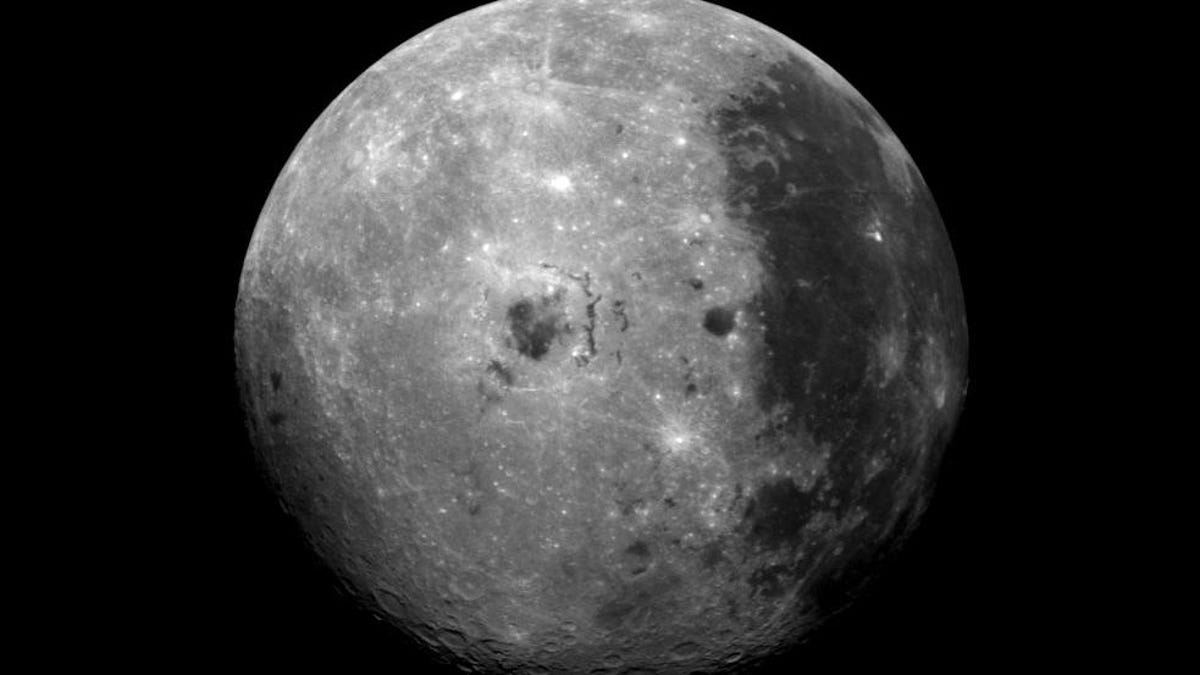
The International Academy of Astronautics is advocating for the preservation of radio silence on the far side of the Moon to protect its use as an ideal location for radio telescopes to pick up faint signals from the cosmic past. However, with increased lunar activity and plans for constant communication with lunar assets, such as NASA's Lunar Gateway and China's satellite constellation, the quiet days of the far side may be drawing to a close. This raises concerns among astronomers about the potential compromise of future observations of the cosmos and the need for regulations to protect the Moon and other celestial objects.

astronomy2 years ago

"Unraveling the Mystery: Earth's Puzzling Encounter with Intergalactic Radio Waves"

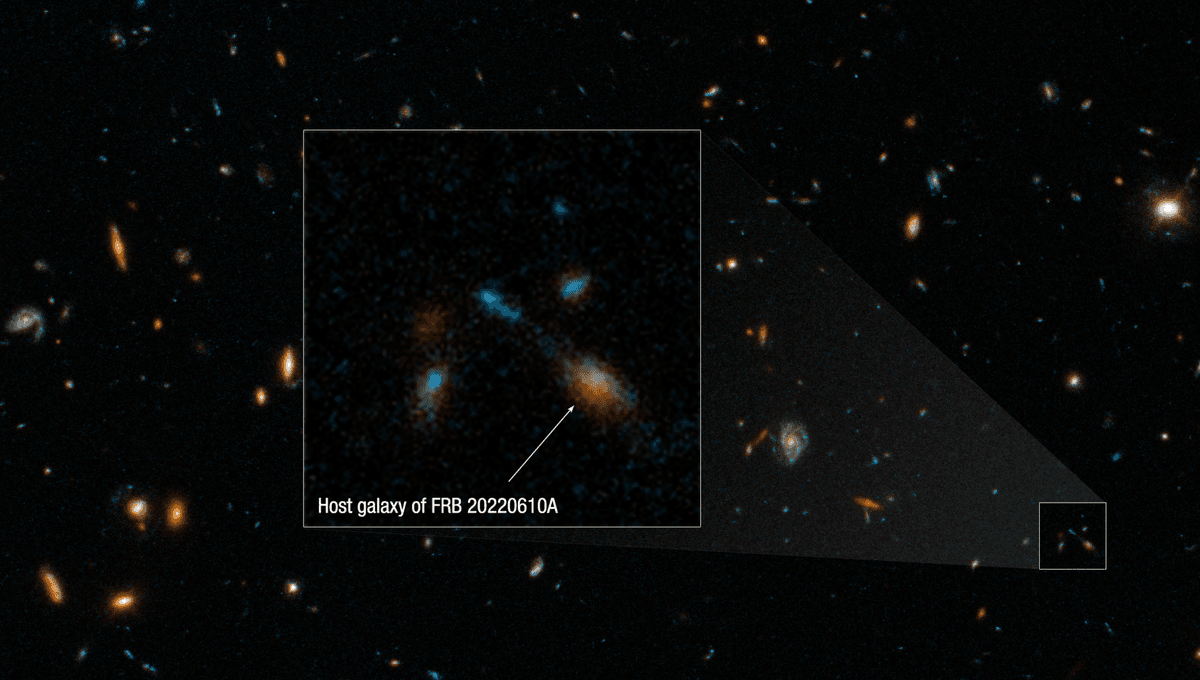
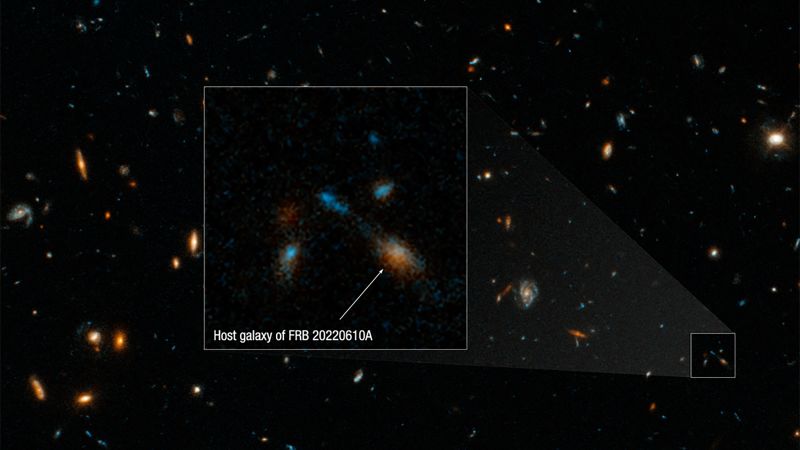
Researchers have detected a new and extremely powerful fast radio burst (FRB) originating from a group of merging galaxies located more than halfway across the universe. This FRB, named FRB 20220610A, is four times more energetic than other FRBs and its discovery sheds light on the mysterious origins of these astronomical events. The use of the Hubble Space Telescope was crucial in pinpointing the exact location of the FRB, which is in a peculiar environment of a galaxy interacting with at least six others. The findings were presented at the 243rd meeting of the American Astronomical Society, and researchers hope that further discoveries of FRBs will provide more insights into their causes and origins.

astronomy2 years ago

"Uncovering a Mysterious Radio Signal from an Ancient Star Cluster"

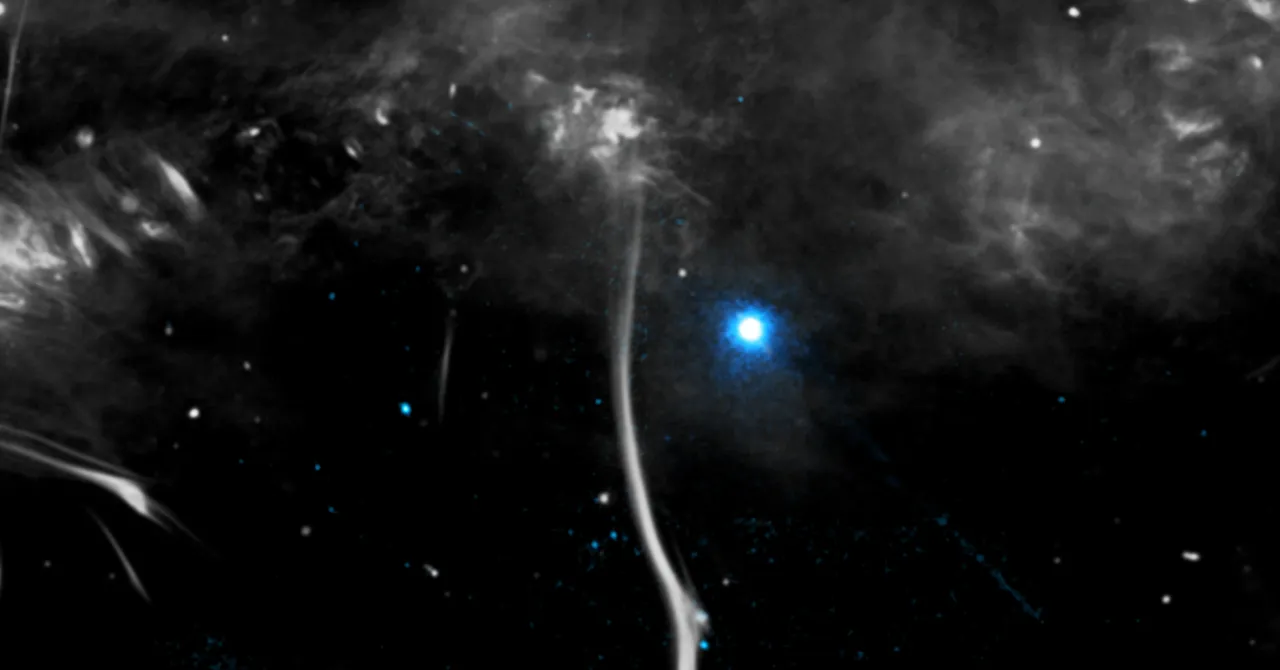
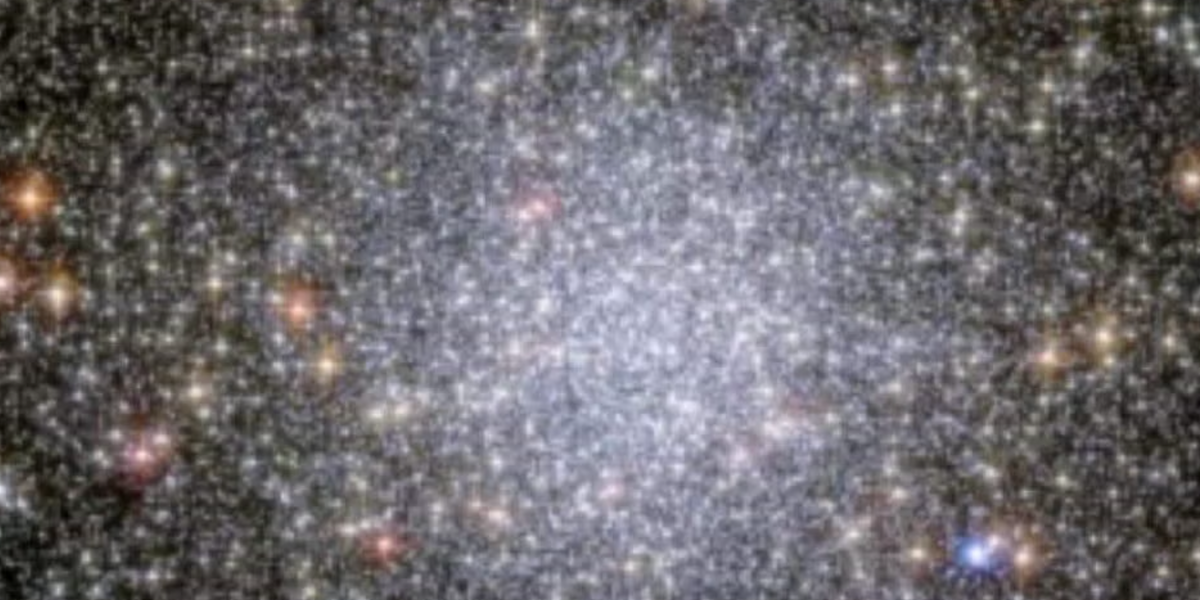
Scientists have discovered a radio signal within the ancient star cluster 47 Tucanae, using the most sensitive radio image to date created after over 450 hours of research and observations. The signal could indicate the presence of a black hole or a pulsar, potentially leading to a significant discovery and the first-ever radio detection of a black hole inside a cluster.

astronomy2 years ago

"Rare Group of Galaxies Linked to Mysterious Fast Radio Burst"

Astronomers have traced a powerful fast radio burst, FRB 20220610A, to a rare "blob-like" group of seven interacting galaxies located 8 billion light-years away. The burst, four times more energetic than previous FRBs, was detected using the Australian Square Kilometre Array Pathfinder and the European Southern Observatory's Very Large Telescope. The discovery sheds light on the mysterious origins of fast radio bursts and suggests that interactions within the compact galactic group, possibly triggering bursts of star formation, may have caused the FRB. Understanding the origins of fast radio bursts could provide insights into the nature of the universe and help astronomers determine the underlying causes of these cosmic events.

astronomy2 years ago

"Unraveling the Mystery of Odd Radio Circles in Space"

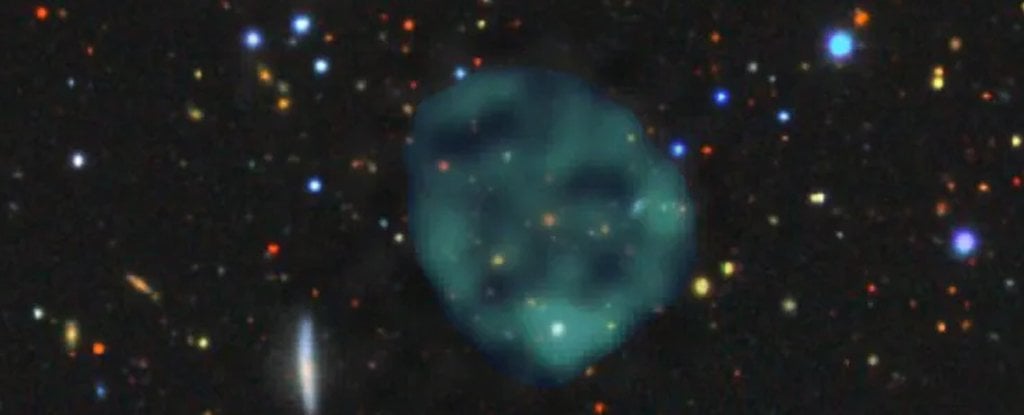
Astronomers have finally found a possible explanation for the mysterious odd radio circles (ORCs) in deep space, which were discovered in 2019. These ghostly circles are believed to be shockwaves created by powerful galactic winds emanating from starburst galaxies, where intense star formation occurs due to galactic mergers. Computer simulations suggest that these galactic outflows, driven by high rates of supernova explosions, could produce the observed ORCs. This discovery raises questions about the duration and prevalence of ORCs and their relationship to starbursting galaxies, offering potential insights into the evolution of the Universe.

science-and-technology2 years ago

Unveiling the Early Universe: Moon-based Radio Telescopes Provide New Insights

Tel Aviv University researchers have published a study in Nature Astronomy, proposing that radio telescopes on the moon could provide groundbreaking insights into the early universe, specifically the cosmic dark ages just 50 million years after the Big Bang. By detecting radio waves emitted from hydrogen gas during that time, scientists could test the standard cosmological model, determine the composition of the universe, and potentially gain clues about dark matter. The study also suggests that a lunar antenna array could accurately measure the amount of hydrogen and helium in the universe, as well as the weight of cosmic neutrinos.

science2 years ago

"Generational Perspective: Witnessing the Big Bang through the Eyes of Our Parents"

Physicists Arno Allan Penzias and Robert Woodrow Wilson discovered an unusual noise in their radio telescope observations in 1964, which turned out to be the cosmic microwave background (CMB) - the leftover radiation from the Big Bang. This discovery provided evidence for the Big Bang theory and earned them the Nobel Prize in Physics. Interestingly, the static "snow" seen on old analog TVs between channels also contains remnants of the CMB, although modern digital TVs and radios do not pick it up.

science-and-technology2 years ago

Moon's Radio Telescopes Unveil Universe's Secrets

Researchers from Tel Aviv University have conducted a study highlighting the potential of using radio telescopes on the moon to determine the history and composition of the universe. By detecting radio waves emitted from the hydrogen gas during the cosmic dark ages, scientists can gain insights into the early universe and test the standard cosmological model. The findings could help determine the weight of neutrino particles, shed light on the mystery of dark matter, and accurately measure the amount of hydrogen and helium in the universe. The study emphasizes the scientific prospects of lunar-based radio observations and the importance of international space missions to the moon.

astronomy2 years ago

Unprecedented Discovery: Ancient Galaxies Reveal Unparalleled Molecular Collection

Astronomers using the NOEMA radio telescope in France have discovered a record-breaking collection of 13 different molecules in two extremely ancient galaxies, APM 08279+5255 and NCv1.143, which are over 12 billion light-years away. The galaxies are forming stars at a rapid rate, and the detected molecules provide insights into the environments in which they are found. The discovery suggests a "top-heavy initial mass function," indicating that more massive stars were able to form in the early universe. This finding may explain the higher luminosity of galaxies in the early universe and the accelerated development of chemistry through supernova explosions.