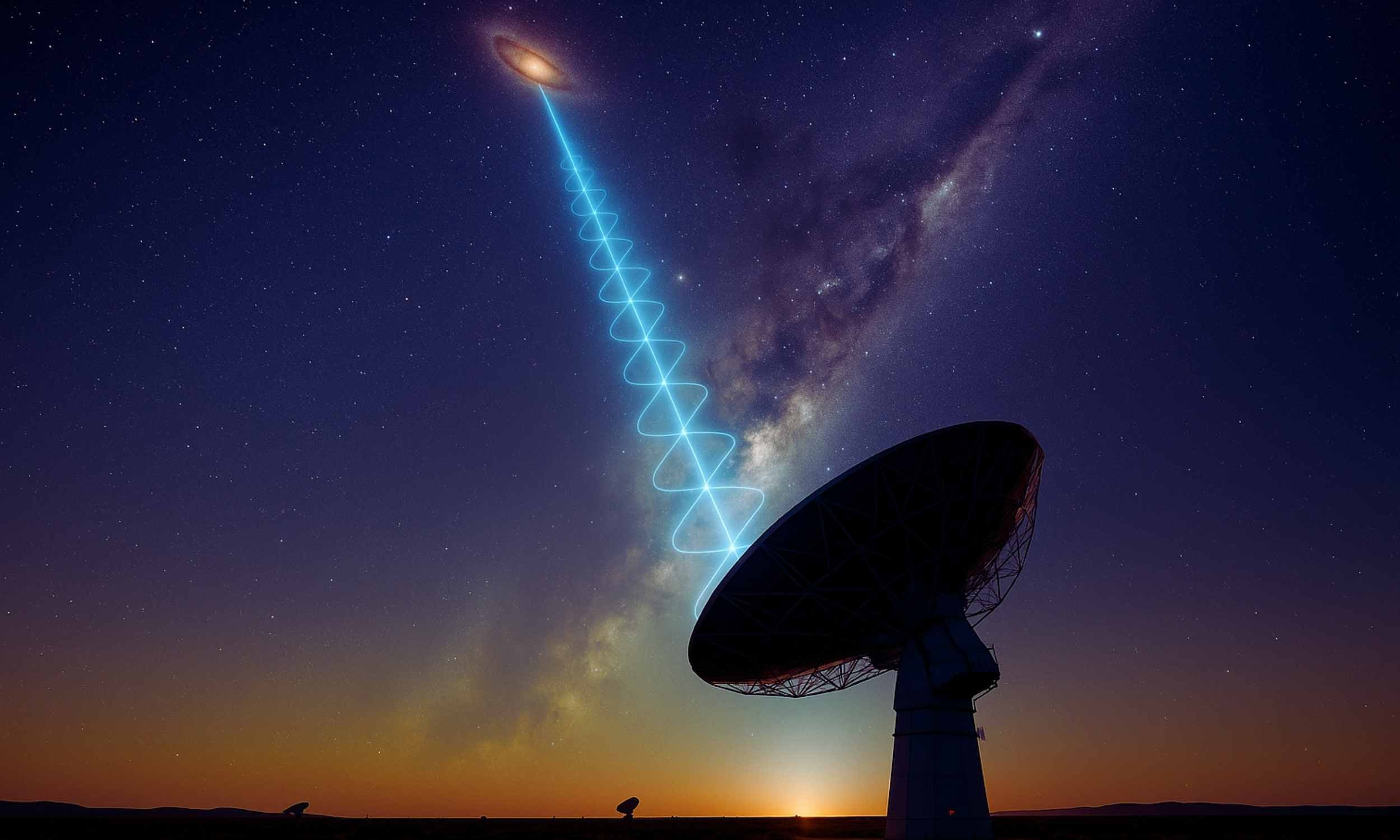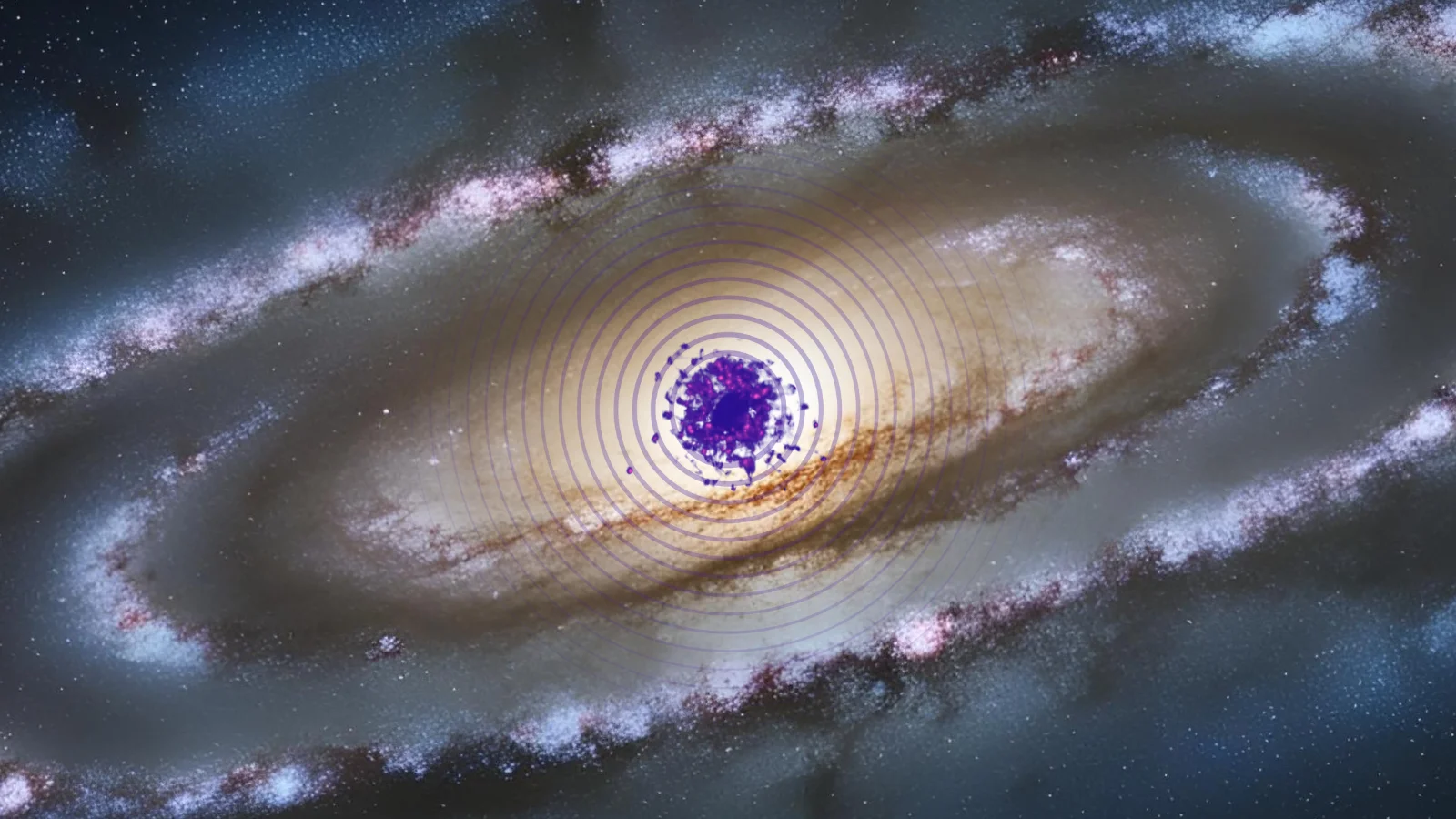
Most of the universe's normal matter isn't in stars or galaxies but is distributed in the cosmic web between galaxies, with recent studies using fast radio bursts confirming that about 76% of normal matter resides in intergalactic space, supporting the Big Bang theory. Dark matter, which makes up most of the universe's mass, remains largely mysterious, but scientists are actively studying it through various methods including underground detectors and telescopes.

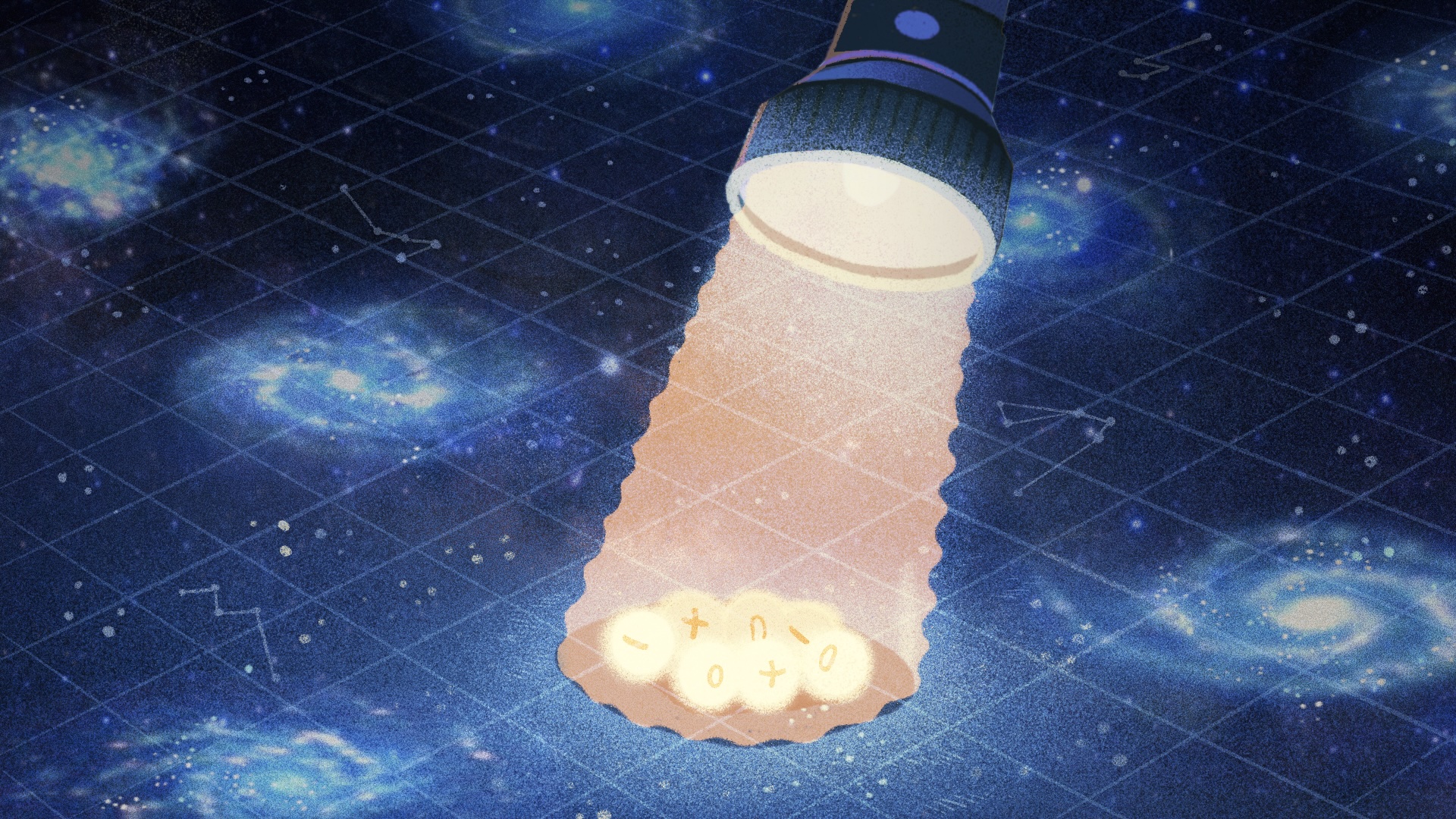
Scientists have potentially located the missing ordinary matter in the universe, which is mostly found outside galaxy halos in the intergalactic medium, using observations of fast radio bursts to measure the distribution of baryons and better understand the universe's composition.
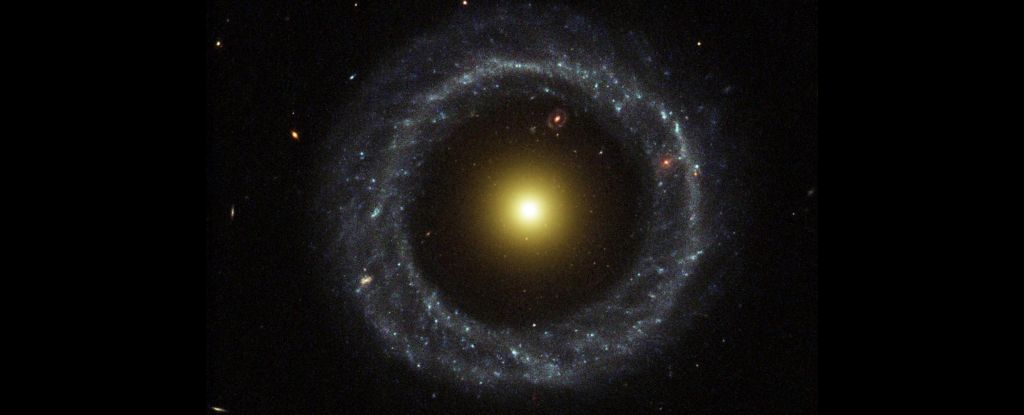
The article explores seven perplexing space mysteries, including the Hubble tension, fast radio bursts, dark matter, a unique gamma-ray burst, Hoag's Object galaxy, the potential existence of Planet Nine, and the vast unknowns of the universe, highlighting ongoing questions and the pursuit of scientific answers.
Scientists are using fast radio bursts (FRBs) to locate the universe's missing baryonic matter, which is difficult to detect with traditional methods. Recent discoveries suggest that FRBs can serve as cosmic probes to map the distribution of ordinary matter, helping to solve the longstanding 'missing baryon problem' and improve understanding of cosmic evolution.
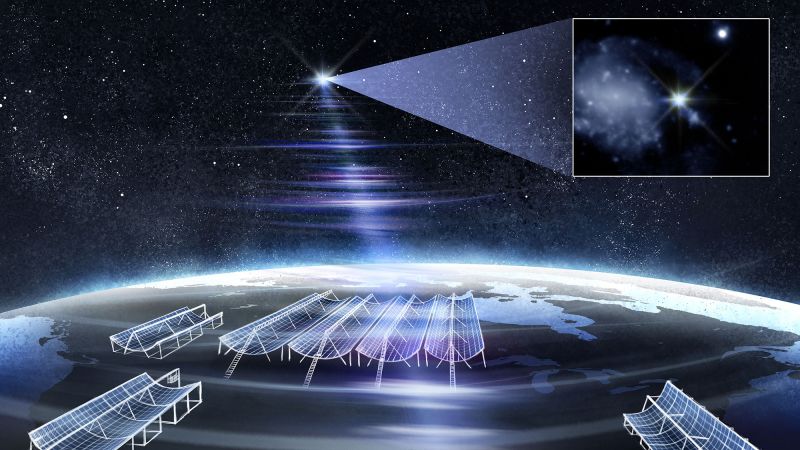
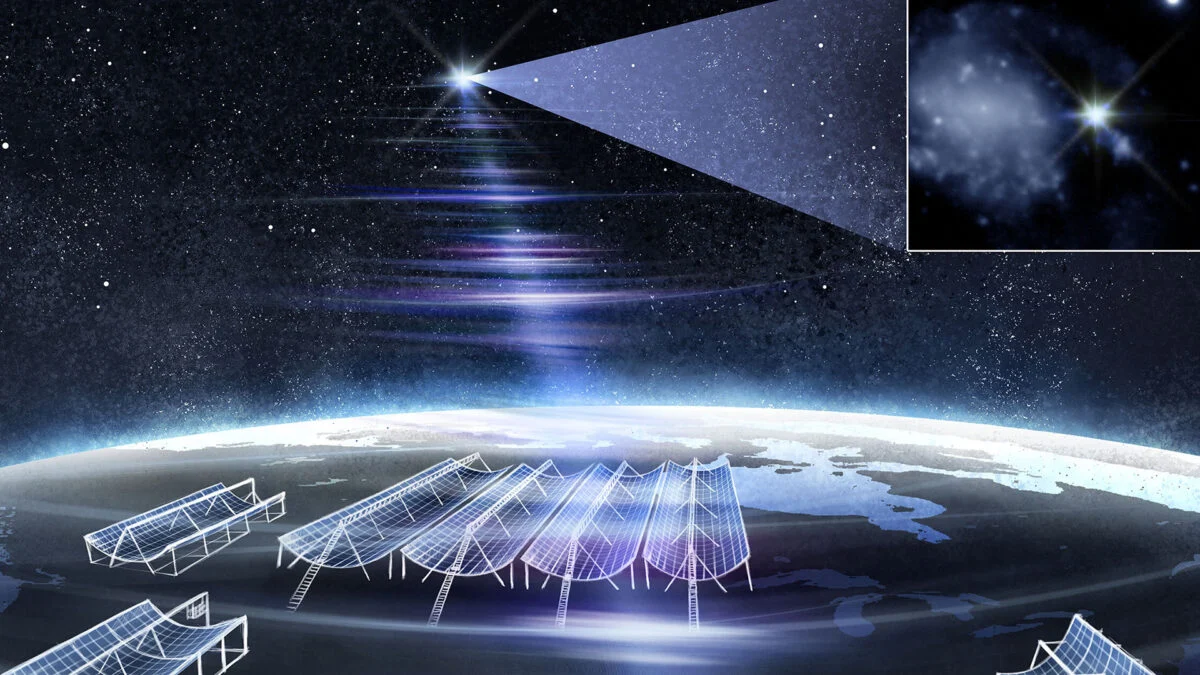
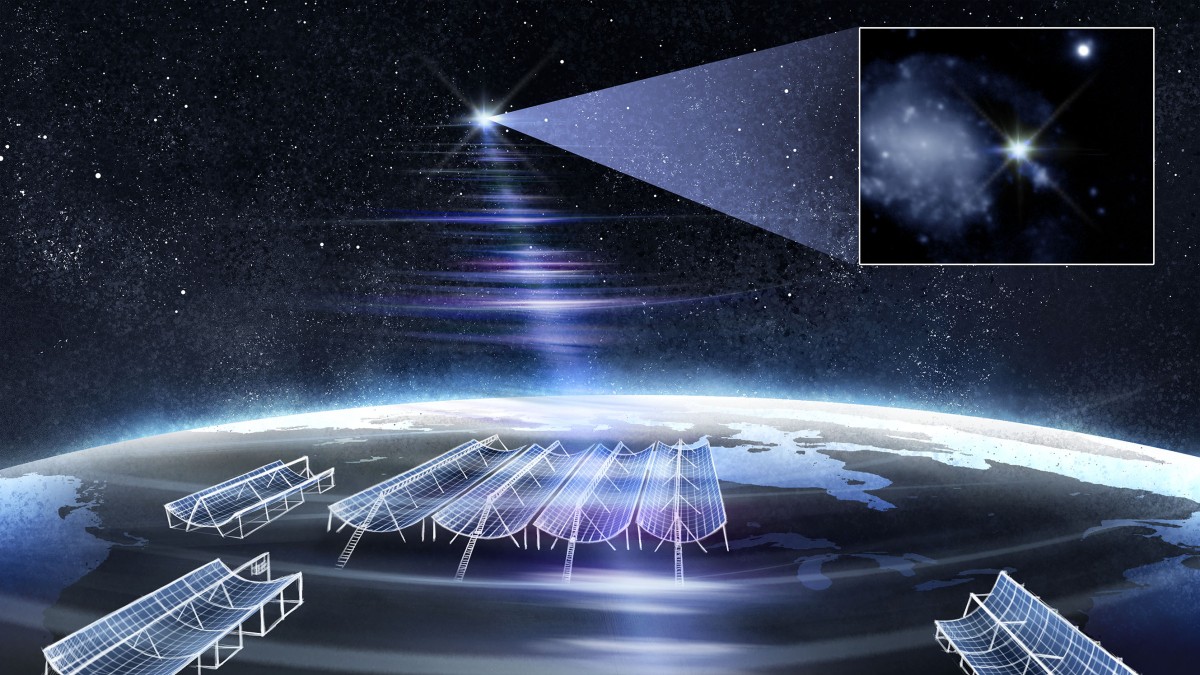
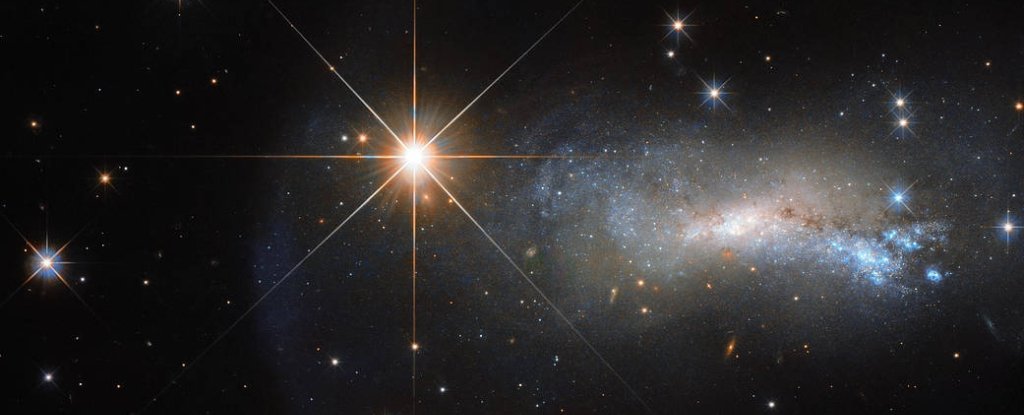
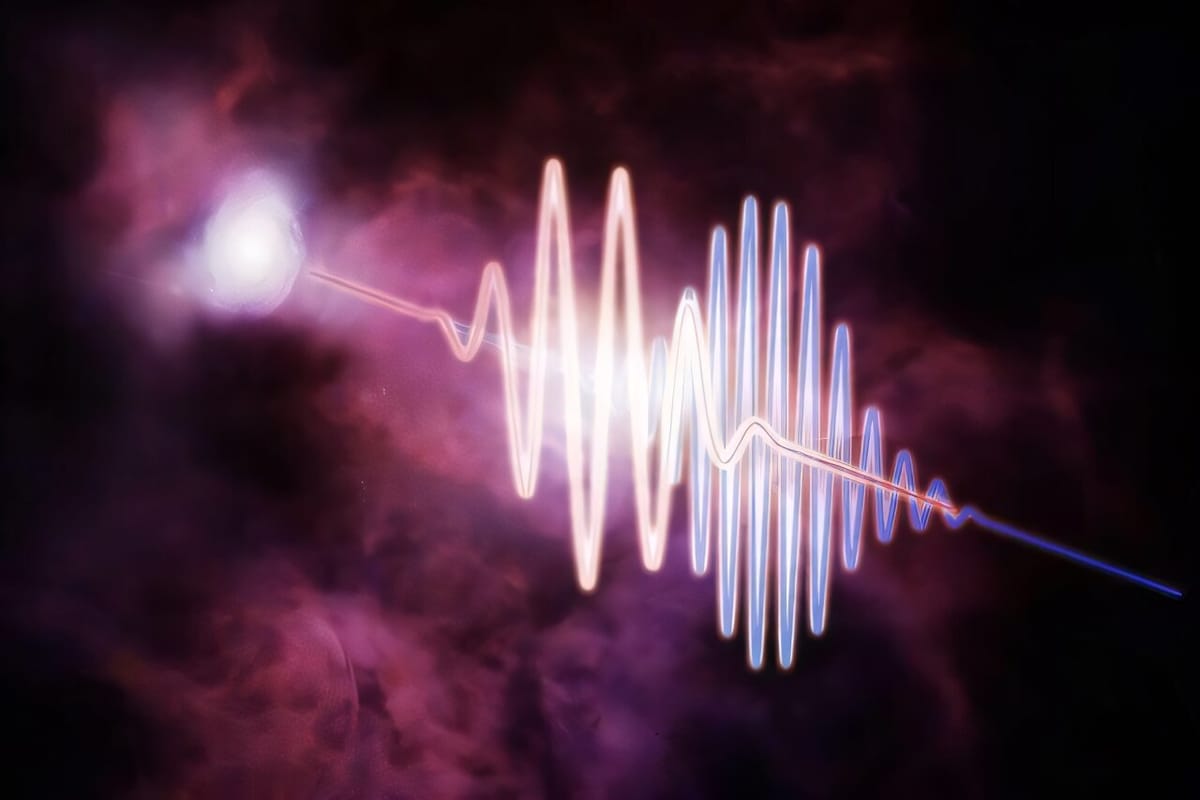
Scientists have successfully traced the brightest known fast radio burst, FRB 20250316A, to its origin in the galaxy NGC 4141 using a new network of telescopes, marking a significant milestone in understanding these mysterious cosmic flashes and suggesting magnetars as a likely source.
Astronomers detected the brightest fast radio burst ever, RBFLOAT, from a galaxy 130 million light-years away, using advanced telescopes like CHIME and Webb. The findings suggest magnetars as a potential source and provide unprecedented localization, helping to unravel the mystery of these cosmic signals and their origins.
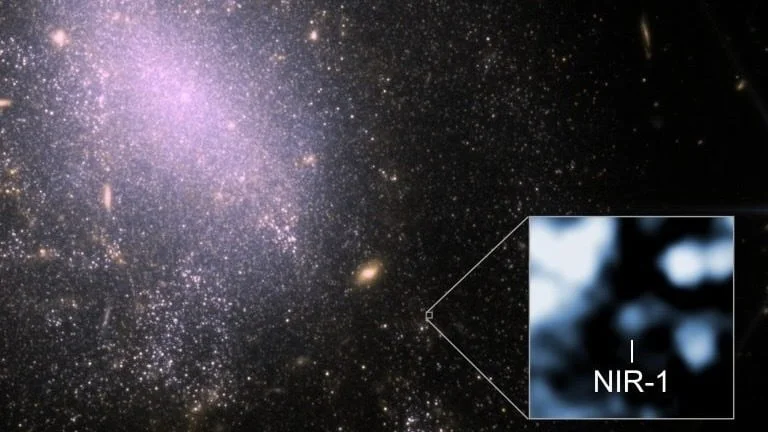
A team using MeerKAT in South Africa discovered a highly active repeating fast radio burst source, FRB 20240619D, emitting hundreds of short radio pulses across multiple frequencies, providing valuable insights into the nature of these cosmic phenomena and their potential origins near magnetars, while also setting limits on optical counterparts and helping map the universe's ionized gas.
Scientists have detected the brightest fast radio burst ever, named RBFLOAT, originating from a galaxy 130 million light-years away, and pinpointed its exact location, providing new insights into their origins, possibly linked to magnetars. The discovery was made using the CHIME telescope and its outriggers across North America, marking a significant advancement in understanding these mysterious cosmic phenomena.
Scientists used the James Webb Space Telescope to pinpoint the origin of the brightest radio burst ever detected, linking it to a galaxy 130 million light-years away and suggesting it may have originated from a star system involving a neutron star or magnetar, marking a significant advancement in understanding fast radio bursts.
Astrophysicists have used fast radio bursts to locate the Universe's missing normal matter, finding that about three-quarters of it resides in the intergalactic medium between galaxies, primarily as hydrogen gas, helping to solve a decades-old cosmic mystery.
This week in science, the mysterious 'Dragon Man' skull has been classified, potentially as a Denisovan, and new studies are shedding light on the universe's 'missing' matter using fast radio bursts. Additionally, research suggests psilocybin can provide long-term relief from depression, and advanced AI models may produce significantly higher carbon emissions. Other highlights include volcanic eruptions in Indonesia and concerns over groundwater depletion in the Colorado River basin.
Scientists have confirmed the location of the universe's 'missing' baryonic matter, finding that about 76% of it exists as gas in the intergalactic medium, using fast radio bursts to illuminate these dark regions and improve understanding of cosmic matter distribution.
Using fast radio bursts, astronomers have accounted for all the regular matter in the universe, solving the long-standing 'missing baryon problem' by locating most of this matter in the intergalactic medium and galaxy halos.
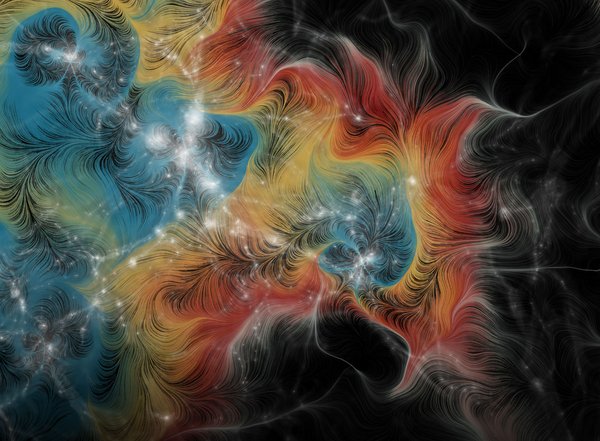
Astronomers used fast radio bursts to map and locate the universe's missing ordinary matter, revealing that about 76% of cosmic matter exists as hot, low-density gas between galaxies, helping to solve the decades-old missing baryon problem.
Scientists have used fast radio bursts to directly detect and account for all the missing ordinary matter in the universe, revealing that most of it resides in the space between galaxies, which confirms predictions from cosmological models and enhances our understanding of galaxy formation and fundamental particles like neutrinos.