Tag

Astronomical Discoveries

All articles tagged with #astronomical discoveries

science3 months ago

Scientists Uncover New Insights into Interstellar Comet 3I/ATLAS and Its Mysteries

This week's science news covers the potential ancient origins of interstellar comet 3I/ATLAS, a mysterious gravity anomaly beneath Africa linked to Earth's deep mantle, AI's capability to design new viruses with potential biosecurity risks, and the record-breaking damages caused by extreme weather events in 2025, highlighting significant advancements and concerns in astronomy, geology, AI, and climate science.
astronomy1 year ago

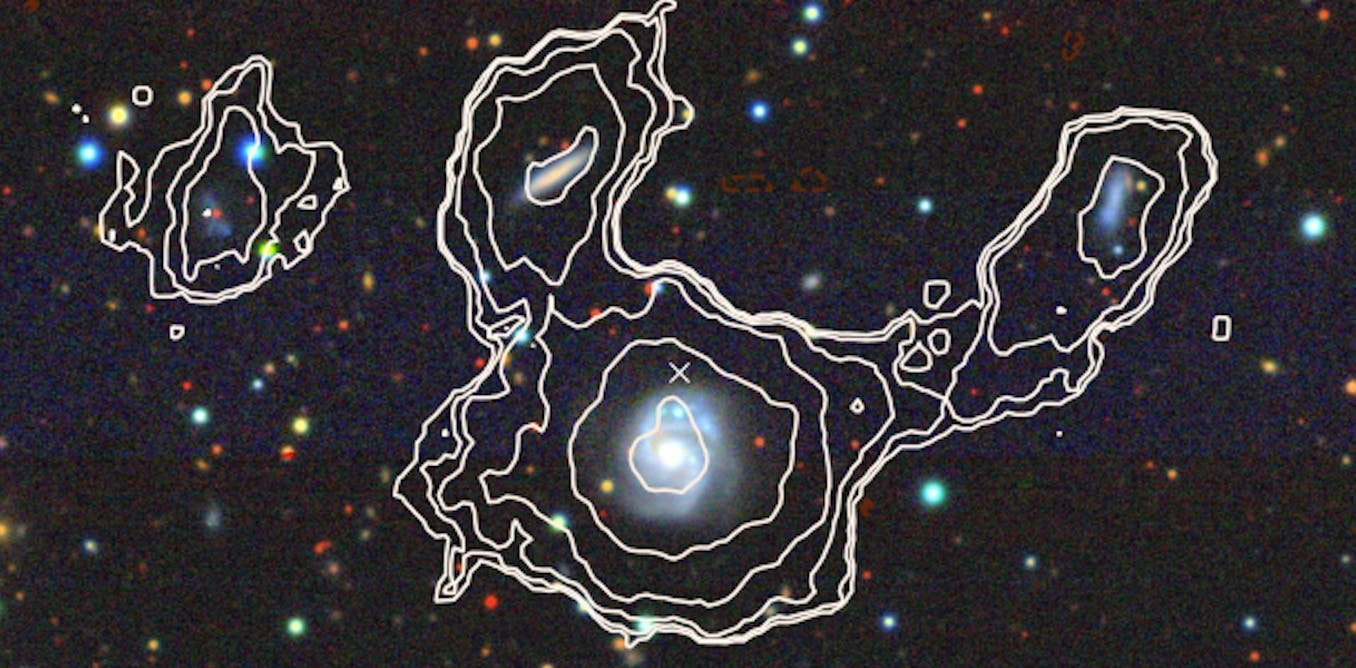
"Discovery of 49 Unknown Galaxies While Searching for Glowing Interstellar Gas"

Astronomers using the MeerKAT radio telescope in South Africa to search for hydrogen gas in a specific galaxy stumbled upon 49 previously unknown galaxies instead. The discovery, made in a short observation time, sheds light on the gas-rich environments and interactions between galaxies. The MeerKAT telescope, a precursor to the larger Square Kilometre Array (SKA), has proven to be a valuable tool for uncovering new astronomical phenomena and is expected to reveal more discoveries in the future.

astronomy1 year ago

"The Pinnacle of Astronomical Discoveries: A Cosmologist's Guide"

The article presents a list of the top five astronomical discoveries of all time, as determined by a theoretical cosmologist. The first discovery highlighted is the accurate measurement of the Earth's circumference by Eratosthenes around 250 BCE, using a clever method that involved observing the Sun's position at different locations. This groundbreaking discovery demonstrated the use of astronomy for precise measurements and marked a significant leap in our understanding of the cosmos.

astronomy1 year ago

"Unveiling Water's Role in Planet Formation Across the Universe"

Water vapor has been detected in the disc around a young star, HL Tauri, where planets are likely forming, revealing its potential impact on planet composition. The discovery, made using the ALMA observatory, is significant as water is crucial for life and plays a key role in planet formation. The findings provide detailed images and spatially resolve water vapor at a distance of 450 light-years from Earth, shedding light on the distribution of water in a stable, cool disc, which offers favorable conditions for planet formation. This discovery has implications for understanding planet formation and the role water plays in it, with future upgrades at ALMA and the Extremely Large Telescope set to provide even clearer insights.

astronomy1 year ago

"Discovery: 3 Tiny New Moons Orbiting Uranus and Neptune"

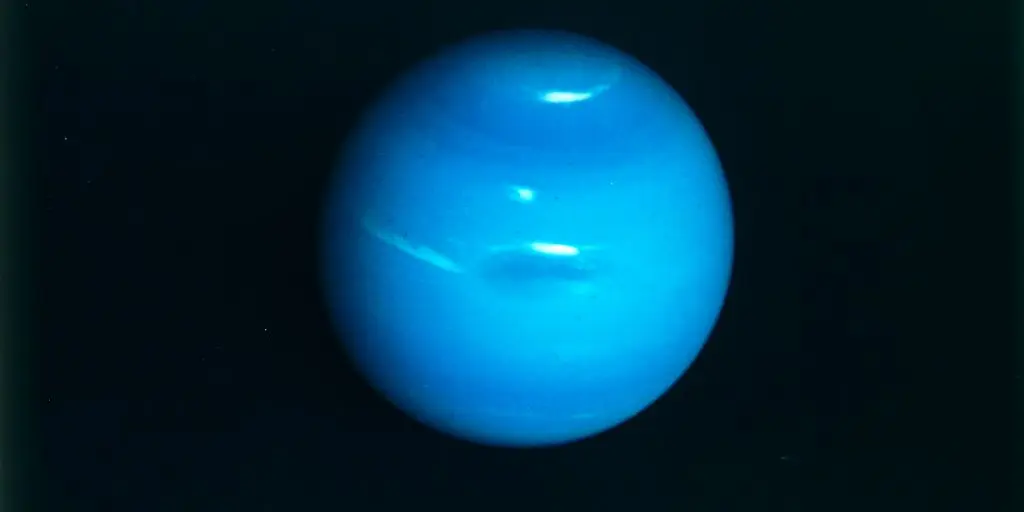
Astronomers have identified three new moons in our solar system, with one orbiting Uranus and two around Neptune, bringing the total count to around 293 natural satellites. These faint objects were discovered using powerful telescopes in Chile and Hawaii, and are expected to be named after characters from Shakespeare plays and Greek mythology sea nymphs. The moons, although new to astronomers, are not new to the solar system, hinting at the possibility of more discoveries.

astronomy1 year ago

"Unveiling the Location of Planet Nine in Our Solar System"

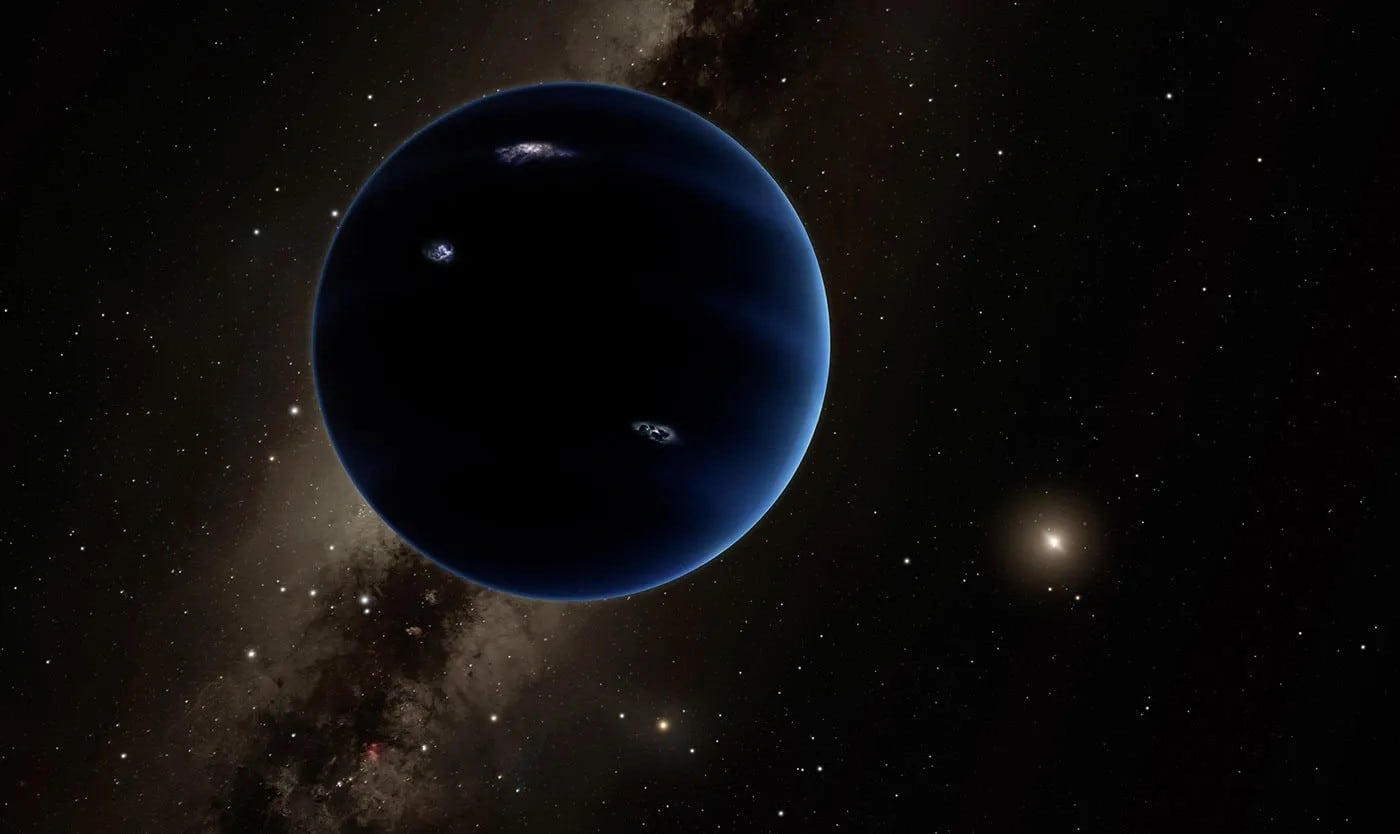
Astronomers have narrowed down the potential location of the elusive Planet X, also known as Planet 9, using data from the Pan-STARRS telescope. The hypothetical planet is estimated to be the fifth largest in our solar system, with a mass between that of Earth and Uranus, and could be around 500 AU away from the Sun. Despite significant progress, the planet remains undiscovered, but upcoming surveys like the Legacy Survey of Space and Time at the Vera C. Rubin Observatory offer hope for bringing Planet X into our known solar system, potentially providing insights into planetary science and explaining anomalies in the outer solar system's orbital patterns.

astronomy1 year ago

"Unlikely Galaxy: JWST's Surprising Discovery"

The James Webb Space Telescope accidentally discovered a unique dwarf galaxy, PEARLSDG, 98 million light years away from Earth, which challenges existing understanding of dwarf galaxy formation. PEARLSDG is inactive and lacks neighboring galaxies, defying typical characteristics of dwarf galaxies. Scientists are intrigued by this anomaly and are considering the possibility of other isolated quiescent galaxies yet to be discovered, emphasizing the need for further research in this field.

astronomy1 year ago

"JWST Captures Rare Images of Exoplanets Orbiting Dead Stars, Shedding Light on Solar System's Fate"

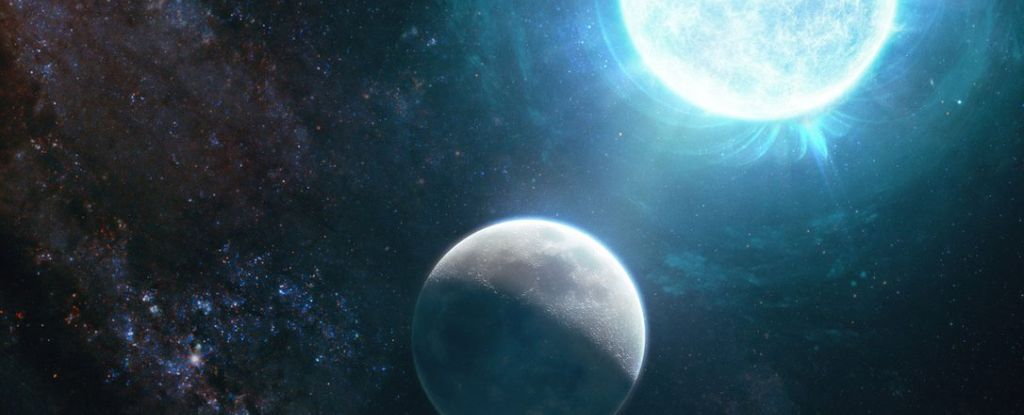
Using the James Webb Space Telescope, astronomers have potentially discovered two gas giant exoplanets orbiting white dwarf stars, offering insight into the possible fate of planets in our Solar System. If confirmed, these would be the first directly-imaged planets similar in age and separation to those in our own Solar System, demonstrating that widely separated giant planets like Jupiter can survive stellar evolution. The discovery raises questions about the fate of planetary systems when their stars reach the end of their lives, and further observations are recommended to confirm and study these fascinating findings.

astronomy2 years ago

"Unveiling the Enigmatic Ultra-Large Structure Defying Universe's Laws"

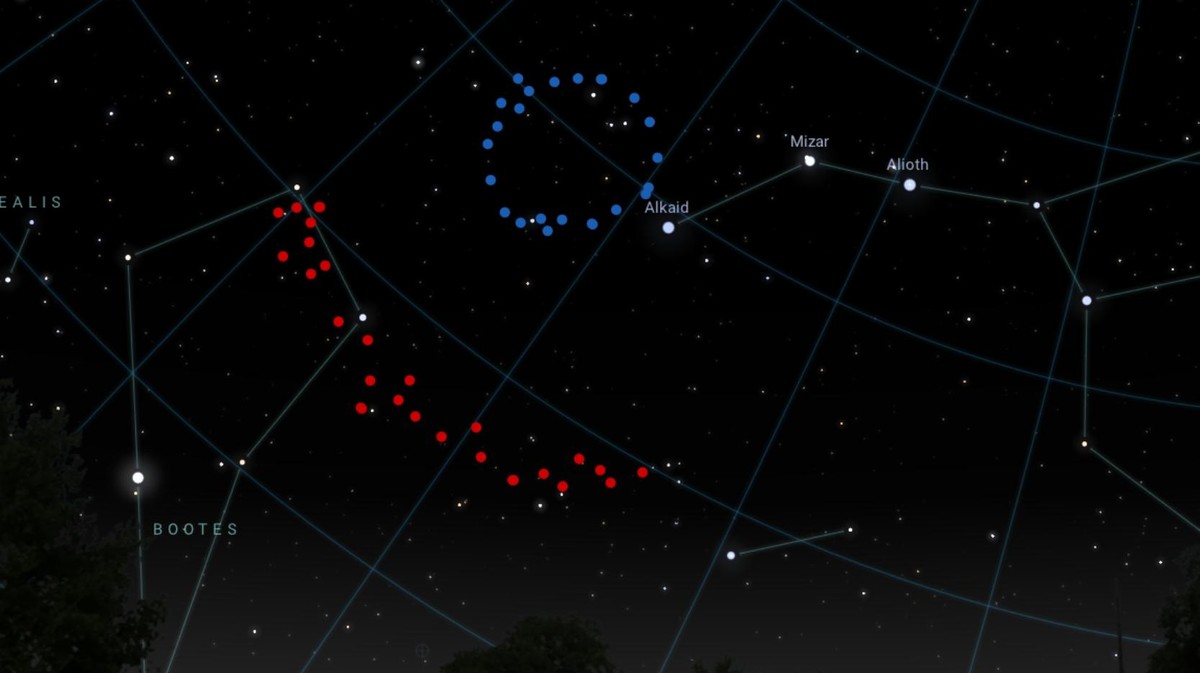
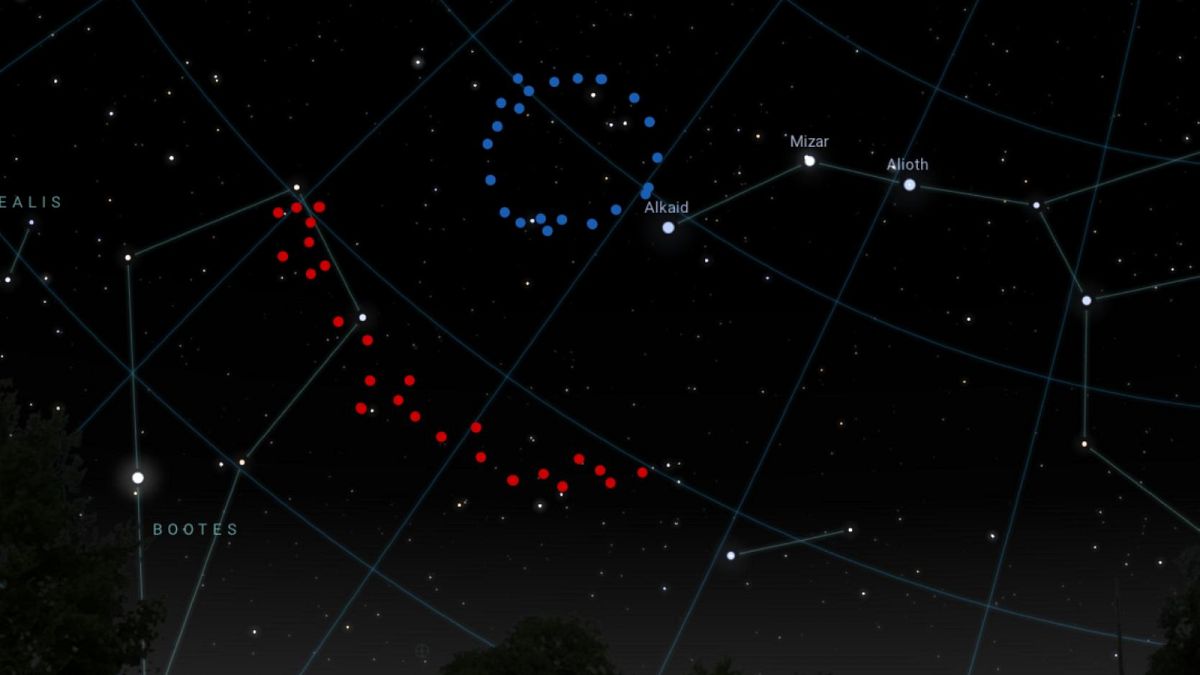
Astronomers have discovered an ultra-large structure in space, dubbed the Big Ring, measuring 1.3 billion light years across and located roughly 9 billion light years from Earth. This finding challenges the cosmological principle and the Standard Model of Cosmology, prompting scientists to re-examine their assumptions about the nature of the universe. The discovery, presented at the American Astronomical Society meeting, raises questions about the universe's formation and may indicate the presence of even larger cosmological systems. The structure's existence hints at the possibility of alternative cosmological models, such as cosmic strings or Conformal Cyclic Cosmology. Further analysis of data may reveal more structures and provide insights into the universe's enigmatic nature.

astronomy2 years ago

"Unveiling the Enigmatic Cosmic Megastructure: Challenging Our Universe's Theories"

Astronomers have discovered an ultra-large structure in the distant universe called the “Big Ring on the Sky,” challenging current understanding of the cosmos. This structure, located 9.2 billion light-years away, is the second of its kind and raises questions about the cosmological principle. The discovery adds to mounting evidence that astronomers need to rethink how the universe works, as it does not align with current assumptions. The structure's existence alongside another ultra-large structure in the same cosmic time and region of the sky suggests the possibility of an extraordinary cosmological system.

astronomy2 years ago

"The Enigma of Massive Space Explosions Unveiled"

Astronomers have observed mysterious cosmic explosions known as luminous fast blue optical transients (LFBOTs), which are 10 billion times more powerful than the sun and occur in the aftermath of a celestial event. A recent study published in Nature suggests that these extraordinary blasts are driven by the presence of a dense stellar corpse, either a black hole or a neutron star left behind after the death of a large star. The discovery has left researchers worldwide captivated and motivated, as it stretches the understanding of violent phenomena in space. The exact cause of these explosions remains a mystery, but they represent the discovery of important astronomical phenomena.

astronomy2 years ago

"Unraveling the Mystery of Enormous Cosmic Smoke Rings in Space"

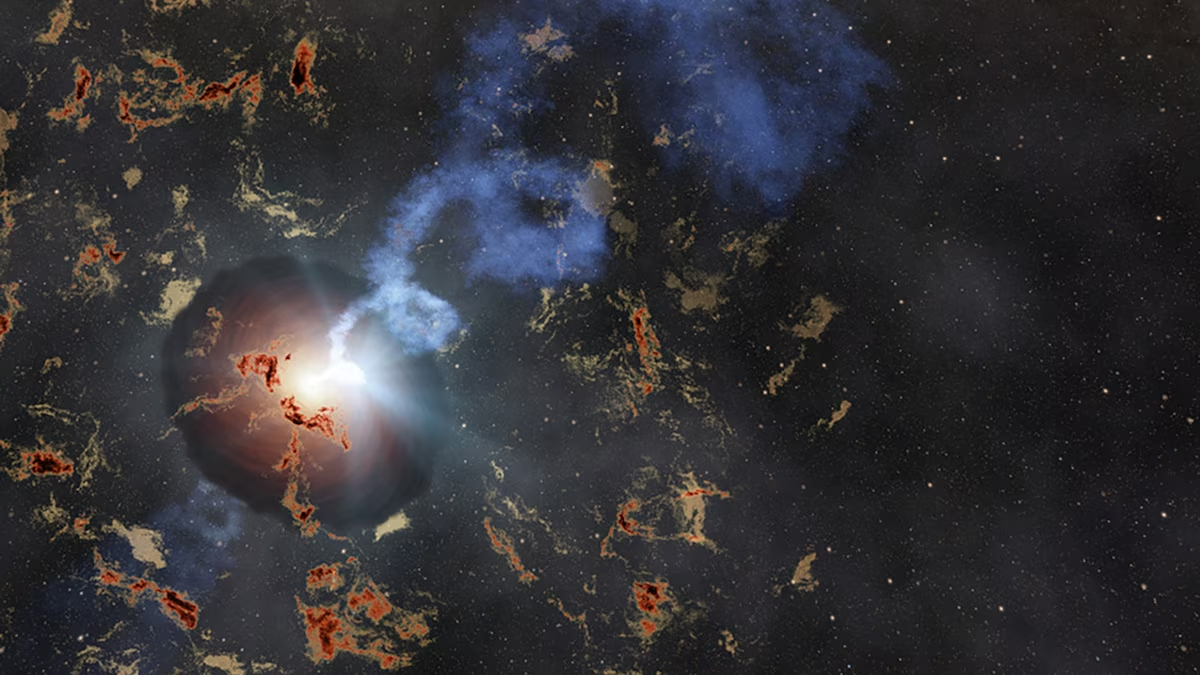
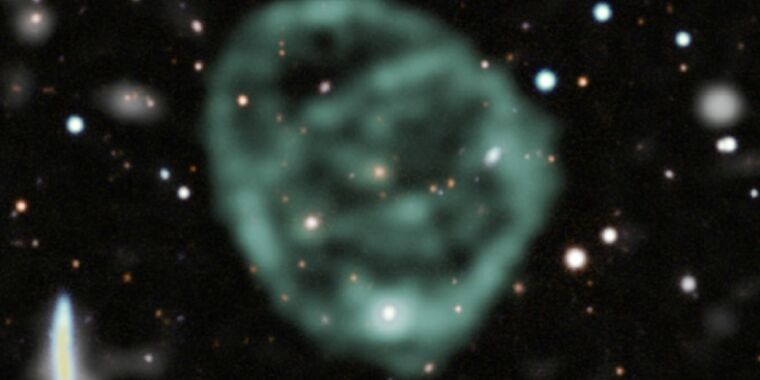
Astronomers have identified the origin of enormous "odd radio circles" (ORCs) as outflowing galactic winds from exploding stars in starburst galaxies, which occur when two large galaxies collide, pushing gas into a small region and causing intense bursts of star formation. These ORCs, measuring about a million light-years across, were initially thought to be imaging artifacts but have been confirmed as a new class of astronomical object only visible in the radio spectrum. Computer simulations and spectrograph data support the theory that ORCs are formed by powerful outflowing galactic winds, providing a rare opportunity to study galactic winds through radio data and spectrometry.

astronomy2 years ago

"Rare Group of Galaxies Linked to Mysterious Fast Radio Burst"

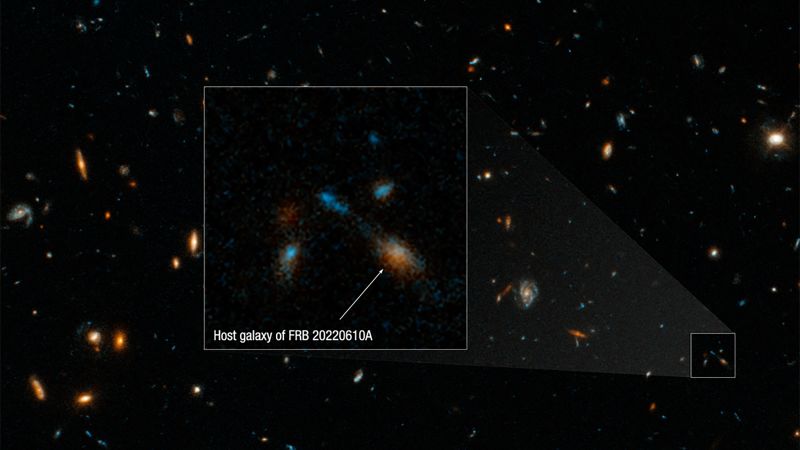
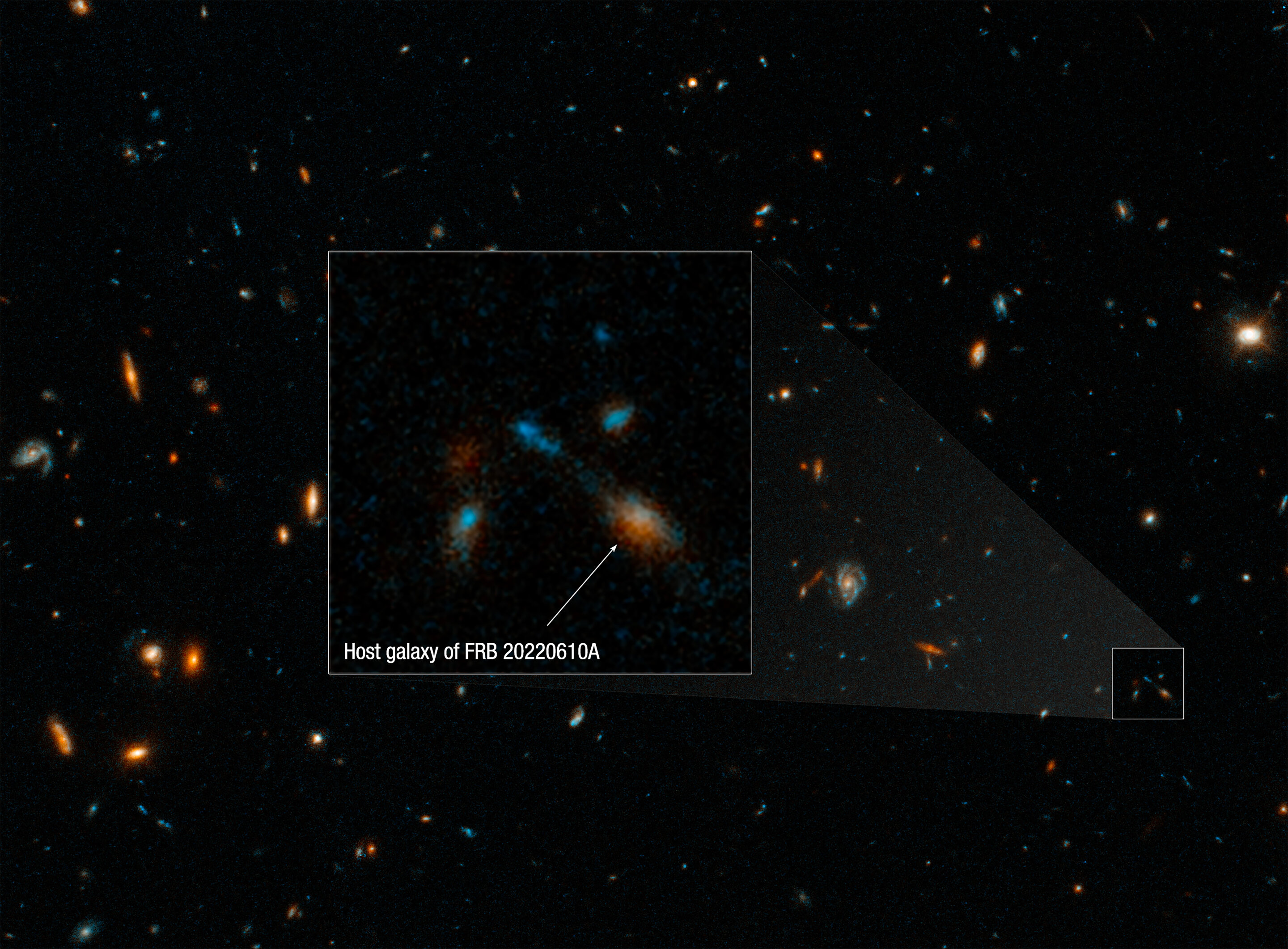
Astronomers have traced a powerful fast radio burst, FRB 20220610A, to a rare "blob-like" group of seven interacting galaxies located 8 billion light-years away. The burst, four times more energetic than previous FRBs, was detected using the Australian Square Kilometre Array Pathfinder and the European Southern Observatory's Very Large Telescope. The discovery sheds light on the mysterious origins of fast radio bursts and suggests that interactions within the compact galactic group, possibly triggering bursts of star formation, may have caused the FRB. Understanding the origins of fast radio bursts could provide insights into the nature of the universe and help astronomers determine the underlying causes of these cosmic events.

astronomy2 years ago

"Farthest Fast Radio Burst Originates from Cluster of Seven Galaxies, Scientists Discover"

Astronomers have identified the birthplace of the farthest-known fast radio burst (FRB), FRB 20220610A, as a collection of at least seven galaxies that may be in the process of merging. This discovery challenges existing scientific models of FRB production and suggests that the burst may be associated with a recent population of stars. The extreme energy and distance of FRB 20220610A, which originated when the universe was only 5 billion years old, make it a rare and significant finding in the study of FRBs. Further research and detection of distant FRBs are expected to provide valuable insights into their evolution and host properties.

space2 years ago

2023: A Year of Stellar Space Achievements and Breathtaking Images

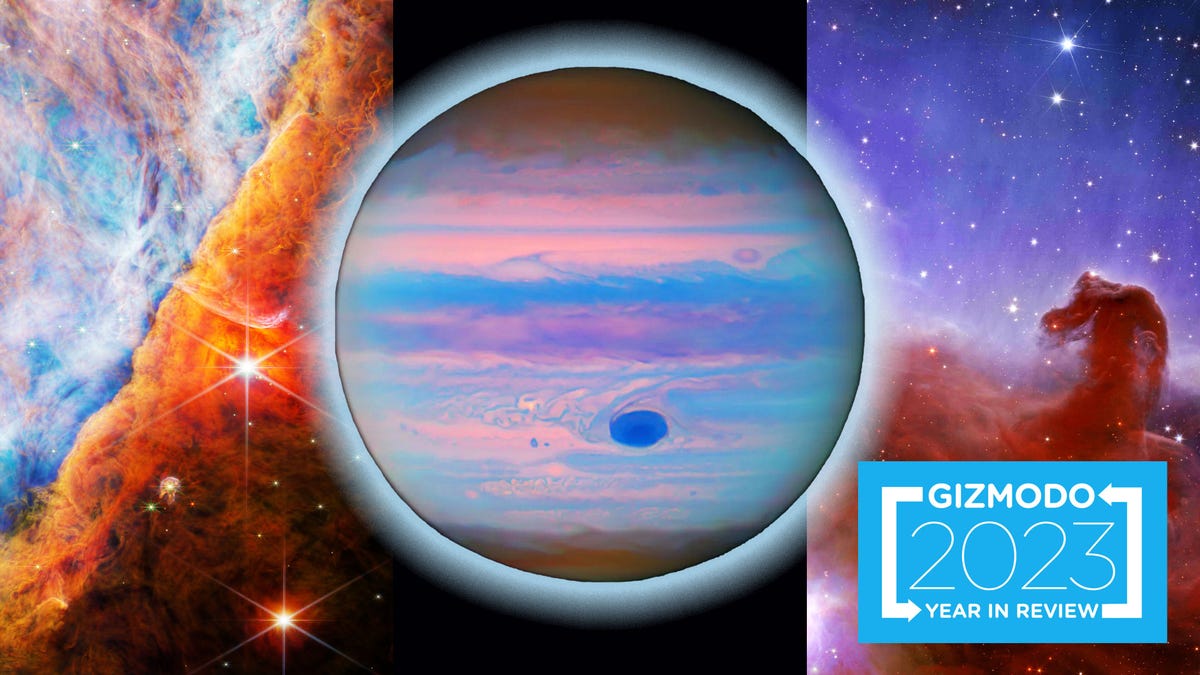
Astronomers have captured stunning space images in 2023, including the closest star-forming region Rho Ophiuchi, the galaxy cluster MACS0416, the Horsehead Nebula, Jupiter in ultraviolet light, a pulsar wind nebula resembling a spectral hand, an infrared aurora on Uranus, the galactic onion NGC 3923, an outburst by Eta Carinae, bipolar jets from Herbig-Haro 211, a gaseous ring of hydrogen orbiting a galaxy, ancient galaxies in the CEERS deep field, the globular cluster Terzan 12, the Ring Nebula, and a massive star in the Milky Way's center.