Astronomers using the James Webb Space Telescope discovered tiny dust particles traveling far beyond their galaxy, surviving harsh conditions in the circumgalactic medium, revealing new insights into galaxy evolution and matter recycling through a proposed 'cloud-wind mixing' mechanism.
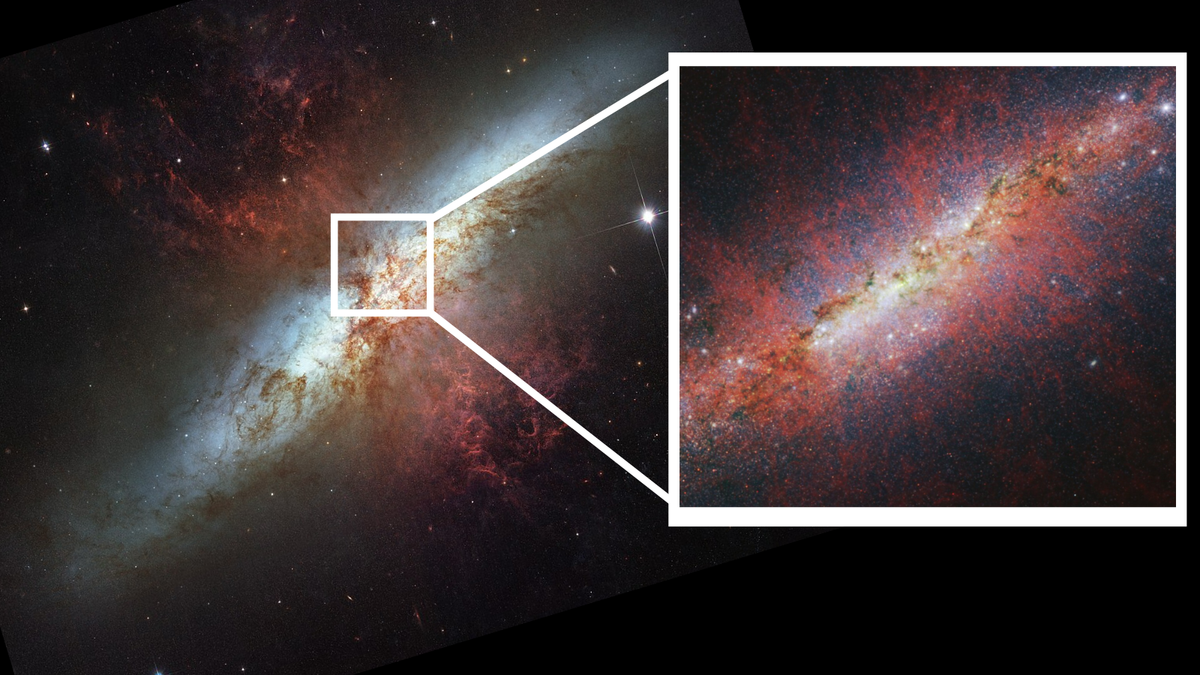
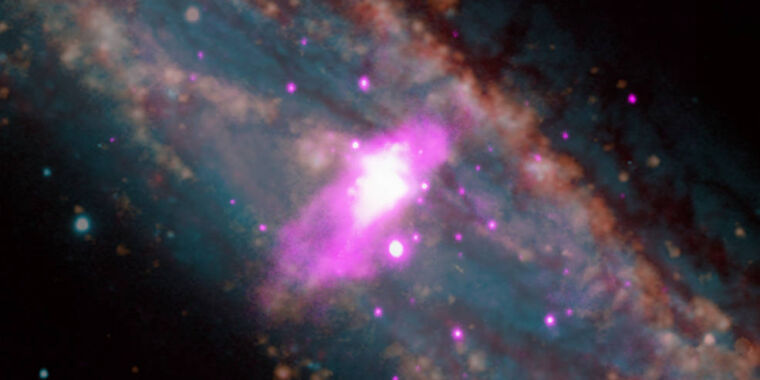
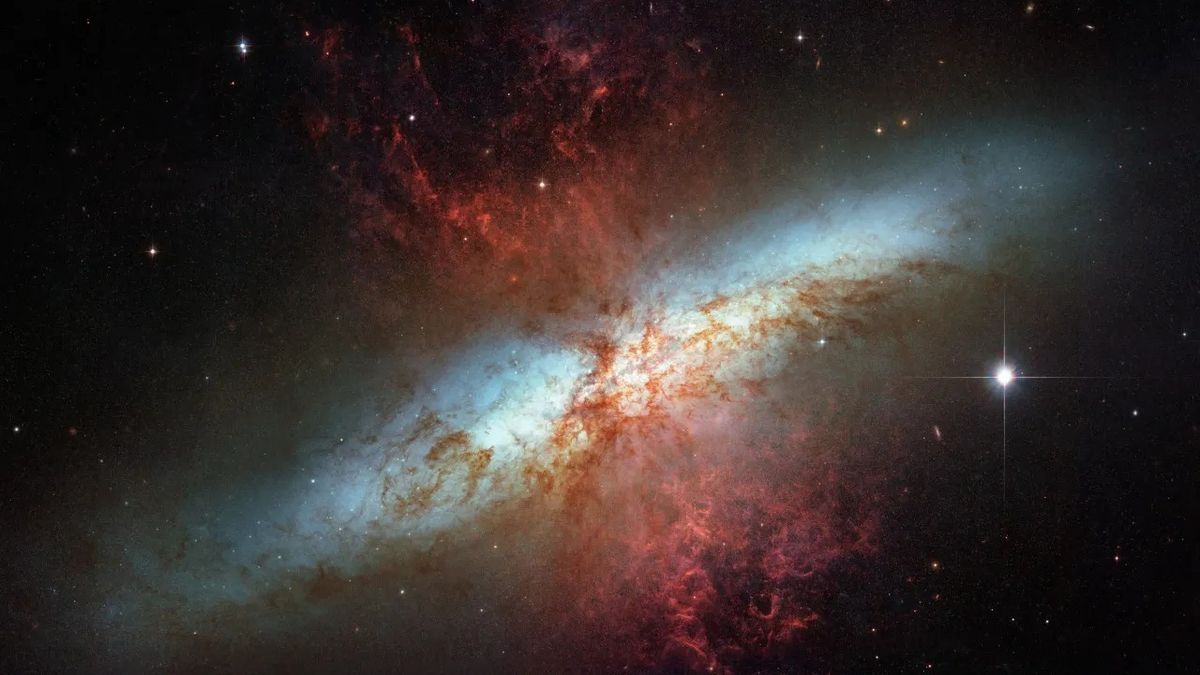
The James Webb Space Telescope has captured detailed images of the Cigar Galaxy, revealing a turbulent environment at its core where stars are forming at a rapid pace. The telescope's infrared view allowed scientists to see through the shroud of gas and dust surrounding the star-forming region, uncovering galactic winds and structures that influence star birth. The team's research, soon to be published in The Astrophysical Journal, aims to provide insights into the processes shaping starburst galaxies and their impact on galactic evolution.
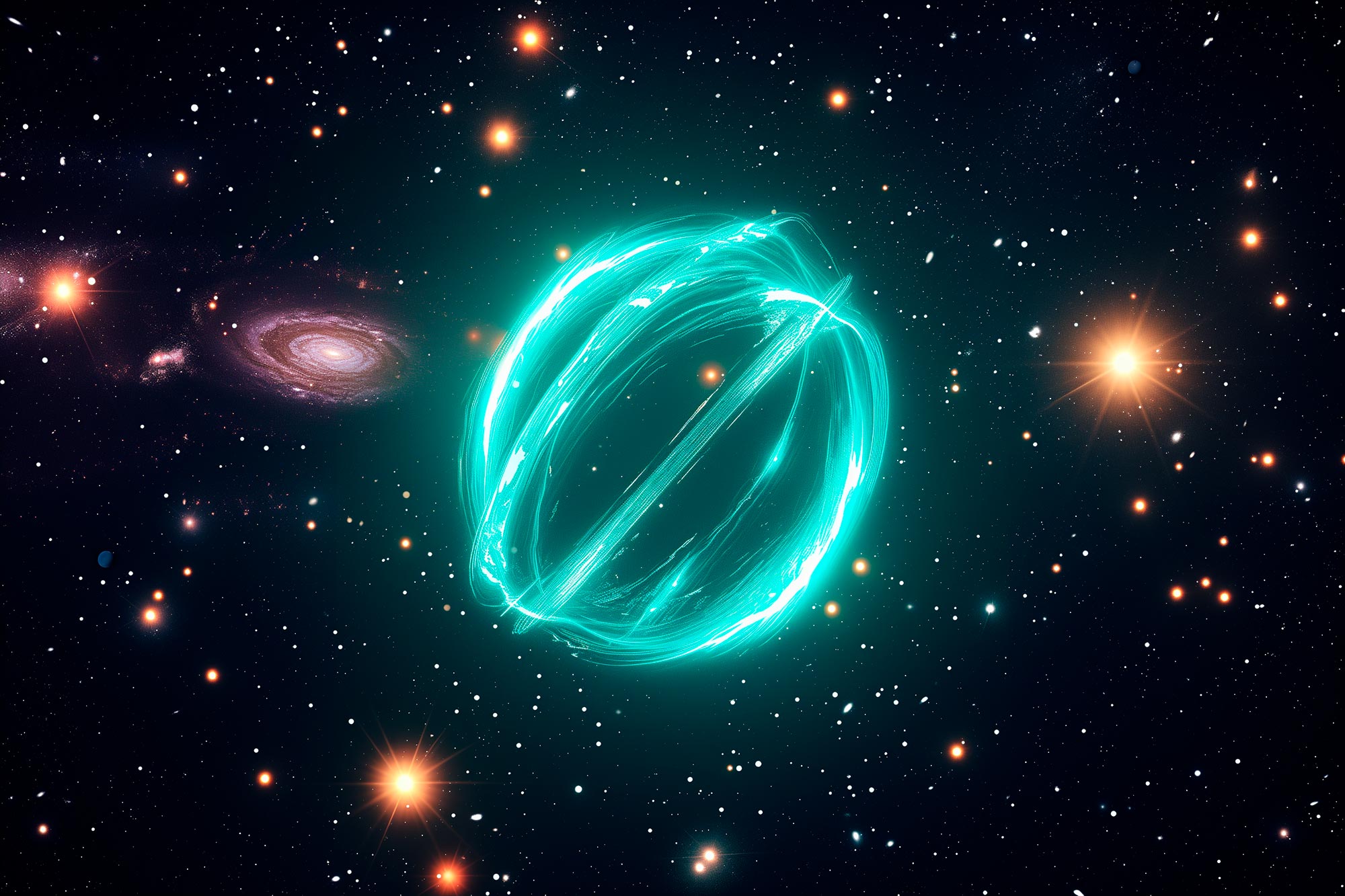
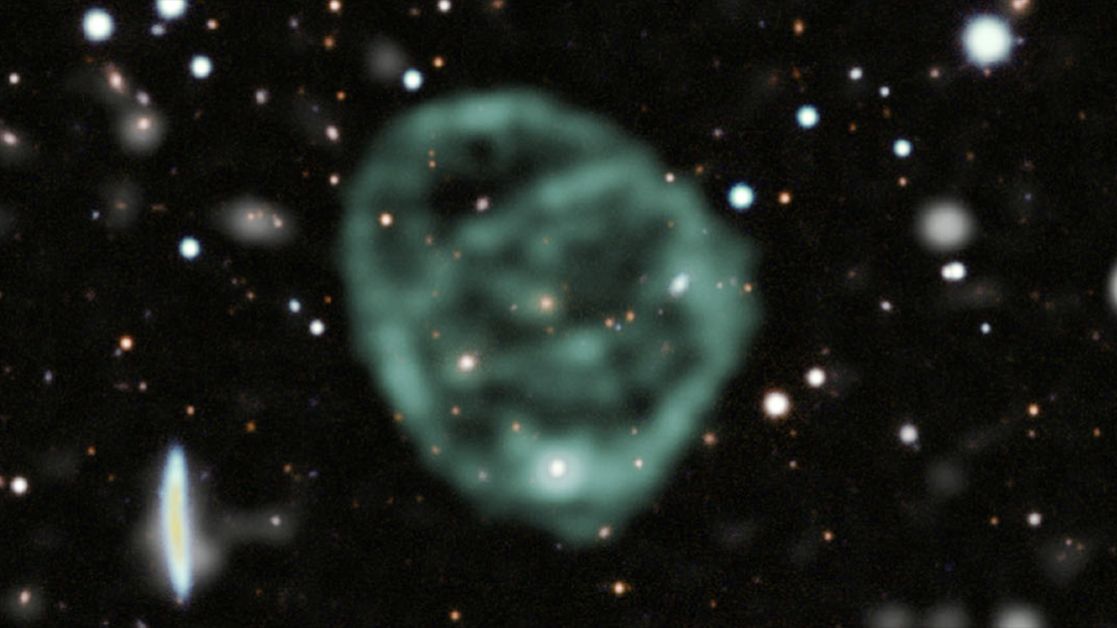
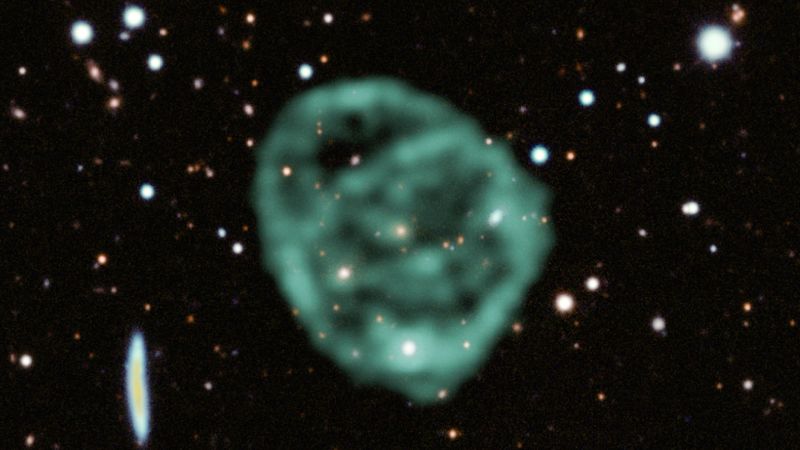
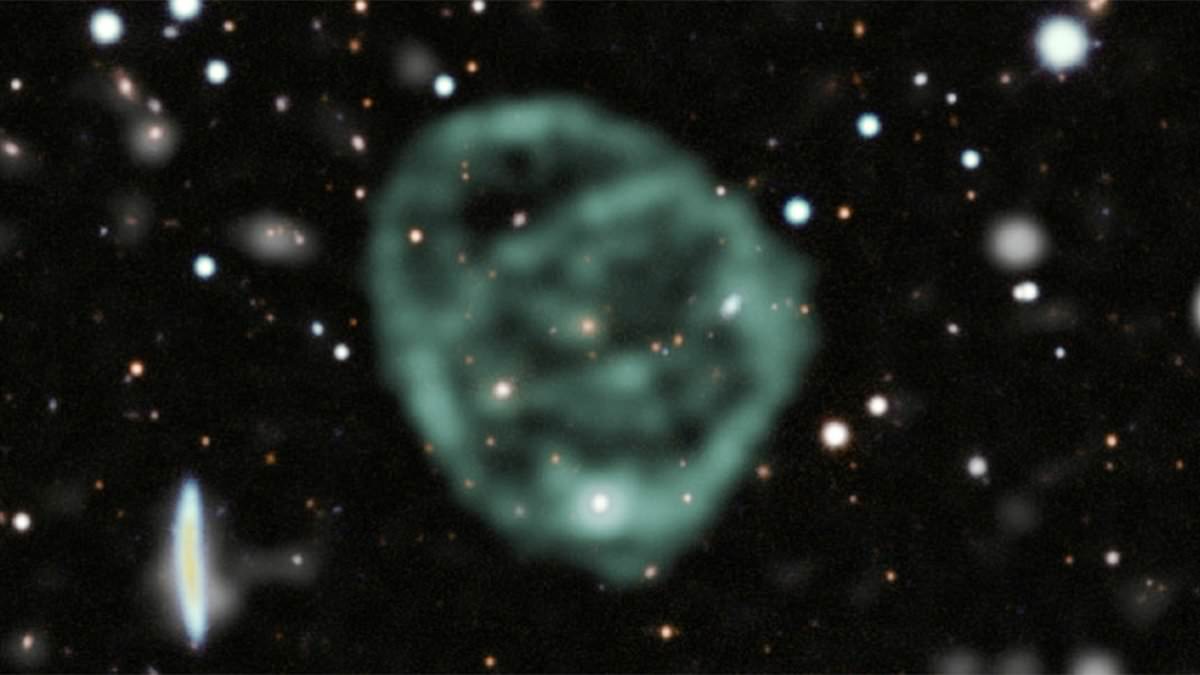
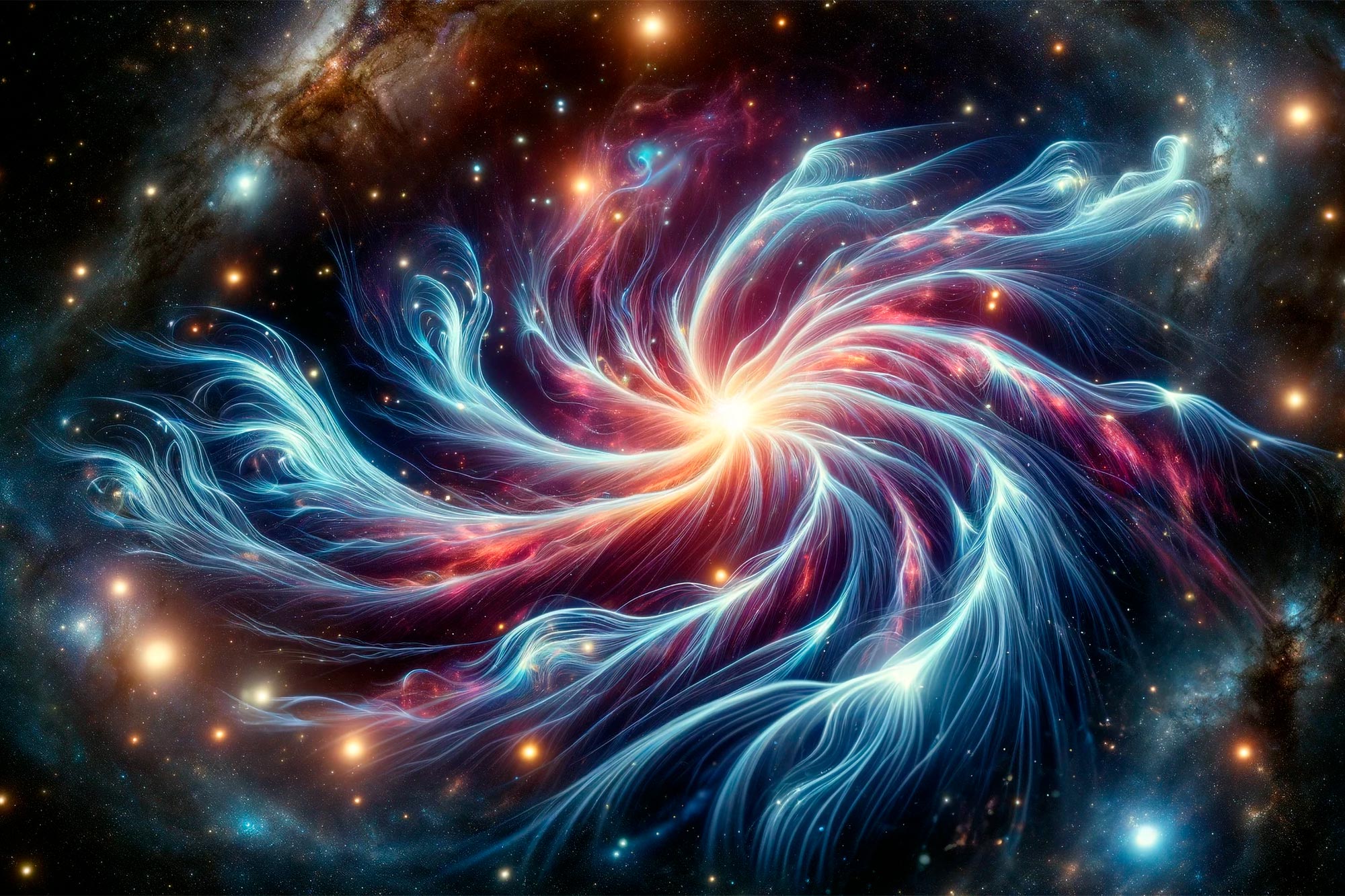
Astronomers have unraveled the mystery behind the rare radio wave circles (ORCs) discovered in 2019, attributing them to outflowing galactic winds from starburst galaxies, shedding light on galactic evolution and phenomena. These enormous circles, reaching hundreds of thousands of light years across, are believed to be formed by the intense burst of star formation in starburst galaxies, leading to ultra-fast outflowing winds that create the observed radio rings. The findings provide new insights into the nature of these peculiar astronomical phenomena and their role in understanding galactic evolution.
Scientists may have solved the mystery of cosmic ORCs, vast odd radio circles that can encompass entire galaxies, by pointing to powerful winds erupting from bursts of exploding stars as the cause. These winds, driven by simultaneous supernova explosions in starburst galaxies, create shockwaves that generate the ORCs, which can spread out for hundreds of thousands of light-years. This discovery could provide insights into galactic evolution and the prevalence of extreme outflowing galactic winds.
Astronomers have identified the origin of enormous "odd radio circles" (ORCs) as outflowing galactic winds from exploding stars in starburst galaxies, which occur when two large galaxies collide, pushing gas into a small region and causing intense bursts of star formation. These ORCs, measuring about a million light-years across, were initially thought to be imaging artifacts but have been confirmed as a new class of astronomical object only visible in the radio spectrum. Computer simulations and spectrograph data support the theory that ORCs are formed by powerful outflowing galactic winds, providing a rare opportunity to study galactic winds through radio data and spectrometry.
Astronomers have finally found a possible explanation for the mysterious odd radio circles (ORCs) in deep space, which were discovered in 2019. These ghostly circles are believed to be shockwaves created by powerful galactic winds emanating from starburst galaxies, where intense star formation occurs due to galactic mergers. Computer simulations suggest that these galactic outflows, driven by high rates of supernova explosions, could produce the observed ORCs. This discovery raises questions about the duration and prevalence of ORCs and their relationship to starbursting galaxies, offering potential insights into the evolution of the Universe.
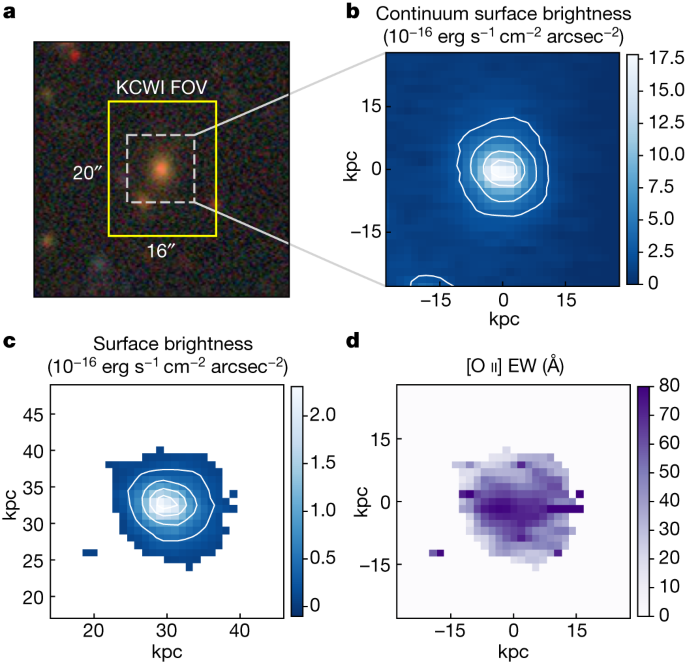
Astronomers have proposed a new theory suggesting that odd radio circles (ORCs) in space, massive celestial structures with galaxies at their centers, are formed by powerful galactic winds resulting from the explosions of massive stars. The theory is based on observations of ORC 4 using the W.M. Keck Observatory, which revealed the presence of heated gas in visible light. These findings shed light on the origins of ORCs and their potential impact on shaping galaxies over time, providing insights into galactic evolution.
Astronomers at the University of California San Diego have discovered that odd radio circles (ORCs) in space are formed by outflowing winds from explosive events like supernovae, creating massive radio wave circles more than 50,000 times the diameter of the Milky Way. Using the ASKAP telescope, they observed that these ORCs are created by intense bursts of star formation and outflowing galactic winds, shedding light on the evolution of galaxies and the life cycle of these winds.
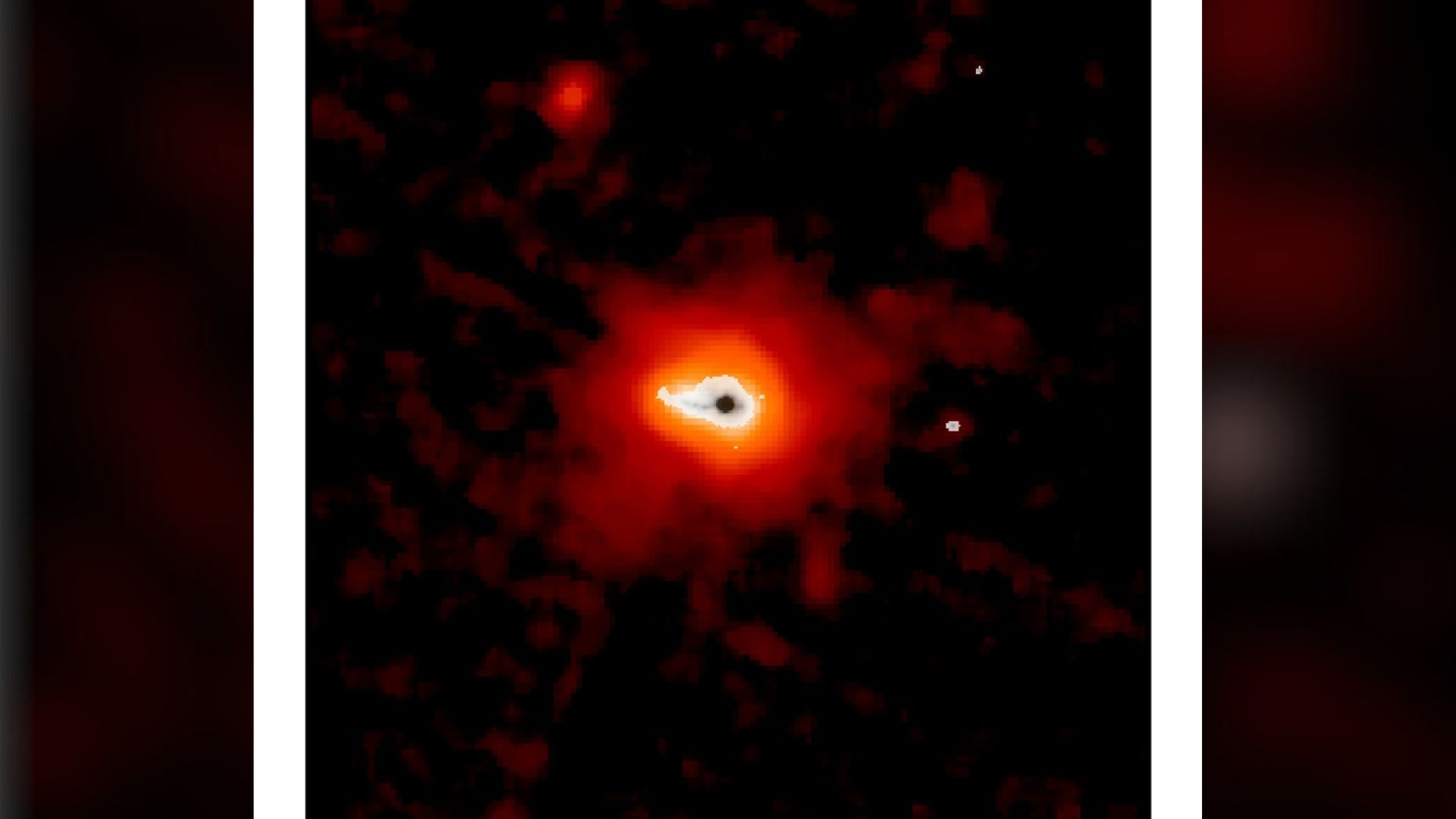
Researchers have discovered an extended ionized gas structure spanning over 40 kiloparsecs in the host galaxy of an odd radio circle, providing insights into the nature of these enigmatic radio sources. The findings shed light on the role of galactic winds and active galactic nuclei in shaping the ionized gas environment of galaxies, contributing to our understanding of galaxy evolution and the mechanisms driving radio emissions.
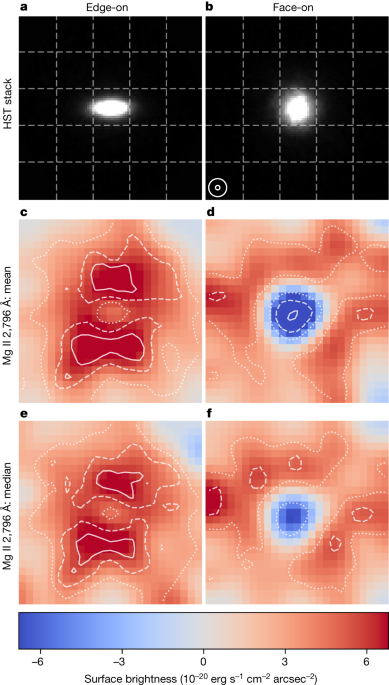
Scientists have made the first direct observations of galactic winds in a large population of galaxies in the distant Universe, shedding light on the early stages of galaxy formation. Galactic winds, produced by supernovae, play a crucial role in regulating star formation and shaping the evolution of galaxies. These winds inject energy and momentum into the gas, causing it to be expelled from the galaxy. The study used the MUSE instrument on the Very Large Telescope to detect and observe the emission from magnesium atoms in over 100 galaxies, revealing the average shape of these winds to be like an ice cream cone. Further research is needed to understand the physical properties and variations of galactic winds.
Astronomers using the MUSE instrument on the ESO's Very Large Telescope have discovered that galactic winds, which limit galaxy growth and star formation, are a universal phenomenon in galaxies over 7 billion years old. These winds, formed from massive star explosions, were mapped using magnesium atom emission signals. Future studies aim to measure the extent and matter content of these galactic winds.
Over 100 normal galaxies have been observed emitting powerful galactic winds that can heat and drive away gas, halting star formation. These winds, previously observed in starburst galaxies, are made up of charged particles and hot and cold gas. The winds blow for tens of thousands of light years and can shut off intense star formation. Using emissions associated with magnesium atoms as a proxy, astronomers detected these winds in normal galaxies, showing that feedback from galactic winds operates in all large galaxies, including the Milky Way. The findings were published in the journal Nature.
A recent study has found evidence of bipolar outflows extending up to 10 kiloparsecs (kpc) in massive galaxies at a redshift of approximately z ≈ 1. The research, which utilized observations from various instruments including MUSE and Keck Cosmic Web Imager, provides insights into the circumgalactic medium and galactic winds. These findings contribute to our understanding of the complex processes occurring in the outskirts of galaxies and their impact on galaxy evolution.