Tag

Cosmology

All articles tagged with #cosmology

Time as the Bridge: Reimagining Einstein–Rosen Wormholes as Two-Way Temporal Links
science2 days ago

Time as the Bridge: Reimagining Einstein–Rosen Wormholes as Two-Way Temporal Links

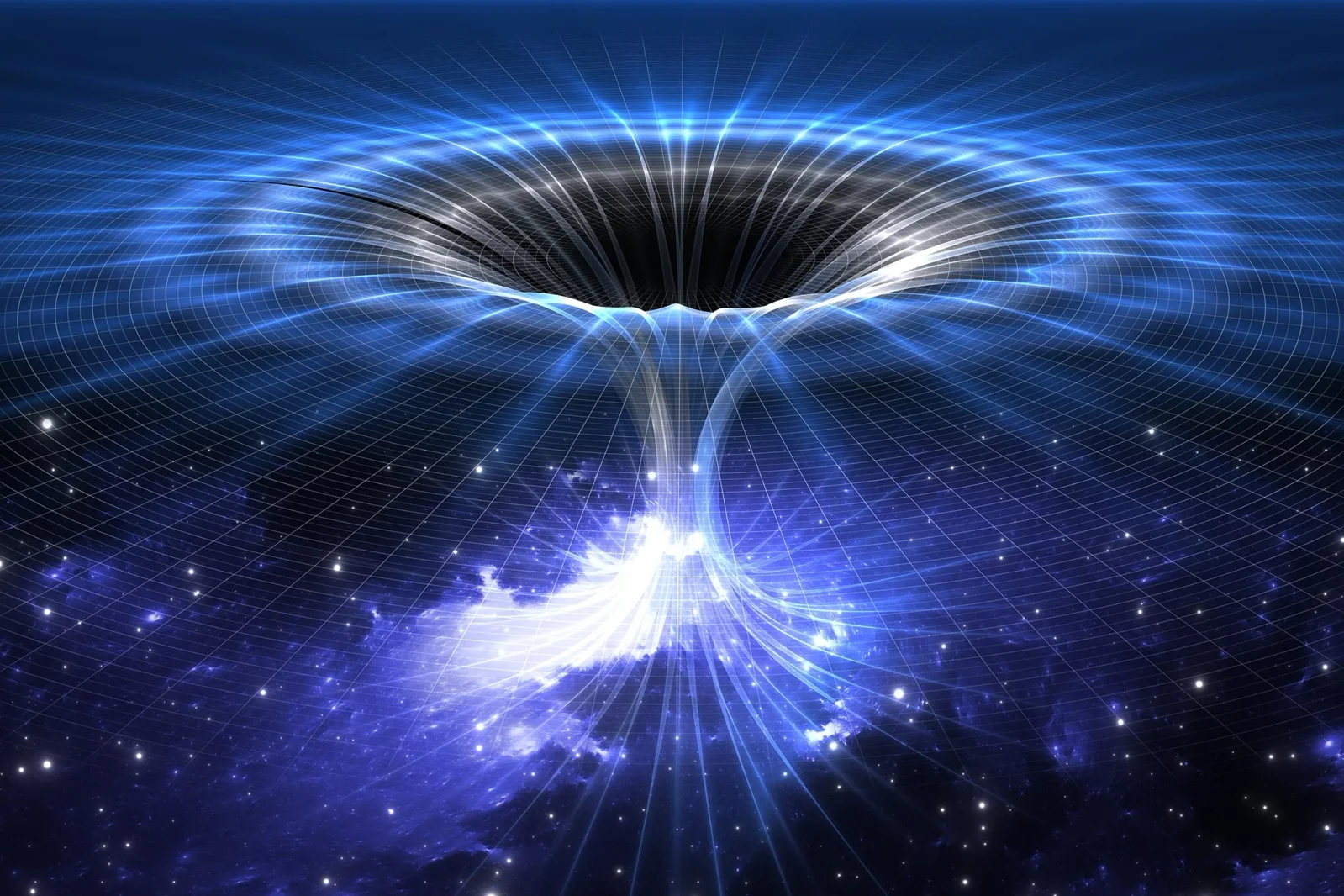
New research argues Einstein–Rosen bridges are not spatial shortcuts but two-directional structures in time, acting as complementary halves of a quantum state with forward and backward arrows of time. This framework preserves information across horizons, offering a natural resolution to the black hole information paradox without new physics and suggesting the Big Bang could be a quantum bounce between time-reversed phases. While it does not imply traversable wormholes, the idea points to a deeper quantum gravity picture and potential observational hints such as remnants in the cosmic microwave background or relic black holes.

Cosmologists Pinpoint Hubble Constant to 1% Precision, Deepening the Cosmology Conundrum
science3 days ago

Cosmologists Pinpoint Hubble Constant to 1% Precision, Deepening the Cosmology Conundrum

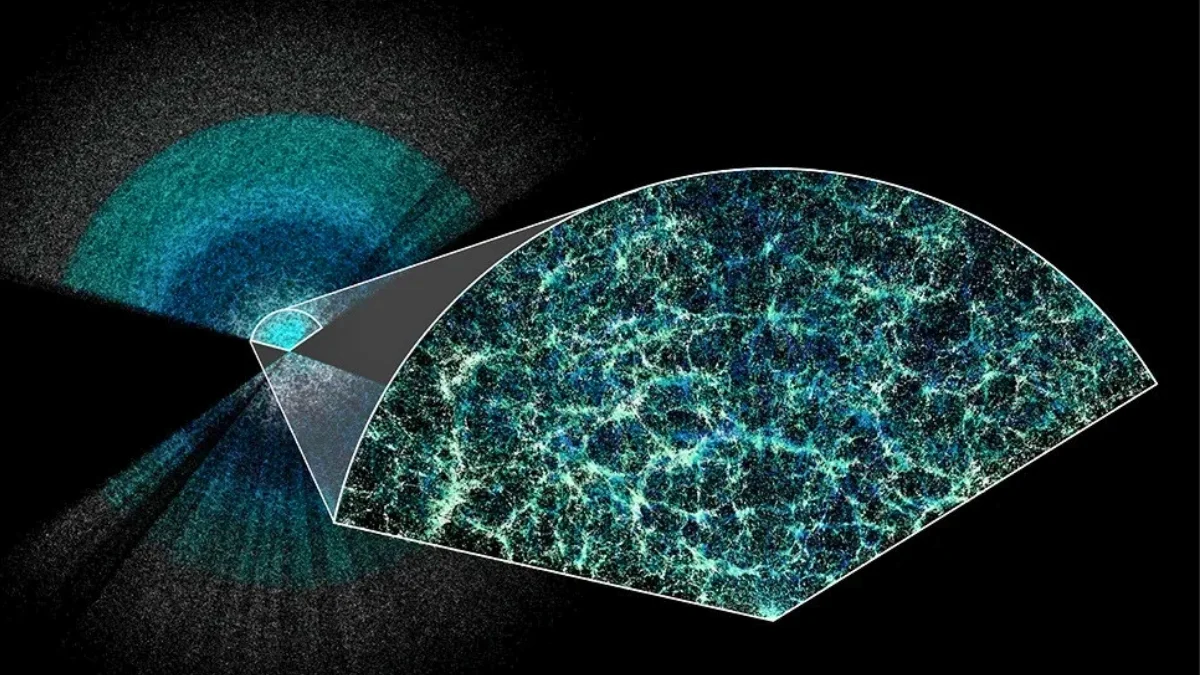
An international collaboration unified multiple distance-measurement methods into a single statistical framework, achieving a 1% precise measurement of the Hubble constant—the most accurate value to date. While the improved precision narrows uncertainties, it does not resolve the ongoing tension with early-universe predictions, underscoring the need for new physics or modifications to current cosmological models.

Cosmic Fate Rewritten: Could the Universe End in a Big Crunch
science7 days ago

Cosmic Fate Rewritten: Could the Universe End in a Big Crunch

A Cornell-led analysis proposes the expansion of the universe could be temporary and eventually reverse if the cosmological constant is negative, driven by an ultralight axion field. The model places the universe’s total lifespan at about 33.3 billion years, with a slow crunch starting in roughly 11 billion years and final collapse about 8 billion years later (around 19–20 billion years from now). If dark energy’s behavior continues to deviate from a true constant, this Big Crunch scenario could hold; upcoming surveys and missions (Euclid, Rubin Observatory, SPHEREx) are expected to refine measurements and test the idea.

Tiny Measurement Bias Could Resolve the Dark Energy Tension
science10 days ago

Tiny Measurement Bias Could Resolve the Dark Energy Tension

A new paper by Slava Turyshev argues that small systematic biases in how we measure supernova brightness and the standard ruler set by baryon acoustic oscillations could explain the DESI DR2–CMB mismatch, potentially removing the case for evolving dark energy. He also advocates the Alcock-Paczynski diagnostic to reduce dependence on early-universe benchmarks and outlines scenarios like the Late-Transition Interacting Thawer (LTIT) and Phantom Crossing as alternative explanations, with upcoming data from Euclid expected to test these ideas.

Thirty Cosmos Facts That Will Blow Your Mind
space10 days ago

Thirty Cosmos Facts That Will Blow Your Mind

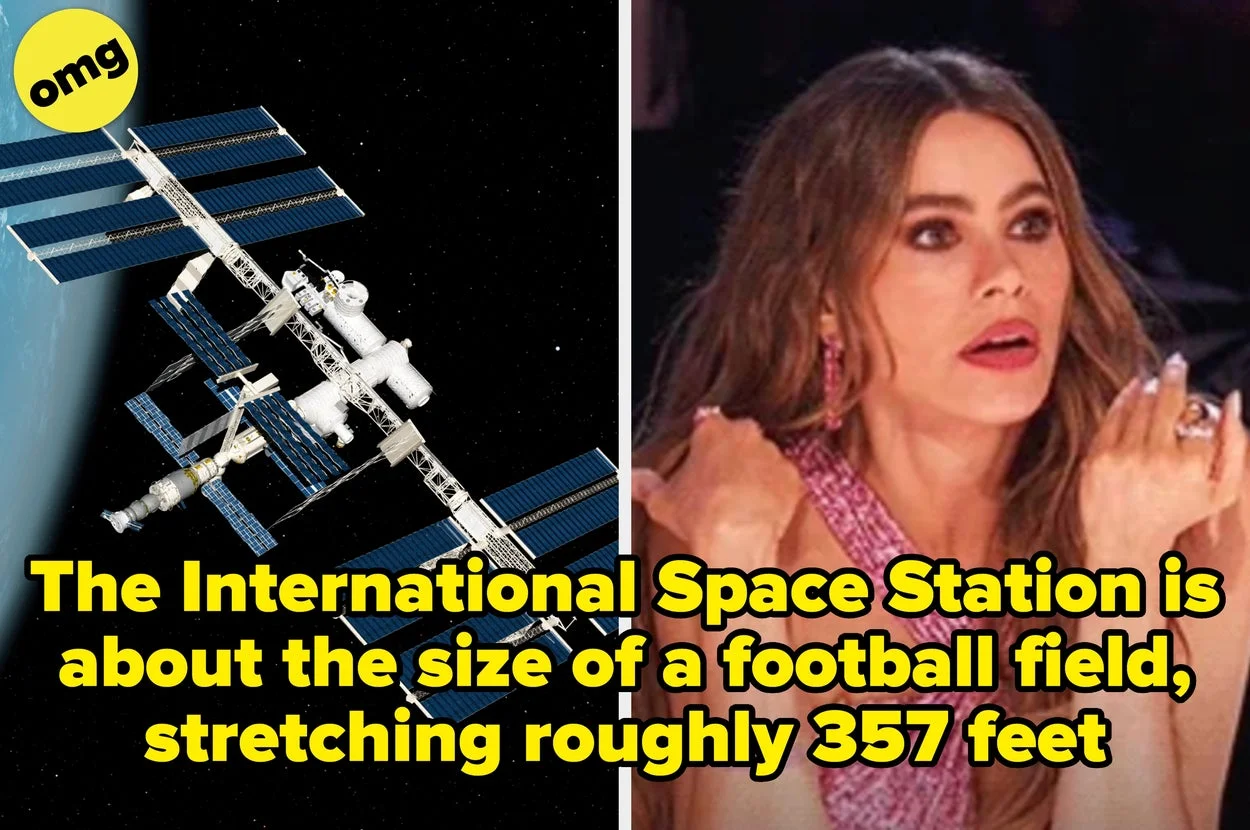
BuzzFeed’s list of 30 mind-blowing space facts spans the cosmos—from the observable universe’s staggering scale (about one septillion stars) and a universe dominated by dark energy and dark matter to eye-opening specifics like Venus’s day lasting longer than its year, Saturn’s ultra-low density (it would float in water), Olympus Mons dwarfing Earth’s tallest mountain, and the Moon’s regolith preserving footprints for up to 100 million years. It also covers neutron stars’ immense density, interstellar visitors like Oumuamua and Borisov, a giant reservoir of water 12 billion light-years away, blue sunsets on Mars, and even the Sun’s hypothetical roar in space.

Viscous Universe: A Fluid-Damped Expansion Could Redefine Dark Energy
science11 days ago

Viscous Universe: A Fluid-Damped Expansion Could Redefine Dark Energy

A new preprint suggests empty space behaves like a viscous fluid with bulk viscosity that resists expansion, introducing a time-varying drag on cosmic expansion to address DESI measurements. If future data from galaxy surveys, supernovae, and lensing align with this drag pattern, the idea could challenge the idea of a constant dark-energy driver, potentially replacing it with a dynamic picture—but the proposal remains speculative and requires peer review and broader observational checks.

Dark-energy clues push the universe toward a future Big Crunch
cosmology11 days ago

Dark-energy clues push the universe toward a future Big Crunch

New measurements from the Dark Energy Survey (DES) and DESI suggest the cosmological constant may be negative, causing the universe to keep expanding for about 11 billion more years before contracting to a Big Crunch roughly 20 billion years from now, for an approximate total lifespan of 33 billion years. The scenario relies on evolving dark energy, potentially linked to a very light particle, and is consistent with observations from DES and DESI, with future surveys like Euclid, SPHEREx, and Rubin Observatory planned to test the idea.

Cosmic Countdown: Universe May Fade Away in 10^78 Years, Study Finds
science20 days ago

Cosmic Countdown: Universe May Fade Away in 10^78 Years, Study Finds

A new theoretical study argues that not only black holes but other ultradense objects will evaporate via Hawking radiation, shortening the universe’s remaining lifetime to about 10^78 years—far sooner than the previously estimated 10^1100 years. White dwarfs and neutron stars, along with black holes, will gradually fade through gravitational pair production, with white dwarfs and massive black holes persisting around 10^78 years and neutron stars around 10^67 years. Earth would survive roughly 5 billion more years until the Sun consumes it, after which all matter and life would ultimately vanish in the cosmic void.

Webb Telescope Maps Cosmos's Invisible Skeleton in Unprecedented Detail
physics-and-mathematics20 days ago

Webb Telescope Maps Cosmos's Invisible Skeleton in Unprecedented Detail

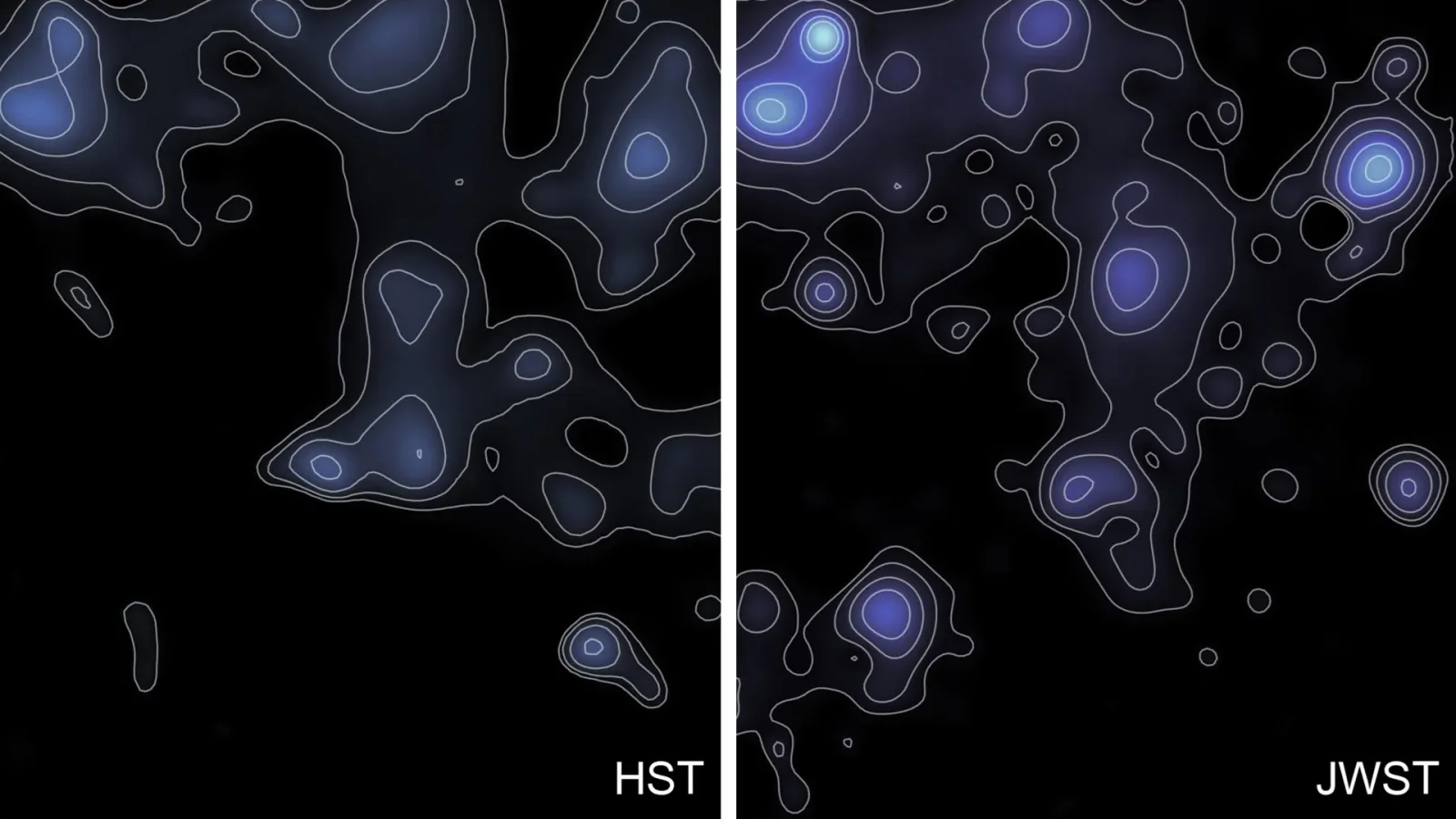
Astronomers using the James Webb Space Telescope produced the most detailed map of dark matter yet, revealing how its gravity shapes ordinary matter in a patch of the Sextans constellation and uncovering about 800,000 galaxies; the findings, published in Nature Astronomy from 255 hours of JWST observations, demonstrate dark matter as the universe's scaffolding and hint at how cosmic structure formed, with plans to expand mapping using NASA's Roman Space Telescope.

Flat dark-matter sheet explains Andromeda’s inbound motion amid receding neighbors
space21 days ago

Flat dark-matter sheet explains Andromeda’s inbound motion amid receding neighbors

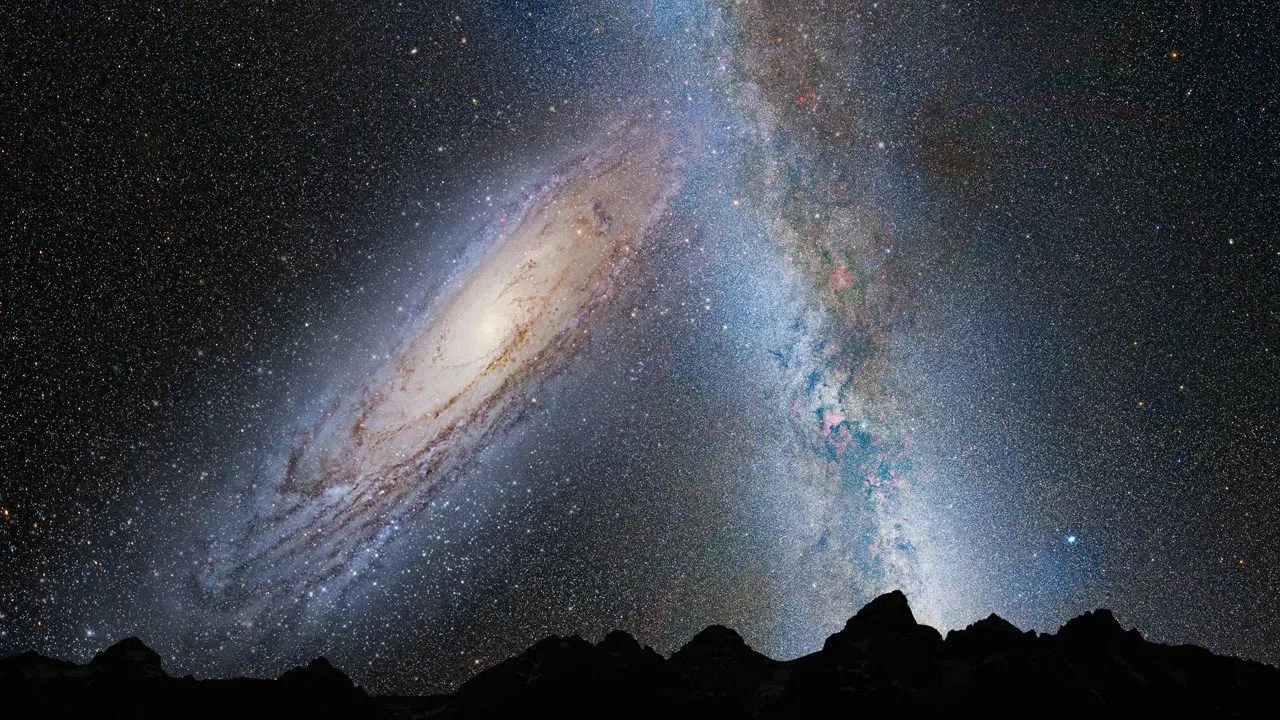
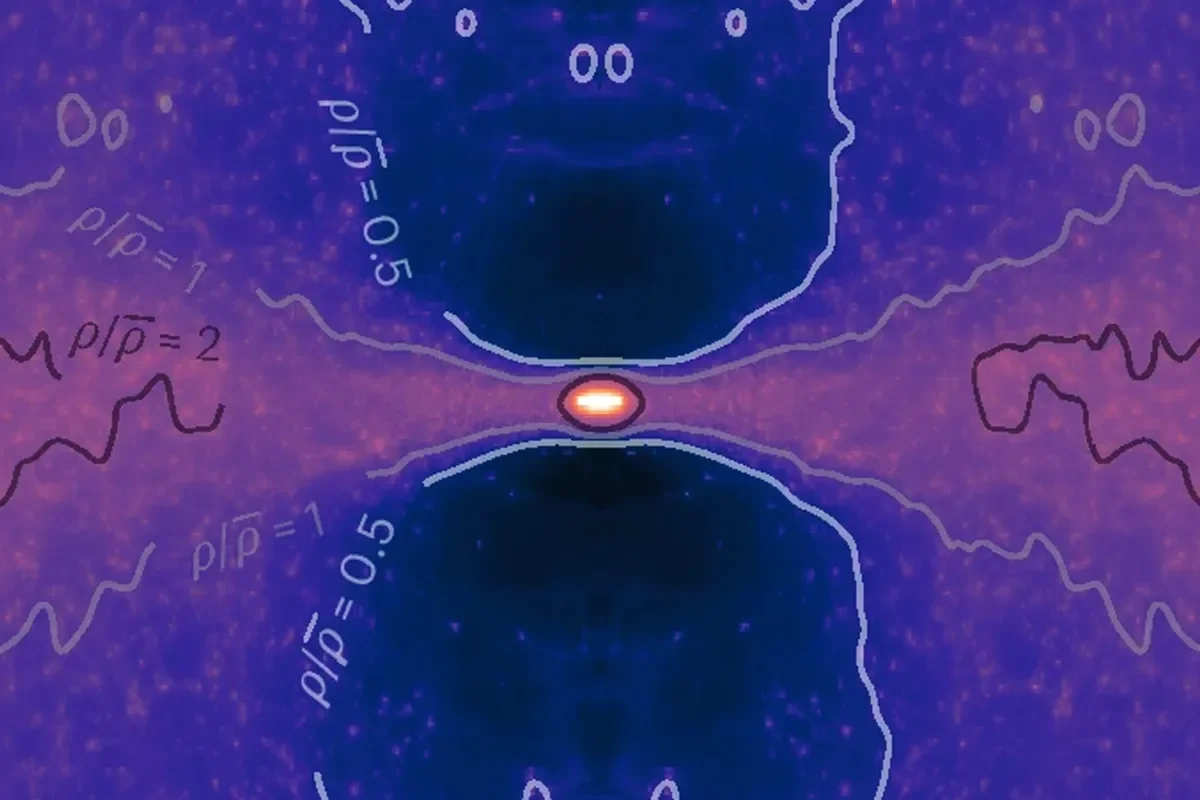
A Nature Astronomy study using local-universe simulations finds a vast, flat sheet of dark matter surrounding the Local Group that counteracts the Milky Way–Andromeda attraction. This sheet’s gravity pulls nearby galaxies outward, explaining why Andromeda is approaching us while other nearby galaxies are receding with cosmic expansion, reconciling observations with the standard cosmological model.

Webb maps the Universe's invisible scaffolding in unprecedented detail
space-and-astronomy23 days ago

Webb maps the Universe's invisible scaffolding in unprecedented detail

Astronomers using NASA's James Webb Space Telescope produced the most detailed map yet of dark matter, revealing how its gravity pulled ordinary matter into dense regions that formed galaxies and, eventually, planets. The map deepens understanding of the invisible structure shaping the cosmos and will guide future surveys (e.g., Euclid, Roman) to refine dark-matter properties and evolution.

Could Our Cosmos Be a Giant Computer Simulation?
science25 days ago

Could Our Cosmos Be a Giant Computer Simulation?

The article surveys the simulation hypothesis—the idea that our universe might be a highly realistic computer simulation—by tracing Nick Bostrom’s argument that advanced beings could run trillions of simulations. It notes that, while the logic remains compelling for some (and figures like Neil deGrasse Tyson have called the odds roughly 50-50), there is no empirical proof, and critics argue that computing such vast simulations may be infeasible or that apparent glitches don’t prove we’re in a simulation. The discussion also connects physics and cosmology to the idea, including limits like the finite observable horizon and the idea of reality as potentially ‘pixelated’ at small scales."}{

Local Group Hidden in a Vast Dark Matter Sheet, Study Suggests
space26 days ago

Local Group Hidden in a Vast Dark Matter Sheet, Study Suggests

A Nature Astronomy study proposes that the Milky Way and its Local Group are embedded in a gigantic flat sheet of dark matter, with mass concentrated at the sheet's edges and voids beyond. Using a simulated “virtual twin” of the group, the researchers show this geometry can explain peculiar motions that spherical halos can't, aligning local dynamics with the broader cosmological model and offering the first assessment of dark matter distribution in our neighborhood.